Opel X20DTH 2.0 DTI Engine (101 hp): Experiences, problems, fuel consumption and used-car buying tips
In short, the most important (TL;DR):
- Chain-driven timing: The X20DTH engine uses a timing chain, which reduces regular maintenance costs compared to a belt.
- Bosch pump (Bosch VP44): This is the weakest point of the engine. Failures in the pump’s electronics and mechanics are extremely common and repairs are expensive.
- No DPF filter or AdBlue: Since it belongs to an older generation of diesels, you are spared from modern emissions-related failures.
- Sluggish performance: In a heavy body like the Opel Omega, 101 hp and 205 Nm do not provide impressive performance. It copes better in the lighter Vectra.
- EGR valve and vacuum system: The EGR often gets dirty and sticks, and the vacuum hose system is prone to cracking, which leads to loss of power (Limp mode).
- Starting issues: Poor sealing of injector leak-off hoses often causes fuel to “drain back”, so the car cranks for a long time on cold starts.
Contents
- Introduction: Overview of the X20DTH engine
- Technical specifications
- Reliability, maintenance and common failures
- Specific parts and repair costs
- Real-world fuel consumption and performance
- Additional options and modifications (Chiptuning)
- Gearbox, clutch and power delivery
- Buying used and conclusion
Introduction: Overview of the X20DTH engine
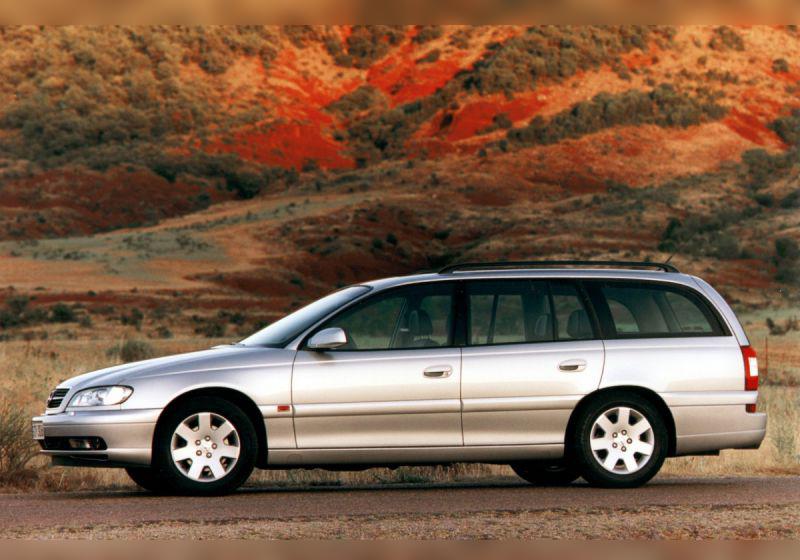
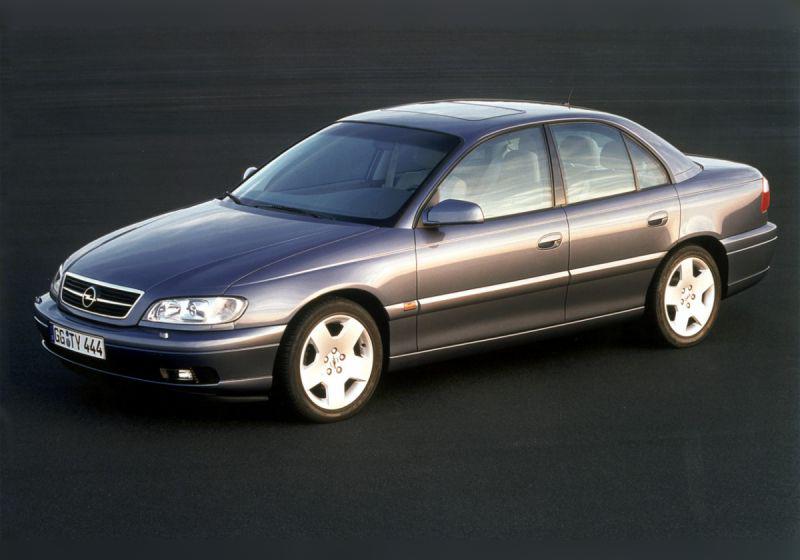
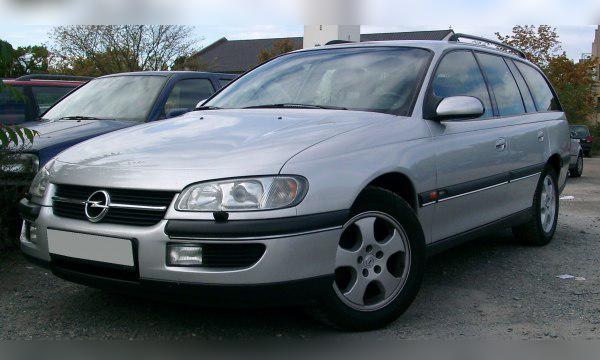
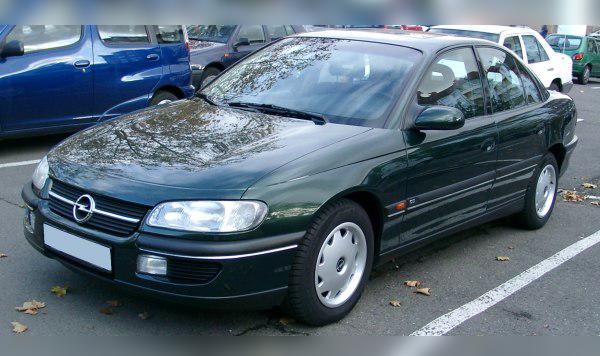
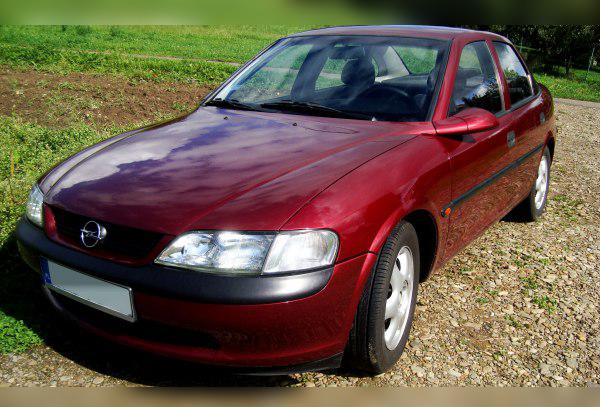
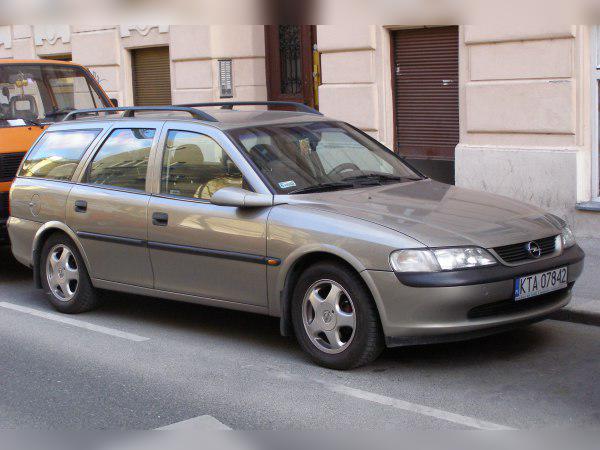
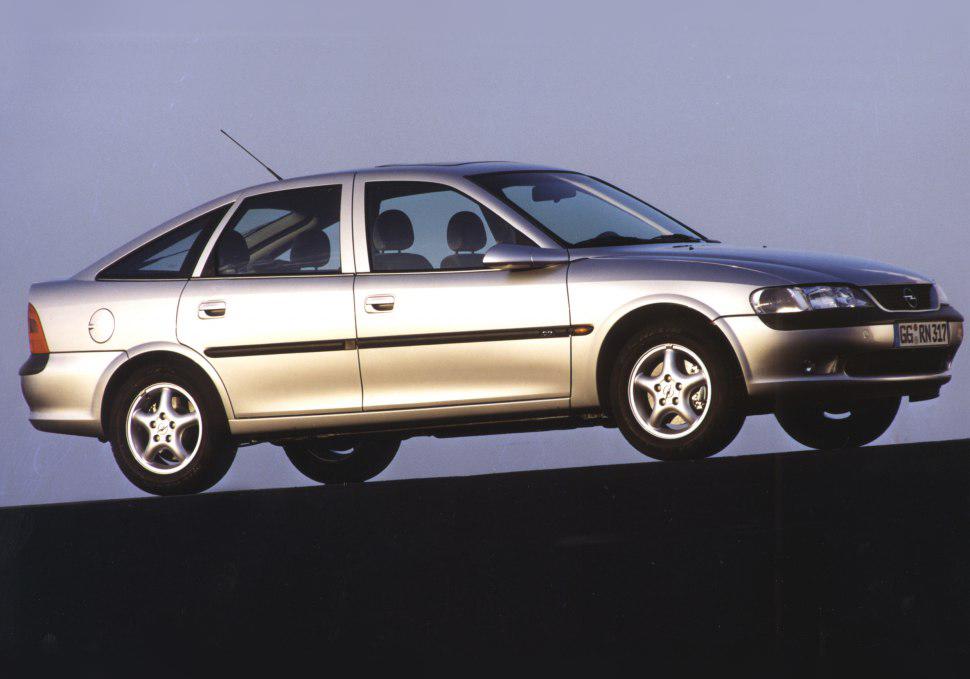
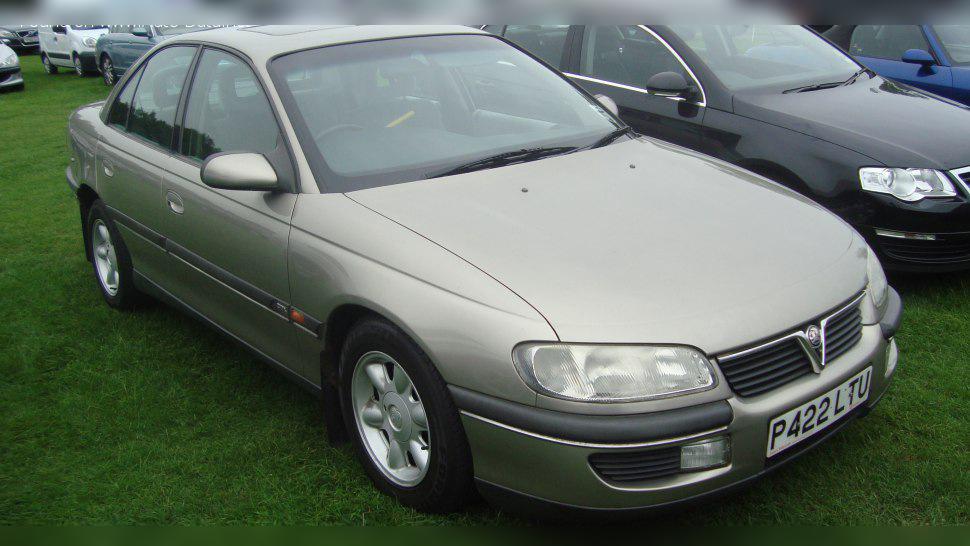
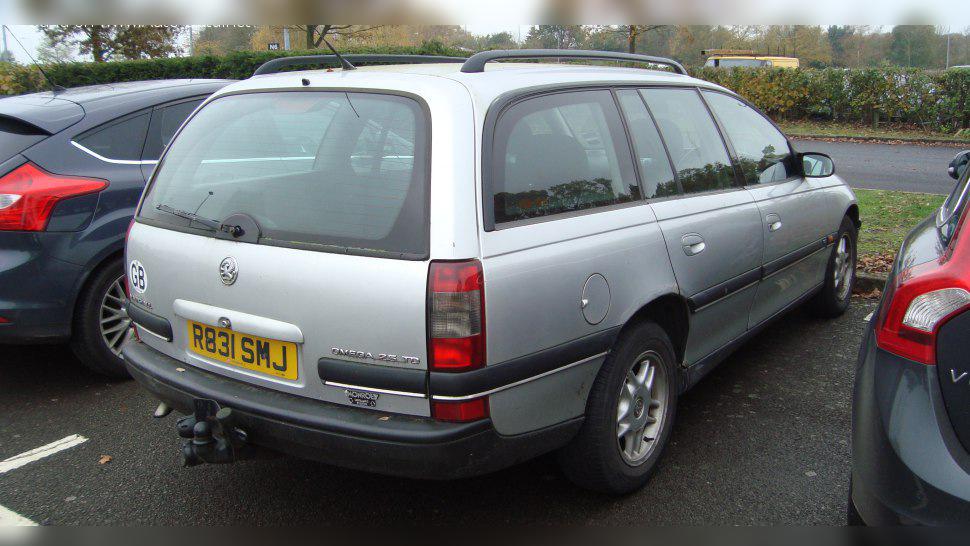
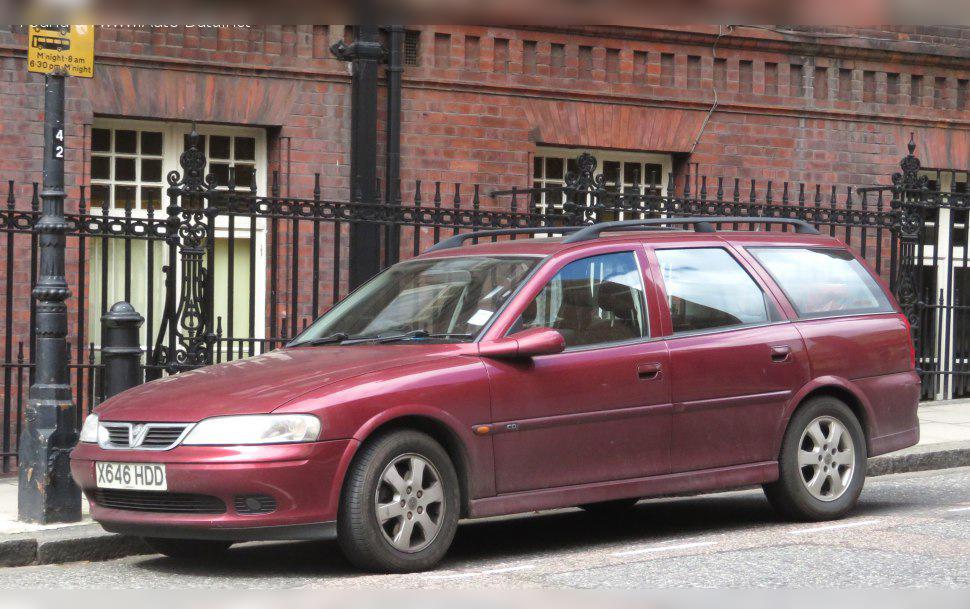
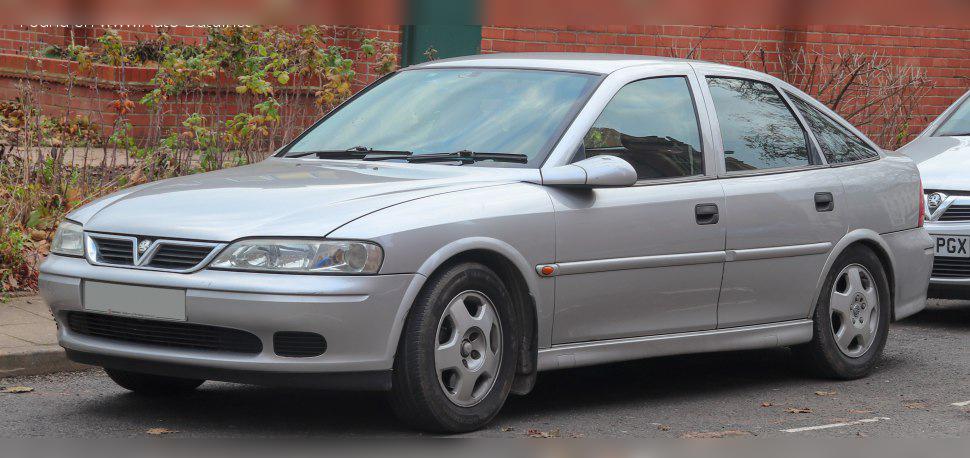
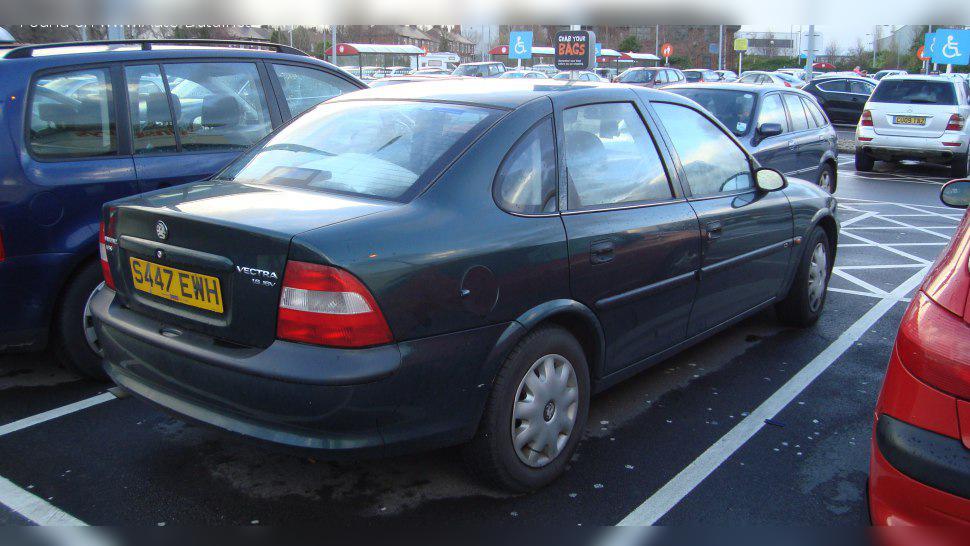
The engine designated as X20DTH represents a transitional phase in Opel’s (and Vauxhall’s) diesel technology from the late nineties. It was developed at a time when manufacturers were abandoning old pre-chamber technology and moving to direct injection, but had not yet adopted common-rail systems. This 2.0 DTI unit was installed primarily in the Opel Vectra B (including Caravan/Estate and CC versions) and the heavy, more luxurious Opel Omega B (especially after the 1999 facelift). Although on paper it offers modest power by today’s standards, in its day it was a popular choice for drivers covering high mileages on the open road. Today, as a used engine, it comes with a number of specific issues that every potential buyer needs to understand in detail.
Technical specifications
| Feature | Data |
|---|---|
| Engine code | X20DTH |
| Displacement | 1995 cc |
| Power output | 74 kW (101 hp) at 4300 rpm |
| Torque | 205 Nm at 1600 - 2750 rpm |
| Fuel type | Diesel |
| Injection type | Direct injection (Bosch VP44 rotary pump) |
| Induction | Turbocharger |
Reliability, maintenance and common failures
In terms of engine architecture, the X20DTH uses a timing chain to drive the camshafts, not a toothed belt. Because of this, there is no classic “major service” with belt replacement every 60,000 or 80,000 km. However, the chain is not eternal. Chain stretch or wear of the tensioner usually manifests as rattling on cold start. At around 150,000 to 200,000 km it is recommended to replace the auxiliary belt, rollers, tensioner and water pump, which in practice amounts to one more serious service operation.
As for lubrication, the engine takes about 5.5 liters of oil. The recommended grade is 5W-40 for colder climates, although many mechanics, due to the age of the engine and larger tolerances, switch to semi-synthetic 10W-40 oil. Does this engine consume oil? Yes, old-school design implies a certain consumption. Between two services (recommended at a maximum of 10,000 to 12,000 km), topping up 0.5 to 1 liter of oil is considered completely normal. If consumption exceeds this limit, the problem is usually worn valve stem seals or oil control rings.
Injectors and fuel injection system
Unlike modern common-rail diesels, the injectors on the X20DTH are purely mechanical, two-stage, and very reliable. How long do the injectors last? In practice, they often outlive the engine itself and rarely require expensive overhauls. However, the seals (Teflon rings) under the camshaft and the leak-off hoses are problematic. When the leak-off hoses become porous, the system draws in air while the car is parked. The symptom is long and exhausting cranking on the first cold start of the day. The fix is cheap, but diagnosis often confuses inexperienced mechanics.
Specific parts and repair costs
What defines the ownership experience of this engine is the infamous Bosch VP44 high-pressure pump. This is by far the most common and most expensive failure on the X20DTH engine. The pump fails in two ways: mechanically (due to poor lubrication caused by low-quality diesel fuel) or electronically (the transistor in the pump control unit on top of the engine burns out due to heat). Symptoms of failure are sudden stalling while driving without warning, inability to start, or rough running with a lot of smoke. Repairing this pump falls into the category of expensive to very expensive interventions (depending on the market) and requires a specialist Bosch diesel shop.
Dual-mass flywheel: Yes, this engine comes equipped with a dual-mass flywheel responsible for damping vibrations. Given the age of these vehicles, the flywheel is usually already at the end of its service life. Symptoms include strong vibrations at idle, metallic rattling when switching the engine off, and juddering when pulling away from a standstill.
The engine uses a conventional turbocharger that has a long service life if the oil is changed regularly. However, problems with the vacuum system that controls the turbo are common. Cracking of the small vacuum hoses or failure of the solenoid valve results in the turbo not building any boost at all, and the engine goes into limp mode (safety mode) with the “check engine” light on.
In terms of emissions, the good news for owners is that the X20DTH does not have a DPF filter or AdBlue system, as it belongs to the older Euro 2 and Euro 3 standards. This spares you huge costs related to exhaust system maintenance. However, there is an EGR valve, which regularly clogs up with soot deposits. Symptoms of a clogged EGR are black smoke from the exhaust, loss of power and engine hesitation.
Real-world fuel consumption and performance
Fuel consumption largely depends on the body style. Real-world urban consumption ranges between 7.5 and 9.0 liters per 100 km. If the engine is installed in the heavy Opel Omega B, expect the upper end of that range, or even more in winter. On the open road the situation is drastically better, with consumption dropping to around 5.5 to 6.5 liters.
Is this engine “lazy”? Absolutely yes, especially in the Omega, which also has rear-wheel drive, further “stealing” power at the wheels. With 101 hp and 205 Nm, you cannot expect quick overtakes on short stretches. The car requires planning and a run-up. In the Vectra B (front-wheel drive and lower weight) the situation is noticeably better, but it is still not a performance car.
When it comes to motorway driving, this is the natural environment for the X20DTH. At a cruising speed of 130 km/h, the engine usually spins at around 2800 to 3000 rpm (depending on the gearbox). At these revs it is stable, cabin noise is acceptable, and the car behaves like a safe cruiser.
Additional options and modifications (Chiptuning)
Since this is a turbocharged diesel engine, it is possible to perform software optimisation (chiptuning). A Stage 1 remap usually raises power from the stock 101 hp to about 120 to 125 hp, while torque increases to roughly 250 Nm.
Is that safe? The engine as a mechanical assembly can handle that power without problems. What can be problematic are the supporting components: the old Bosch VP44 pump, which under higher load may fail sooner, and the old clutch with dual-mass flywheel, which will struggle to cope with the sudden increase in torque. Chipping is recommended only if you are confident about the flawless mechanical condition of the fuel injection and drivetrain systems.
Gearbox, clutch and power delivery
The X20DTH engine was most commonly paired with a 5-speed manual gearbox (usually from the F23 series in front-wheel-drive models, while the Omega uses longitudinal R25/R28 gearboxes). There was also an option of a 4-speed automatic gearbox, but it is rare.
Most common manual gearbox issues: The transmission itself is robust, but problems with the gear selector linkage are common. Over time, the plastic bushes in the linkage develop play, making the gear lever imprecise and engaging first gear or reverse more difficult. The cost of replacing the clutch and dual-mass flywheel falls into the category of expensive to very expensive interventions and often exceeds the current value of the car itself (depending on the market).
Automatic gearbox: Old 4-speed automatic gearboxes are extremely “lazy” and further worsen performance and increase fuel consumption. Their most common failures are related to the valve body or the torque converter. The service interval and oil change in the automatic gearbox are mandatory every 60,000 km. If the oil is not changed on time, the gearbox starts to jerk when shifting gears. For the manual gearbox, it is also recommended to check and replace the oil at around 100,000 km to extend the life of the bearings.
Buying used and conclusion
Buying a car with the X20DTH engine today requires great caution, given that these vehicles are very old. Before you hand over any money, be sure to check the following:
- Cold start: Ask the seller to keep the car completely cold before you arrive. If the engine cranks for a long time before starting, accompanied by a cloud of white-grey smoke, the problem is the leak-off hoses or engine compression.
- Hot start: Once the engine is fully warmed up, switch it off and wait 5 minutes, then start it again. If it struggles to start when hot, this is a direct indicator that the Bosch VP44 pump is due for overhaul.
- Timing chain noise: Listen to the engine idling, especially on the timing side. Any metallic rattling indicates a slack chain.
- Clutch behaviour: On a manual gearbox, try flooring the throttle in third gear from 1500 rpm. If you feel strong vibrations or the clutch slips, the dual-mass flywheel and clutch disc are due for replacement.
Who is this engine for? This engine is strictly for drivers buying a car on a limited budget who need a spacious vehicle (such as an Omega or Vectra estate) for long journeys and transporting bulky items. It does not offer sporty driving and can be disappointing in city performance. The biggest nightmare remains the VP44 pump, so if you do not know a trustworthy Bosch diesel specialist or the car has no written proof that the pump was recently overhauled, be prepared for sudden expensive failures. On the other hand, you are spared the headaches of modern emissions systems (no DPF, no AdBlue), which still makes it an attractive choice for many older drivers.