Opel X20DTL 2.0 DI 16V Engine (82 hp): Experiences, Problems, Fuel Consumption and Used Car Buying Tips
Key points in short (TL;DR)
- Timing chain drive: The engine uses a reliable timing chain, which reduces regular maintenance costs.
- Bosch VP44 pump: The weakest point of the engine; electronic failures on this high-pressure pump are common and expensive.
- System without intercooler: Unlike the more powerful (DTI) version, this engine has no intercooler, which makes it sluggish, especially in summer.
- No DPF or AdBlue: Old-school diesel, which means fewer headaches with modern emission systems.
- Hard starting in winter: Most often caused by worn leak-off hoses and injector seals that let air into the system.
- Cheap clutch: It mostly uses a solid flywheel, so replacing the clutch kit is financially painless.
Contents
- Introduction: About the X20DTL Engine
- Technical Specifications
- Reliability and Maintenance
- Specific Parts and Costs
- Fuel Consumption and Performance
- Additional Options and Modifications
- Gearbox and Drivetrain
- Buying Used and Conclusion
Introduction: About the X20DTL Engine
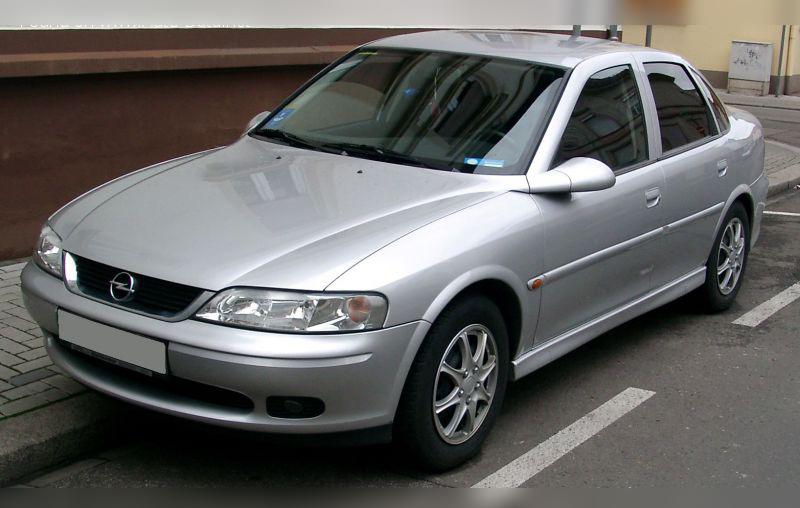
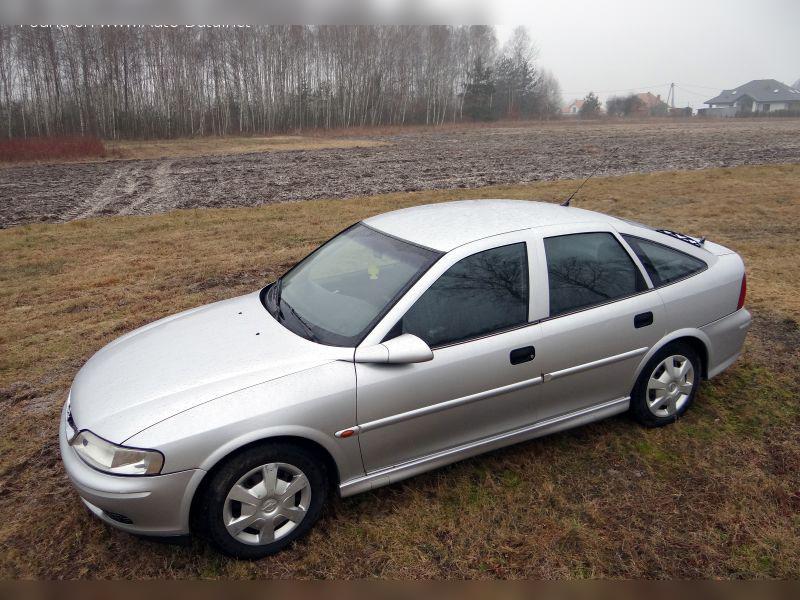
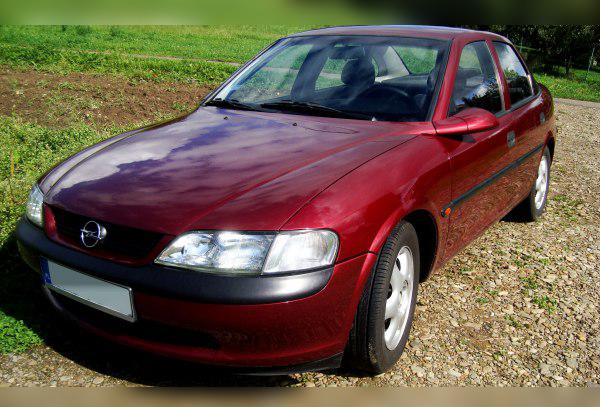
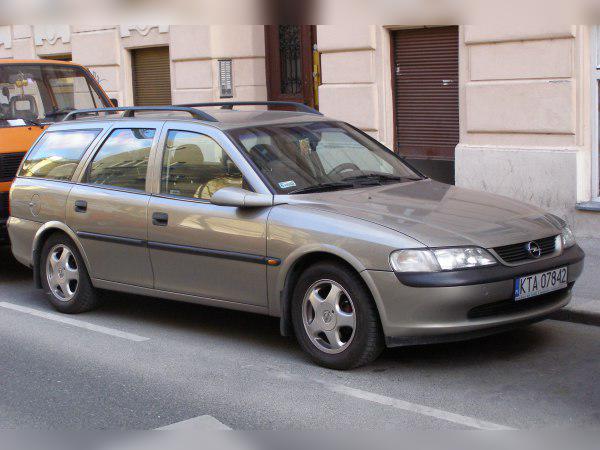
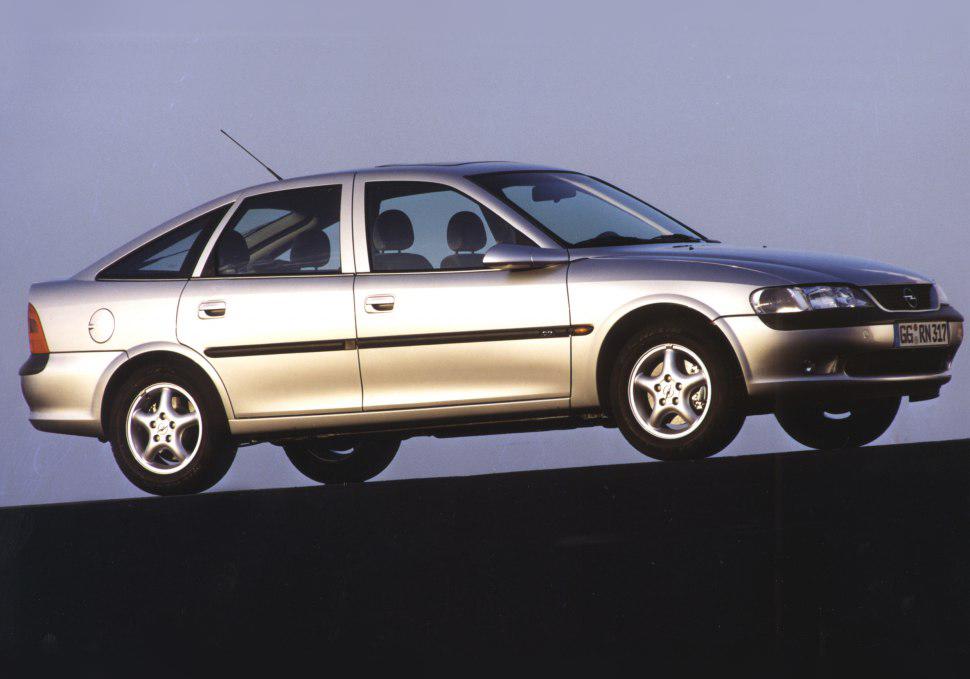
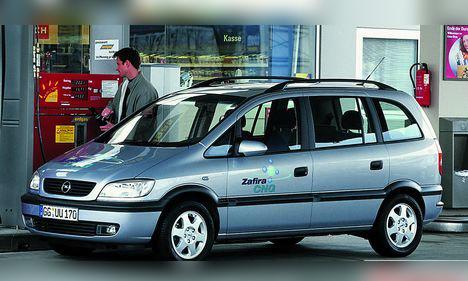
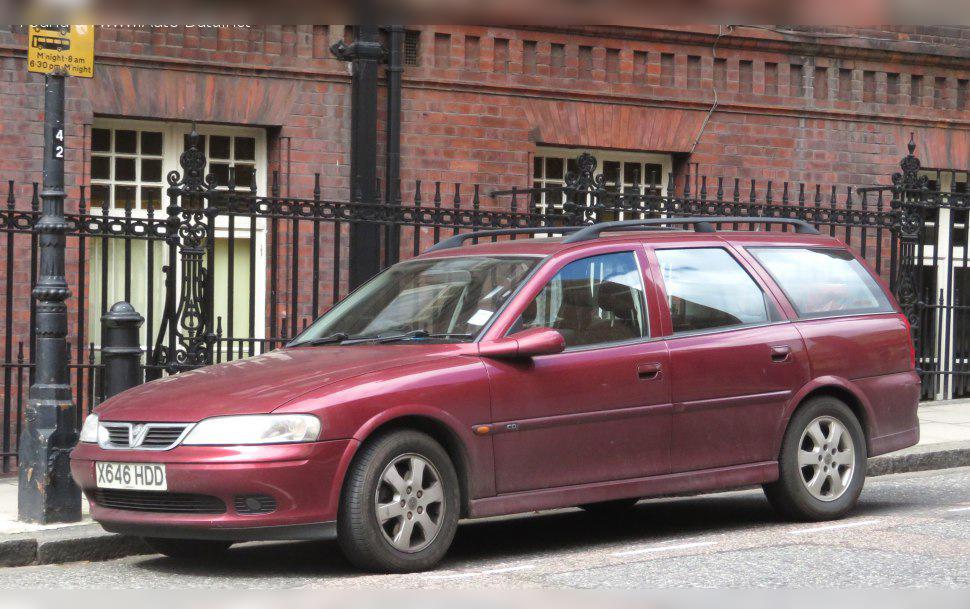
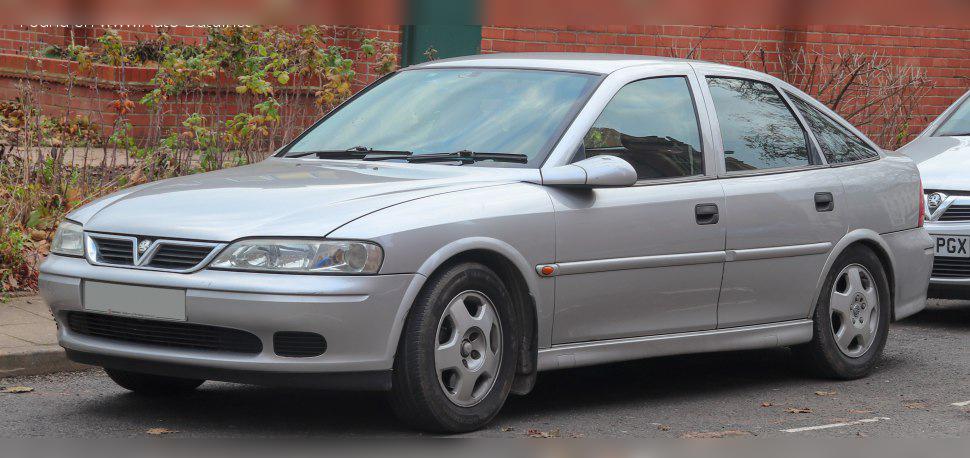
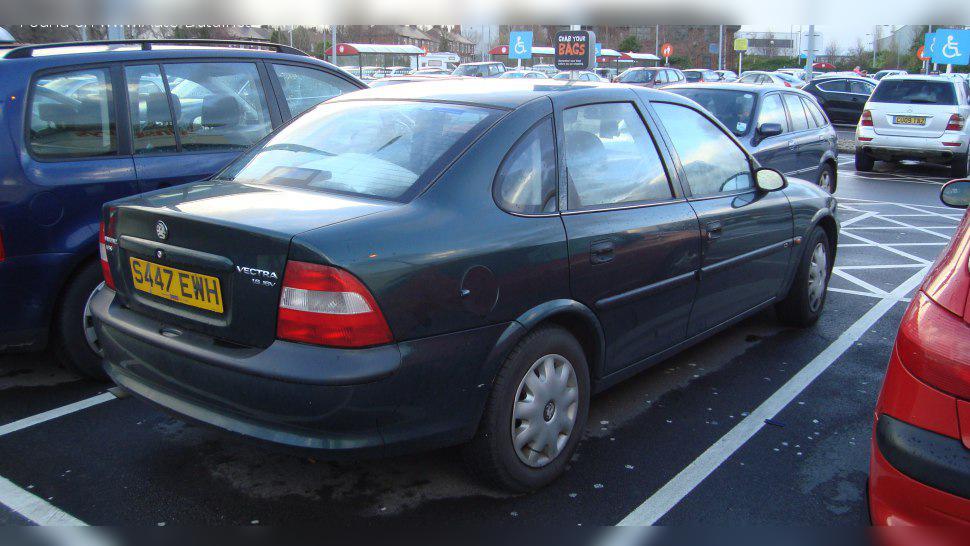
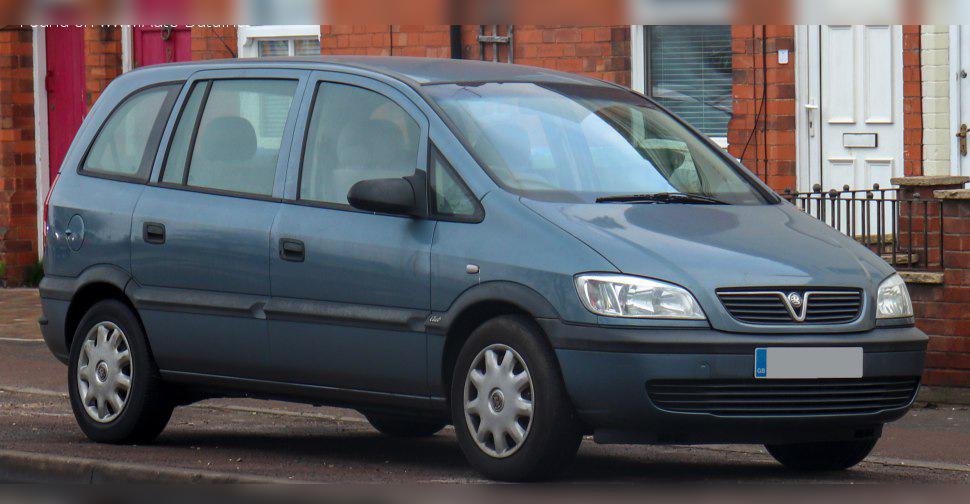
The engine with the code X20DTL, commercially known as 2.0 DI 16V, was produced in the late nineties and early 2000s. It was primarily installed in Opel/Vauxhall Vectra B models (both before and after the 1999 facelift) and in the first series of the Zafira A. This power unit represents General Motors’ transition to direct injection on diesels. Its main characteristic is the absence of an intercooler (charge air cooler), which is what differentiates it from the more powerful DTI (X20DTH) 101 hp version. Because of this, this engine is not designed for breaking speed records, but for calm and economical driving. A workhorse, not a racehorse.
Technical Specifications
| Specification | Data |
|---|---|
| Displacement | 1995 cc |
| Power | 60 kW (82 hp) |
| Torque | 185 Nm |
| Engine code | X20DTL |
| Injection type | Direct injection (Bosch VP44 rotary pump) |
| Charging | Turbocharger (without intercooler) |
Reliability and Maintenance
Timing belt or chain?
The good news for drivers is that the X20DTL has a timing chain instead of a timing belt. The system is designed to be very robust (it uses a so‑called double or “duplex” chain in the lower section) and in most cases the chain lasts as long as the engine itself. There is no need for periodic replacement every 60 or 80 thousand kilometers, unless you hear rattling on a cold start, which indicates a worn tensioner.
Most common failures
This engine has several typical “weak spots” that experienced mechanics know by heart:
- Air in the fuel system: The so‑called leak-off hoses (return hoses on the injectors) and the PTFE injector seals crack over time. Symptom: After the car has been parked (especially facing downhill or on level ground), it has to crank for a long time before starting, because the fuel drains back into the tank and the system draws in air.
- Vacuum system: The turbocharger and EGR valve are controlled via a complicated network of vacuum hoses and solenoid valves. If one hose cracks, vacuum is lost, the car goes into limp mode (safety mode) and loses power, with the yellow “Check Engine” light coming on in the instrument cluster.
- Crankshaft position sensor: When it fails, the car can suddenly stall while driving once the engine is hot, or it may be hard to start when warm.
Major and minor service
Since it has a chain, the classic major service basically comes down to replacing the water pump (driven by the auxiliary belt, not the chain), the auxiliary (serpentine) belt itself, the idler and the tensioner. This inspection and replacement should be done at around 100,000 km or as needed when bearing noise appears.
The engine takes about 5.5 liters of oil. The recommended viscosity is usually 10W-40 (for higher-mileage engines) or 5W-40 synthetic. Change the oil and all filters every 10,000 to a maximum of 15,000 km.
Oil consumption
This type of Opel diesel always uses a bit of oil; it is a factory trait due to the design of the oil control rings and turbocharger tolerances. Consumption of 0.5 to 1 liter per 10,000 km is considered completely normal. If it consumes more than that, the problem is usually a worn turbocharger or valve stem seals.
Injector condition
The injectors on this engine are classic mechanical units (with two springs) and are extremely durable. They very rarely fail. If a problem does occur (for example, the car smokes black or idles roughly), reconditioning is very affordable compared to modern common-rail injectors.
Specific Parts (Costs)
Dual-mass flywheel
Fortunately for owners, the 82 hp version usually comes from the factory with a conventional solid flywheel. This means that when the clutch starts to slip, the cost is minimal – you only replace the clutch kit (disc, pressure plate, release bearing), which is not expensive at all (depends on the market). *Note: Depending on the exact year of production and gearbox type in some foreign markets, a dual-mass flywheel can very rarely be found, so it is recommended to check via the VIN, but in 95% of cases there is nothing to worry about.
Injection system: The notorious Bosch VP44 pump
This is the heart of this engine’s problems. Injection is controlled by the Bosch VP44 rotary pump. On this pump, the electronic module (EDC) on top usually fails due to overheating (often caused by the timing piston sticking because of poor-quality fuel). Symptoms: The car simply stalls while driving and then will not start again. Overhauling this pump is expensive to very expensive (depends on the market) and represents the biggest risk when buying this engine.
Turbocharger
This engine uses a single conventional turbocharger with fixed geometry. Since the engine has low power and does not generate high boost pressures or very high temperatures from aggressive combustion, the turbocharger is extremely long‑lasting and often outlives the car’s bodywork.
DPF filter, EGR valve and AdBlue
The X20DTL belongs to the old school (it meets Euro 2 / Euro 3 standards). It does not have a DPF filter (particulate filter), and it does not have an AdBlue system, which is a huge plus for maintenance and city driving. However, it does have an EGR valve (pneumatic on earlier models, later electronic). Due to poorer combustion and excess oil vapors from the crankcase breather, it very often clogs up with soot. Symptoms are rough engine operation, loss of power and black smoke from the exhaust. Cleaning the EGR valve and intake manifold is a mandatory routine.
Fuel Consumption and Performance
Real-world fuel consumption
Due to the old injection technology and the weight of the vehicles (especially the Zafira A and Vectra B estate), fuel consumption in city driving is usually between 7.5 and 9.0 l/100 km. On the open road, consumption drops to about 5.0 to 5.5 liters, provided you drive moderately.
Performance: Is the engine sluggish?
Absolutely yes. With only 82 hp and 185 Nm pushing around 1300–1450 kg (depending on the model), the car is very sluggish. Due to the lack of an intercooler, the engine runs out of breath above 3000 rpm, and in summer, when temperatures are high, the intake air is hot and the engine feels even lazier. Overtaking requires good judgment and a running start.
Driving on the motorway
On the motorway, the engine does not cope well at higher speeds. At 130 km/h, the revs are quite high (usually close to 3000 rpm in fifth gear), which means a high noise level in the cabin and increased fuel consumption. This engine cruises best and most economically at speeds of 100 to 110 km/h.
Additional Options and Modifications
Remapping (Stage 1)
Software power increase (chiptuning) on this engine can raise the power to around 100 to 105 hp. However, this is not recommended for one simple reason – the absence of an intercooler. If you raise the turbo pressure and fuel quantity, exhaust gas temperatures rise dramatically, which can lead to overheating and engine damage. For remapping to be safe, a physical intercooler installation is necessary, which practically turns this engine into a DTI version, but that process is not economically viable.
Gearbox
Manual and automatic gearboxes
The X20DTL was most often paired with a 5‑speed manual gearbox (mainly the F23, although early Vectra models also had the older F18). As for automatics, a 4‑speed conventional automatic from Aisin (AW50-40LE) was available.
Most common failures
- Manual (F18/F23): The older F18 was known for the differential “runner” breaking, which would punch a hole in the gearbox casing. The F23 is mechanically very strong, but its cable‑operated shift linkage develops a lot of play over time, so the gear lever feels vague. Replacing the plastic bushings solves the problem cheaply.
- Automatic: The 4‑speed automatic is very reliable but extremely slow. Failures are rare if the oil is changed regularly, but if the gearbox starts to “jerk” when shifting, repairing the valve body usually exceeds the value of the vehicle.
Gearbox service
For manual gearboxes, it is recommended to change the oil every 60,000 to 80,000 km to extend the life of the bearings (there is no oil filter). For the automatic gearbox, the mandatory oil change interval (and filter if it is accessible without removing the gearbox) is strict at 60,000 km.
Buying Used and Conclusion
What to check when buying?
When looking at a car with the X20DTL engine, always insist on a cold start. The car must stand still for at least a few hours. If, after turning the key, the engine cranks for too long and then emits a cloud of white or grey‑blue smoke and runs roughly, the fuel system (seals, leak‑off hoses, fuel filter housing) is drawing in air.
Listen to the high‑pressure pump; any whining noise or irregular idle indicates an expensive problem. Test the car under load on an uphill stretch – if the “Check Engine” light comes on and it loses power, you are in for a “needle in a haystack” search through the worn vacuum system and EGR. Always hook the car up to diagnostics; old pump faults remain stored in memory.
Conclusion
Opel’s X20DTL (2.0 DI 82 hp) is intended solely for drivers who do not care about performance, but need a durable workhorse for local trips and hauling loads. The absence of a dual‑mass flywheel and DPF filter, along with robust mechanicals, keeps mechanical maintenance cheap. Still, keep in mind the age of these vehicles. A high‑pressure pump failure can make owning this car economically pointless, so it is crucial to buy an example in which someone has already invested money in a pump overhaul and refreshing the fuel system.