Opel X20XEV 2.0 16V Ecotec Engine: Experiences, Problems, Fuel Consumption and Buying Used
- Old reliable “workhorse”: One of the most widespread petrol engines from the nineties, known for its durability and simplicity.
- Sensitive electronics: Crankshaft and camshaft sensors are the most common source of headaches (the engine goes into “safe mode” and won’t rev past 4500 rpm).
- Excellent for LPG: This engine handles LPG perfectly, it doesn’t have sensitive valves, which makes it extremely economical for everyday driving.
- Oil consumption is normal: Due to aging valve stem seals, you should expect to top up oil; this is not a sign of a critical failure, but of engine age.
- Watch the timing belt: A snapped belt leads to severe engine damage; the major service must be done strictly on time.
- Cheap maintenance: Most parts are widely available and range from affordable to cheap. There are no expensive modern systems (turbo, DPF, dual-mass flywheel in most versions).
Contents
- Introduction: The Story of the X20XEV Ecotec Engine
- Technical Specifications
- Reliability and Maintenance
- Specific Parts and Costs
- Fuel Consumption and Performance
- Additional Options and Modifications
- Gearbox and Drivetrain
- Buying Used and Conclusion
Introduction: The Story of the X20XEV Ecotec Engine
The engine with the code X20XEV, better known as the 2.0 16V Ecotec, is one of the most important powerplants in the history of General Motors (Opel, Vauxhall, Chevrolet) during the nineties and early 2000s. It was developed as the successor to the legendary “Redtop” C20XE engine. Although the X20XEV does not offer the same raw power and sporty character as its predecessor, it was designed to be cleaner (meeting the stricter emission standards of the time) and smoother for everyday driving.
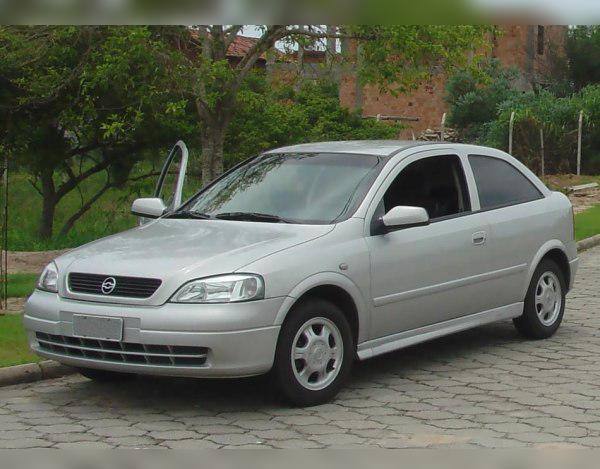
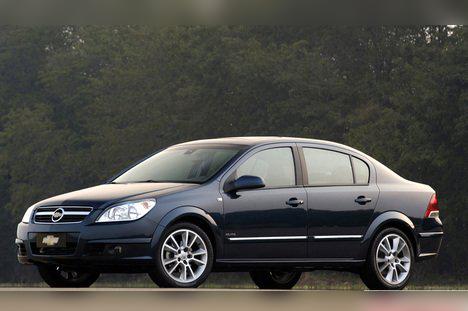
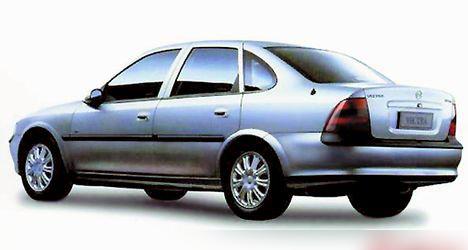
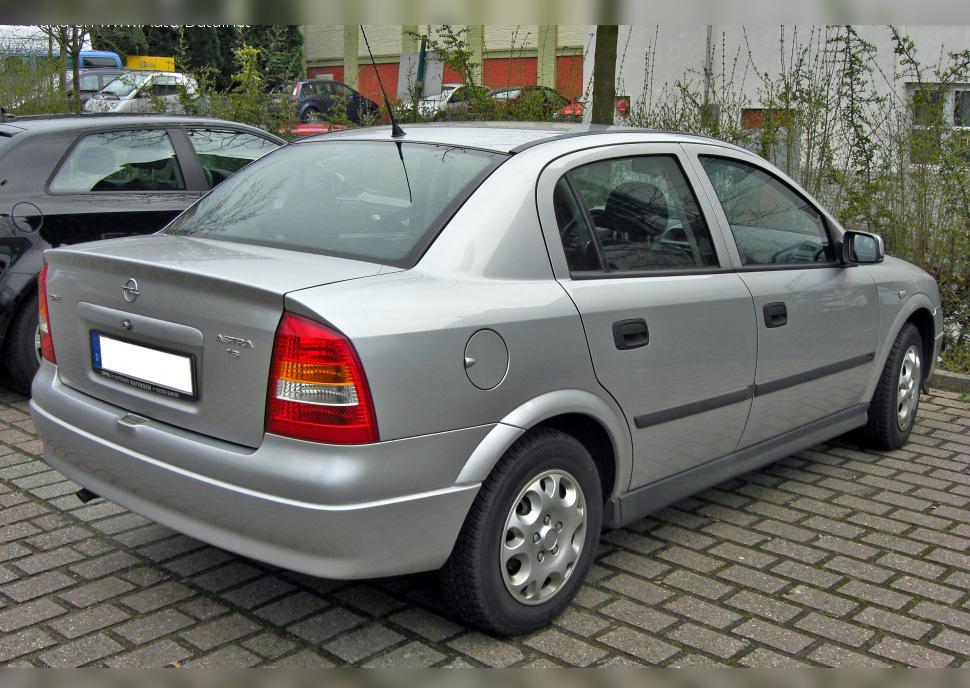
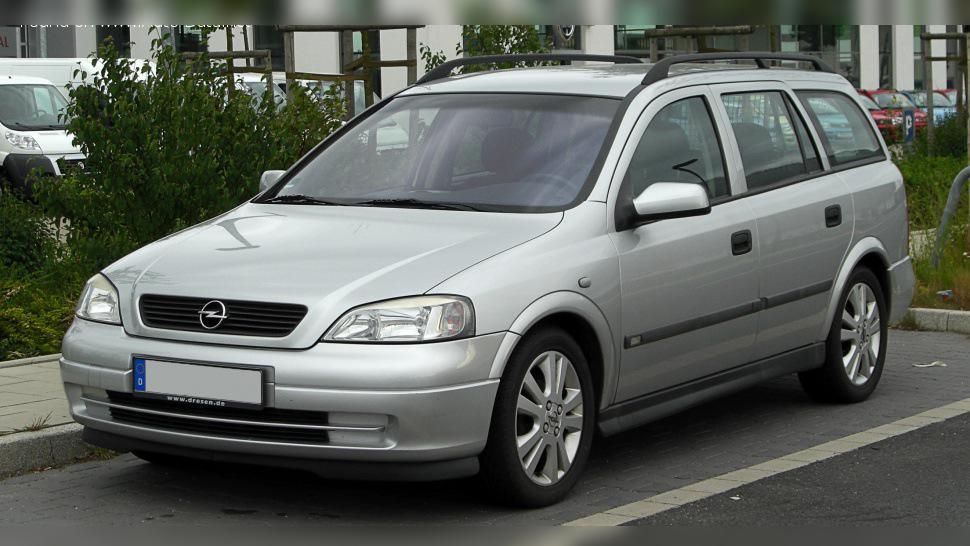
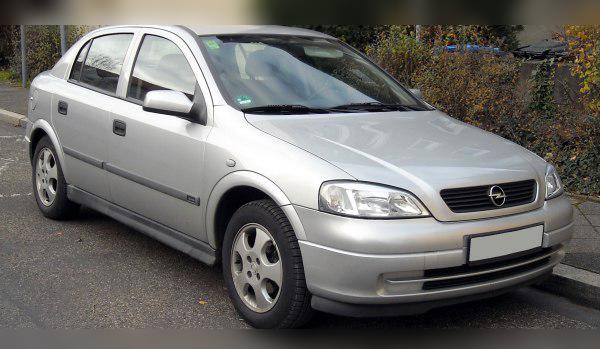
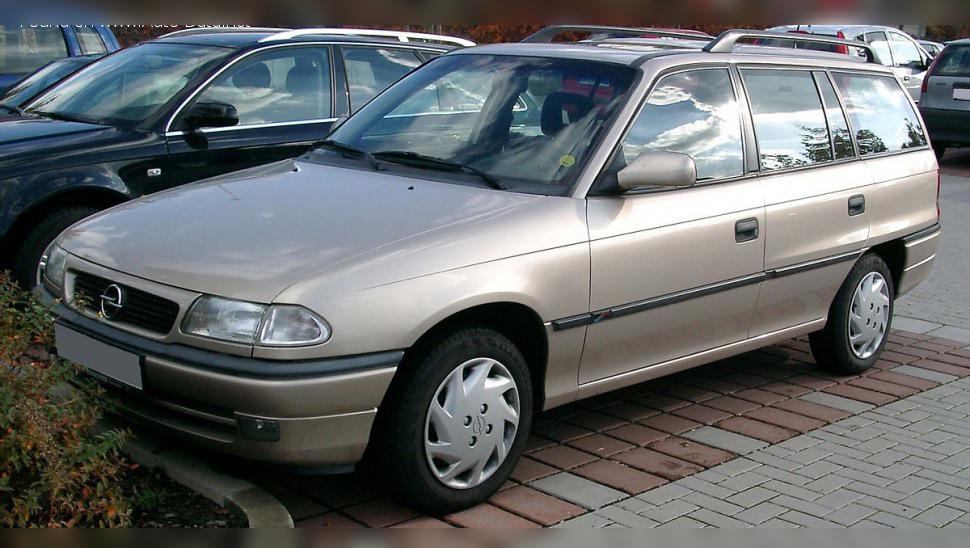
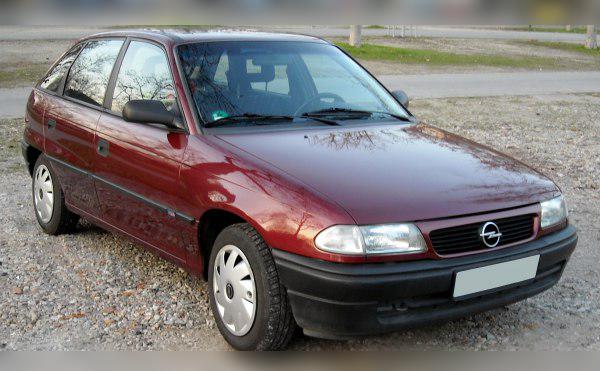
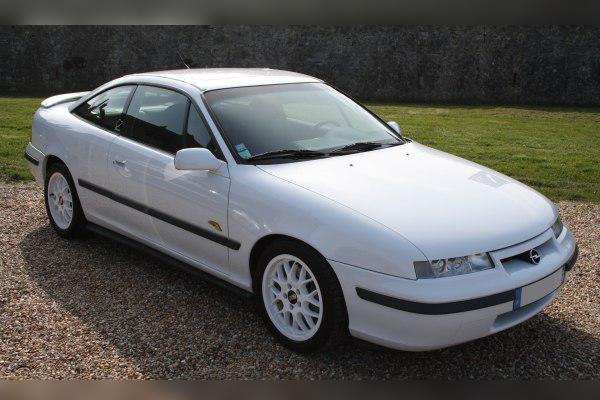
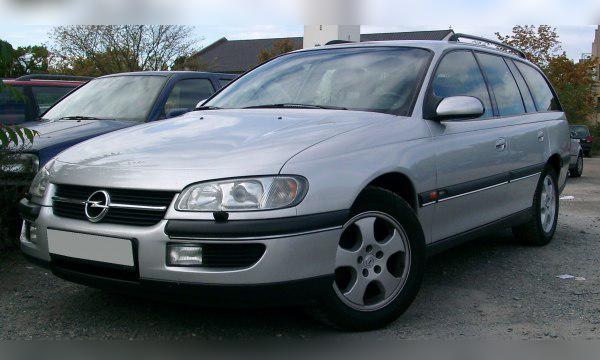
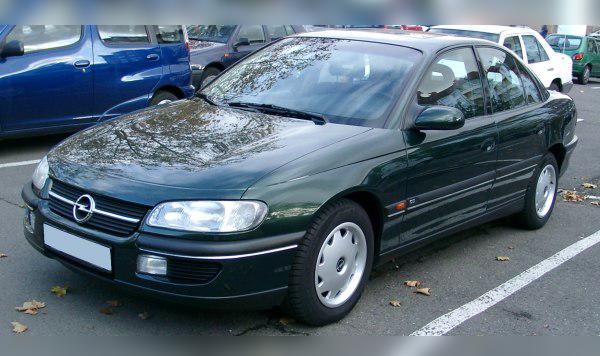
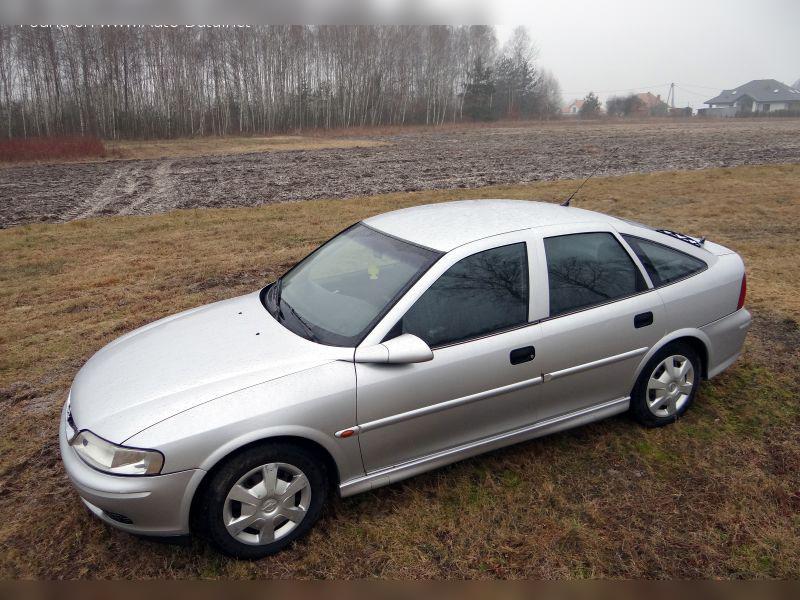
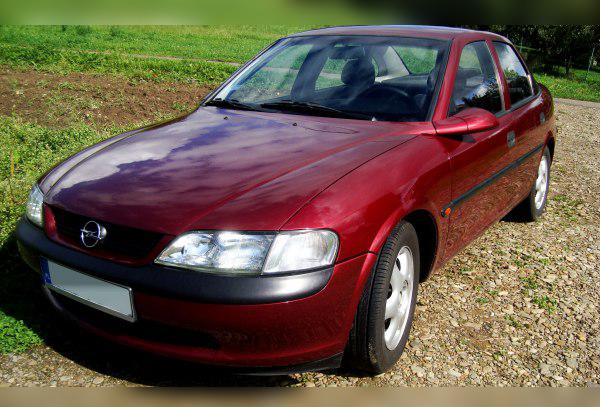
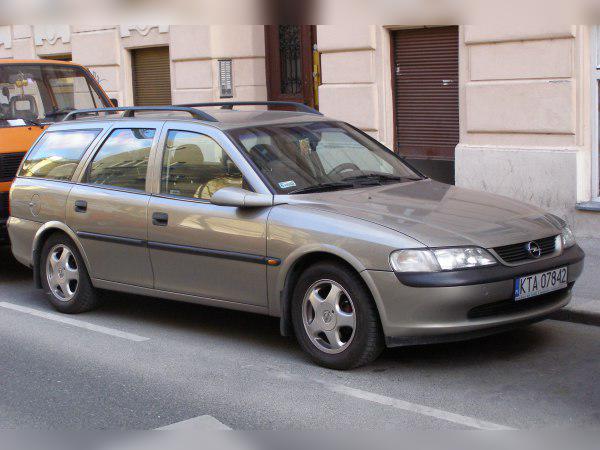
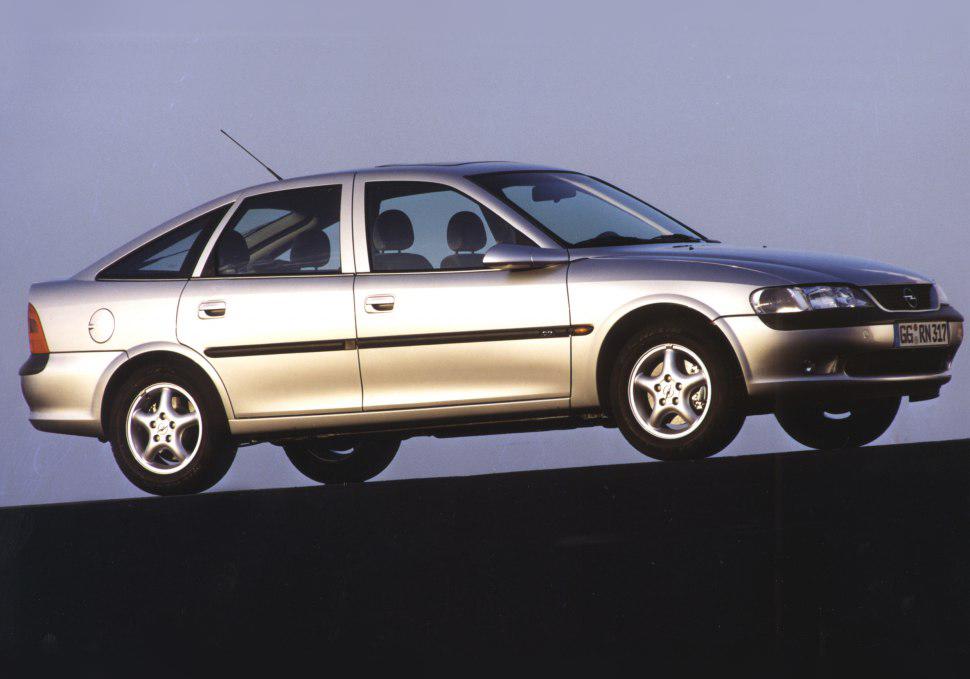
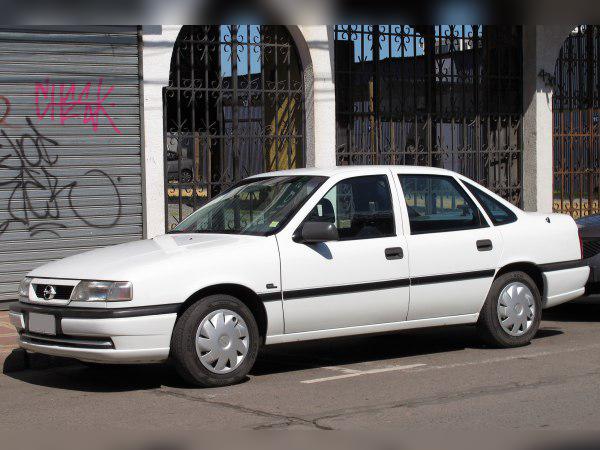
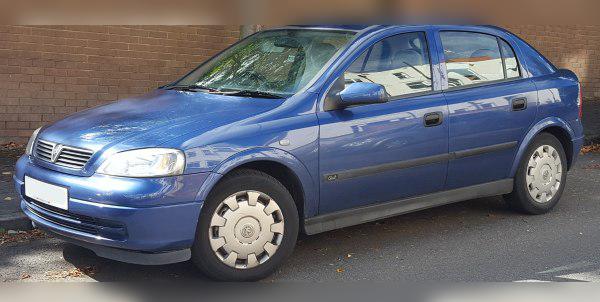
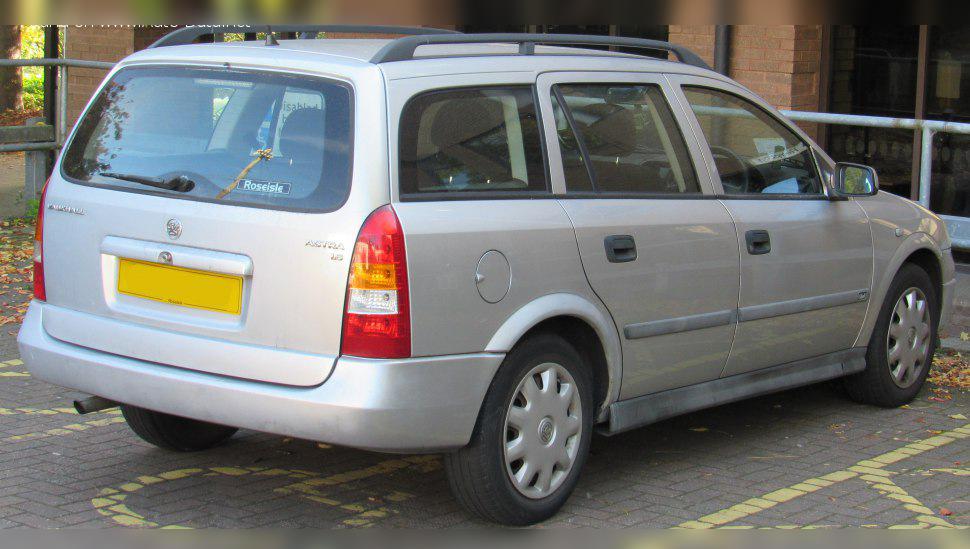
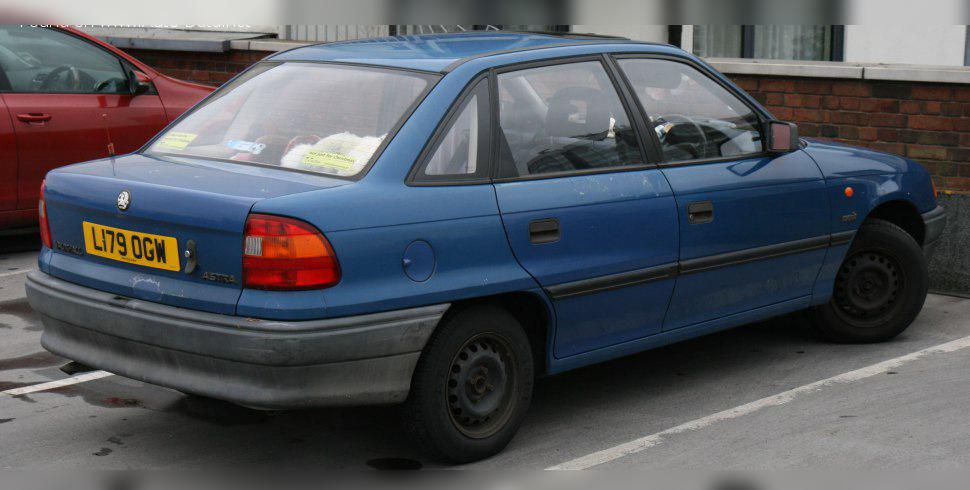
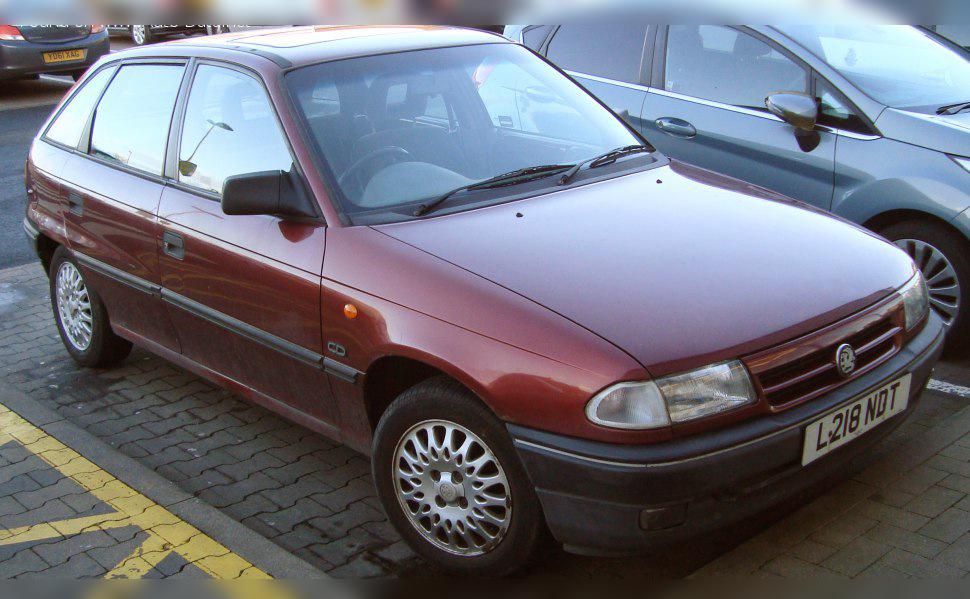
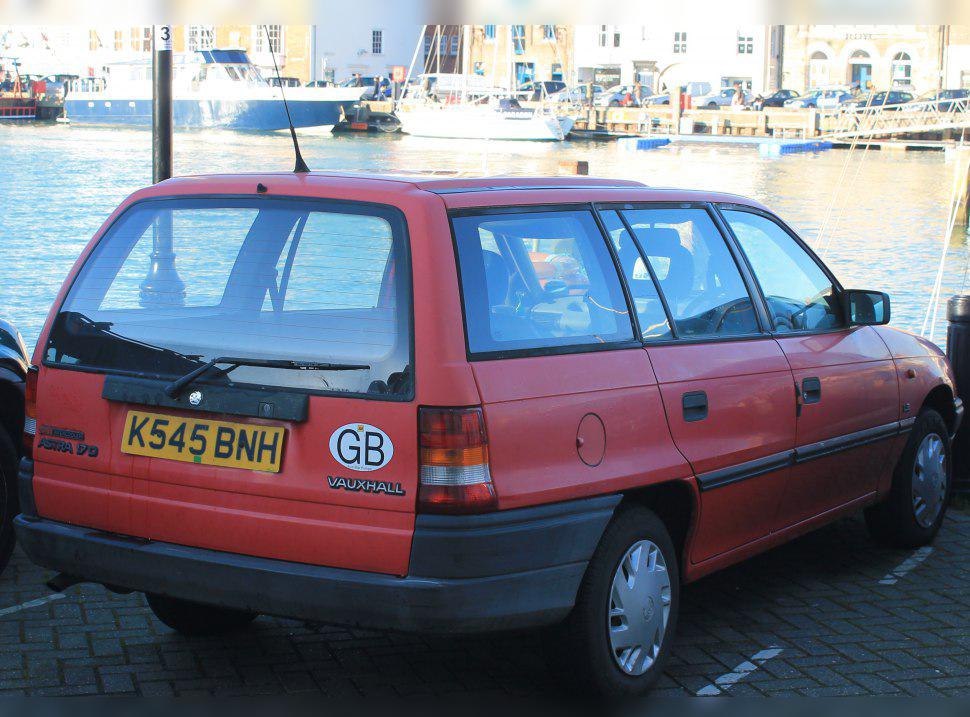
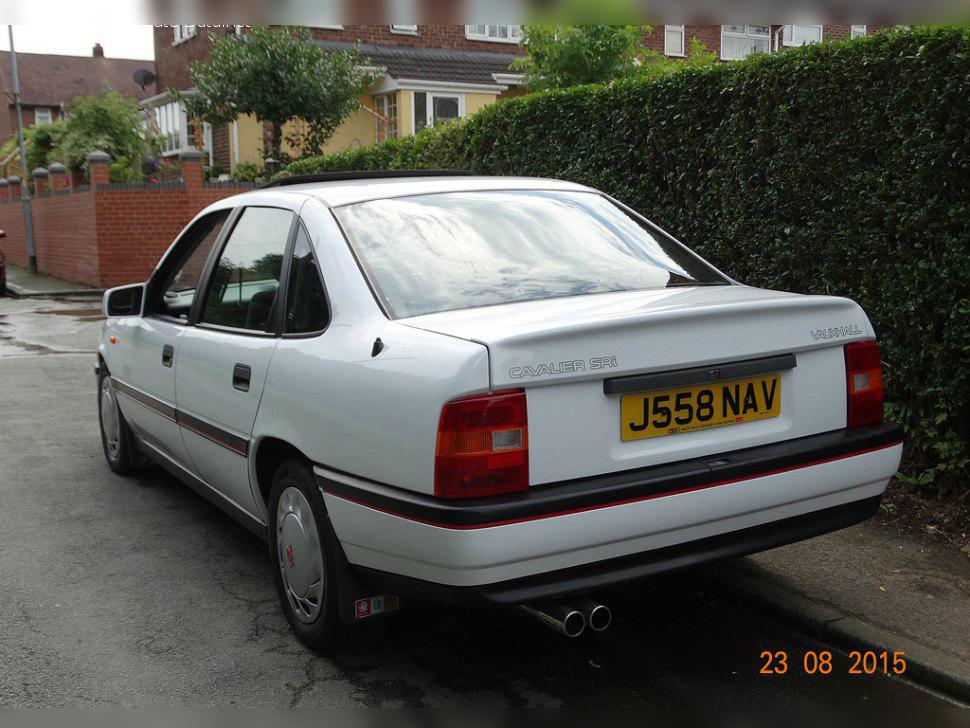
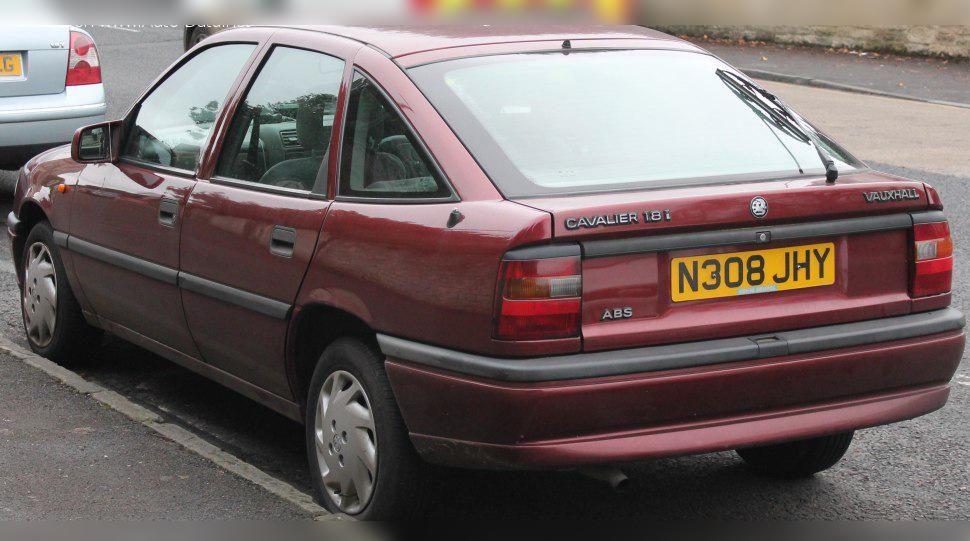
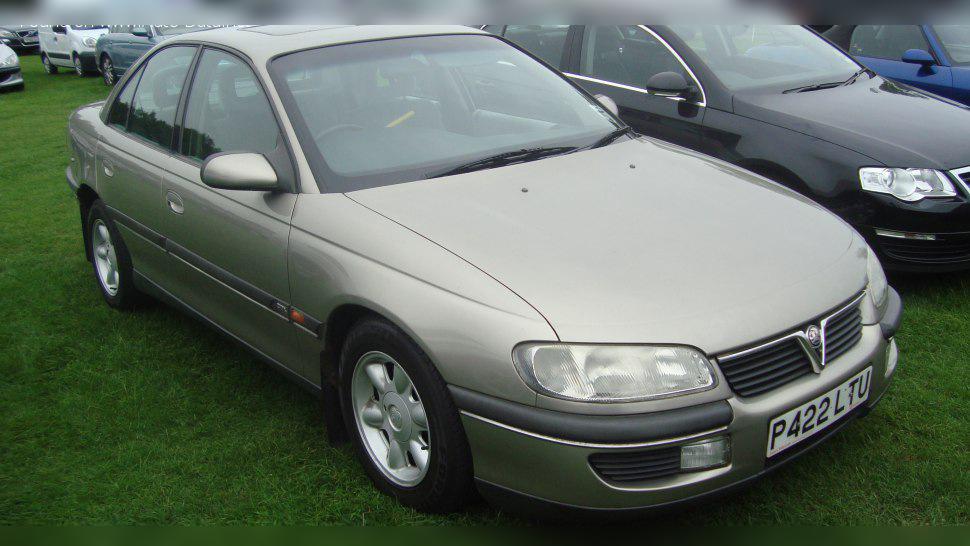
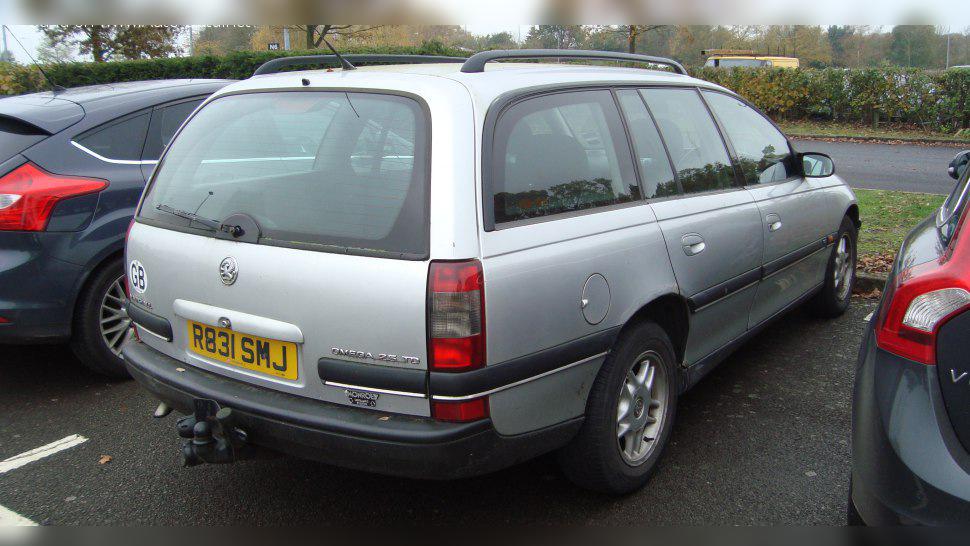
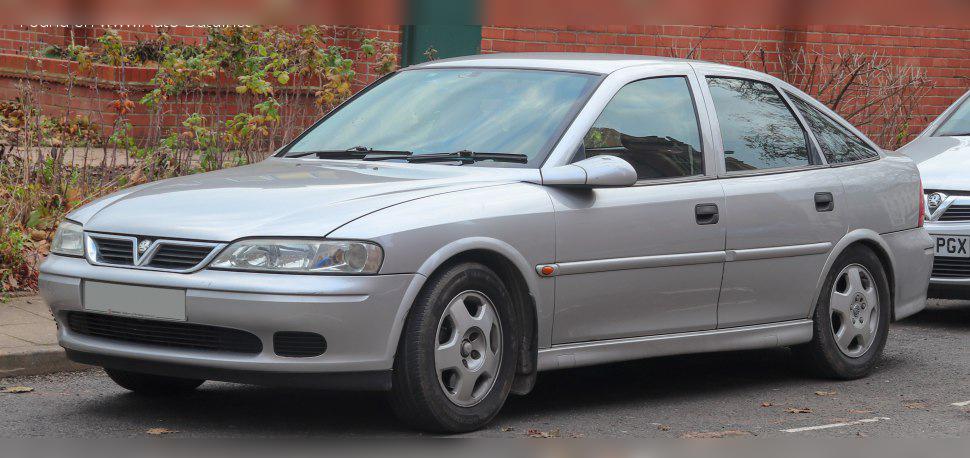
This engine was installed in almost the entire model range: from compact cars like the Astra F and G, through family sedans such as the Vectra A and B, the elegant Calibra, all the way to heavy rear-wheel-drive cruisers like the Omega B. Today it is rarely seen in perfect condition, but those who own it appreciate its exceptional reliability and mechanical simplicity.
Technical Specifications
| Engine displacement | 1998 cc |
| Power | 100 kW (136 hp) at 5600 rpm |
| Torque | 188 Nm at 3200 rpm |
| Engine code | X20XEV |
| Injection type | Multi-point sequential injection (MPI) |
| Induction | Naturally aspirated engine |
| Cylinder layout | Inline, 4 cylinders, 16 valves (DOHC) |
Reliability and Maintenance
When it comes to the timing system, the X20XEV uses a timing belt, not a chain. Maintaining the timing system is critical on this engine. The major service must be done every 60,000 km or every 4 years (whichever comes first). Why is this so important? If the timing belt snaps, or if the tensioners fail, the valves will definitely collide with the pistons. This results in severe engine damage, removal of the cylinder head, valve replacement and machining, which is a repair that nowadays can exceed the value of the car itself.
Most common failures and symptoms
Mechanically speaking, the bottom end of the engine (block, crankshaft, pistons) is virtually indestructible. However, the peripherals and electronics cause problems. The weakest point is the set of crankshaft and camshaft sensors. When one of these sensors fails (due to heat and aging of the wiring insulation), the driver will notice that the engine is harder to start, occasionally stalls at traffic lights, but the most obvious symptom is that the ECU limits the revs to exactly 4500 rpm for protection (limp mode), with the “Check Engine” light coming on in the instrument cluster.
Another common issue is the idle air control valve (IAC). Due to contamination by oil vapors, the idle speed starts to fluctuate (revs go up and down at idle), and in more severe cases the car stalls as soon as you press the clutch when approaching a junction. Cleaning solves the problem temporarily, but eventually the part has to be replaced.
Lubrication and service intervals
This engine takes about 4.5 liters of oil including the filter. Considering the tolerances from that era and the age of the engines themselves, semi-synthetic oil of grade 10W-40 is most commonly recommended, although some owners in colder climates have successfully used 5W-40 synthetic. Perform an oil service every 10,000 to 15,000 km, depending on driving conditions.
Does it use oil? Yes. The X20XEV is known for its valve stem seals hardening over time, and the oil control rings also often wear out. Consumption of 0.5 to 1 liter of oil per 1000 km on engines that have covered more than 300,000 km is considered almost “normal” and does not require urgent engine teardown as long as there are no other symptoms of low compression. Also, the valve cover gasket is a consumable item – it often starts leaking and fills the spark plug wells with oil, which leads to misfires while driving.
As for the ignition system, being a classic petrol engine, it requires spark plug replacement every 30,000 to 40,000 km. If you install higher-quality plugs with iridium or platinum cores, the interval can be extended, but given that standard plugs are very cheap, regular replacement is the most cost-effective option.
Specific Parts and Costs
The good news for your wallet is that this engine in most applications (Astra, Vectra, Calibra) does not have a dual-mass flywheel, but uses a robust solid (single-mass) flywheel. A possible exception is some later Omega B models, but even there they are rare. Clutch kit replacement is straightforward, and the price of the kit itself is not high (depends on the market).
This is a naturally aspirated engine, which means it does not have a turbocharger (neither one nor two), so you don’t have to worry about turbo cooling, whistling noises or expensive overhauls. The fuel injection system (Bosch or Simtec MPI) is extremely reliable. Petrol injectors rarely fail, and any issues usually arise only if the car is driven for years exclusively on LPG without using petrol, causing the injectors to seize. It is advisable to occasionally add a fuel system cleaner and drive on petrol.
Regarding emissions, this engine has no DPF filter and no AdBlue system (these technologies are reserved for modern diesels). However, it does have an EGR valve. On X20XEV engines, the EGR valve often fails due to soot build-up, especially if the car is driven mainly in the city. Symptoms of a clogged EGR include jerking under light acceleration and loss of power. Many owners resort to software or mechanical blanking (blocking) of this valve.
Another specific and very common weakness of this engine is cracking of the exhaust manifold. Due to thermal shocks, the cast iron cracks between the cylinders. The driver will notice this as a characteristic “ticking” sound when the engine is cold (similar to noisy hydraulic lifters). As the metal heats up and expands, the crack closes and the sound disappears. Used manifolds are usually already cracked, so welding by a specialist or fitting a freer-flowing aftermarket manifold is recommended.
Fuel Consumption and Performance
If you expect the fuel economy of modern engines, you will be disappointed. In city driving, real-world consumption is around 10 to 12 liters per 100 km in models such as the Vectra B, while in the heavier Omega B it often reaches a full 13 l/100 km. On open roads and highways, consumption can drop to a reasonable 7.5 liters.
Is the engine “lazy”? Due to longer gear ratios and emission restrictions (Ecotec), the engine feels slightly sluggish at low revs compared to older generations. It performs best between 3000 and 5000 rpm. In the lighter Astra F and G it offers quite good performance, while in the large Omega it is just “adequate” for safe overtaking, given the vehicle’s weight.
On the motorway, at 130 km/h in top gear (fifth gear on the manual gearbox), the engine cruises at around 3500 to 3700 rpm (depending on the exact gearbox model). Because of this, cabin insulation plays a big role; engine noise is clearly audible at these revs, although the powerplant itself has no problem sustaining this pace for long periods.
Additional Options and Modifications
By far the greatest advantage of this engine is its compatibility with LPG. The X20XEV has extremely durable valve seats and hydraulic lifters, so it does not require additional valve lubrication systems (so-called valve savers). Installing a sequential LPG system drastically reduces running costs, and the engine can cover hundreds of thousands of kilometers on gas without significant cylinder head issues.
When it comes to increasing power (remapping), the situation is clear: this is a naturally aspirated engine and a Stage 1 remap is not worth it. By increasing fuel pressure and modifying the ignition map you can gain at most 7 to 10 horsepower, which in practice is barely noticeable. For serious tuning, enthusiasts used to fit different camshafts or Lexmaul intake manifolds, but today this is financially completely unjustified given the age of the engine.
Gearbox and Drivetrain
Depending on the car and year of manufacture, various gearboxes were paired with the X20XEV. In front-wheel-drive cars (Astra, Vectra, Calibra) the most common are five-speed manual F18 and F23. The F18 gearbox had a factory flaw with the differential – under aggressive driving the differential pin could break and punch through the gearbox casing. The cable-operated F23 gearbox is much more robust and tolerates more abuse. The Omega (rear-wheel drive) used the R-series gearboxes (R25), which are extremely durable, with occasional issues with play in the gear selector linkages.
As for automatic gearboxes, proven Japanese Aisin four-speed automatics (AF20/AF22 and AR25) were offered. These automatic transmissions are “indestructible” if maintained properly, but with only 4 gears they significantly slow the car down and increase fuel consumption in city driving.
Although the manuals are factory-filled with “lifetime” oil, in practice it has been shown that it is necessary to change the oil in the manual gearbox every 80,000 km. If you have an automatic, changing the ATF fluid together with the gearbox filter is strictly recommended every 60,000 km, so that the clutch packs inside the gearbox are protected from fine metal particles.
Buying Used and Conclusion
When looking at a used car with the X20XEV engine, you must be aware that you are buying a vehicle that is over 20 years old. The first and main thing to check is not the engine, but the bodywork (corrosion on the arches, sills and around the suspension mounts is a serious weakness of Opels from that era). As for the engine itself, be sure to check the following:
- Listen to the engine when cold: Any knocking from the manifold area means a cracked exhaust manifold. Tapping from the top of the engine indicates worn hydraulic lifters due to irregular oil changes.
- Watch the exhaust: Ask the seller to rev the engine while you look at the tailpipe. Bluish smoke when the throttle is released is a clear sign of worn valve stem seals, while constant blue smoke indicates bad piston rings.
- Diagnostics: Connect the car to an OBD scanner. Check the fault history – codes P0340 (camshaft sensor) or P0335 (crankshaft sensor) are common and easy to fix, but they can be used as a bargaining chip when negotiating the price.
- Test drive: The car must have a stable idle. If it fluctuates or the car stalls, the idle control valve is either faulty or heavily contaminated. Acceleration above 4500 rpm must be smooth and continuous.
Conclusion: Who is this engine for?
Opel’s 2.0 16V Ecotec (X20XEV) is intended for drivers on a modest budget who want a strong, cheap-to-maintain and proven engine. It is ideal in combination with LPG for covering high mileages with minimal fuel costs. It is not for racers or for those obsessed with the latest technologies. Its failures are predictable and most mechanics can repair them with their eyes closed. The biggest challenge today is not finding a good engine of this type, but finding a car around it that is not completely rotten.