Opel V6 classic: X25XE (170 hp) – Experiences, issues, fuel consumption and buying used
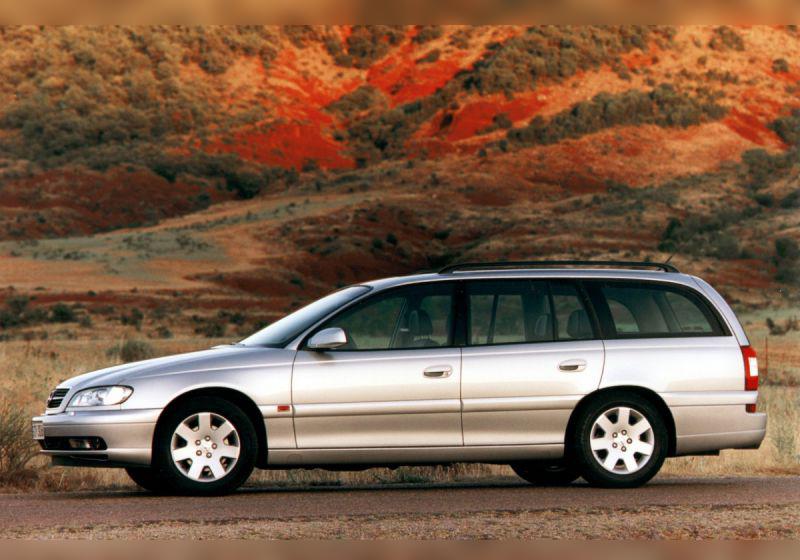
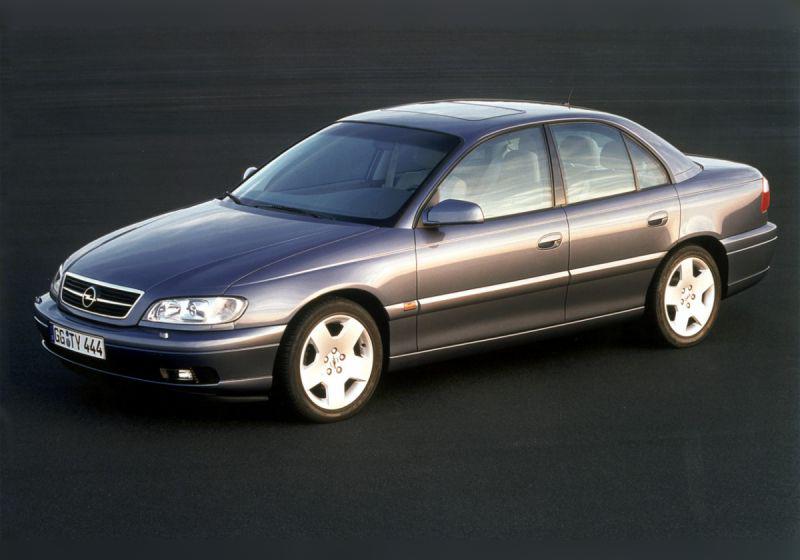
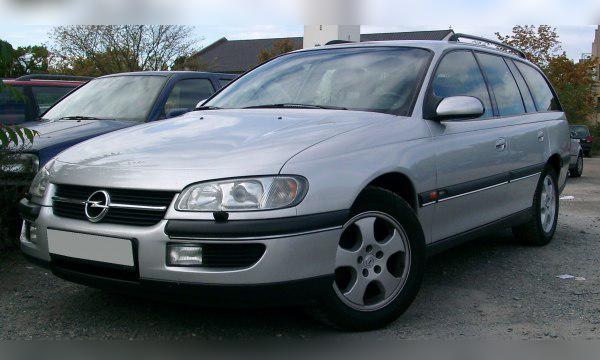
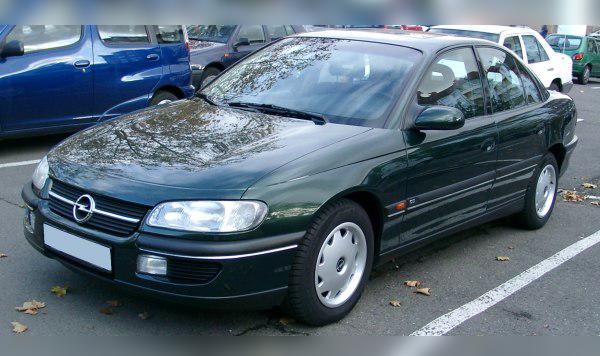
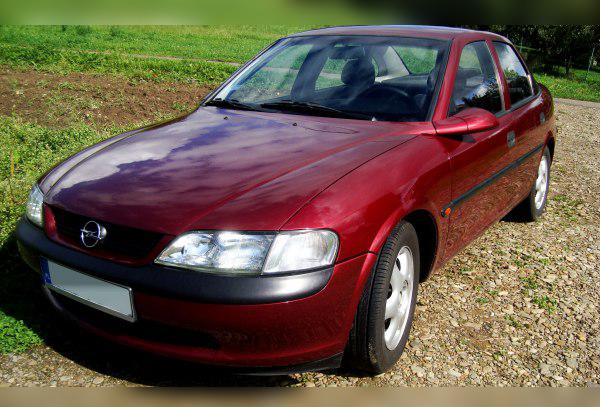
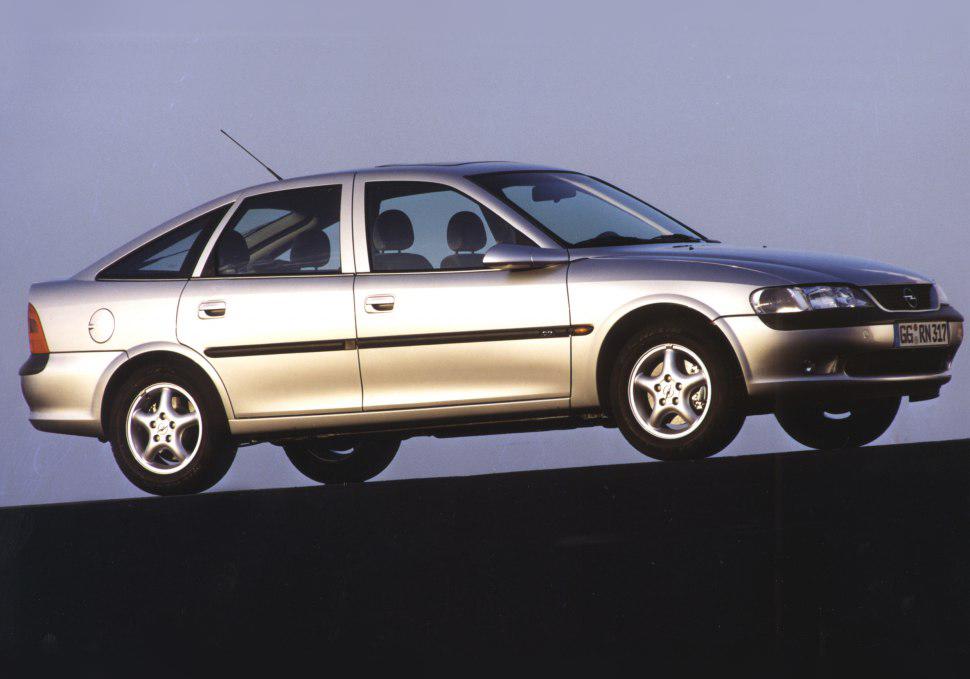
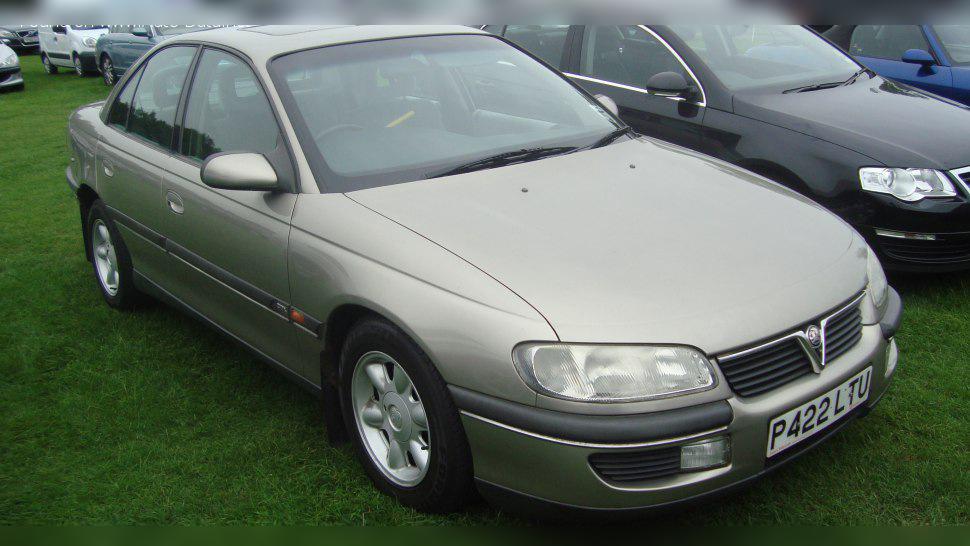
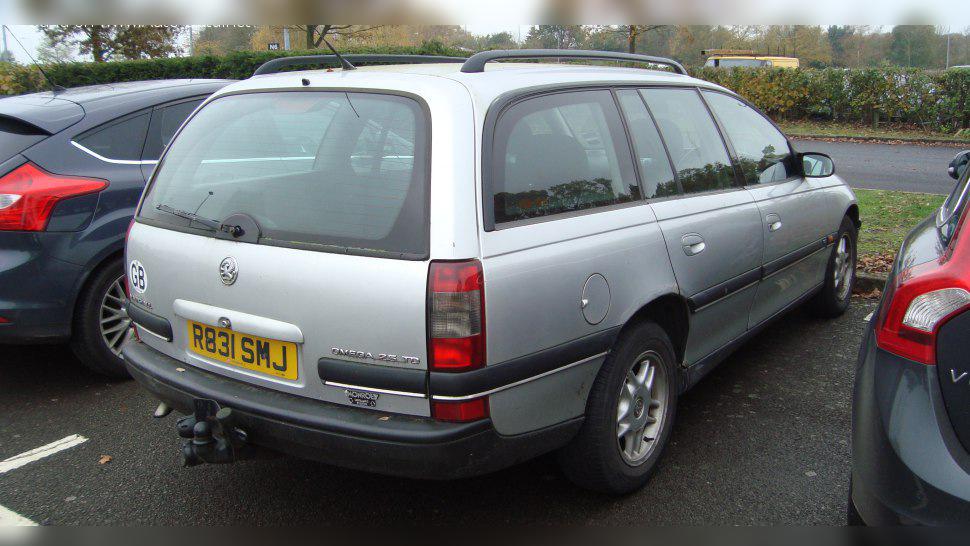
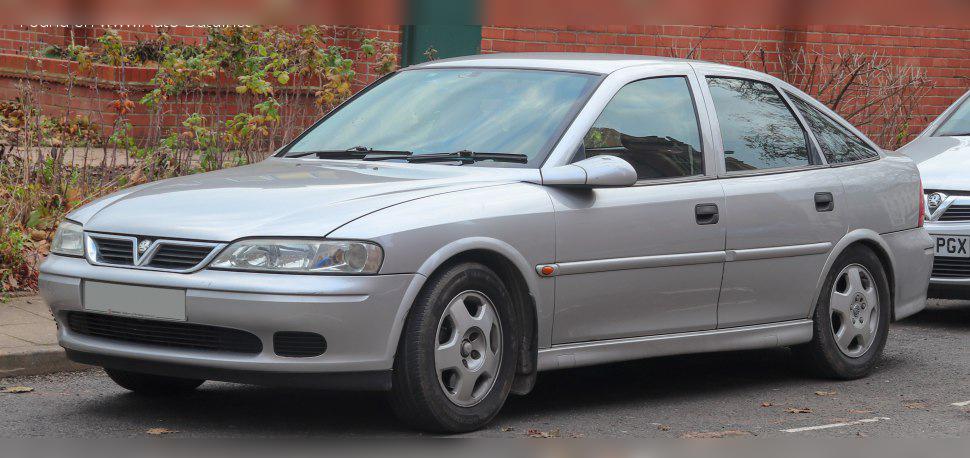
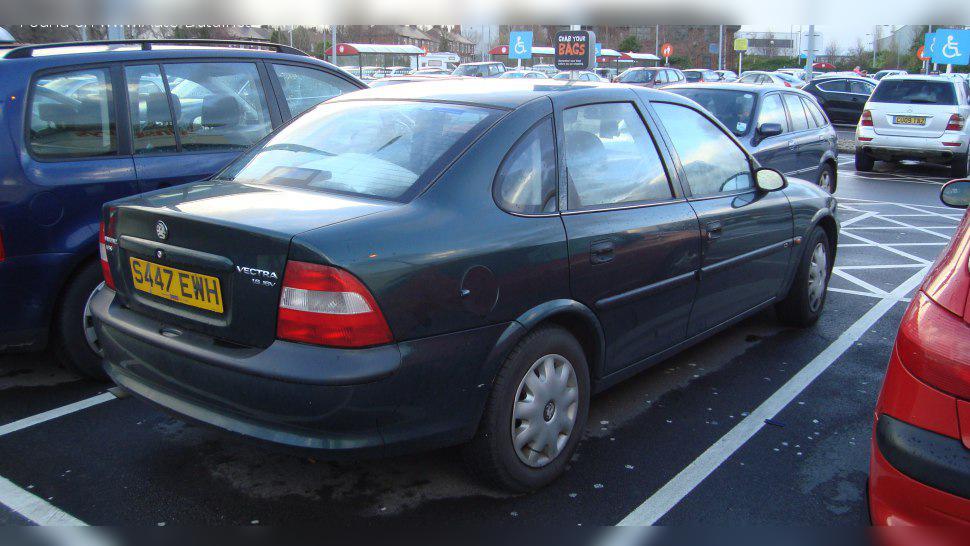
Back in the nineties and early 2000s, when sedans ruled the roads, Opel (and its British sister brand Vauxhall) installed the X25XE engine in its flagships – the Omega B and Vectra B. As an experienced technical editor, I can tell you this is a textbook example of the "old school" of engine design: a big, well‑tuned V6 with no artificial aids. However, this is not an engine you can neglect. It requires a good mechanic and dedicated maintenance, but in return it offers a wonderful sound and excellent long‑distance comfort.
Key points (TL;DR)
- Great cruiser: Extremely quiet and smooth, ideal for long highway journeys.
- High fuel consumption: In city driving expect 13 to 16 l/100 km.
- LPG is a lifesaver: The engine works very well with sequential LPG systems.
- Expensive and complicated major service: The timing belt is a nightmare for inexperienced mechanics and will snap if the interval is exceeded.
- Oil leaks: Chronic issues with plastic valve covers and the oil cooler located in the engine’s "V".
- No turbo, no DPF, no AdBlue: A classic naturally aspirated engine that demands regular fluid changes and quality spark plugs.
Contents
- Technical specifications
- Reliability and maintenance
- Specific parts and costs
- Fuel consumption and performance
- Additional options and modifications
- Gearbox (Manual and Automatic)
- Buying used and Conclusion
Technical specifications
| Engine code | X25XE (V6, 24 valves) |
|---|---|
| Displacement | 2597 cc (Note: The original X25XE is classified as 2.5L, but in later iterations and derivatives such as the Y26SE it falls under the 2.6L class. Here we treat it as a classic 2.5 V6.) |
| Power | 125 kW (170 hp) at 6000 rpm |
| Torque | 250 Nm at 3200 rpm |
| Injection type | Bosch Motronic (multi‑point indirect injection) |
| Aspiration | Naturally aspirated engine |
| Fuel | Petrol (Gasoline) |
Reliability and maintenance
Belt or chain? Major service is critical!
This engine uses a timing belt, and it is probably the single most important item on the entire car. The layout is complex – the belt drives four camshafts via several idlers and tensioners, as well as the water pump. The major service must be done every 60,000 km or every 4 years (whichever comes first). Given the age of these cars, it’s advisable to do it even earlier. If the belt is not replaced in time and snaps, the valves will hit the pistons and the engine will require a full rebuild or replacement. Replacement requires special camshaft locking tools and is not a job for a backyard mechanic.
Most common failures and “childhood diseases”
This unit is not prone to catastrophic internal failures of the crankshaft or pistons, but it suffers from very annoying peripheral issues:
- Oil leaks from valve covers: The covers are plastic and, over time and due to high temperatures, they warp and lose their flatness. Simply replacing the gasket rarely gives a long‑term solution. Symptoms: smell of burnt oil in the cabin (oil dripping onto the hot exhaust manifold) and engine misfire (oil fills the spark plug wells and damages the coil pack / DIS module).
- Oil cooler in the “V” of the engine: Between the two cylinder heads sits a stainless‑steel oil cooler. Its seals can fail, causing the engine to mix oil and coolant, which creates a “mayonnaise” in the expansion tank. This is often misdiagnosed as a blown head gasket.
Engine oil and oil consumption
The X25XE takes about 5.75 litres of oil (including the filter). The factory recommendation back in the day was 10W‑40, but today, for better lubrication at cold start (especially for the hydraulic lifters), experienced mechanics usually go for 5W‑40 synthetic. The engine naturally consumes some oil between services. Up to 0.5 litres per 1000 km is considered normal. If it consumes more than that (and emits bluish smoke from the exhaust on cold start or when you lift off the throttle), the problem is usually hardened valve stem seals due to age.
Spark plug replacement interval
The recommended spark plug replacement interval is 30,000 to 60,000 km, depending on whether the car runs on LPG – with LPG they should be replaced earlier. On the Omega (longitudinal engine) access to the rear plugs is difficult, while on the Vectra (transverse engine) you need to remove part of the intake manifold to reach the rear bank of cylinders (cylinders 1, 3 and 5). Because of this, mechanics often charge more labour for this job.
Specific parts and costs
Injection system, turbo and emissions
Fortunately, this is a classic petrol engine. There is no turbocharger, which means no turbo‑related issues. The injection system is the proven Bosch Motronic MPI. The petrol injectors are incredibly reliable and rarely fail; the only problem can arise if the car has been driven mostly on LPG, so the petrol injectors have “seized” from lack of use. In that case, ultrasonic cleaning is required.
This engine does not have a DPF filter nor an AdBlue system (those are technologies for newer diesels). However, it does have an EGR valve for exhaust gas recirculation. The EGR can clog up with soot, causing rough idle and hesitation at low revs. Mechanics and owners often block it off physically and in the software, which lets the engine “breathe” more freely.
Dual‑mass flywheel
Yes, versions with a manual gearbox are equipped with a dual‑mass flywheel. Its role is to dampen the V6 engine’s vibrations before they reach the gearbox. Symptoms of wear include knocking when starting and shutting off the engine, as well as strong vibrations in the clutch pedal. A clutch kit with dual‑mass flywheel for this engine is considered expensive to very expensive (depending on the market). Automatic gearboxes do not have a dual‑mass flywheel (they use a torque converter).
Fuel consumption and performance
City driving
If you’re looking for a car for stop‑and‑go city traffic, skip the X25XE. Due to the heavy body (the Omega weighs over 1.6 tons) and V6 configuration, real‑world city consumption is 13 to 16 litres of petrol per 100 km. If it’s an automatic, winter consumption easily approaches the upper end of that range.
Is the engine “lazy”?
By today’s turbo standards, where maximum torque is available from around 1800 rpm, this V6 feels a bit “lazy” below 3000 rpm. However, it depends on the car: in the lighter Vectra B the engine is fairly lively, while in the heavier Omega it needs to be revved higher (over 3500 rpm) for you to really feel its 170 horsepower. Its charm lies in linear acceleration and a steady pull all the way to the redline.
Behaviour on the motorway
This is its natural habitat. The engine is barely audible. At 130 km/h in fifth gear with the manual gearbox, it cruises at a very relaxed ~3000 to 3200 rpm. Thanks to the good power reserve at those speeds, overtaking is smooth and often possible without downshifting. Highway fuel consumption drops to around 8–9 l/100 km.
Additional options and modifications
LPG – a lifesaver for your wallet
The X25XE is perfect for a sequential LPG system. The upper part of the intake manifold is aluminium, so it requires precise drilling so that the LPG injector angles follow the intake angle, but any average LPG specialist can handle that. LPG literally halves running costs. The only downside is that on the Omega the tank is usually installed in the boot (unfortunately, there’s no space in place of the spare wheel if you want a larger capacity without ruining the boot geometry on saloons, although it’s doable on the Caravan/estate). The important thing is to replace the LPG filters regularly every 10,000 km.
Should you “chip” it (Stage 1)?
The short answer: No. On naturally aspirated petrol engines without a turbo, Stage 1 chiptuning brings at most 10 to 15 hp and a few extra newton‑metres. You won’t feel a significant difference in everyday driving, and the cost of remapping is not worth it. It’s better to invest that money in new valve covers and refreshing the ignition system (spark plugs and leads).
Gearbox (Manual and Automatic)
Types of gearboxes and common issues
There are significant differences between the platforms:
- Omega B (rear‑wheel drive): Paired with manual gearboxes coded R25 or R28. These gearboxes are virtually indestructible, but the gear selector (shifter) tends to wear, making the shift feel “rubbery”. The automatic gearbox is the GM AR25, a classic 4‑speed unit. It’s reliable but very slow to shift.
- Vectra B (front‑wheel drive): Uses the manual F25. It has a long shifter throw but is robust. The automatic is usually the Japanese Aisin AW50‑40, also a 4‑speed, more durable than the GM unit in the Omega but similarly sluggish.
Failures on manual gearboxes are very rare, usually limited to ageing oil seals. On automatics, the biggest problems are failed solenoids and a worn torque converter. Symptoms of a failing automatic include jerks when shifting from “N” to “D”, delayed gear changes, or harsh “kicks” when the gearbox downshifts on an incline.
Gearbox service intervals
For automatic gearboxes, the ATF oil and filter should be changed every 60,000 km. Unfortunately, many owners ignore this, which leads to the above‑mentioned failures that are expensive (depending on the market) to repair. For manuals, the manufacturer specified “lifetime” oil, but according to good workshop practice it’s advisable to check the oil level and top up or fully replace it at 80,000 to 100,000 km. The oil capacity of the manual is about 1.9 litres.
Buying used and Conclusion
What to check before buying?
- Visual inspection under the bonnet: Use a flashlight to inspect the “V” between the two cylinder heads. If there’s oil or coolant pooling there, the oil cooler is leaking. Remove the decorative engine cover and check the edges of the valve covers. If they’re oily and caked in grime, you’re looking at removing the intake manifold and replacing them (not a small job).
- Noise on cold start: Let the car sit overnight before starting it. Listen for metallic “rattling” during the first 3 to 5 seconds. That’s the hydraulic lifters. If they quiet down quickly, it’s fine. If they keep tapping while the engine warms up, the engine has been poorly maintained and the oil hasn’t been changed regularly.
- Expansion tank: Open the coolant expansion tank. The coolant should be clean (clear red/pink or blue). If there’s sludge the colour of milky coffee (“mayonnaise”) on the cap, walk away from that car or demand a serious price reduction.
- Running on LPG: If the car has LPG, test it at idle, blip the throttle sharply and let it drop. It must not shake or stall. Switch to petrol and make sure it behaves the same – faulty petrol injectors are a common problem on LPG‑equipped cars.
- Major service history: If the seller cannot clearly prove when the timing belt was last changed (invoice or service booklet), immediately factor the cost of a full major service into your initial post‑purchase expenses. Relying on “trust me, it was done” with this engine is a recipe for disaster.
Final verdict: Who is this engine for?
Opel’s X25XE V6 is now something of a reserved classic. It’s not for beginners, nor for someone who just wants an economical A‑to‑B city runabout. Its upkeep requires enthusiasm, a good workshop (with proper tools for timing a V6) and a budget ready for higher fuel consumption and wear items (such as the entire front suspension on the heavy Omega, which suffers under the engine’s weight).
However, for drivers who appreciate the velvety operation of a naturally aspirated V6, cabin silence at high speeds and the comfort once offered by 1990s cruisers – especially with a well‑tuned LPG system that cuts running costs – this engine is a great ticket into the world of a forgotten, robust automotive era.