Engine X30XE (Opel 3.0 V6 211 HP): Experiences, problems, fuel consumption and used-car buying tips
- Fantastic sound and refinement: A true old-school V6 that cruises effortlessly on the open road.
- Prone to oil leaks: Valve cover gaskets and the oil cooler located in the “V” of the engine are weak points.
- Timing drive: Uses a timing belt whose replacement is complicated and requires special tools.
- Fuel consumption: Extremely high in city driving, but the engine is excellent for LPG (autogas) conversion.
- Maintenance: No expensive modern emissions systems (DPF, AdBlue), and no fragile turbochargers.
- Buyer recommendation: Only for enthusiasts who are ready for regular maintenance and can tolerate high fuel consumption.
Contents
- Introduction: About the model and engine
- Technical specifications
- Reliability and maintenance
- Specific parts and costs
- Fuel consumption and performance
- LPG and chiptuning
- Transmissions: Manual vs Automatic
- Buying used and conclusion
Introduction: About the model and engine
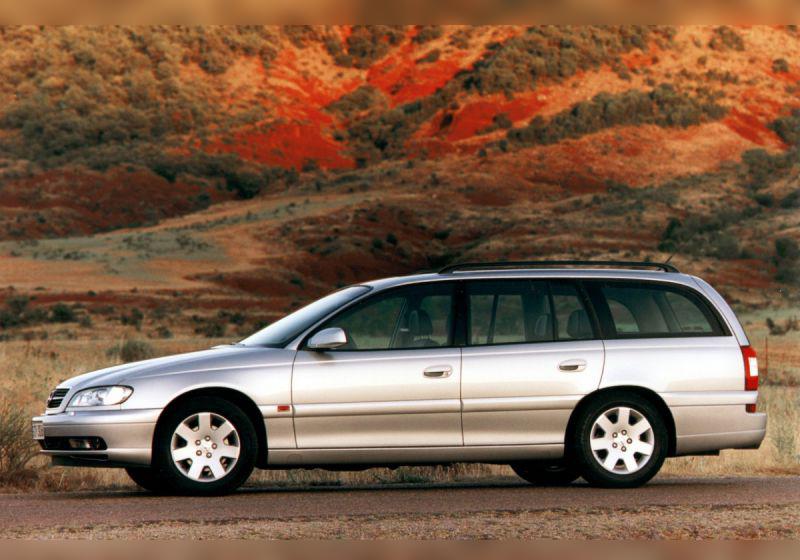
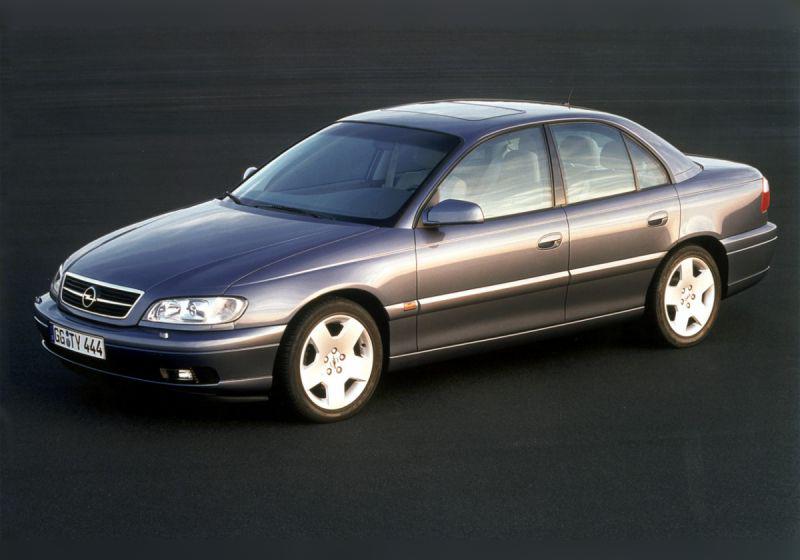
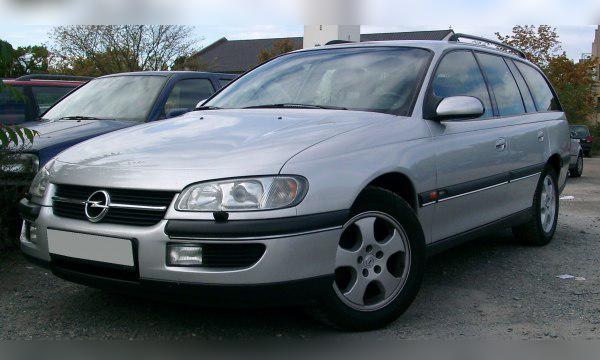
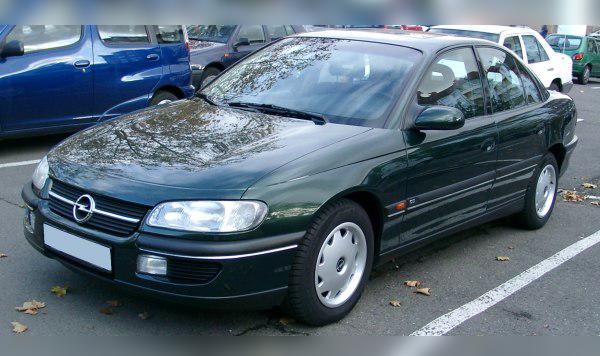
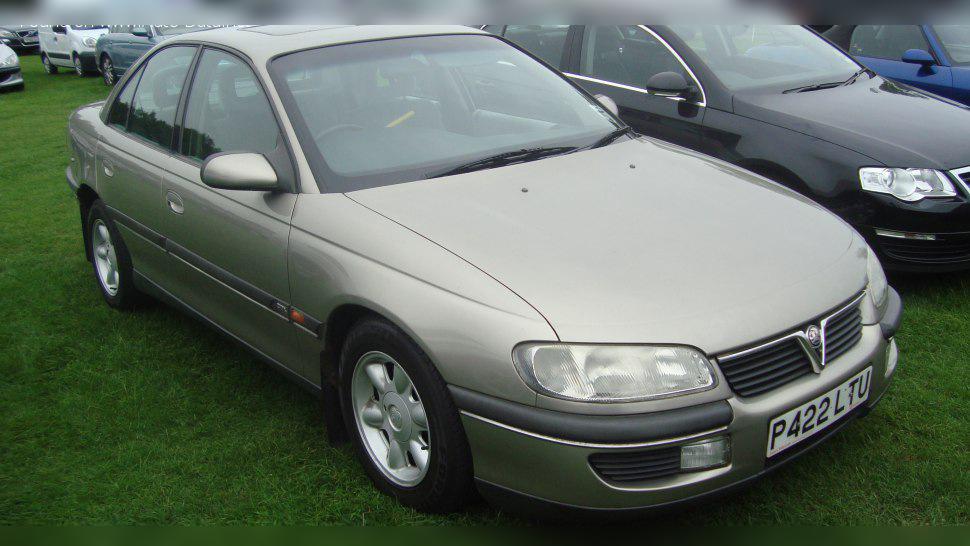
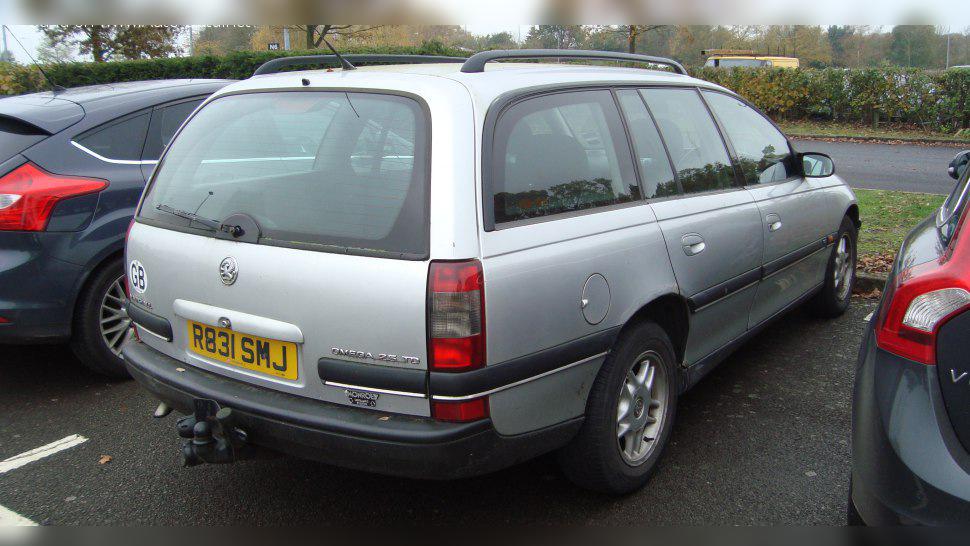
The X30XE engine represents the peak of Opel’s lineup from the nineties and early 2000s. It belongs to GM’s L81 engine family (54-degree V6). It was mainly installed in upper mid-class sedans, and is best known for powering Opel (and Vauxhall) Omega B, both pre- and post-facelift (1999). This powerplant was designed to be a smooth, reliable and strong cruiser that can run for hours on the motorway at high speeds.
Technical specifications
| Specification | Data |
|---|---|
| Engine displacement | 2962 cc (3.0 V6) |
| Engine power | 155 kW (211 HP) |
| Torque | 270 Nm |
| Engine code | X30XE |
| Injection type | Multi-Point Injection (MPI) – Indirect |
| Aspiration | Naturally aspirated – No turbo |
Reliability and maintenance
Timing system (Belt or chain)
The X30XE engine uses a timing belt. The timing system is quite complex because the belt drives four camshafts. Due to this complexity, replacement requires precision and the use of special camshaft locking tools. A snapped belt leads to total engine failure (pistons hitting valves), so respecting the service interval is crucial.
Major service and regular maintenance
A full timing service is strongly recommended every 60,000 km or every 4 years. The replacement includes the belt, tensioners, idler pulleys and water pump. Since the engine is mounted longitudinally, access to the front is decent, but the job itself is demanding.
Oil, viscosity and oil consumption
This V6 takes about 5.75 liters of oil. The recommended viscosity is 10W-40 or 5W-40 quality synthetic/semi-synthetic. Some oil consumption is normal. A tolerable limit is up to 0.5 l per 1000 km. If it uses more, the problem is usually valve stem seals that harden over time due to high operating temperature, or leaks at the gaskets.
Most common failures
Like any older engine, it has its typical weak spots and age-related issues:
- Oil leaks at the valve covers: The valve covers are plastic and deform over time from heat, and the gaskets lose their seal. Oil then runs into the spark plug wells, which causes coil pack arcing and misfires. Replacing the covers with aluminum ones from the Vectra B 2.5 often solves the problem.
- Oil cooler: It is located between the two cylinder heads, in the “V” of the engine. When it fails, it mixes oil and coolant, which can falsely suggest a blown head gasket. Replacement is very labor-intensive.
- Crankshaft and camshaft sensors: They often fail due to age and heat. Symptoms include the engine stalling while driving, hard hot starts, or the “Check Engine” light coming on with the car going into limp mode.
Spark plugs
As a classic petrol engine, it requires spark plug replacement every 60,000 km (or earlier if running on LPG). The complication is that to access the plugs on one bank you need to remove the intake manifold (plenum), which increases labor cost.
Specific parts and costs
If the car has a manual gearbox, it uses a dual-mass flywheel. Its purpose is to dampen the vibrations of the strong V6 and protect the gearbox. Replacing the clutch kit together with the dual-mass flywheel is quite an expensive job (depends on the market).
The fuel injection system is a classic multi-point setup, without high-pressure pumps. The petrol injectors are extremely robust, rarely fail and do not require any special treatment, apart from occasional ultrasonic cleaning after many years of use.
This engine was designed in the nineties, so we can proudly list what it doesn’t have: no turbocharger, no DPF filter, and no AdBlue system. That drastically reduces potential repair costs. It does have an EGR valve, which can get clogged and cause an unstable idle, but many owners successfully blank it off without major consequences for engine operation.
Fuel consumption and performance
This is not an engine for those who count every liter of fuel. Real-world consumption in stop-and-go city driving is between 14 and 18 liters per 100 km. In winter and with an automatic gearbox, that figure tends toward the upper end.
Despite the weight of the Opel Omega, 211 HP and 270 Nm are more than enough. The engine is by no means “lazy”, but don’t expect aggressive, sporty acceleration that pins you to the seat. Its power delivery is linear. On the open road it is brilliant. On the motorway, at 130 km/h, it cruises at a very relaxed and quiet 2500 to 3000 rpm (depending on the gearbox), with fuel consumption of about 9 to 10 l/100 km.
Additional options: LPG and chiptuning
The X30XE engine is a perfect candidate for LPG (autogas) conversion. Its valves tolerate gas very well. You need a quality sequential system with a strong vaporizer and fast injectors that can keep up with 211 HP. With a proper map, the difference in performance between petrol and LPG is virtually unnoticeable, while running costs are cut in half.
When it comes to “chipping” (Stage 1), since this is a naturally aspirated engine, the gains are minimal. Remapping can extract only about 10 to 15 HP more. In practice this is not worth the cost, as you won’t really feel the difference. It’s better to focus on a healthy intake and exhaust system.
Transmissions: Manual vs Automatic
Two basic types of gearboxes were paired with the X30XE (rear-wheel drive):
- Manual (5-speed, R28 series): A very robust gearbox. Its biggest potential issue is the already mentioned dual-mass flywheel. It is recommended to change the oil in the manual gearbox at around 100,000 km, although many owners forget about it.
- Automatic (4-speed, AR35 series): A classic old-school torque converter automatic. It is very slow by today’s standards, but shifts smoothly. Its biggest problem is owner neglect. The oil and filter must be changed every 60,000 km. If this is ignored, the valve body will suffer, and the gearbox will start to jerk and slip.
Buying used and conclusion
What to check before buying?
If you are buying a car with the X30XE engine, pay attention to the following:
- Cooling system: Unscrew the coolant reservoir cap. If you see a greasy sludge inside, similar to mayonnaise, the oil cooler in the “V” has failed. The repair is labor-intensive.
- Oil leaks: Look around the exhaust manifolds. If you smell burning oil in the cabin while the car is idling, the valve cover gaskets are leaking.
- Noise at startup: Listen to a cold start. Any excessive rattling from the hydraulic lifters or whining from the timing area indicates a worn oil pump or an old timing belt.
- Exhaust: Rev it hard up to the limiter when it’s fully warmed up. If it blows blue smoke, the valve stem seals and piston rings are due for replacement.
Who is this engine for?
The X30XE engine is intended exclusively for fans of old-school technology, large sedans (or estates) with rear-wheel drive, and enthusiasts of the GM group. This is not a car for delivery work or short city commutes. It is a wonderful machine for weekend motorway trips and, with a quality LPG system installed, it becomes very cost-effective for long journeys. Maintenance is not excessively expensive (depending on the market) in terms of individual part prices, but labor is often more difficult due to the limited space under the bonnet.