Opel 1.6 Twinport (Z16XEP) 105 HP: Experiences, problems, fuel consumption and used car buying tips
- In short (TL;DR):
- Naturally aspirated petrol engine with 105 HP, mechanically simple but with a few specific “childhood diseases”.
- The Twinport system (flaps in the intake manifold) and the EGR valve are most prone to failure due to carbon buildup.
- The engine is known for increased oil consumption at higher mileage (issues with piston rings and valve stem seals).
- Big advantage: it does not have a dual-mass flywheel, sensitive high-pressure injectors, or a turbocharger, which significantly lowers maintenance costs.
- The manual F17 gearbox requires regular oil changes due to sensitive bearings, while the Easytronic automatic should be avoided.
- It is not ideal for heavier bodies (Zafira B, Vectra C) nor for high motorway speeds due to short gear ratios and noise.
- LPG installation is possible, but only with a valve lubrication system (soft valve seats).
Contents
- Introduction and basic information
- Technical specifications
- Reliability, maintenance and failures
- Specific parts and costs
- Fuel consumption and performance
- Extras, LPG and remapping
- Gearbox and drivetrain
- Buying used and conclusion
Introduction and basic information
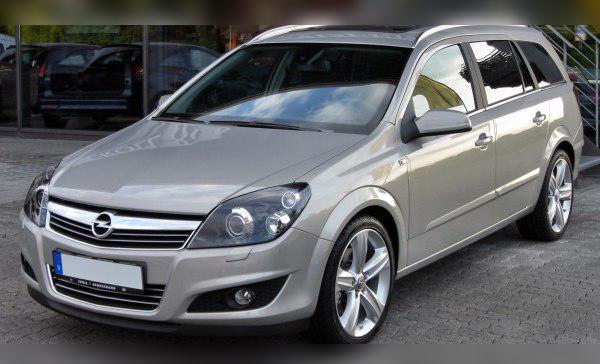
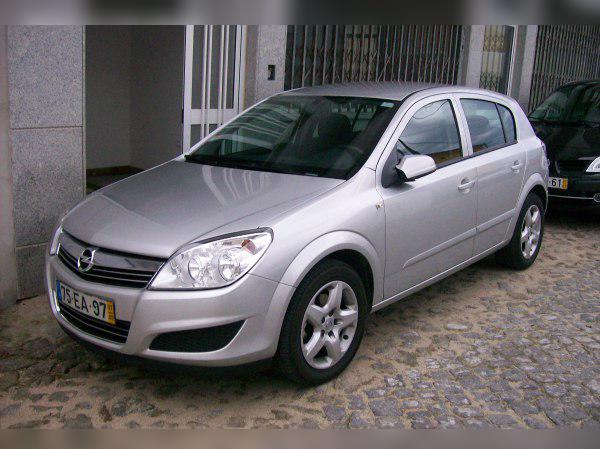
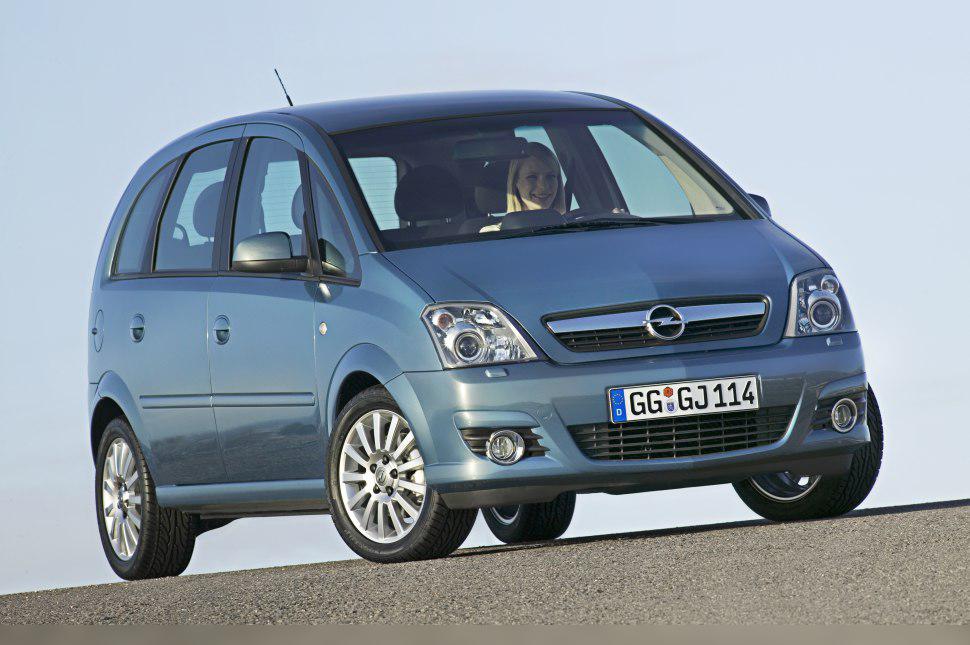
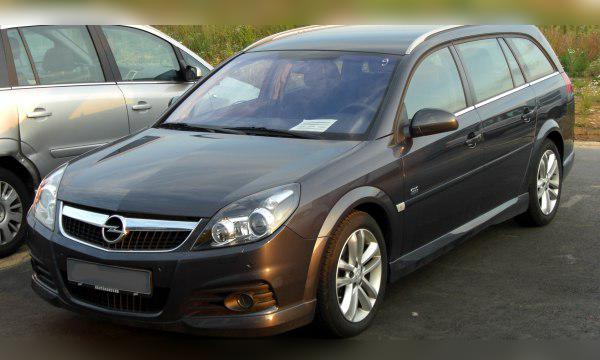
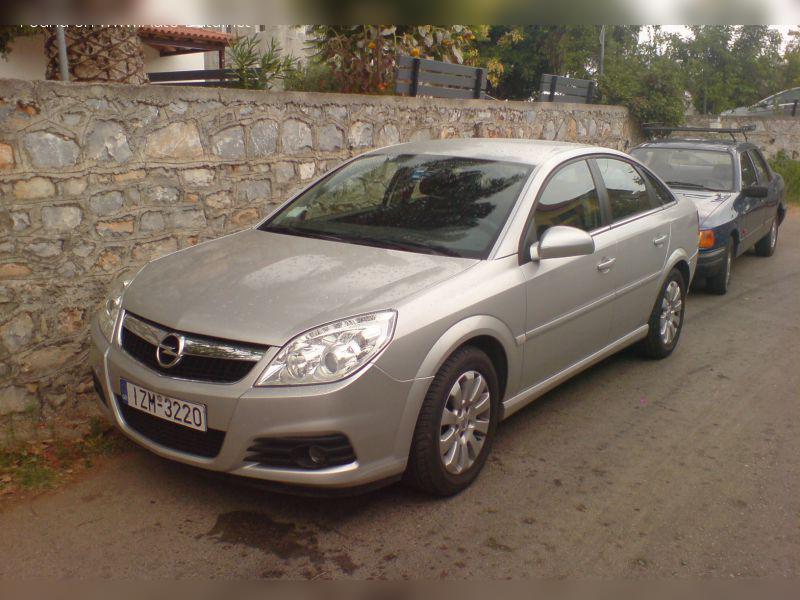
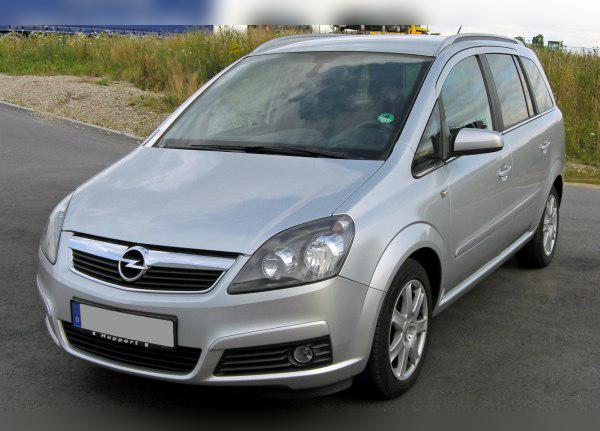
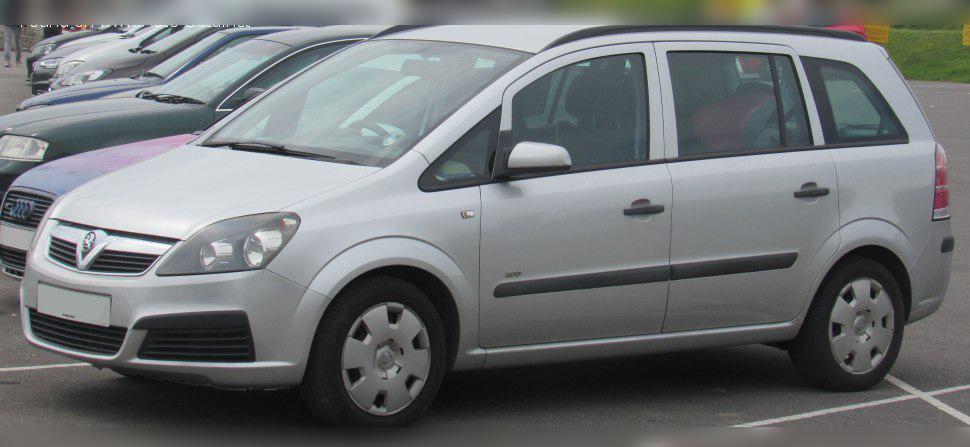
The Z16XEP engine is one of the most widespread petrol units from Opel’s ECOTEC series in the mid-2000s. Introduced as a solution meant to balance decent performance with emission standards and lower fuel consumption, this engine uses Twinport technology. Basically, it is a system with flaps in the intake manifold that optimize airflow at lower revs. It was installed in a wide range of models, from lighter city cars such as the Opel Meriva A and Astra H, all the way to larger vehicles like the Zafira B and Vectra C.
As an experienced technical editor, I can tell you this is a typical representative of the “old school” naturally aspirated engines, with an added dose of complexity in the intake system. Although it is not perfect, thanks to the absence of modern and expensive peripherals (turbo, high-pressure injectors), it has remained an extremely popular choice on the used car market.
Technical specifications
| Specification | Data |
|---|---|
| Engine displacement | 1598 cc |
| Engine power | 77 kW (105 HP) |
| Torque | 150 Nm at 3900 rpm |
| Engine code | Z16XEP |
| Injection type | Indirect injection (MPI - Multi-Point Injection) |
| Aspiration | Naturally aspirated |
| Fuel type | Petrol (Gasoline) |
Reliability, maintenance and common issues
Timing belt and service intervals
Unlike some later versions, the Z16XEP engine uses a timing belt. The factory recommendation for the major service used to be up to 150,000 km, but based on practice and mechanics’ experience, it is strongly recommended to do the major service at a maximum of 90,000 km or every 6 years, whichever comes first. A snapped belt leads to serious damage to the valves and cylinder head, resulting in a very expensive repair.
Oil: Quantity, grade and consumption
The engine takes approximately 4.5 liters of engine oil. The recommended grade is 5W-30 (ideally oil with GM Dexos 2 specification). However, this brings us to one of the biggest weaknesses of this engine: oil consumption.
Opel’s Ecotec engines of this generation naturally consume oil. Consumption of 0.2 to 0.4 liters per 1000 km is, according to factory tolerances, considered “normal”. Still, if the engine uses more than 0.5 l/1000 km, this is a clear symptom of worn oil control rings on the pistons or worn valve stem seals. The problem occurs due to stuck rings caused by irregular oil changes or predominantly city driving. The solution is an engine refresh, which is a job that requires a more serious budget (depends on the market).
Spark plugs and ignition system
Since this is a petrol engine, regular spark plug replacement is vital. They should be replaced every 30,000 to 60,000 km. If you neglect the spark plugs, an excessive gap will put additional strain on the ignition coil pack (the ignition module that sits over all spark plugs). Coil failure is an extremely common issue on Z16XEP engines, and symptoms include jerking while driving, running on three cylinders and the “Check Engine” light coming on.
Most common specific failures
- Twinport intake manifold: The flaps inside the intake manifold gradually get dirty from carbon deposits, or the small shafts that connect them wear out. Symptom: at idle the engine sounds like a diesel (rattling), pulls worse at low revs and throws fault codes. The repair often involves refurbishing or replacing the manifold (expensive, depends on the market).
- ECU (Engine Control Unit): It is mounted directly on the engine block. Due to large temperature variations and vibrations, solder joints on the ECU board crack over time. The engine then loses communication with the accelerator pedal, cannot start or stalls while driving.
- Oil leaks: It is common to see oil sweating at the valve cover gasket. Oil can leak into the spark plug wells, which again can lead to the aforementioned coil pack failure.
Specific parts and costs
Injection system and injectors
The Z16XEP uses classic MPI (Multi-Point) indirect injection. The injectors operate at low pressure and are not problematic. They rarely fail, and if they do get clogged due to poor fuel quality, ultrasonic cleaning fully solves the problem at a very affordable price (not expensive, depends on the market).
Flywheel, Turbo, DPF, EGR, AdBlue
Good news for buyers: this engine does not have a dual-mass flywheel (it uses a conventional solid one), has no turbocharger, and since it is a petrol engine, it has no DPF filter and no AdBlue system. These are huge advantages compared to diesels of the same model years.
However, the engine does have an EGR valve. Due to the way the Twinport system works, the EGR directs a large amount of exhaust gases back into the intake. The result? The EGR regularly gets dirty and sticks. Symptoms include stalling when setting off, unstable idle and jerking. Many drivers opt for software EGR delete and physical blanking of the EGR valve to permanently solve this problem.
Fuel consumption and performance
Real-world fuel consumption
Do not expect miracles despite the 1.6 displacement. In city driving, real consumption is between 8.5 and 10.5 l/100 km, depending on the car’s weight and driving style. On the open road it drops to around 6 to 6.5 l/100 km.
Performance by body type
Is the engine “lazy”? That depends entirely on the vehicle it is installed in. In an Astra H (especially GTC) performance is quite adequate and sufficient for everyday needs. However, in the Zafira B and Vectra C estate, which are significantly heavier, this engine is seriously underpowered. The lack of torque (only 150 Nm) is noticeable when overtaking, and a fully loaded car with passengers requires frequent downshifts.
Motorway behaviour
This is not an ideal “cruiser”. Due to the short gear ratios in the five-speed gearbox, at 130 km/h the engine runs at around 3,800 to 4,000 rpm. The consequences are increased cabin noise and noticeably higher fuel consumption, as well as increased oil consumption on long journeys.
Extras, LPG and remapping
LPG installation
Is the Z16XEP suitable for LPG? The answer is: Yes, but with great caution. These engines have “soft” valve seats. LPG combustion generates higher temperatures, which over time leads to the valves “sinking” into the cylinder head. If you are installing LPG, a valve lubrication system (so-called “drip” or Flashlube) is absolutely mandatory. Occasional valve clearance checks are also recommended. Without these precautions, after 50,000 km on LPG you are looking at serious cylinder head work.
Remapping (Stage 1)
Plain and simple: it is not worth it. Since this is a naturally aspirated engine without a turbo, a “Stage 1” ECU remap will bring at most an increase of 5 to 8 HP and a negligible torque gain. In everyday driving you will hardly notice any difference, so it is wiser to invest that money in regular maintenance.
Gearbox and drivetrain
Types of gearboxes
The Z16XEP engine is most commonly paired with a five-speed manual gearbox designated F17. As an automatic option, the so-called Easytronic gearbox (robotised manual) was offered.
Gearbox failures and maintenance
- Manual F17: This gearbox is known for one major flaw – sensitivity of the shaft bearings, especially the 5th gear and differential bearings. If you hear whining in 1st, 2nd or 5th gear, it is a sign that the bearings are worn. Although Opel declares the gearbox oil as “lifetime fill”, experienced mechanics recommend changing the gearbox oil every 60,000 km to extend its service life.
- Easytronic automatic: The clear recommendation is to avoid this gearbox. It is characterized by very jerky gear changes. Failures of the clutch actuator, gearbox control module and electronics are very common, and repairs are very expensive (depends on the market).
Flywheel and clutch
As already mentioned, this model has a solid (conventional) flywheel. The cost of replacing the clutch kit itself (friction plate, pressure plate, release bearing) is generally not high (depends on the market) compared to modern turbo petrols and diesels with dual-mass flywheels.
Buying used and conclusion
What to check before buying?
When looking at a car with the Z16XEP engine, focus on the following:
- First cold start: Listen carefully to the intake manifold. If in the first few minutes you hear rattling (like clicking) accompanied by rough idle, the Twinport flap mechanism is in trouble.
- Exhaust check: Have the seller rev the engine while you stand behind the car. If you notice bluish smoke, be aware that the engine is burning a lot of oil, which points to bad rings.
- Test drive and listening to the gearbox: Accelerate gently in 2nd and 5th gear. Any whining from the engine/gearbox area indicates a worn F17 gearbox.
- Diagnostics: Read the fault codes (even using the “brake and accelerator pedal + ignition” method). Pay attention to misfire codes related to the coil pack and EGR valve position errors.
Final verdict: Who is this engine for?
Opel’s Z16XEP (1.6 Twinport with 105 HP) is a good compromise for a driver who wants a mechanically predictable car. It is primarily intended for city and suburban driving, where it will do very well, especially in the lighter Astra H. It is extremely cost-effective to own thanks to the absence of a dual-mass flywheel, turbo and complex eco-systems.
However, it requires a careful owner. If you are not prepared to occasionally check the oil level on the dipstick and service the gearbox regularly, this engine can give you headaches. If you often need a large boot (Zafira) or regularly cover hundreds of motorway kilometres at 130 km/h, consider a larger engine or a six-speed gearbox – this unit simply does not have the breath for those tasks.