Opel Z16XER 1.6 ECOTEC (115 hp) – Owner experiences, issues, fuel consumption and used-car buying tips
- No dual-mass flywheel or turbocharger, which significantly reduces long-term maintenance costs.
- Problematic VVT pulleys: The best-known weakness of this engine, recognized by a “diesel-like” sound at first start-up.
- No hydraulic valve lifters: Requires manual valve clearance adjustment, which makes it quite sensitive to LPG (autogas) installation.
- Noisy on the highway: Due to short gearbox ratios, at 130 km/h the engine runs close to 4000 rpm.
- Weak points: Membrane in the valve cover (PCV), ignition coil pack and oil cooler, which can mix oil and coolant.
- F17 gearbox: The manual gearbox is prone to bearing failure; it is essential to check for whining noises while driving.
- Buying recommendation: An excellent choice for moderate drivers who value reliability over performance, but only if you buy a regularly serviced example.
Contents
- Introduction and basic information
- Technical specifications
- Reliability and maintenance
- Specific parts and costs
- Fuel consumption and performance
- Additional options and modifications (LPG and remapping)
- Gearbox and drivetrain
- Buying used and conclusion
Introduction and basic information
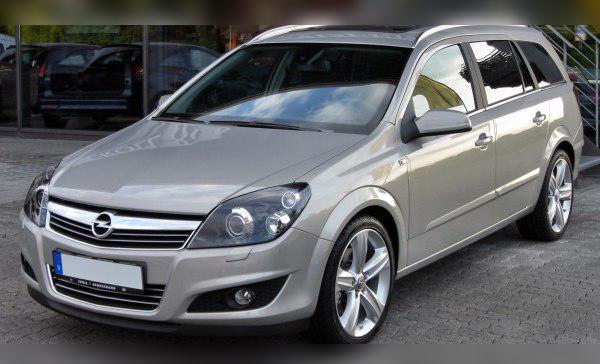
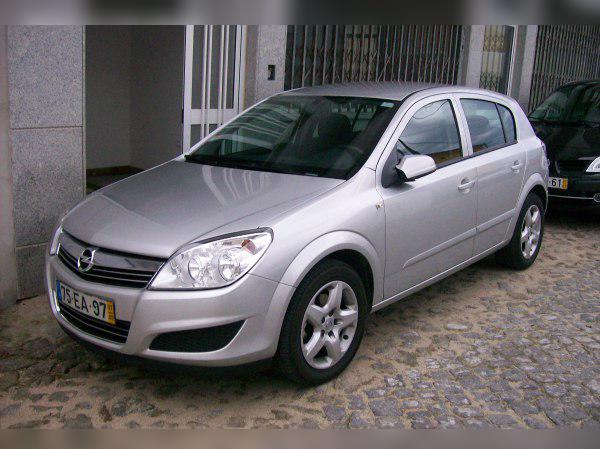
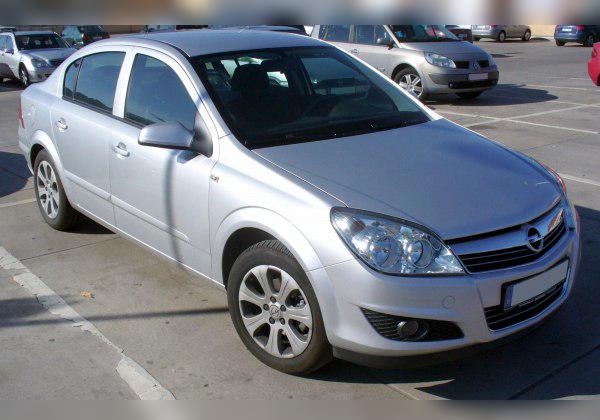
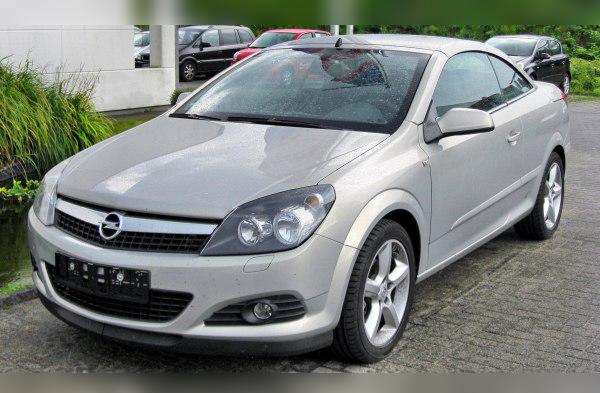
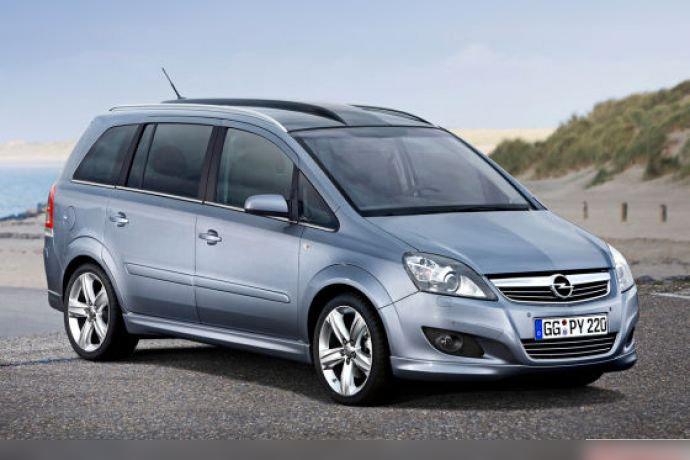
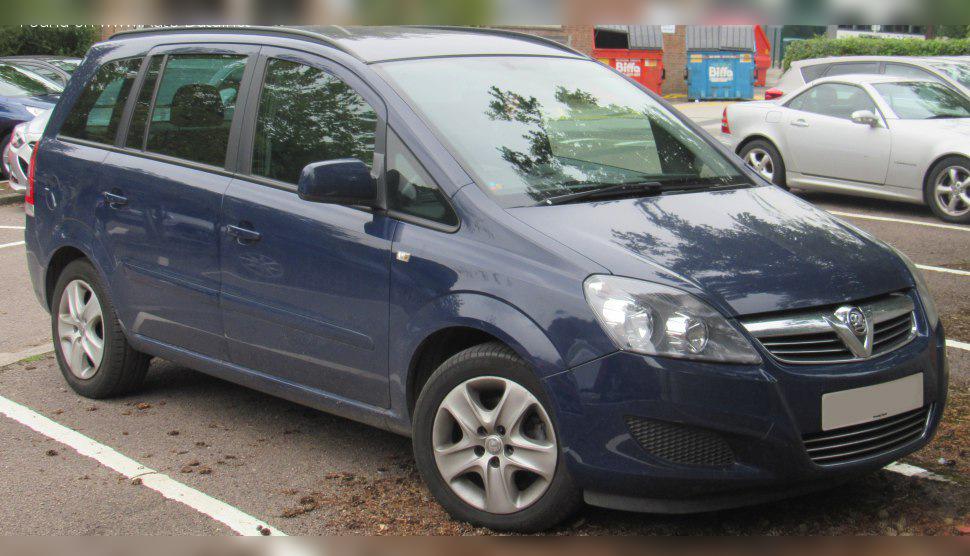
The Z16XER engine, known as the 1.6 ECOTEC with 85 kW (115 hp), is one of the most common petrol engines in Opel’s (and Vauxhall’s) lineup from the end of 2006 onwards. It was introduced as a replacement for the older Twinport engine, bringing Variable Valve Timing (VVT) in order to meet stricter Euro 4 standards and improve flexibility. It was mainly installed in Astra H models (hatchback, estate, GTC, sedan, TwinTop) and in the Zafira B after the facelift. Thanks to its simple base design (no turbocharger), this unit is considered a “safe bet” when choosing a used car, but it still carries several specific mechanical solutions that any experienced mechanic should warn you about.
Technical specifications
| Specification | Data |
|---|---|
| Engine code | Z16XER |
| Displacement | 1598 cc |
| Power | 85 kW (115 hp) at 6000 rpm |
| Torque | 155 Nm at 4000 rpm |
| Injection type | Multi-point (MPI) indirect injection |
| Induction | Naturally aspirated |
| Camshaft drive | Timing belt |
Reliability and maintenance
Unlike many modern engines that mostly use timing chains, the Z16XER uses a timing belt. The factory interval for the major service is an optimistic 150,000 km, but in practice this is a huge risk. Experienced mechanics advise doing the major service at 90,000 to 100,000 km or every 5 to 6 years. A snapped belt leads to total engine failure (bent valves and damaged pistons), so this is not the place to save money.
Most common failures
One of the most pronounced weaknesses of this engine is the Variable Valve Timing (VVT) system. The variable cam pulleys (phasers) on the intake and exhaust camshafts, as well as the corresponding solenoid valves, are prone to clogging and wear. The symptom of this failure is very recognizable: on a cold start the engine sounds rough for the first few seconds, like a diesel engine (a characteristic rattling noise). If the problem is ignored, performance drops and the Check Engine light comes on. The cost of replacing this set ranges from expensive to very expensive – roughly from 250 to 450 euros (depending on the market).
Another common problem is the oil cooler. Due to worn gaskets, it loses its sealing properties, so oil can enter the cooling system (the coolant takes on the color and texture of “mayonnaise”). Also, the PCV valve membrane (crankcase ventilation valve), which is integrated into the plastic valve cover, often fails. Symptoms include a high-pitched whistling sound from the engine bay and a strong vacuum when you try to open the oil filler cap while the engine is running. Replacement of the entire cover costs around 100–150 euros (depending on the market).
Oil and spark plugs
The engine holds approximately 4.5 liters of oil, and the recommendation is fully synthetic oil of grade 5W-30 (meeting the Dexos 2 standard). The Z16XER is known for consuming oil, especially at higher revs. Consumption of 0.2 to 0.5 liters per 1000 km is considered somewhat normal on examples with more than 200,000 km on the clock. The reasons are usually hardened valve stem seals or worn oil control rings. As a port-injected petrol engine, it is sensitive to spark quality, so spark plugs should be replaced regularly at around 30,000 to a maximum of 60,000 km. If this is neglected, the ignition coil pack (DIS module) will fail, resulting in misfiring, running on three cylinders and lack of power.
Specific parts and costs
Good news for used-car buyers: the Z16XER does not have a dual-mass flywheel, nor an expensive turbocharger. The fuel system is a classic Multi-point (MPI), which means that the injectors are extremely reliable and very rarely cause problems. If they do get clogged by poor-quality fuel, ultrasonic cleaning is usually inexpensive and solves the issue.
Since this is a petrol engine, it does not have a DPF filter or an AdBlue system, thus avoiding the main sources of headaches for diesel owners. As for the EGR valve, thanks to the VVT system the Z16XER controls internal exhaust gas recirculation, so it does not have a typical external EGR valve that clogs with soot like on older models or diesel engines, which is another huge plus for maintenance.
Fuel consumption and performance
On paper, this 115 hp unit looks quite decent, but in reality the situation depends on the car it is fitted to. In a standard Astra H hatchback it performs adequately, but it is rather “sluggish” in the estate version and in the Zafira B, which are significantly heavier. Due to its naturally aspirated nature, the full 155 Nm of torque is available only at a high 4000 rpm, so you really have to rev the engine if you want brisk acceleration.
Real-world fuel consumption in city stop-and-go traffic easily reaches 8.5 to 10 liters per 100 km. On the motorway, the main drawback of the short-ratio 5-speed gearbox becomes apparent. At 130 km/h, the engine spins at nearly 4000 rpm. The consequences are twofold: a fairly high noise level in the cabin and fuel consumption at these speeds that rarely drops below 7 to 7.5 liters.
Additional options and modifications (LPG and remapping)
Many drivers want to reduce fuel costs by installing LPG. Is the Z16XER good for LPG? The answer is: with caution! Unlike some other engines, the Z16XER does not have hydraulic valve lifters, but instead uses solid bucket tappets. LPG burns at a higher temperature than petrol, which leads to so-called valve seat recession. If you run LPG, it is essential to check valve clearances every 50,000 km; this is a demanding job because the camshafts must be removed to install new buckets of the correct thickness. A high-quality LPG system and an upper-cylinder lubrication system (often known as Flashlube) are recommended to prolong cylinder head life.
As for remapping (Stage 1), on a naturally aspirated engine of this size it is a completely unjustified investment. By adjusting ignition and fuel maps you can gain only about 5 to at most 8 hp, which is absolutely imperceptible in everyday driving. For a noticeable power increase, hardware changes (cams, exhaust, etc.) are required, which would exceed the value of the entire vehicle.
Gearbox and drivetrain
The Z16XER engine was mainly paired with the following gearboxes:
- 5-speed manual gearbox (F17): The standard option and, unfortunately, its weakest point. The F17 gearbox is notorious for input shaft bearing failure, which in driving manifests as an irritating whining/humming noise, especially in first, second and fifth gear. If ignored, the gearbox casing can crack. Prevention is regular inspection and oil changes in the gearbox (every 60,000 km) with quality oil that meets Opel specifications.
- EasyTronic (robotized manual): This is basically an F17 gearbox with added electric motors (actuators) that operate the clutch and change gears for you. This system is very prone to jerky operation and frequent actuator failures. Repairs are expensive and complicated. Avoid it when buying used if at all possible.
- Conventional automatic (Aisin): Less common (mostly in sedans and estates), usually with 4 gears. It is reasonably reliable if the oil is changed every 60,000 km as prescribed, but it further hurts the already modest performance and increases fuel consumption in city driving.
As already mentioned, the manual gearboxes use a solid flywheel. Replacement of the complete clutch kit (pressure plate, disc, release bearing) is financially very acceptable – around 100 to 180 euros (depending on the market), excluding labor.
Buying used and conclusion
When buying a used car with the Z16XER engine, always insist on starting the car completely cold. Open the bonnet, ask the owner to start the engine, and listen carefully for the first 3 seconds. If you hear diesel-like rattling, be aware that you are facing a serious expense for the VVT pulleys. Then check the coolant reservoir – if the fluid is cloudy or there is an oily film on top, the oil cooler has probably failed. Start the engine and briefly try to unscrew the oil filler cap; if it offers strong resistance and you hear vacuum hissing, the PCV valve is damaged. During the test drive, turn off the radio and listen for noises from the gearbox in the lower gears.
Who is the Z16XER for?
This is an ideal engine for family-oriented, calm drivers. For those who mostly drive in the city and on secondary roads, and who value simplicity (absence of expensive diesel components) more than raw acceleration. If the car has a clear history of regular servicing with quality oil, the Z16XER can cover serious mileage without the need to “open” the engine.