Opel Z18XE (122 hp) engine: Experiences, problems, fuel consumption and used-car buying tips
- Old-school mechanics: Naturally aspirated petrol engine without a turbocharger or complex systems, which guarantees cheaper maintenance.
- Prone to oil consumption: Valve stem seals and piston rings wear out over time, so topping up oil is a common occurrence.
- Excellent for LPG conversion: The engine handles autogas fantastically, which drastically reduces running costs.
- Beware of the F17 gearbox: The manual gearbox is known for bearing issues, so listen to it carefully when buying.
- Timing system: Uses a timing belt that requires strict adherence to replacement intervals to avoid catastrophic failure.
- Performance: Very reliable, but can feel "lazy" in heavier bodies such as the Vectra C or Saab 9-3.
Contents
- Introduction and basic information
- Technical specifications
- Reliability and maintenance
- Specific parts and costs
- Fuel consumption and performance
- Additional options and modifications
- Gearbox and drivetrain
- Buying used and conclusion
Introduction and basic information
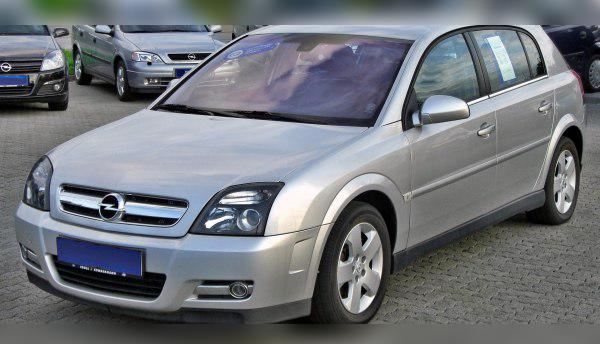
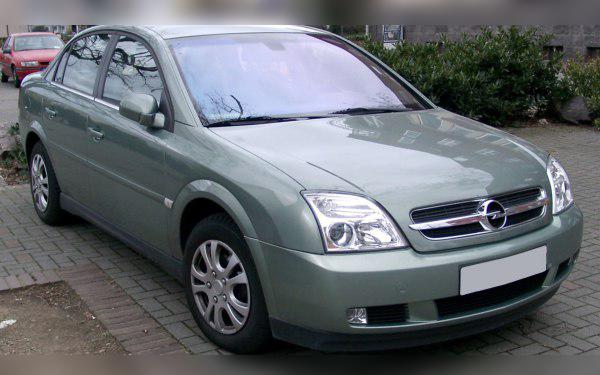
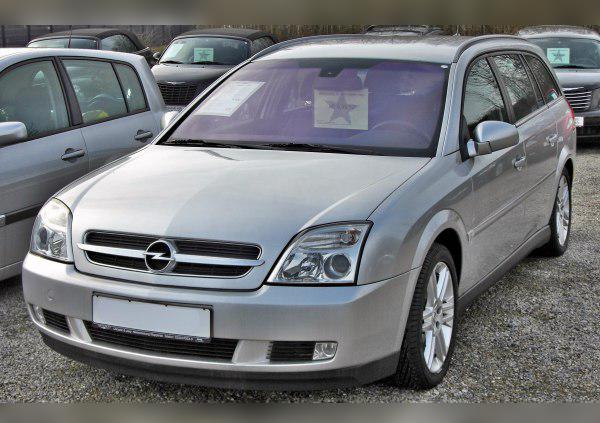
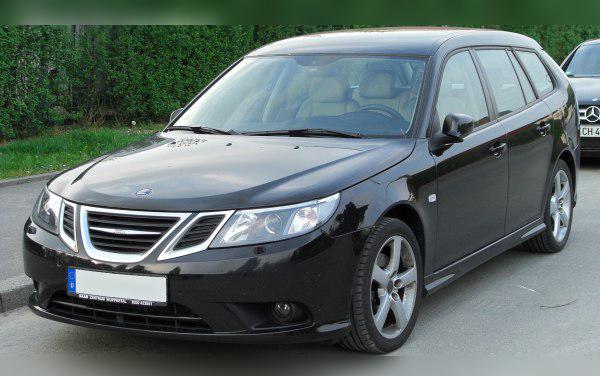
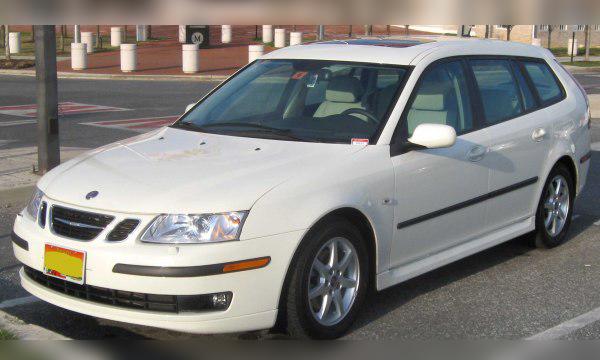
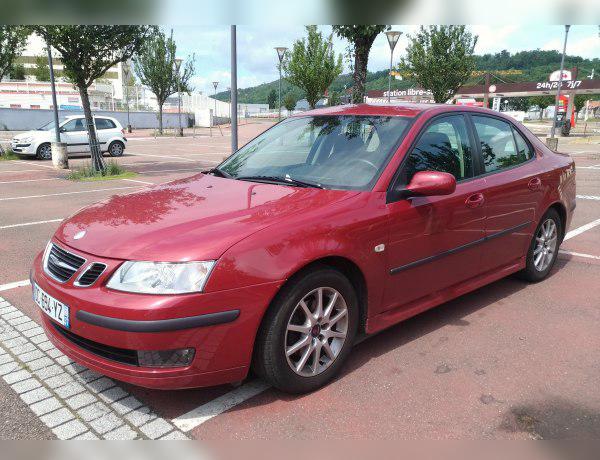
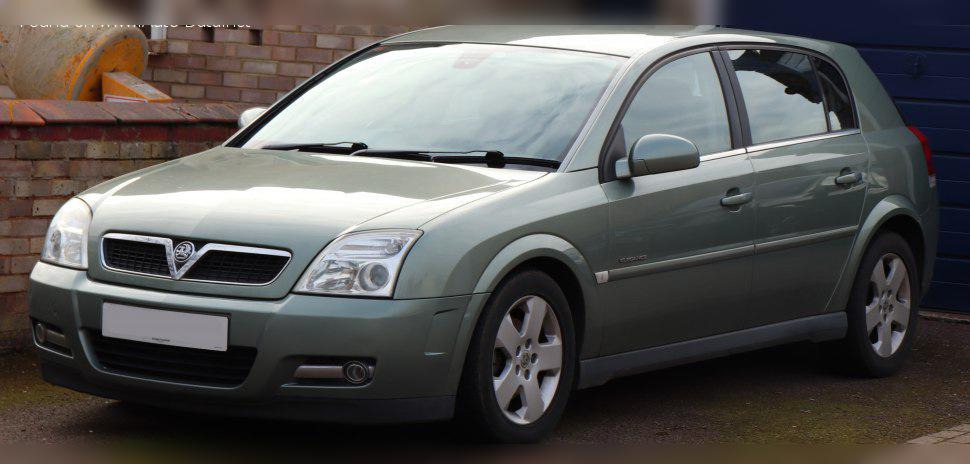
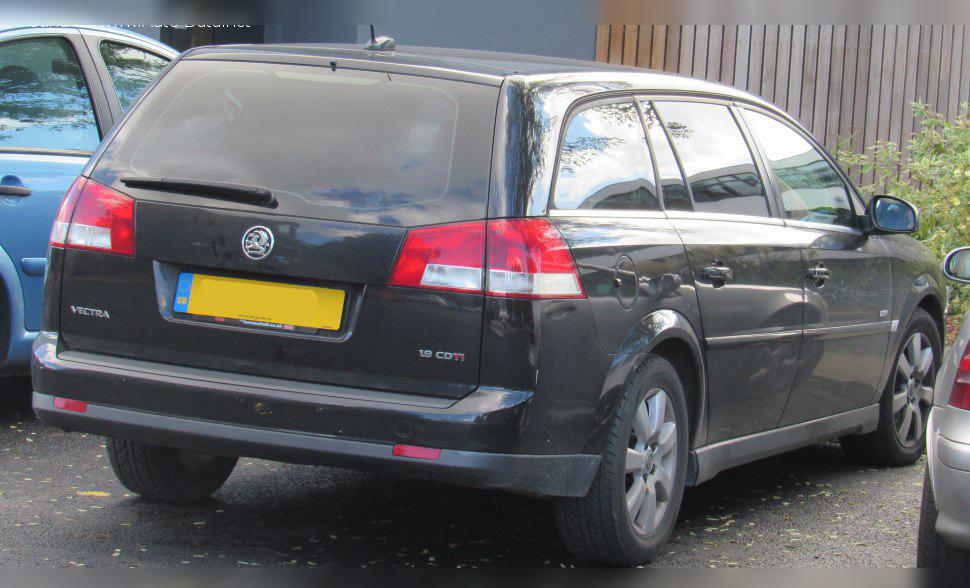
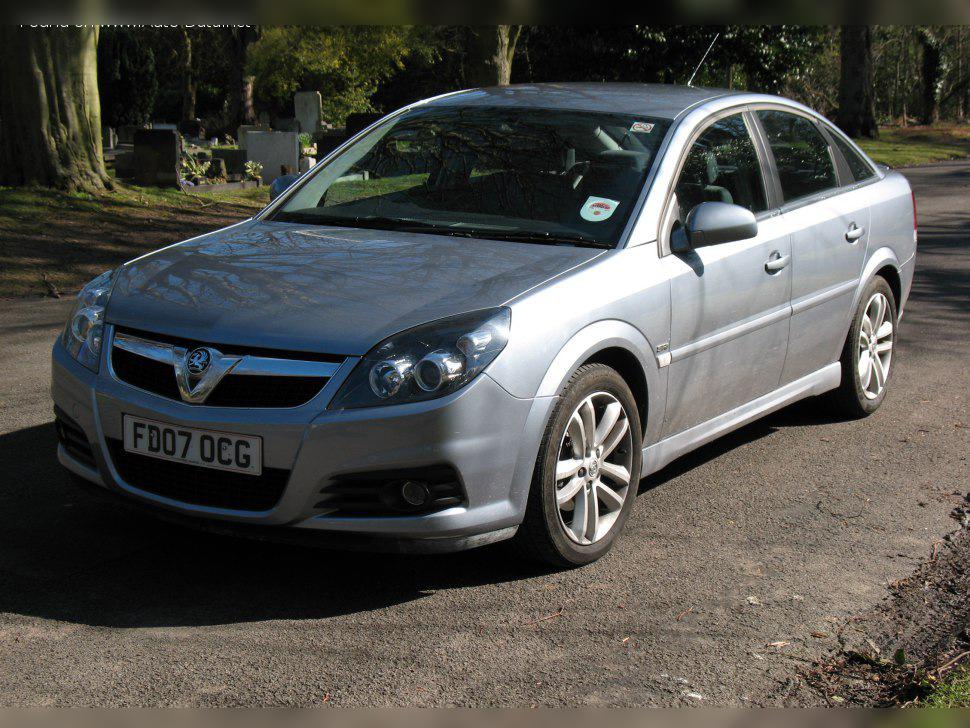
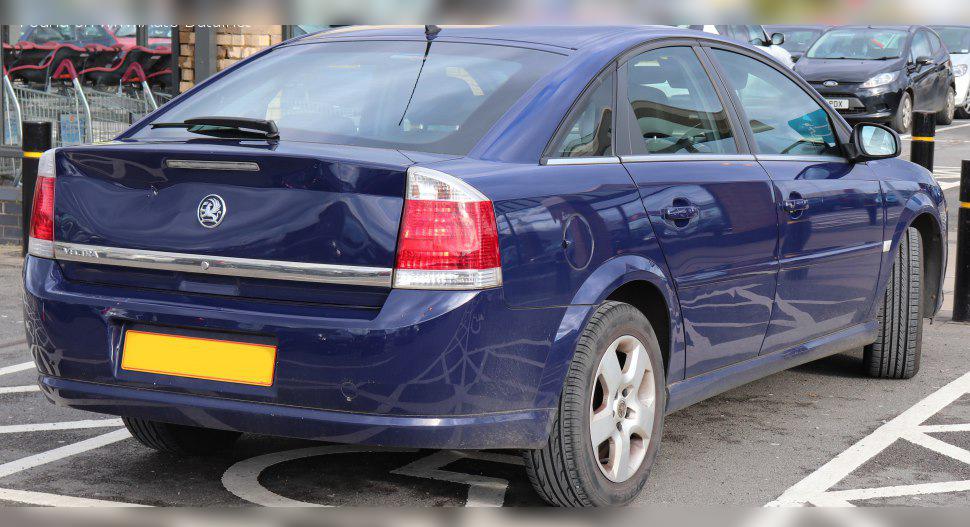
When talking about reliable engines from the GM group that marked the first decade of the 2000s, the engine designated Z18XE is at the very top of the list. This 1.8‑liter ECOTEC petrol engine represents the peak of the evolution of naturally aspirated engines based on the “Family 1” block. It was installed in a wide range of vehicles, but we most often see it in heavier D‑segment cars such as the Opel Vectra C, Opel Signum, as well as their British Vauxhall twins and the premium Swedish relative, the Saab 9-3.
Its popularity lies in the fact that it represents a golden middle ground – it offers more power than the weaker 1.6 engine, while being significantly cheaper to maintain than larger 2.2‑liter petrol units or V6 engines. Although it lacks modern technology such as direct injection or a turbocharger, its simplicity is exactly what attracts used‑car buyers across Europe.
Technical specifications
| Specification | Data |
|---|---|
| Engine code | Z18XE |
| Displacement | 1796 cc |
| Power | 89 kW (122 hp) |
| Torque | 167 Nm |
| Injection type | Indirect (Multi-Point Injection - MPI) |
| Aspiration | Naturally aspirated engine |
| Fuel | Petrol (Gasoline) |
Reliability and maintenance
Mechanics generally like working on the Z18XE because it is accessible and logically designed. Unlike some more modern engines, here a timing belt is used to drive the camshafts. It is very important to emphasize that the major service should be done at a maximum of 60,000 km or every 4 to 5 years. The belt drive also powers the water pump, and if the belt snaps, valves and pistons will meet, resulting in severe engine damage.
As for lubrication, the engine takes exactly 4.25 liters of oil. Synthetic oil of grade 5W-30 or 5W-40 is recommended, with mandatory compliance with the GM Dexos 2 specification. Regarding oil consumption between services, this is a typical ECOTEC engine – it consumes oil. Consumption of 0.2 to 0.5 liters per 1000 km, depending on the age and condition of the engine, is considered normal. The most common causes are hardened valve stem seals that let oil into the combustion chamber, as well as wear of the oil control rings due to irregular maintenance. Another known weak point is oil leakage at the valve cover gasket, which is easily noticed by an oily engine block and the smell of burnt oil dripping onto the exhaust manifold.
Since this is a petrol engine, the ignition system requires attention. Spark plugs should be replaced every 30,000 to a maximum of 60,000 km. If the spark plug replacement interval is ignored, resistance increases, which directly leads to failure of the ignition coil pack. Symptoms of this fault are jerking while driving, the engine running on three cylinders, unstable idle and the “Check Engine” light coming on.
The engine control unit (ECU) is also worth mentioning. On this engine it is mounted directly on the engine block. Due to huge temperature variations (from -10 °C to over 90 °C), solder joints inside the ECU weaken over time, which can cause unexplained engine stalling or loss of communication with sensors. Repair is possible at an electronics specialist, but it can be a noticeable expense (depends on the market).
Specific parts and costs
What makes this engine a real gem for owners on a tighter budget is the absence of expensive and complex components. The Z18XE does not have a dual-mass flywheel, but uses a conventional solid flywheel. This means that clutch kit replacement is a routine job that is not expensive (depends on the market) and does not cause headaches.
The engine has no turbocharger, let alone twin turbos, so costly failures related to turbocharger overhauls are ruled out. In addition, since it is an old‑school naturally aspirated petrol engine, it has no DPF filter and no complicated AdBlue system, which is known for failures of pumps and heaters.
The fuel system is standard indirect MPI injection. The injectors are extremely reliable and very rarely cause problems. If rough running does occur, it is usually due to dirt deposits that can be successfully removed by ultrasonic cleaning. The engine is equipped with an EGR valve, which can cause problems due to soot build‑up, resulting in jerking at low revs. Cleaning the EGR valve and the throttle body is part of regular maintenance and solves most issues with unstable idle.
Fuel consumption and performance
The biggest downside of this engine is its thirst in city driving, especially when installed in cars weighing around 1.4 tons (Opel Vectra C, Saab 9-3). Realistic fuel consumption in urban conditions is between 10 and 12 l/100 km, depending on traffic and driving style. Due to the relatively modest 167 Nm of torque, which is available only at higher revs (around 3800 rpm), the driver often has to press the accelerator pedal deeper to keep up with traffic. Because of this, the engine can feel “lazy” when accelerating from low revs.
On the motorway the situation is acceptable, but not ideal. Due to the short gear ratios of the 5‑speed gearbox, at 130 km/h the engine spins at a high 3500 to 3800 rpm. This results in more noise in the cabin and fuel consumption of around 7.5 to 8.5 l/100 km.
Additional options and modifications
The good news for everyone worried about high fuel consumption is that the Z18XE is a perfect candidate for a sequential LPG system. The engine has hydraulic tappets, so there is no need for manual valve clearance adjustment, and the valve seats cope well with the higher combustion temperatures of LPG. A properly mapped LPG system drastically reduces running costs without a noticeable loss of power.
When it comes to “chipping” (Stage 1 software tune), on naturally aspirated engines of this generation it is basically a waste of money. From a 1.8‑liter naturally aspirated engine you can extract at most 5 to 8 hp, which is completely imperceptible in real‑world driving. It is better to invest that money in a quality timing belt kit or regular servicing.
Gearbox and drivetrain
The Z18XE was most commonly paired with a 5‑speed manual gearbox (the well‑known GM F17 gearbox) and, less frequently, with an Aisin automatic gearbox (4 or 5 speeds, depending on model year and trim level).
Problems with the F17 manual gearbox
The F17 is by far the weakest point of the drivetrain. This gearbox suffers from premature failure of the shaft bearings inside the gearbox. If during a test drive in 1st, 2nd or 3rd gear you hear a “whining” or “humming” noise that changes with throttle input, it is a clear sign that the bearings are worn. It is recommended to change the oil in the manual gearbox every 60,000 km to extend the life of these sensitive bearings.
Automatic gearbox
The conventional automatic gearboxes paired with this engine are quite robust, but require regular maintenance. The most common fault is clogging of the channels in the valve body, which causes harsh jolts when shifting from P to D or when changing gears while driving. To avoid this, the oil in the automatic gearbox must be changed every 60,000 km.
As mentioned earlier, this engine combined with a manual gearbox does not have a dual-mass flywheel, so the clutch kit is conventional and clutch replacement falls into the category of not expensive (depends on the market).
Buying used and conclusion
Buying a car that is almost two decades old with this engine requires a careful inspection. Here is what you absolutely must check before you hand over your money:
- Check the radiator and coolant reservoir: Look for traces of oil in the expansion tank (the so‑called “mayonnaise”). This can be a sign of a blown head gasket.
- Listen to the engine when cold: If at first start‑up you hear a loud “tick‑tick‑tick” knocking that lasts for a long time, the hydraulic lifters are dirty or damaged due to irregular oil changes.
- Test the F17 gearbox: Drive with the radio off. Listen for mechanical whining from the gearbox under load in lower gears.
- Check for oil leaks: Look to see if the engine is leaking oil around the valve cover and under the plastic engine cover.
- Condition of the exhaust: Heavy blue smoke when you suddenly press the accelerator clearly indicates worn piston rings or valve stem seals.
Conclusion: Who is the Z18XE for?
This engine is intended for drivers who put reliability and low maintenance costs ahead of performance and low fuel consumption. A Vectra C or Saab 9-3 with this engine will not win any traffic light races, but it will take you to the seaside or the mountains without a hitch, provided you have not neglected it. If you cover high annual mileage, installing an LPG system makes this car an incredibly cost‑effective choice in a sea of modern and complicated diesels.