Opel Z18XER 1.8 (140 hp): Experiences, problems, fuel consumption and used car buying tips
The most important in short (TL;DR):
- The engine has no dual-mass flywheel or sensitive injectors, which drastically reduces maintenance costs.
- The main weak point is the variable camshaft pulleys (VVT) – if the engine sounds like a diesel at first start, prepare for repairs.
- Mixing oil and coolant is a common problem, most often caused by a worn-out oil cooler.
- The engine has no hydraulic valve lifters. If you plan to install LPG, regular checking and adjustment of valve clearances is mandatory.
- It is usually paired with the notorious F17 manual gearbox, where you should pay attention to bearing whine.
- On the highway it really needs a sixth gear, so due to higher revs it is noticeably noisier and thirstier.
Contents
- Introduction: Old-school engineering in a modern package
- Technical specifications
- Reliability and maintenance: Timing belt and VVT system
- Specific components: Naturally aspirated petrol without expensive surprises
- Fuel consumption and performance: Missing sixth gear
- Additional options and mods: LPG and remapping
- Gearbox: F17 requires attention
- Buying used and conclusion
Introduction: Old-school engineering in a modern package
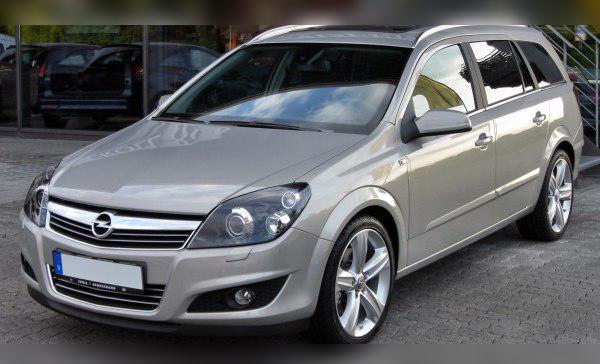
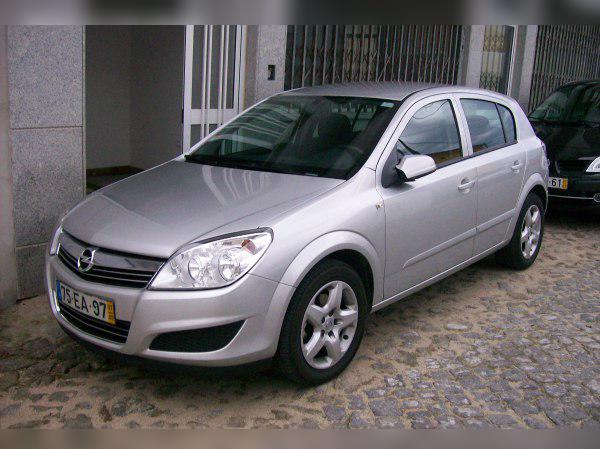
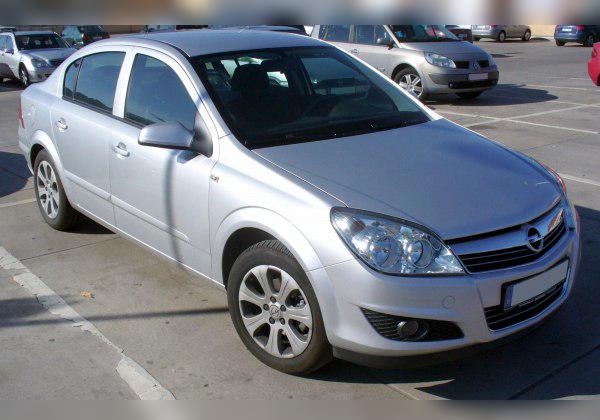
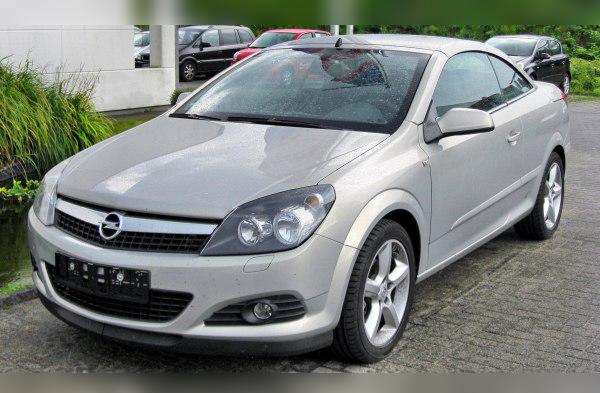
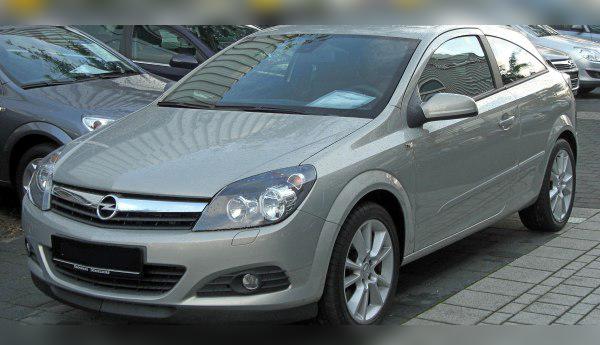
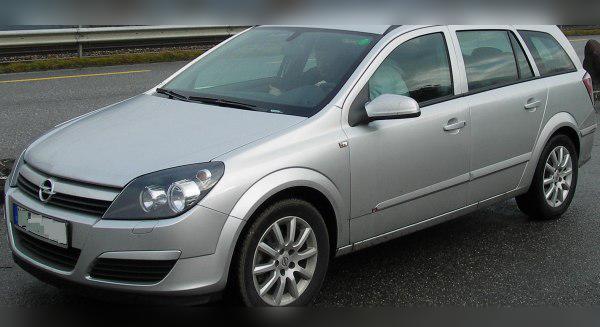
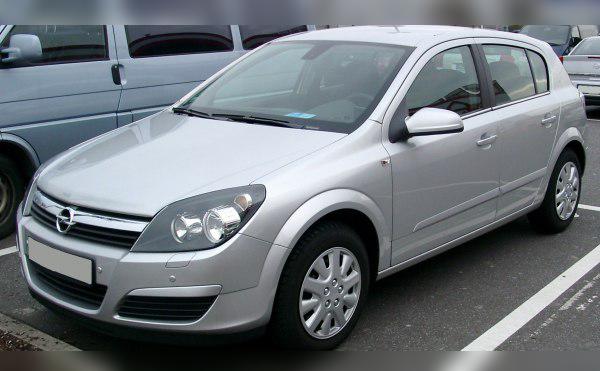
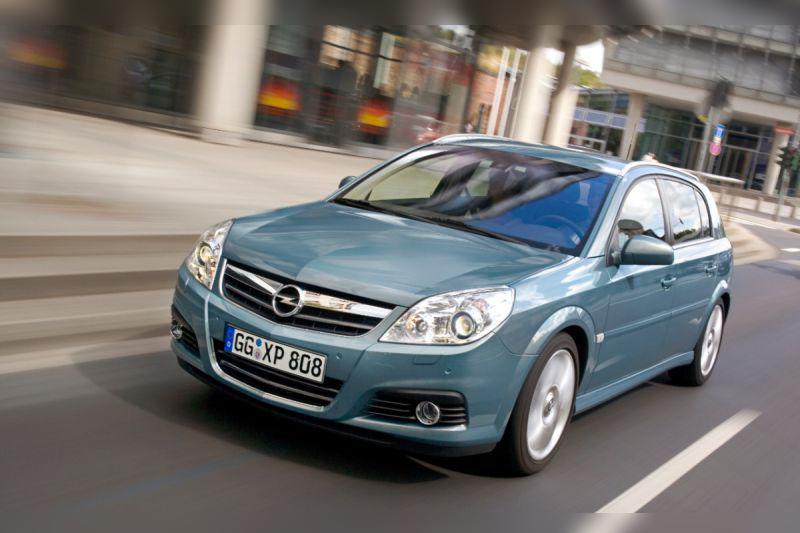
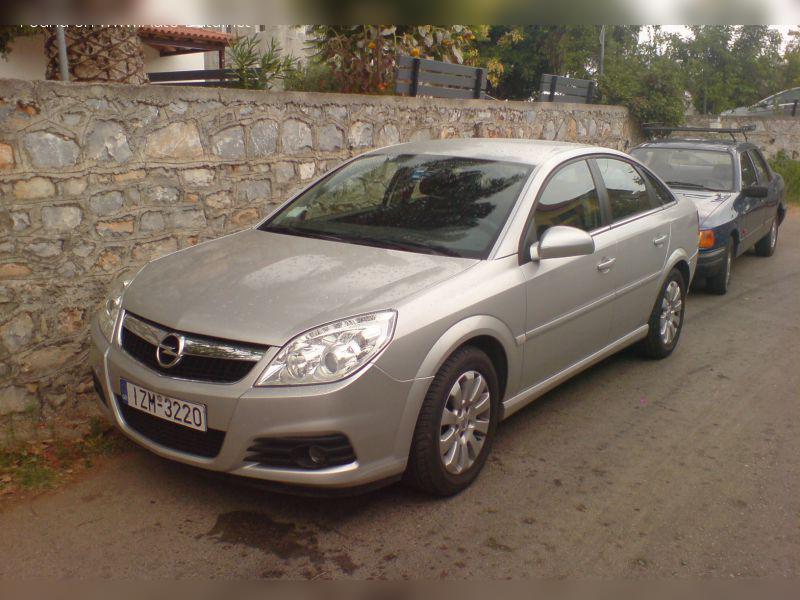
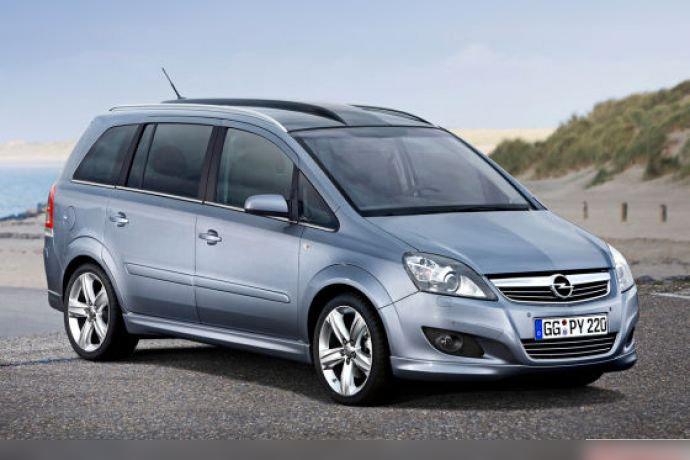
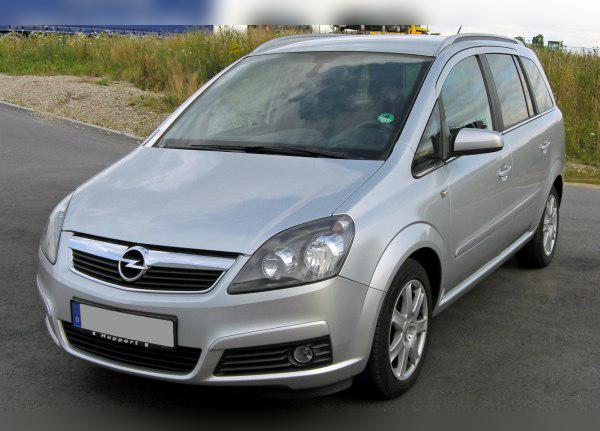
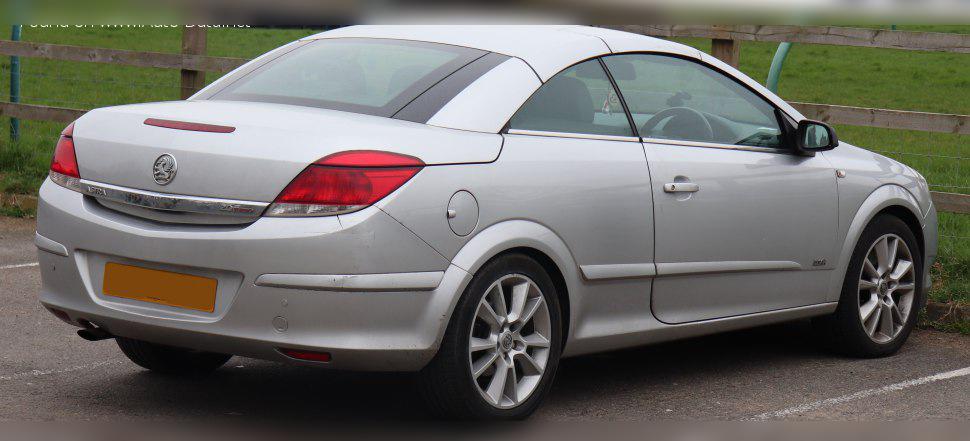
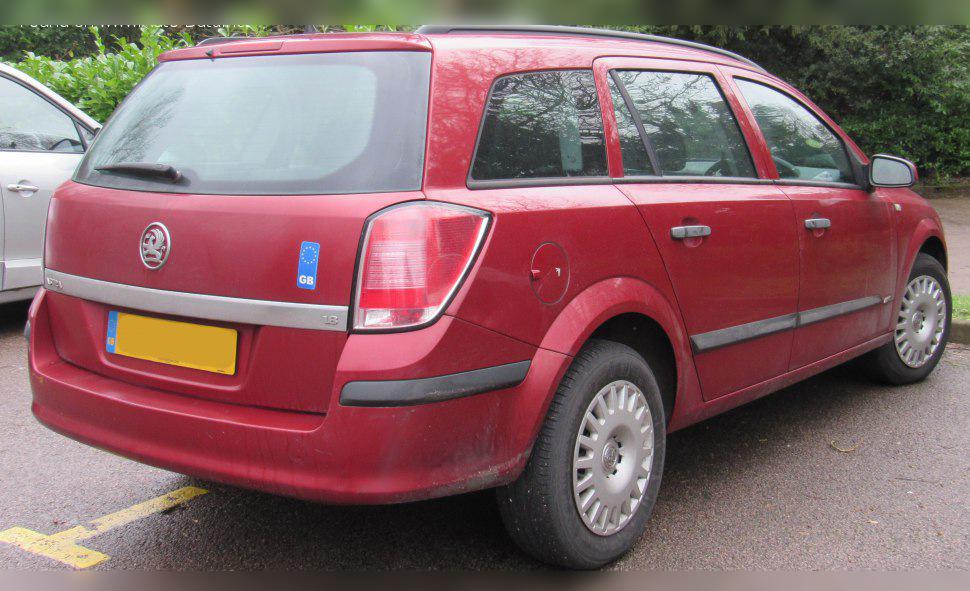
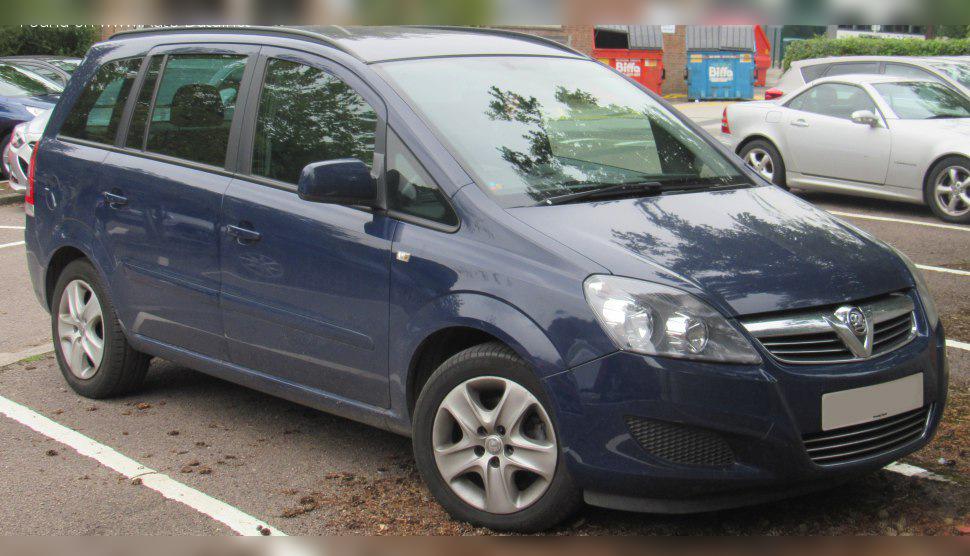
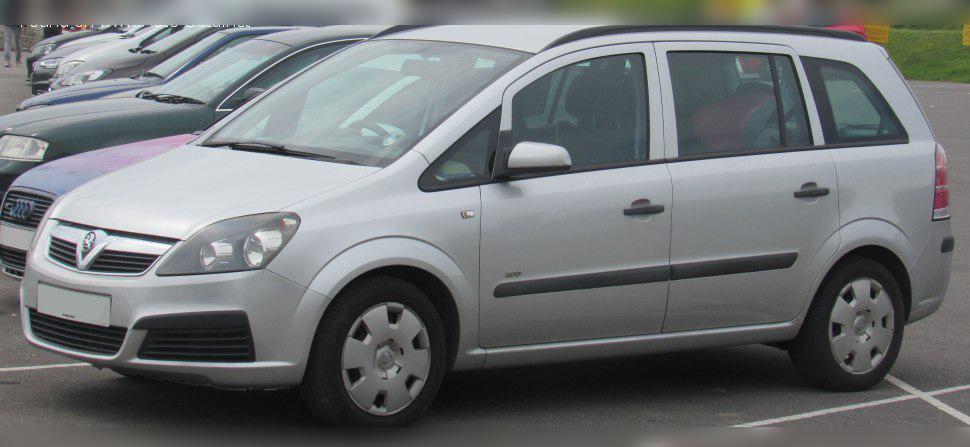
The engine designated Z18XER is one of Opel’s best-known powerplants from the mid-2000s. Introduced as a replacement for the older 1.8 with 125 hp, this naturally aspirated petrol engine delivered 140 hp thanks to the introduction of a variable valve timing system (VVT). It was widely installed in models such as the Astra H (including GTC, Caravan, TwinTop), Vectra C, Zafira B and Signum. Thanks to its relatively simple design, it is appreciated by drivers who want reliability and to avoid the expensive “diseases” of modern diesels, although it is not completely free of its own teething problems.
Technical specifications
| Specification | Data |
|---|---|
| Engine code | Z18XER (Opel / Vauxhall) |
| Displacement | 1796 cc |
| Power | 103 kW (140 hp) |
| Torque | 175 Nm at 3800 rpm |
| Injection type | MPI (Multi-Point Injection) |
| Aspiration | Naturally aspirated |
Reliability and maintenance: Timing belt and VVT system
Drivetrain and service intervals
The Z18XER uses a timing belt. According to factory specifications, the major service is due every 150,000 km or 10 years, but any experienced mechanic will advise you to shorten that interval to about 90,000 to 100,000 km to avoid catastrophic belt failure and valve damage.
The engine takes approximately 4.5 litres of oil, and the recommended grade is 5W-30 (preferably with Dexos 2 specification). Does it consume oil? Yes, but that’s not a reason to panic. Consumption of about 1 to 1.5 litres between two regular services (every 10,000 km) is considered normal. If the engine is “drinking” oil excessively, the problem usually lies in hardened valve stem seals or stuck oil control rings.
Since this is a petrol engine, the spark plugs should be replaced every 30,000 to 60,000 km. Worn spark plugs directly affect the lifespan of the ignition coil pack, which is known for failing and leaving the engine running on three cylinders.
Most common failures
The main weak point of this engine is the variable camshaft pulleys (VVT) and their solenoid valves. Due to irregular oil changes, the fine mesh filters on the valves get clogged, oil pressure in the system drops and the pulleys get damaged. The symptom? When you start it cold, it sounds harsh and rattles like a diesel for the first few seconds. Repair is mandatory, because ignoring it can lead to the engine jumping timing.
Another very common issue is the oil cooler (heat exchanger). Its rubber seals give up over time due to high temperatures and age. The driver notices this when a greasy, mayonnaise-like mixture appears in the coolant expansion tank. The repair itself is not expensive (depends on the market), but it requires thorough flushing of the entire cooling system. Sometimes the electronics in the thermostat can also cause problems, resulting in the engine struggling to reach operating temperature or the radiator fan running constantly.
Specific components: Naturally aspirated petrol without expensive surprises
What makes the Z18XER attractive on the used market is what it doesn’t have.
This engine does not have a dual-mass flywheel, but uses a classic solid flywheel, which makes clutch kit replacement much cheaper and more affordable. The fuel system is conventional MPI. This means there are no sensitive high-pressure injectors like on diesels or modern direct-injection petrol engines (GDI). Injectors rarely fail, and even when they get dirty, ultrasonic cleaning usually solves the problem.
Since this is a naturally aspirated engine, it has no turbocharger, so there is no risk of turbo rebuilds. Also, as an older-generation petrol, it has no DPF filter and no AdBlue system, freeing you from worries about regeneration and NOx sensors. Another interesting detail is that this engine physically doesn’t have a classic EGR valve. The engineers used the VVT system to return part of the exhaust gases into the cylinder by valve overlap (so-called internal EGR), thus eliminating another component prone to clogging.
Fuel consumption and performance: Missing sixth gear
Don’t expect miracles when it comes to fuel economy. In city driving, depending on how heavy your right foot is and how bad the traffic is, real-world consumption ranges between 9.5 and 11.5 l/100 km.
Is the engine “lazy”? That depends on the body style. In the Astra H (especially the GTC), the engine feels quite lively and offers good driving dynamics. However, in heavier models such as the Zafira B or the estate version of the Vectra C, under full load (family and luggage), it will run out of breath on uphill sections and will need higher revs for safe overtaking.
On the motorway, the biggest weakness of the drivetrain comes to light – the lack of a sixth gear on manual versions. At a speed of 130 km/h in fifth, the engine spins at a rather high 3,800 to 4,000 rpm. This means two things: increased cabin noise and fuel consumption on the motorway that hardly drops below 7.5–8 litres.
Additional options and mods: LPG and remapping
LPG conversion
Many owners opt for LPG, but here you must be very careful. The Z18XER engine does not have hydraulic valve lifters, but uses mechanical lifters (buckets). Since LPG combustion produces higher temperatures, the valves gradually sink into their seats. If you run on LPG, checking and mechanically adjusting valve clearances every 40,000 to 60,000 km is mandatory. If this is neglected, the valves will burn, and cylinder head repair is expensive (depends on the market). Installing a valve saver (lubrication) system is highly recommended.
Remapping (Stage 1)
The short and honest answer: on a naturally aspirated petrol engine of this type, remapping is a waste of money. With a Stage 1 map you will gain at most an extra 8 to 12 hp and a slightly better throttle response. Torque increase is negligible, so you will not feel any dramatic difference in everyday driving.
Gearbox: F17 requires attention
The most common manual gearbox paired with this engine is the famous, and often criticised, five-speed F17. Its biggest problem is the bearings, which tend to fail, especially if the car has been driven hard. The symptom of a dying gearbox is a distinct whining noise while driving, which changes in pitch depending on speed and throttle input. Clutch replacement, given that this model has no dual-mass flywheel, is not expensive (depends on the market). Although Opel claims that the oil in the manual gearbox is “lifetime fill”, a preventive oil change at around 100,000 km is a very smart move that can save the bearings.
In addition to the manual, there is also a classic 4-speed automatic (Aisin AF17). It is technologically outdated, extremely slow when changing gears and further increases fuel consumption, but from a mechanical standpoint it is very reliable. For this gearbox it is crucial to change the oil (partial change) every 60,000 km.
*Note:* Some Vauxhall Signum and Astra models for the UK market were also offered with the Easytronic automated manual gearbox. It is characterised by slow gear changes and expensive failures of the actuators, so it is best avoided.
Buying used and conclusion
Before you take out your wallet, during the inspection of a car with the Z18XER engine make sure to pay attention to the following:
- Cold start: Ask the seller not to start the car before you arrive. Start it cold and listen carefully to the engine for the first 3–4 seconds. If you hear rattling and clattering (diesel-like sound), the variable cam pulleys (VVT) are due for replacement.
- Coolant expansion tank: Unscrew the cap and look inside. Any trace of oil, brown sludge or mayonnaise-like residue is a sign that the oil cooler has failed (or, in a worse scenario, that the head gasket has blown).
- Test drive: Listen to the gearbox. If it howls when you apply and release the throttle, prepare for an F17 gearbox rebuild.
- Engine diagnostics: Check the condition of the coil pack. Jerking under acceleration at low revs indicates worn spark plugs or a faulty coil pack module.
Conclusion: Who is this engine for?
The Z18XER is an excellent choice for family drivers who want a solid and predictable car. Although it uses a litre or two more fuel than modern turbo engines and can be a bit loud on the motorway, it will spare you nightmares with turbos, injectors, dual-mass flywheels and DPF filters. Its failures are well known, easy to recognise and relatively affordable to fix, which makes it one of the most sensible choices on the used car market.