Engine Z20LER (2.0 Turbo 200 HP): Experiences, problems, fuel consumption and used car buying tips
In short (TL;DR)
- Powerful and flexible: With 147 kW (200 HP) it offers excellent performance while still being very suitable for everyday driving.
- Timing belt: Requires regular replacement; skipping the major service is not an option.
- Oil consumption: Often present due to hardened valve stem seals, which is a well-known issue of this engine generation.
- Turbocharger: Integrated with the exhaust manifold, which is prone to cracking; repair or replacement can be expensive (Depends on the market).
- M32 gearbox: Paired with the notorious manual gearbox that has a factory defect with the bearings; mandatory to check before purchase.
- Fuel consumption: High in city driving (often over 11 l/100 km), but reasonable on the open road.
- LPG: Handles LPG conversion very well thanks to port injection, which significantly lowers running costs.
Contents
- Introduction: Getting to know the engine
- Technical specifications
- Reliability and maintenance
- Specific parts and potential costs
- Consumption and performance
- Additional options and modifications
- Gearbox and power delivery
- Buying used and conclusion
Introduction: Getting to know the Z20LER engine
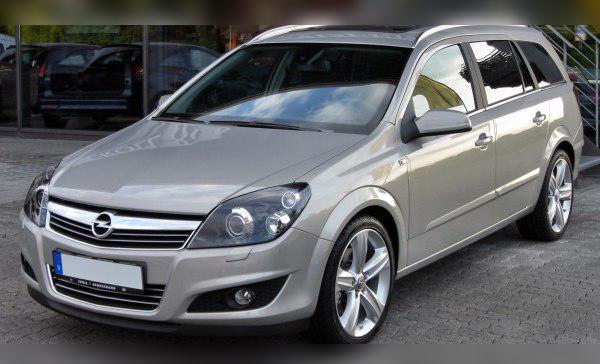
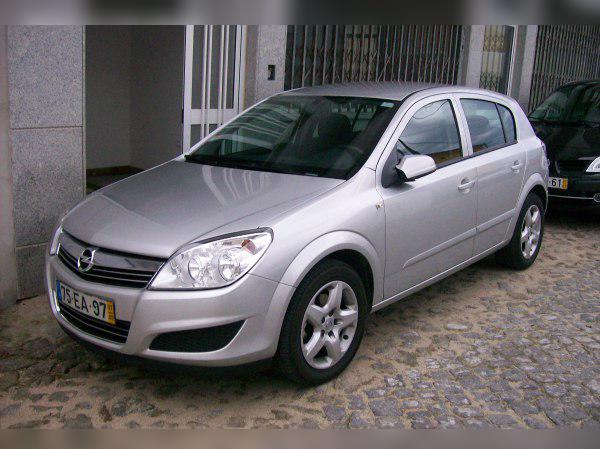
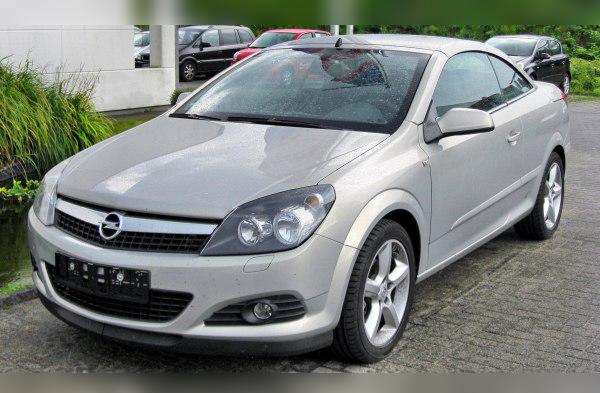
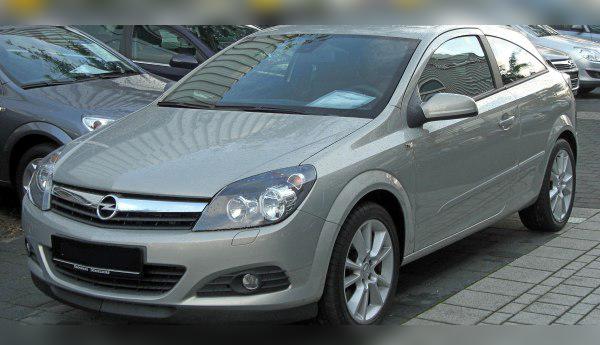
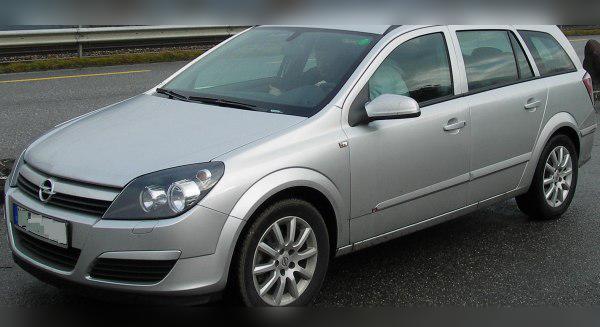
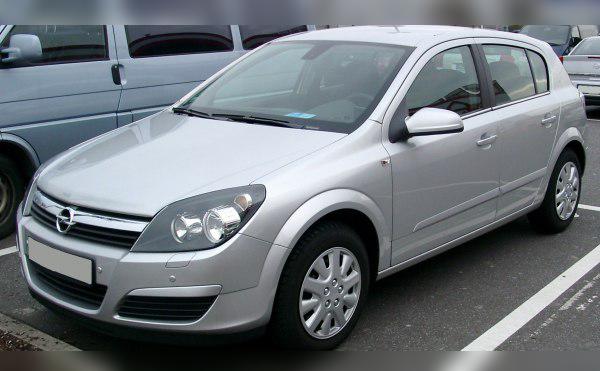
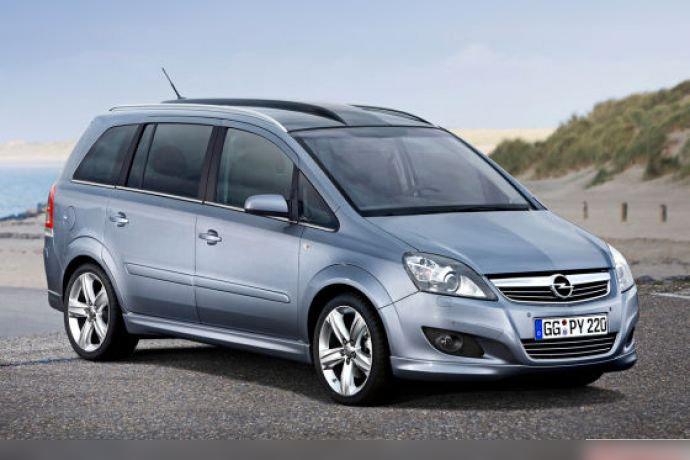
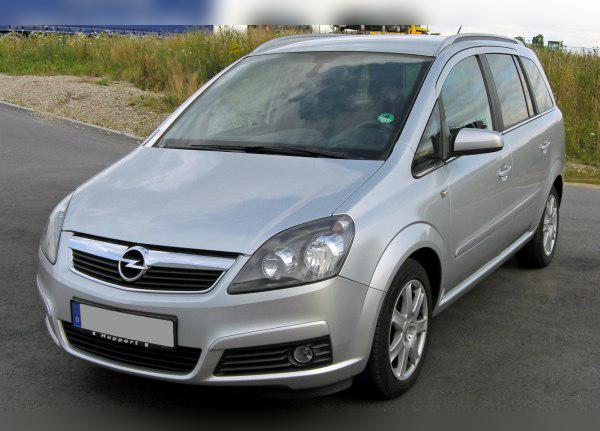
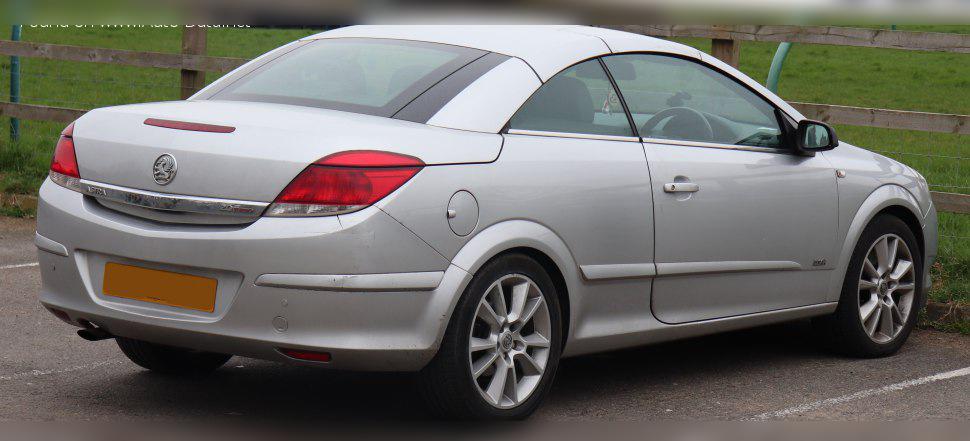
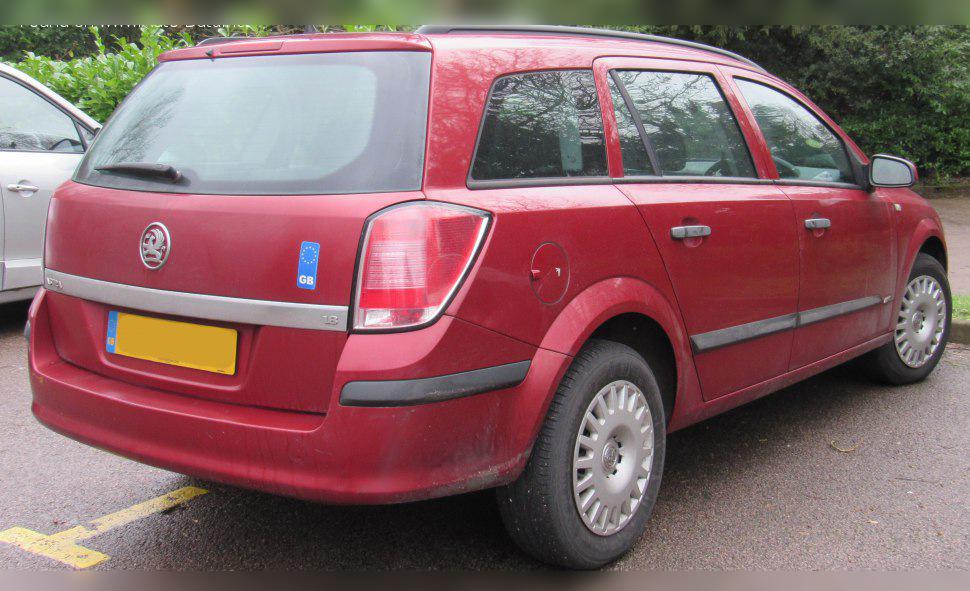
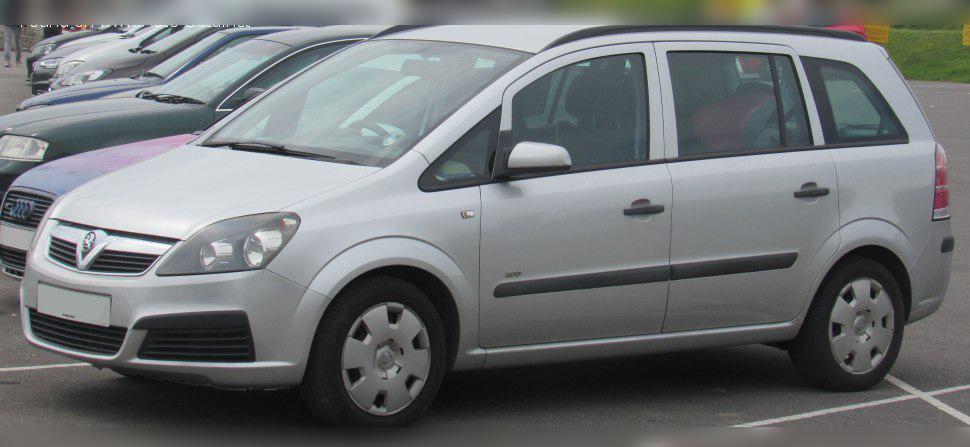
The engine designated Z20LER represents the “golden middle ground” of Opel’s (and Vauxhall’s) turbo petrol lineup from the early and mid-2000s. It belongs to the famous “Family II” engine series and is a direct relative of the weaker Z20LEL (170 HP) and the more extreme Z20LEH (240 HP) used in OPC models. It was installed mainly in the Astra H range (GTC, Caravan, TwinTop, Hatchback) and the family MPV Zafira B, giving these vehicles a serious dose of aggressiveness and dynamics.
This powerplant is important because it represents the old school of turbo petrol engines – it doesn’t have complicated direct injection that causes carbon buildup on the valves, it sounds great and offers huge potential for enthusiasts. However, it also comes with specific requirements when it comes to regular maintenance and tolerance to mechanical neglect.
Technical specifications
| Specification | Data |
|---|---|
| Displacement | 1998 cc |
| Power | 147 kW (200 HP) at 5400 rpm |
| Torque | 262 Nm at 4200 rpm |
| Engine code | Z20LER |
| Injection type | Port injection (Multi-Point EFI) |
| Forced induction | Turbocharger (BorgWarner K04) + intercooler |
Reliability and maintenance
When talking about the reliability of the Z20LER engine, it’s important to understand that it is not indestructible if neglected, but the mechanical base is very robust.
Timing belt or chain? Major service
This engine uses a timing belt for the valvetrain. There is no chain that can stretch, which many mechanics see as an advantage due to simpler and cheaper replacement. The replacement interval for the timing belt, tensioner, idler pulleys and water pump (major service) is 90,000 km according to the manufacturer, but the absolute recommendation of every experienced mechanic is to shorten that interval to 60,000 km up to a maximum of 70,000 km or every 5 years. A snapped belt on this engine leads to a fatal encounter between pistons and valves, resulting in a very expensive failure.
Oil: Capacity, grade and consumption
The engine takes approximately 4.25 liters of oil (with filter change). The recommended grade for most climates is 5W-30 or 5W-40 fully synthetic (ideally with Dexos 2 specification; although this is an older engine, good synthetic oil protects the turbo). The minor service should strictly be done every 10,000 km.
Does it consume oil? Yes. This is one of the most common issues with this engine series. The main cause is valve stem seals. Due to the engine’s high operating temperature (often around 100–105 °C), the seals harden over time and let oil into the combustion chamber. The driver will notice this as a bluish cloud of smoke from the exhaust after the car has idled for a few minutes and then the throttle is blipped. Consumption of up to 0.2–0.3 l per 1000 km is considered normal. Anything over 0.5 liters per 1000 km requires repair (seal replacement, often along with checking the piston rings). Another common cause of oil leaks is the valve cover gasket.
Spark plugs and ignition
Since this is a turbo petrol engine, spark quality is crucial. Spark plugs should be replaced every 30,000 to 60,000 km, depending on whether you use standard or platinum/iridium plugs. It is recommended to use OEM or NGK/Bosch iridium plugs intended for turbo engines. A common problem on this engine is the ignition coil pack. If you feel misfires under full throttle or the car runs on three cylinders with the “Check Engine” light on, the problem is most often a failing coil pack.
Specific parts and potential costs
Fuel system and injectors
The Z20LER uses classic port injection (MPI) into the intake manifold. Compared to modern TSI/TFSI engines, this is a blessing. There are no issues with carbon buildup on the intake valves. The injectors themselves are extremely durable and rarely fail. If clogging occurs due to poor fuel, ultrasonic cleaning usually solves the problem at a low cost (Depends on the market).
Turbocharger and exhaust manifold
The engine is equipped with a single turbocharger, the BorgWarner K04 model, which is integrated with the exhaust manifold as a single unit. The turbo’s lifespan depends entirely on regular oil changes and proper cooldown after spirited driving (around 150,000 to 200,000 km).
The biggest weakness of this system is cracking of the exhaust manifold (microcracks). The symptom is a whistling or hissing sound under the bonnet while the engine is cold, as well as the smell of exhaust gases in the cabin. Another problem is the “wastegate” shaft, which develops play and rattles when lifting off the throttle, causing boost loss (weaker pull). Full replacement or overhaul of this assembly ranges from expensive to very expensive (Depends on the market).
DPF, EGR and AdBlue
Since this is a petrol engine, it does not have a DPF filter or AdBlue system, which saves you from the headaches typical of modern diesels. Also, this series does not have the classic troublesome external EGR valve that stalls the engine or requires constant cleaning, which significantly reduces the cost of maintaining the emissions system.
Consumption and performance
City driving vs. motorway
We have to be realistic – 200 HP, a turbo and older injection technology come at a price at the fuel pump. In city driving, real-world consumption ranges from 11 up to even 14 l/100 km, depending on how heavy your right foot is and how bad the traffic is. In a heavier vehicle like the Zafira B, the upper end is an everyday occurrence.
As for performance, the engine is definitely not lazy. With 262 Nm available from relatively low revs, driving is relaxed and doesn’t require constant downshifting in the city. In the Astra H body (especially the GTC), the car is quite sharp and quick.
On the motorway, the Z20LER is in its element. Thanks to the 6-speed gearbox, at a cruising speed of 130 km/h the engine spins at a comfortable around 3000 to 3200 rpm. Cabin noise is minimal, and there is a huge power reserve for overtaking. Motorway consumption drops to a reasonable 7.5 to 9 l/100 km.
Additional options and modifications (LPG and remap)
LPG conversion
Good news for those who like cheaper running costs: the Z20LER is an excellent candidate for an LPG system. Thanks to port injection and strong valves, the engine handles gas very well. The only condition is not to skimp on the installation – due to the turbocharger and power output, you need a high-capacity vaporizer (reducer) and fast, high-quality gas injectors. If you install a proper system, the power difference on LPG will hardly be noticeable.
Tuning (Remap / Stage 1)
The engine has huge potential and is popular in tuning circles. Since the components are quite overengineered (similar to those in OPC versions, although the OPC has forged pistons and a stronger turbo), with just a software change (Stage 1) this engine can be safely taken to 230–240 HP, while torque rises above 320 Nm. After the remap, the car becomes noticeably more eager and brutal in the mid-range.
Gearbox and power delivery: The weak point
Manual gearbox (notorious M32)
This engine was usually paired with a 6-speed manual gearbox, widely known (and hated) under the code M32. This is actually the biggest weakness of the whole drivetrain. The main problem of the M32 gearbox is the gear cluster bearings, which are factory-weak or insufficiently lubricated.
Symptoms of M32 failure you must check before buying:
- Whining or humming in 5th and 6th gear, especially under load and at speeds over 80 km/h.
- When you engage 1st or 5th gear and sharply apply and release the throttle, the gear lever moves (jerks) back and forth. This indicates that the shaft bearing has excessive play.
Overhauling the M32 requires removing the gearbox and replacing the complete bearing set, which is very expensive (Depends on the market). To extend its lifespan, experts advise changing the gearbox oil every 40,000 to 60,000 km. It is also important to use quality 75W-80 oil and fill slightly more than the factory spec (around 2.4 to 2.6 liters is recommended, while the factory previously stated about 2.2 L).
Automatic gearbox
There were also limited versions with an automatic gearbox (often the Aisin AF40 or a 4-speed unit in some years/markets). These were classic torque-converter automatics. They are significantly more reliable than the M32 manual, but they noticeably dull this engine’s performance and increase fuel consumption by more than 1.5 l/100 km. The oil in the automatic must be changed every 60,000 km.
Clutch and dual-mass flywheel
As a powerful turbo engine, the Z20LER uses a dual-mass flywheel (DMF) with the manual transmission, whose role is to dampen crankshaft vibrations and (ironically) protect the already mentioned weak gearbox. Symptoms of wear are a dull thud when starting and switching off the engine, harsh vibrations at the clutch pedal halfway through its travel, and shuddering when moving off from a standstill. Full replacement (flywheel, clutch kit and hydraulic release bearing) is usually a very expensive job (Depends on the market).
Buying used and final conclusion
What to check before handing over your money?
If you’re buying an Astra H or Zafira B with this engine, put looks aside until you’ve checked the mechanics:
- Cold start: Listen for any whistling from the exhaust manifold area (cracks in the manifold/turbo).
- Smoke check: Let the car idle for 5–10 minutes once it’s fully warmed up to 90 °C. Then sharply rev the engine. If it blows a cloud of blue smoke, the engine is crying out for new valve stem seals.
- Gearbox (M32): Take it on an open road. Accelerate in 5th and 6th gear – listen for whining. In 1st gear, apply and release the throttle and watch for gear lever movement.
- Vibrations and clutch: Look for harsh knocks when switching off the engine, which indicate a worn dual-mass flywheel.
Who is this engine for?
Opel’s Z20LER is a great choice for buyers looking for a dynamic and fast car (especially the Astra GTC), and who are willing to accept compromises in terms of petrol consumption. Thanks to its excellent compatibility with LPG systems, high fuel costs can be easily offset. The engine is simple, without expensive components such as direct injection or modern DPF filters, so even though it has a few known “weak spots” (valve stem seals and the M32 gearbox), all of them can be fixed by a good mechanic. If you find an example with a proper service history (or even better, one where the gearbox has already been overhauled), this two-liter turbo will provide you with plenty of driving pleasure and thousands of safe kilometers on the open road.