Porsche 3.6 M96.05 engine (325 hp): Experiences, issues, fuel consumption and used-buying tips
- Top-notch performance: With 325 hp, this boxer engine offers fantastic throttle response and the classic Porsche sound, with no lack of power whatsoever.
- IMS bearing and cylinder scoring: The two biggest nightmares of this engine that require thorough inspection before purchase.
- No expensive turbo technology: As a naturally aspirated petrol engine, it is free from turbocharger issues, DPF filters and the complex emissions systems of modern diesels.
- Maintenance is very expensive: Regular servicing, oil capacity and specific parts require deep pockets and specialized mechanics.
- Manual vs automatic gearbox: The manual offers a true sports-car experience but requires costly clutch replacements, while the Tiptronic S is extremely durable, though a bit slower.
- Forget LPG (autogas): Installing LPG on this engine is a technically bad idea and drastically lowers the vehicle’s value.
Contents
- Introduction: An icon of the 997 generation
- Technical specifications
- Engine reliability and maintenance
- Specific parts and costs
- Fuel consumption and performance
- Additional options and modifications
- Transmissions: Manual and Tiptronic S
- Buying used and conclusion
Introduction: An icon of the 997 generation
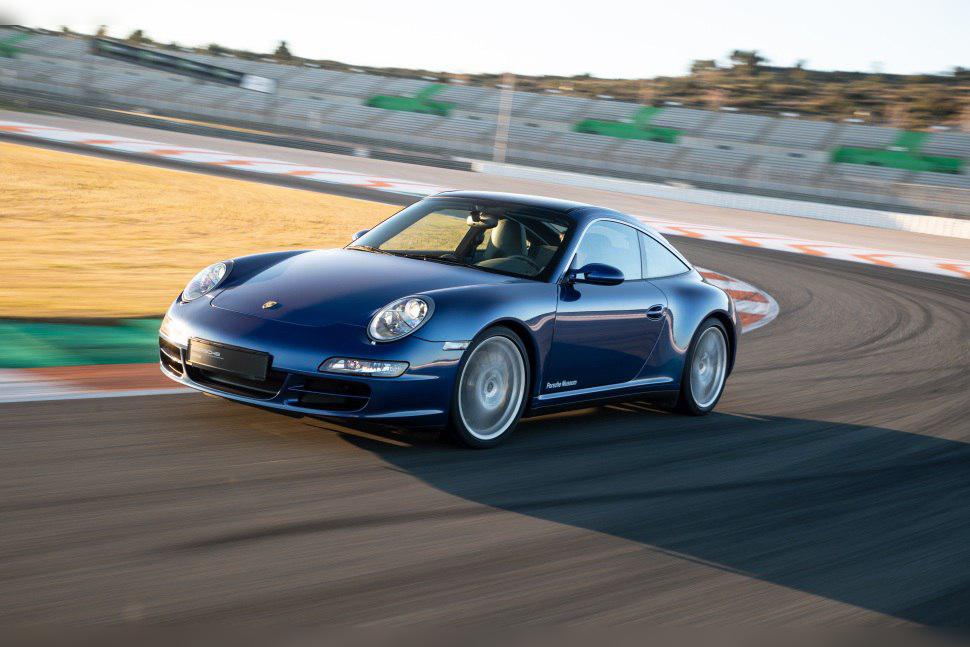
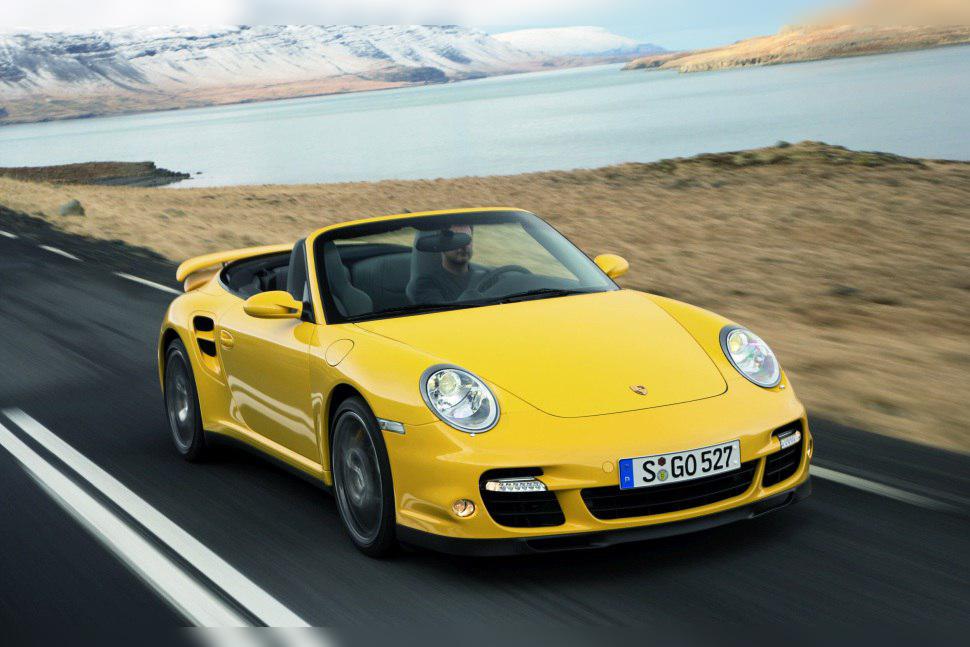
When the Porsche 911 of the 997 generation is mentioned, many enthusiasts consider it the pinnacle of design and a return to classic lines after the controversial 996. At the heart of the base Carrera models (as well as the Targa 4 and pre-facelift Cabriolet versions) beats the engine designated M96.05. This water-cooled six-cylinder boxer engine with a displacement of 3.6 liters delivers a healthy 325 hp and 370 Nm of torque. Its importance lies in the fact that it represents the last evolution of the M96 blocks before Porsche switched to an entirely new architecture with direct fuel injection (DFI) in the facelift versions (997.2). This text gives you a realistic picture of what it means to live with this engine, what tends to fail and how much it costs.
Technical specifications
| Parameter | Data |
|---|---|
| Engine code | M96.05 |
| Displacement | 3596 cc (3.6L) |
| Power | 239 kW (325 hp) |
| Torque | 370 Nm |
| Engine type | H6 (Boxer, 6 cylinders) |
| Injection type | Multi-point (Indirect injection) |
| Aspiration | Naturally aspirated |
Engine reliability and maintenance
Timing system: Belt or chain?
The M96.05 engine uses a chain-driven timing system (multiple chains inside the engine) to drive the camshafts. The chain set itself is very robust and rarely needs replacement below 200,000 km, provided the engine has been regularly serviced with quality oil. The problem with this timing system is not the chain itself, but the infamous IMS bearing (Intermediate Shaft Bearing) that connects the crankshaft to the camshaft chains.
Most common failures: IMS and cylinder scoring
When talking about issues with the M96.05 engine, two things dominate the discussions in garages around the world:
1. IMS bearing: Although a reinforced, upgraded bearing was fitted in the 997 generation (from 2005 onwards), the risk of failure still exists. If this bearing disintegrates, the chain jumps out of timing, valves hit the pistons and the engine suffers catastrophic failure. Symptoms include rattling from the rear of the engine and metal shavings in the oil filter. Many owners proactively replace this bearing with aftermarket solutions, which is very expensive (depends on the market), but still cheaper than replacing the entire engine.
2. Cylinder scoring (bore scoring): Due to piston design, block material (Lokasil) and thermal load, deep scratches can appear on the cylinder walls (most often on cylinder no. 6). Symptoms include increased knocking noise at idle (a “ticking” sound), drastically increased oil consumption and a black, sooty exhaust tip on the left side of the car. Repair requires a complete engine teardown and installation of new steel or Nikasil liners.
Service intervals, oil and spark plugs
Since the timing is chain-driven, a classic “major service” in the sense of timing belt replacement is not performed. However, every 60,000 to 80,000 km a more extensive inspection is recommended, including replacement of the accessory belt (serpentine belt), water pumps that are known to start leaking, as well as replacement of spark plugs and ignition coils. Spark plugs must be replaced at the mentioned 60,000 km or every 4 years, because proper combustion is crucial for thermal stability in boxer engines.
This engine takes a serious amount of oil – about 8 to 8.5 liters. The most commonly recommended viscosity is 0W-40 or 5W-40, of course fully synthetic that meets Porsche A40 specification. Many experts advise shortening the oil change interval to a maximum of 10,000 km or once a year.
Oil consumption
Due to its boxer architecture, this engine naturally consumes oil. According to factory specifications, up to 1.5 l/1000 km is tolerated, but in practice, a healthy engine usually consumes around 0.5 to 1 liter per 3,000 to 5,000 km. If you notice that the engine uses a liter of oil in less than 1,000 km, this is a serious red flag and a possible indicator of cylinder scoring or worn piston rings.
Specific parts and costs
This model has no DPF filter, no AdBlue and no notorious EGR valve like those found on modern diesels, nor does it have a turbocharger. This makes it much “cleaner” under the hood in terms of emissions-related components that could leave you stranded.
The engine has a dual-mass flywheel, but only in versions with a manual gearbox. The flywheel’s role is to smooth out boxer engine vibrations before they are transmitted to the gearbox. Its replacement (together with the clutch kit) is very expensive (depends on the market), and symptoms of wear include harsh judder when taking off and a characteristic clattering noise when the engine is idling.
As for the fuel injection system, it is a traditional indirect multi-point injection into the intake manifold. This is actually a big advantage, because petrol washes the intake valves, so this engine does not suffer from carbon build-up on the valves, which is a sore point of newer direct-injection engines. The injectors are very reliable and extremely rarely fail, and if they get dirty, they can easily be cleaned ultrasonically.
Another common (and not so serious) issue is leakage from the RMS seal (Rear Main Seal) of the crankshaft. Oil drips exactly between the engine and the gearbox. The part itself is not expensive, but the labor is demanding because the gearbox has to come out.
Fuel consumption and performance
If you are considering a Porsche, fuel consumption is probably not your primary concern, but it is important to be realistic. Real-world consumption in strictly urban driving conditions ranges between 16 and 19 l/100 km, depending on how heavy your right foot is. On the open road the situation is drastically better. When cruising on the motorway at 130 km/h, consumption drops to a reasonable 9 to 11 l/100 km.
Is the engine “lazy”? Absolutely not. The Porsche 911 997 weighs around 1,400 to 1,500 kg (depending on whether it is a Cabriolet, Targa or Carrera 4 with all-wheel drive). With 325 hp, the car accelerates convincingly and responds explosively to throttle input, especially above 4,000 rpm. At 130 km/h in top gear, the engine runs relaxed at around 3,000 rpm, providing calm and stable cruising without tiring noise in the cabin.
Additional options and modifications
LPG (autogas) conversion
Is the M96.05 suitable for an LPG conversion? Absolutely not. Although technically it has indirect injection, which makes installation easier than on DFI engines, the rear-mounted boxer engines in the 911 are already subject to enormous thermal stress. LPG raises combustion temperatures in the chambers, which will inevitably and drastically accelerate engine failure (especially cylinder scoring). Besides the technical issues, installing LPG ruins the luggage space, upsets the car’s balance and, most importantly, completely destroys the vehicle’s resale value.
Chiptuning (Stage 1 remap)
Since this is a large-displacement naturally aspirated engine without a turbocharger, the options for “chiptuning” are minimal. With a standard Stage 1 ECU remap you will gain at most 10 to 15 hp and a similar amount of torque. In real-world driving, you will not feel a significant difference in power, perhaps just a slightly sharper throttle response. This engine is already factory-optimized close to its limits for road use, so any money spent on remapping a naturally aspirated Porsche is essentially wasted.
Transmissions: Manual and Tiptronic S
This engine comes paired with two types of transmissions: an excellent 6-speed manual gearbox or a 5-speed automatic called Tiptronic S.
Manual gearbox
The manual offers a raw, genuine sports-car experience. Gear changes are short and mechanically precise. The most common problems at higher mileages are worn synchros (especially second gear), which manifest as grinding during fast shifts. As already mentioned, the car has a dual-mass flywheel, so replacing the clutch kit and flywheel is an expense that is considered very expensive (depends on the market). It is recommended to change the gearbox oil every 80,000 to 90,000 km.
Tiptronic S automatic
The Tiptronic S is actually an adapted Mercedes gearbox with a classic torque converter. Because of this, it does not have a dual-mass flywheel and does not require expensive clutch pack replacements. This gearbox is extremely, almost indestructibly reliable and handles the power of the M96.05 engine perfectly. Its biggest “downside” is technological obsolescence – shift speed is slow by today’s sports-car standards (especially compared to newer PDK gearboxes) and makes the car about half a second slower to 100 km/h compared to the manual. Maintaining the Tiptronic involves regular oil and filter changes in the gearbox roughly every 60,000 km.
Buying used and conclusion
What must be checked before buying?
Buying a Porsche with the M96.05 engine is not something you do with a neighborhood mechanic and a generic diagnostic tool. You must find a Porsche specialist who will perform the following steps:
- Borescope inspection (cylinder endoscopy): A camera must be inserted through the spark plug holes to check the condition of the cylinder walls. If there are signs of scoring, walk away from the car regardless of the price.
- IMS bearing history check: If the engine is of a later production date (post-2005), the chances of failure are lower, but you still need written proof and verification of when and whether it was replaced (and which type of bearing is inside).
- Inspection of the oil filter: During inspection, the mechanic should cut open the old oil filter and look for metal or copper shavings. Their presence is a sign that the engine is disintegrating from the inside.
- Exhaust smoke on cold start: A small puff of bluish smoke from a cold boxer engine after standing can be normal, but if it continues to emit blue smoke while running, stay away from that car.
Conclusion: Is this the right engine for you?
The Porsche 3.6 M96.05 engine is a fantastic piece of engineering that delivers an unforgettable driving experience, raw naturally aspirated sound and instant response that is rare in today’s automotive industry. It is intended for true enthusiasts who understand that owning a sports car means preventive maintenance, not just filling it up with fuel.
This engine is definitely not for someone who always drives on the edge of their budget. If you manage to find a car with a fully documented service history, where childhood diseases like the IMS bearing have been addressed, you will be rewarded with one of the best sports classics on the road. With the Tiptronic gearbox it is a superb and reliable grand tourer, while with the manual it offers the purist feel that only a true 911 can provide.