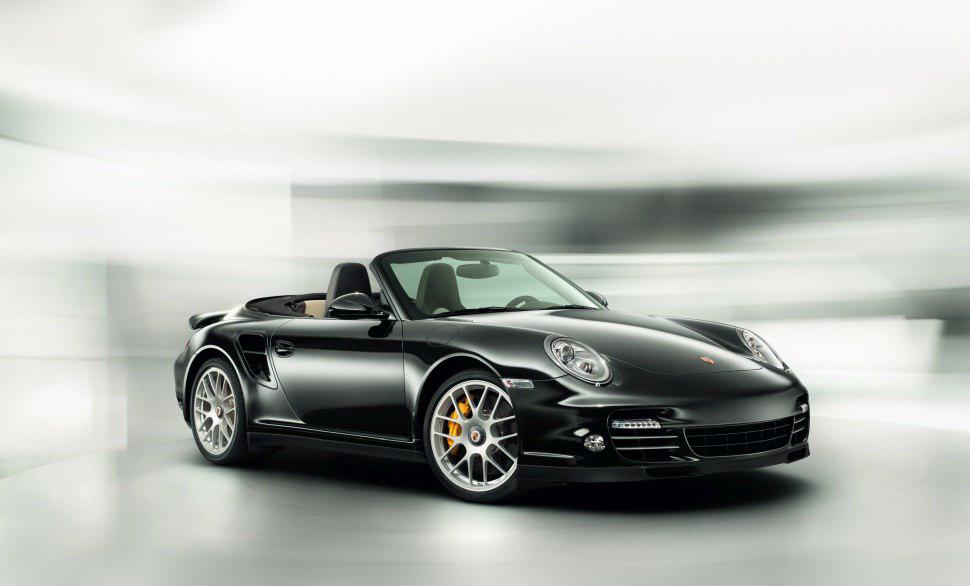
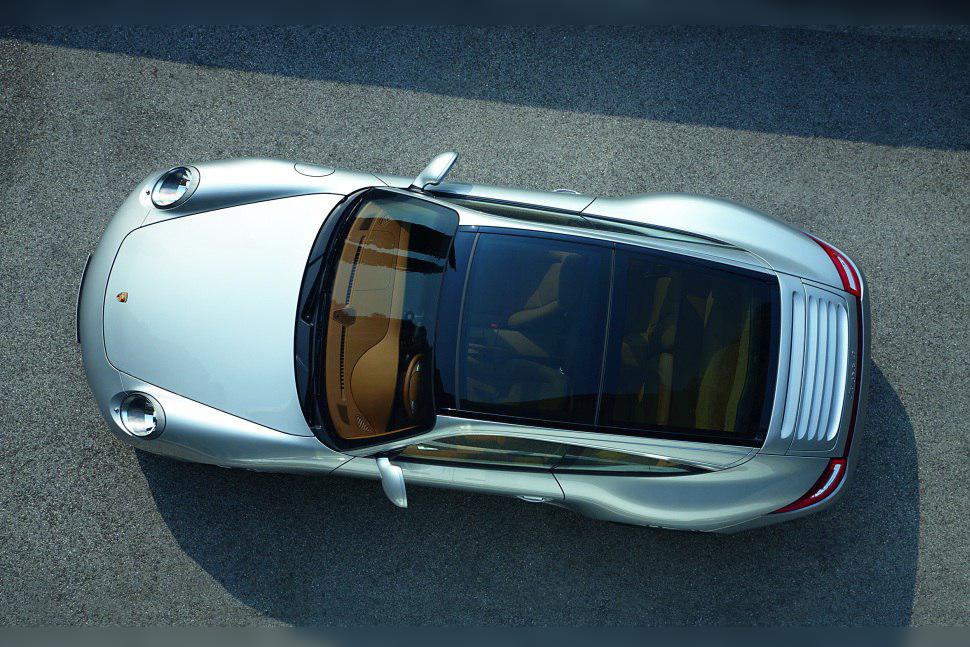
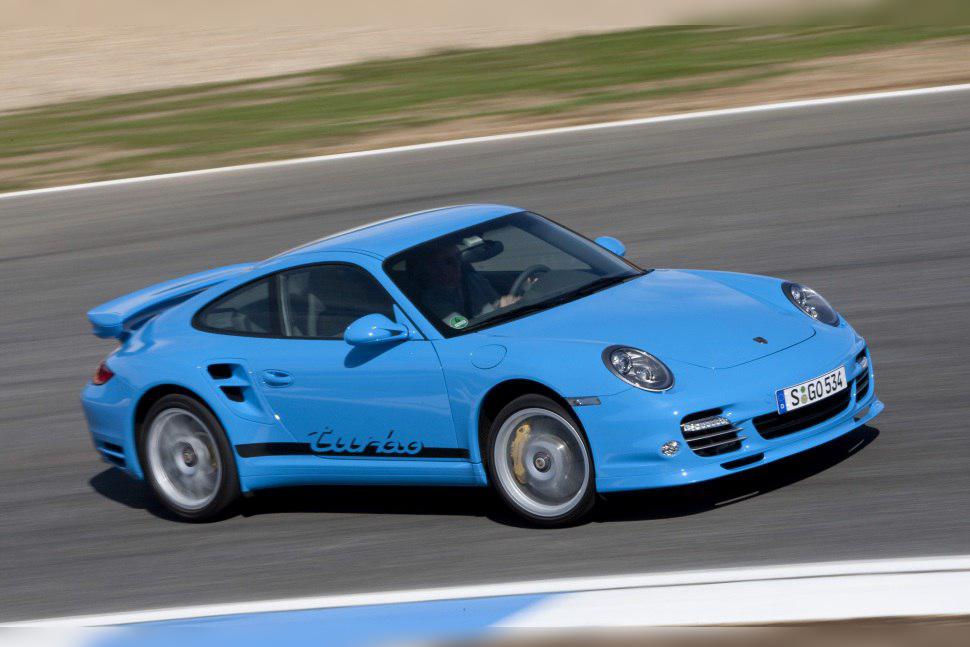
Engine MA1.01 (Porsche 3.8 DFI) – Experiences, problems, fuel consumption and used-buying tips
Key points in short (TL;DR)
- No IMS bearing: Unlike its predecessor (M97), this engine does not have the problematic intermediate shaft bearing, which makes it dramatically more reliable.
- Direct Fuel Injection (DFI): Brings more power and lower fuel consumption, but requires periodic intake valve cleaning due to carbon buildup.
- Sensitive High-Pressure Fuel Pump (HPFP): One of the most common failures on this engine.
- Bore scoring: Less frequent than on older models, but still a possible issue. Borescope inspection is mandatory before purchase.
- PDK gearbox: Brilliant and fast, but requires strict maintenance; repairs are extremely expensive.
- Oil consumption: Boxer engines naturally consume a bit of oil, but a sudden increase points to problems with piston rings or the Air Oil Separator (AOS).
Contents
- Introduction: Engine overview
- Technical specifications
- Reliability, maintenance and failures
- Specific parts and costs
- Fuel consumption and performance
- Extras, LPG and tuning
- Gearbox: Manual vs PDK
- Buying used and conclusion
Introduction: Engine overview
The engine designated MA1.01 (often known within the Porsche community as part of the 9A1 engine generation) marked a huge turning point for Porsche. It was installed from 2008 in the facelift version (code 997.2) of the legendary 911 model (Carrera S, Carrera 4S and Targa 4S). The main revolution of this powerplant is a completely new engine block from which the intermediate shaft and the infamous IMS bearing were eliminated, the very parts that caused nightmares for owners of the previous generation.
This is a thoroughbred, naturally aspirated, six-cylinder boxer engine with direct fuel injection (DFI). Its 385 hp is delivered linearly, with an incredible sound and fantastic throttle response. Although incomparably more reliable than its predecessor, it still has some specific quirks of modern technology that every buyer needs to be aware of.
Technical specifications
| Specification | Data |
|---|---|
| Displacement | 3824 cc (3.8 L) |
| Configuration | Flat-6 (6-cylinder boxer) |
| Power | 283 kW (385 hp) at 6500 rpm |
| Torque | 420 Nm at 4400 rpm |
| Engine code | MA1.01 (9A1 generation) |
| Injection type | DFI (Direct fuel injection) |
| Aspiration | Naturally aspirated |
Reliability, maintenance and failures
Timing system: Chain or belt?
This engine uses a timing chain. The chain in 9A1 engines is extremely robust, overengineered and rarely causes problems. There is no typical “chain snapping at 100,000 km” scenario like with some German competitors, and the tensioners and guides have shown excellent durability. Chain replacement is usually done only during a major engine overhaul at very high mileage.
Most common failures and symptoms
High-Pressure Fuel Pump (HPFP): Due to direct injection, the pump is under heavy load. Symptoms of failure include long cranking on cold start, rough idle, a “Check Engine” light and loss of power. Replacement is quite expensive (varies by market).
Air Oil Separator (AOS): The rubber diaphragm inside the separator eventually cracks due to high temperatures and age. Symptoms are thick white or bluish smoke from the exhaust (especially on first start in the morning) and extremely increased oil consumption. If not addressed, it can lead to hydrolock and complete engine destruction.
Bore scoring: Although much less common than on M97 engines from the 997.1 generation, the cylinders can still develop scoring and grooves due to the oil film being washed off the walls (often because of faulty injectors). Symptoms include asymmetrically black (sooty) exhaust tips on just one side, increased knocking from the engine (similar to noisy lifters) and higher oil consumption.
Carbon build-up: Because of direct fuel injection (DFI), gasoline does not wash over the intake valves. Over time, a hard layer of carbon forms on them. Symptoms are loss of performance, slight hesitation and somewhat higher fuel consumption. Walnut blasting of the intake valves is recommended every 80,000 to 100,000 km.
Major and minor service
Since the engine uses a chain, a classic “major timing service” is not done at a fixed mileage. However, at around 100,000 km or every 6 years it is mandatory to inspect and replace the accessory belt, idler, tensioner and the water pump. The water pump on these engines can start leaking or develop play in the bearing. If the pump shaft breaks, overheating an aluminum engine block is fatal.
Oil and spark plugs
The engine takes about 7.5 to 8 liters of oil (depending on whether you change the filter and how much old oil is drained). The recommended viscosity is 0W-40 or 5W-40, with mandatory “Porsche A40” approval. Forget the factory service interval (often 30,000 km) – change the oil every 10,000 km or once a year if you want a long-lived engine.
Oil consumption: The boxer layout means the cylinders lie horizontally. It is normal for the engine to “use” some oil, especially under spirited driving. Normal consumption is considered to be 0.3 to 0.8 liters per 1000 km. If it uses more than 1 L per 1000 km, that’s a red flag to check the AOS or cylinder condition.
Spark plugs and coils: Spark plugs must be replaced every 60,000 km or every 4 years. Due to the specific engine position and the rear silencer located close by, the coils are exposed to very high temperatures and their plastic housings tend to crack. For that reason, they are often replaced preventively together with the spark plugs.
Specific parts and costs
Dual-mass flywheel: Yes, versions with a manual gearbox have a dual-mass flywheel. Given the high torque of 420 Nm and the car’s sporty nature, it is under a lot of stress. Replacing the clutch kit and dual-mass flywheel is very expensive (varies by market).
Fuel injection system: As mentioned, the system is based on DFI technology. The injectors operate at high pressure and are extremely important for this engine. If an injector “pisses” fuel instead of atomizing it, that fuel will wash the oil film off the cylinder wall and can cause catastrophic engine failure. Preventive injector checks via diagnostics are recommended at every service.
Turbocharger, DPF, EGR, AdBlue: Good news! Since this is a naturally aspirated petrol engine, it has no turbo, no DPF filter, no complicated EGR valve choking the intake, and no AdBlue system. Thanks to the absence of these components, the MA1.01 is mechanically much more predictable to maintain than modern turbo engines.
Fuel consumption and performance
With 385 hp from 3.8 liters of displacement, this engine turns the 997.2 into a serious machine. The engine loves high revs and is anything but lazy. The 911’s curb weight is around 1450–1500 kg, which means the power-to-weight ratio is excellent. Throttle response is sharp and immediate, with none of the “turbo lag” typical of newer 911s.
Fuel consumption:
- City driving: Expect a realistic 15 to 18 l/100 km. Large displacement and constant stop-and-go traffic simply demand fuel.
- Highway / Motorway: At 130 km/h, depending on the gearbox (6th gear on the manual or 7th on the PDK), the engine “cruises” at about 2400–2700 rpm. At these speeds, fuel consumption drops to a very acceptable 9 to 11 l/100 km.
Extras, LPG and tuning
LPG conversion: Absolutely and categorically NO. The DFI system, the specific rear-mounted boxer configuration, and the extremely high exhaust gas temperatures make this engine completely unsuitable for LPG. Attempting an LPG conversion would most likely result in burnt valves and total engine destruction in record time.
ECU remap (Stage 1): Since this is a naturally aspirated engine that is already almost factory-optimized to the limit, a typical Stage 1 remap brings very small gains, usually around 15 to 25 hp and a few Nm of torque. Some owners do a remap for sharper throttle response, but you will not feel a dramatic change in performance. Your money is better spent on a quality exhaust system or good tires.
Gearbox: Manual vs PDK
The car was offered with a fantastic 6-speed manual gearbox and the then-revolutionary 7-speed PDK (Porsche Doppelkupplungsgetriebe – dual-clutch transmission).
Manual gearbox: Very precise, offering a “mechanical” driving feel. The most common issues are difficulty engaging first gear when cold (usually solved by changing the gearbox oil and checking the cables) and clutch wear due to aggressive launches. Gearbox oil in the manual is recommended to be changed every 80,000 km.
PDK gearbox: For many, the best automatic in the world. It shifts gears lightning fast. However, it is very complex. Failures are rare, but when they do occur, the most common issues are position sensors, mechatronics failure or oil leaks at the seals. PDK repairs are extremely expensive (varies by market), and only a small number of workshops in Europe have the knowledge to rebuild them, so the whole unit is often replaced.
PDK servicing: This is the most important point. The oil in the clutch section (Pentosin FFL-3) MUST be changed at a maximum of 90,000 km or every 6 years. The oil in the gear section (gearset) is changed at 180,000 km or 12 years, but good mechanics recommend halving this interval.
Buying used and conclusion
Buying a Porsche 911 (997.2) with the MA1.01 engine is a serious investment. These are the steps you absolutely must take before paying:
- Borescope inspection (camera in the cylinders): Do not buy the car without this! The inspection is done by removing the spark plugs and inserting a camera to check the cylinder walls. If there is scoring, walk away from the deal because a full engine rebuild is waiting for you.
- Cold start: The car must be completely cold. Listen for chain rattle lasting more than a couple of seconds and pay attention to the density and color of the exhaust smoke. Light white condensation is fine, but a cloud of bluish smoke means trouble.
- Over-rev report: Using the original Porsche PIWIS diagnostics, the technician must pull the rev range report (Rev ranges 1–6). This report will tell you exactly whether the previous owner downshifted at too high speeds and pushed the engine beyond the factory rev limiter into the red zone. Significant numbers in ranges 4, 5 and 6 are a big red flag.
- Suspension condition: These cars have extremely direct steering. Check for play in the control arms and steering rack, as well as tire wear, which tends to be uneven on the rear axle due to aggressive camber.
Conclusion: The MA1.01 is probably one of the best naturally aspirated engines Porsche has built in the modern era. Free from the catastrophic IMS bearing flaw, it offers outstanding performance and holds its value extremely well. It is intended for true drivers and enthusiasts who understand that a premium sports car demands top-quality oil, preventive maintenance and a skilled specialist. If you find a car with a proper service history and clean cylinders, you will own a machine that delivers one of the purest driving experiences on the planet.