Porsche MA1.02 Engine (3.6L 345 HP) – Experiences, Problems, Fuel Consumption and Used-Buying Tips
- This is the first generation of Porsche engines without the problematic IMS bearing, which makes it significantly more reliable than its predecessors.
- It uses a timing chain, which has proven to be extremely durable and rarely requires replacement.
- The most well-known specific issue is failure of the high-pressure fuel pump (HPFP) due to the direct injection system.
- Because of DFI (Direct Fuel Injection) technology, it is prone to carbon buildup on the intake valves.
- It is available with an excellent manual gearbox or the revolutionary 7-speed PDK automatic.
- Maintenance is very expensive (Depends on the market), requiring only premium parts and qualified technicians.
Contents
- Introduction and Engine Significance
- Technical Specifications
- Reliability and Maintenance
- Specific Components and Costs
- Fuel Consumption and Performance
- Additional Options and Modifications
- Transmissions and Drivetrain
- Buying Used and Conclusion
Introduction and Engine Significance
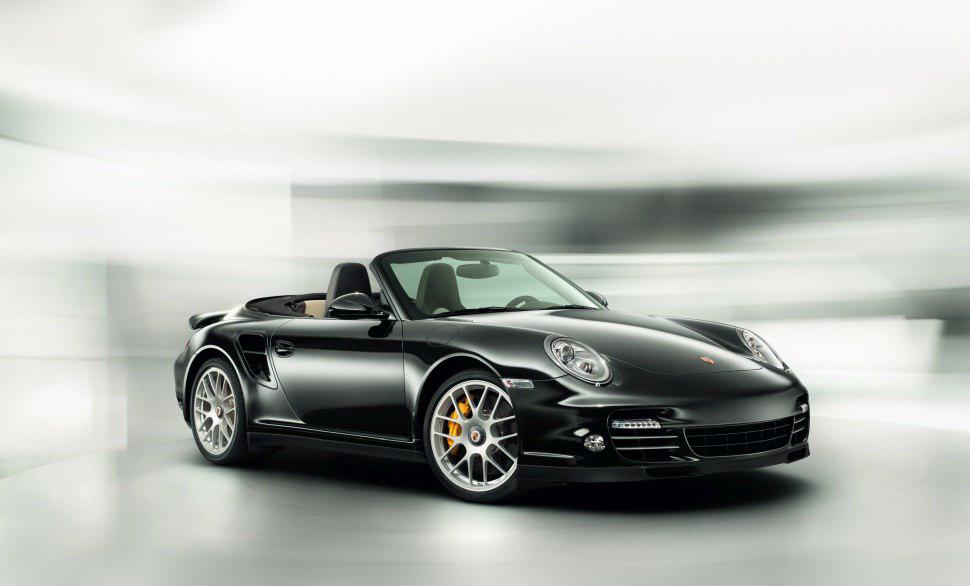
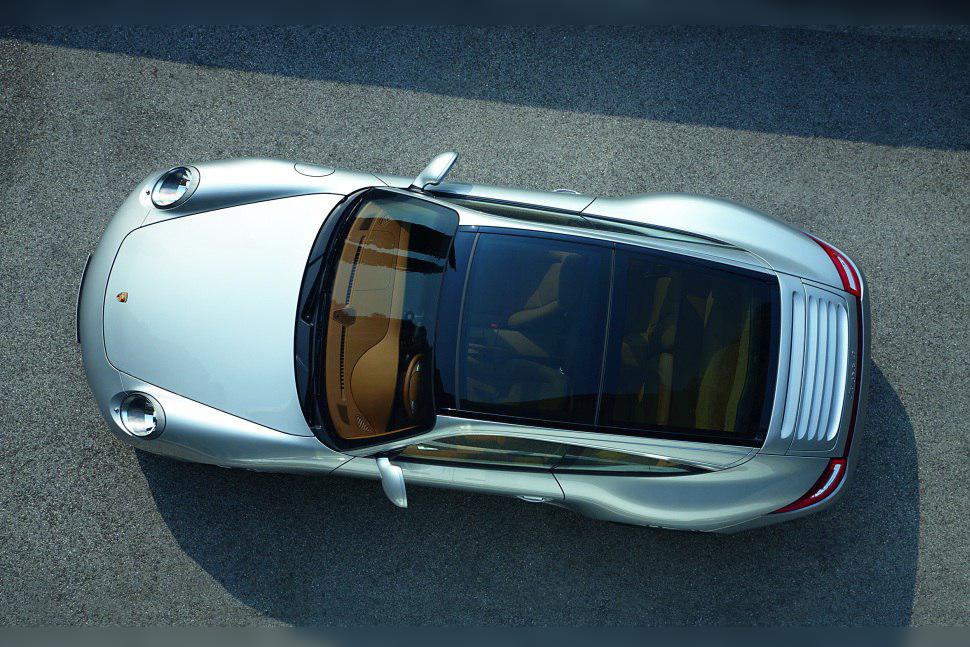
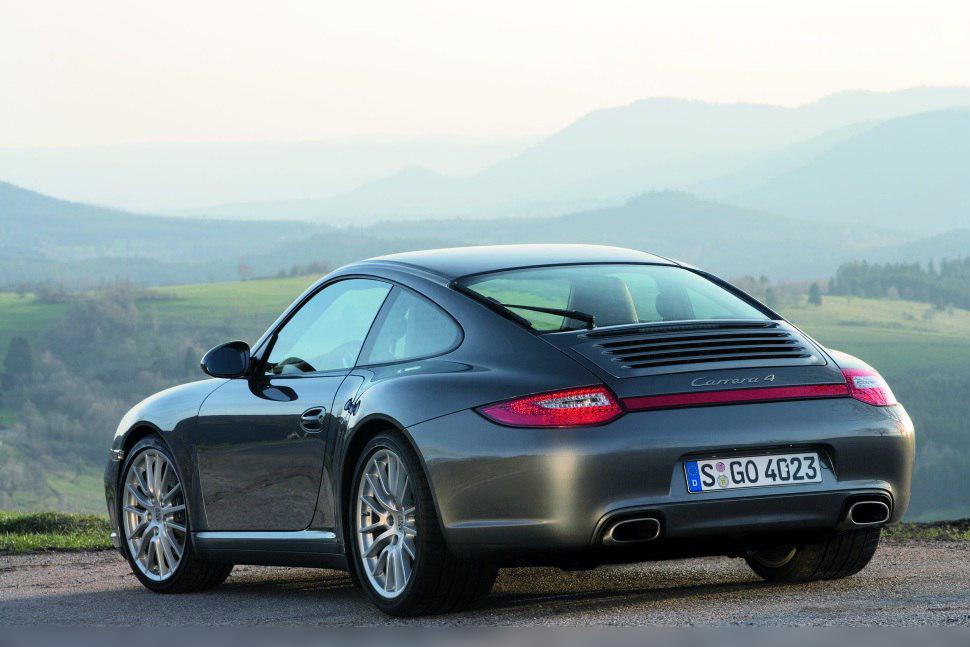
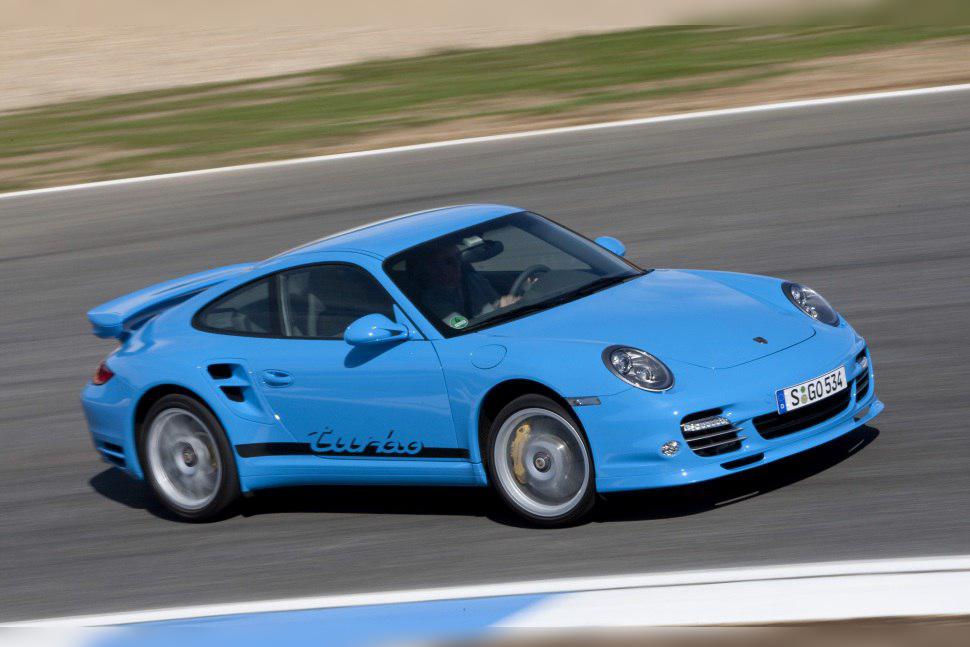
The engine designated MA1.02 represents a true turning point in the modern history of the Porsche brand. Installed in the 997 series (facelift generation, known as 997.2 from 2008), this powerplant brought radical changes under the hood of the Carrera, Carrera 4 and Targa 4 models. It is a completely new design compared to the previous M96/M97 series. The most important news for all enthusiasts and potential buyers is that this engine does not have an IMS bearing (Intermediate Shaft), eliminating the biggest nightmare of owners of older generations. It is also the first 911 flat-six engine with direct fuel injection (DFI), which brought more power, better throttle response and more modern emissions standards.
Technical Specifications
| Specification | Data |
|---|---|
| Engine displacement | 3614 cc (3.6L) |
| Power | 254 kW (345 HP) |
| Torque | 370 Nm |
| Engine code | MA1.02 |
| Injection type | Direct injection (DFI) |
| Aspiration | Naturally aspirated engine |
| Configuration | Flat-6 (Boxer, 6 cylinders) |
Reliability and Maintenance
This engine uses a timing chain, which is very robust and positioned in such a way that it is under less stress than with some other manufacturers. Problems with chain stretch are extremely rare and are not considered a common failure. The traditional “major service” with timing belt replacement does not exist here, but a visual inspection of the chain and tensioners is recommended at around 150,000 km, as well as replacement of the auxiliary (serpentine) belt and rollers every 90,000 km.
When it comes to the most common failures, owners of MA1.02 engines mostly encounter issues related to direct injection. The first batches (2008–2009) had a weaker high-pressure fuel pump (HPFP). Symptoms of a failing pump include extended cranking, rough idle, a “check engine” light and loss of power. In addition, due to the DFI system, gasoline no longer washes the intake valves, which leads to carbon buildup on them. Decarbonization (walnut shell blasting) is recommended every 80,000 to 100,000 km to keep the engine performing properly.
Oil is the lifeblood of this flat-six. The sump holds about 7.5 liters of oil (including the filter), and the factory usually recommends 0W-40 or 5W-40 grades (Porsche A40 approval). Oil change intervals should not exceed 10,000 to 15,000 km, regardless of what the factory “long-life” service plan says. Flat engines naturally consume oil. Consumption of 0.3 to 0.5 liters per 1,000 km is considered completely normal, and under aggressive driving on track or at high revs it can reach 1 liter per 1,000 km, which is still within factory tolerances. If you notice bluish smoke on startup, this may indicate worn oil control rings or the notorious bore scoring (cylinder wall damage), although this is drastically rarer on this engine than on the older 3.8 M97 unit.
As a classic high-performance gasoline engine, the MA1.02 requires regular attention to the ignition system. The spark plugs and coils are located very close to the exhaust manifolds (a peculiarity of the boxer design) and are exposed to enormous temperatures. The spark plug replacement interval is strict: every 60,000 km or every 4 years, whichever comes first. If the interval is exceeded, the plugs can seize in the cylinder head, leading to extremely expensive repairs.
Specific Components and Costs
Unlike many modern power units, the MA1.02 is a thoroughbred naturally aspirated engine. There are no turbochargers, no intercoolers, and therefore no failures related to them. It also has no DPF filter (that’s reserved for diesels and newer gasoline engines with GPF), nor an AdBlue system. A classic EGR system in the sense of a valve that clogs does not exist; exhaust gas recirculation is handled by valve overlap via the advanced VarioCam Plus system (variable valve timing and lift).
The injection system, as mentioned, is direct. The injectors themselves are generally reliable, but they require high-quality fuel. Occasional cleaning with fuel additives (PEA-based) helps maintain proper spray pattern. If an injector “leaks,” it can wash the oil film off the cylinder wall and cause catastrophic engine damage. The price of new DFI injectors is high (Depends on the market).
If the car has a manual gearbox, it has a dual-mass flywheel. Its lifespan heavily depends on driving style. Symptoms of failure include strong vibrations when setting off, rattling at idle and jerks when changing gears. Replacing the clutch kit together with the dual-mass flywheel is very expensive (Depends on the market), because it requires extensive work and disassembly at the rear of the vehicle.
Fuel Consumption and Performance
Although this is a sports car with 345 HP, the introduction of direct injection significantly optimized fuel consumption. In city driving with stop-and-go traffic, consumption ranges between 14 and 18 l/100 km. On the other hand, the aerodynamics of the 911 and the engine’s power really come into play on open roads.
As for the question of whether this engine is “lazy” – the answer is absolutely not. With a curb weight of around 1,450 to 1,550 kg (depending on whether it’s a Coupe, Cabrio, RWD or 4WD), 345 HP and 370 Nm of torque allow a 0–100 km/h sprint in under 5 seconds. The engine needs revs to show its full potential (maximum torque is at a high 4,400 rpm), so it should be driven enthusiastically. The naturally aspirated character provides an extremely linear and predictable power delivery.
On the highway, the 997.2 is a phenomenal cruiser. At 130 km/h in seventh gear (with the PDK gearbox), the engine spins at a very low, relaxed ~2,200–2,400 rpm. Thanks to this, highway fuel consumption can drop to a surprising 8.5 to 10 l/100 km, which makes it an excellent GT car for long journeys.
Additional Options and Modifications
LPG (Autogas) conversion on this engine is technically possible using specialized systems for direct-injection engines, but in the world of sports cars it is considered utter nonsense and mechanical “blasphemy.” Besides the fact that it is extremely difficult to fit a tank and installation in the rear of a 911 (the engine is in the back, the trunk in the front), such a modification drastically reduces the car’s value, reliability and cooling of the engine’s injectors. Therefore, the short answer: Absolutely not.
When it comes to “chipping” (Stage 1), given that this is a naturally aspirated engine, the gains are marginal. ECU remapping can extract only about 10 to 15 HP (around 10–15 kW) and a barely noticeable increase in torque. The biggest benefit of a Stage 1 tune on this engine is a slightly improved throttle response, but from a cost/benefit perspective, a classic “chip tune” simply isn’t worth it here. Installing a higher-quality exhaust system for better sound makes much more sense.
Transmissions and Drivetrain
The MA1.02 engine was paired with two types of transmissions. The first is a robust 6-speed manual gearbox (manufactured by Aisin), and the second is the then brand-new 7-speed PDK (Porsche Doppelkupplung) dual-clutch automatic with wet clutches (manufactured by ZF). PDK replaced the old and slow Tiptronic technology.
Transmission Failures and Maintenance
Manual gearboxes are extremely durable, and failures are mostly limited to wear items – pressure plate, clutch disc, release bearing and dual-mass flywheel. Sometimes the shift cables can become stiff or snap due to age.
The PDK gearbox is a masterpiece of engineering, shifting gears lightning-fast, but when it fails, the costs are astronomical. The most common problems on the early generation of PDK gearboxes include failure of the oil temperature sensor and internal position sensors (which requires opening the transmission), as well as issues with the mechatronics unit. Porsche often does not offer individual parts for the PDK, but sells the entire gearbox as an exchange unit, which is very expensive (Depends on the market), although there are now specialized workshops that successfully overhaul them.
The service interval for transmissions is crucial for their longevity. For the manual gearbox, the oil should be changed every 100,000 km. For the PDK gearbox, the factory recommends changing the clutch oil and filter at 90,000 km (or every 6 years). However, experienced mechanics advise shortening that interval to 60,000 km, especially if the car is driven aggressively.
Buying Used and Conclusion
Buying a Porsche with the MA1.02 engine (997.2) is a much “safer” investment compared to the 997.1 generation, precisely because of the absence of the IMS bearing. Nevertheless, a pre-purchase inspection (PPI) at a specialized workshop is mandatory.
What exactly should you check?
- PIWIS diagnostics: It is MANDATORY to read the so-called “over-rev” report. The system records how many times the engine has gone into the red zone (divided into 6 ranges). Ranges 1–3 are acceptable, but ignitions in ranges 4–6 mean that the previous owner made serious shifting errors (mechanical over-rev), which can lead to valve damage.
- Cylinder endoscopy (borescope inspection): Ask for an inspection of the cylinder walls with a micro camera through the spark plug holes (from below, not just from above) to rule out the risk of scoring.
- Cold start and noises: On first startup, listen for suspicious knocking from the engine block. Brief rustling and a bit of smoke are normal (due to the boxer configuration), but thick, continuous blue smoke indicates problems with oil control rings or cylinders.
- PDK behavior: During the test drive, the PDK must shift gears smoothly, without jerks when moving off and without hesitation when downshifting.
Conclusion
The 3.6L MA1.02 engine (345 HP) is one of the most desirable engines for entering the world of the classic Porsche 911 experience. It will delight drivers looking for a purist experience with a naturally aspirated soundtrack, fantastic throttle response and robust mechanics. It is intended for true driving enthusiasts who are willing and financially able to maintain the car without compromise. With preventive HPFP replacement and regular decarbonization, this is an engine that, with proper servicing, easily exceeds 250,000 km while providing top-notch enjoyment on every kilometer driven.