Porsche 3.8 MA1.03 (400 HP): Experiences, issues, fuel consumption and used-buying tips
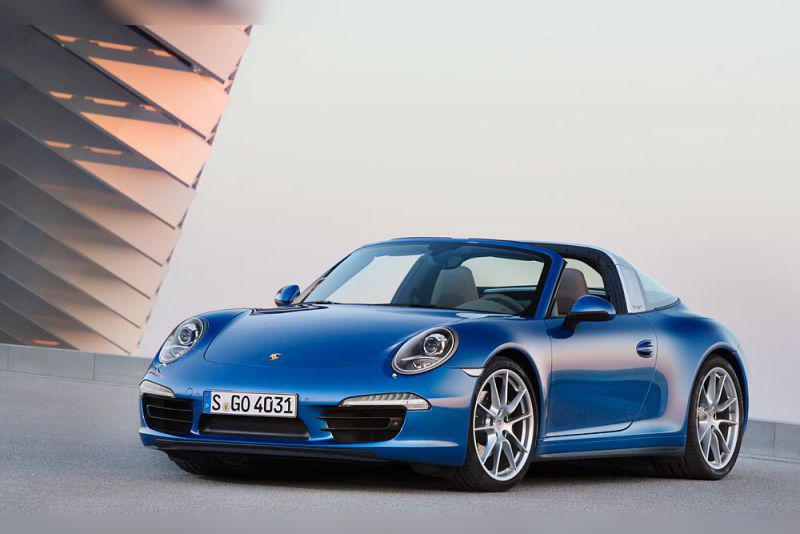
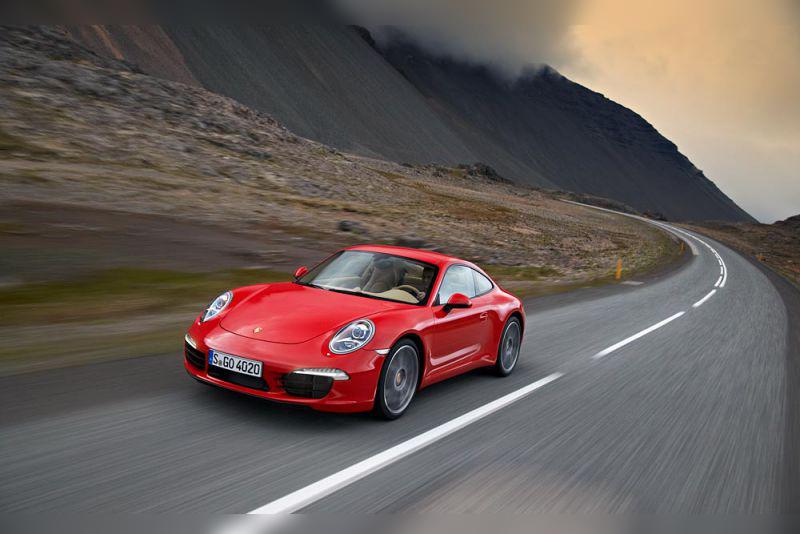
When someone mentions the Porsche 911 (991.1 generation) in Carrera S and 4S versions, the engine code MA1.03 commands serious respect among enthusiasts. This is the last naturally aspirated engine in the standard Carrera before Porsche switched to 3.0‑liter turbo units. Its scream at 7,400 rpm, phenomenal throttle response and brutally linear power make it a true engineering gem. But what is this engine like to maintain, what tends to fail, and what should you look out for when buying a used 911? Let’s dissect it.
Key points in short (TL;DR)
- Last naturally aspirated engine: No turbochargers, which means pure sound, linear torque delivery and fewer components exposed to extreme temperatures.
- Chain-driven timing: The timing system uses chains that are extremely reliable and rarely require replacement.
- Systemic weak points: Pay attention to the air‑oil separator (AOS), water pump and high‑pressure fuel pump (HPFP).
- Transmissions: The 7‑speed PDK automatic is dominant and excellent, but a potential failure of the internal position sensor is very expensive (depends on market).
- Oil consumption: Direct injection and boxer construction mean that oil consumption is normal (up to 0.5 L per 1,000 km in spirited driving).
- Pre‑purchase inspection: PIWIS diagnostics is mandatory to check the over‑rev report (whether the engine has been pushed beyond the redline).
Contents
- Technical specifications
- Reliability and maintenance
- Specific components and costs
- Fuel consumption and performance
- Additional options and modifications
- Transmission (PDK and manual)
- Buying used and conclusion
Technical specifications
| Parameter | Data |
|---|---|
| Engine code | MA1.03 |
| Engine displacement | 3800 cc (3.8 liters) |
| Configuration | Flat‑6 (6‑cylinder boxer) |
| Power | 294 kW (400 HP) at 7,400 rpm |
| Torque | 440 Nm at 5,600 rpm |
| Injection type | Direct fuel injection (DFI) |
| Aspiration | Naturally aspirated |
| Fuel type | Petrol (minimum 98 RON recommended) |
Reliability and maintenance
The MA1.03 engine uses a chain‑driven timing system, with multiple chains due to the complex boxer architecture. The good news is that the timing setup is extremely robust. There is no classic “major service” with a timing belt replacement. However, a major service on this engine includes replacement of the serpentine belt (accessory drive belt), idler pulleys, tensioner, water pump and spark plugs, usually at 60,000 to 80,000 km. The rear bumper has to come off, so labor is not cheap.
Most common issues and symptoms:
- Air‑oil separator (AOS): This is a classic weak point of Porsche boxer engines. When the membrane in the separator fails, the engine starts pulling a large amount of oil into the intake manifold. Symptom: on cold start, thick white or bluish smoke comes out of the exhaust, and idle can become rough. Replacement is necessary to prevent engine damage (hydrolock).
- Water pump and thermostat: Coolant leaks are relatively common after 80,000 km. The driver will notice a drop in coolant level or puddles under the rear of the car. If the pump starts making noise (squealing or grinding), it must be replaced urgently.
- Coil packs: Due to the specific layout of the boxer engine, the coils sit close to the exhaust manifolds and are exposed to extreme heat. The plastic housings crack over time. Symptom: hesitation under full throttle and misfire codes on diagnostics.
As for lubrication, this engine takes about 7.5 liters of oil at change. A viscosity of 0W‑40 or 5W‑40 is recommended, but it is absolutely crucial that the oil meets Porsche A40 specification. Oil consumption: Yes, this engine uses oil. Due to cylinder design and performance, it is normal for the engine to consume between 0.2 and 0.5 liters per 1,000 km. Porsche officially tolerates up to 0.8 liters under extreme track use. Because of this, checking the oil level on the digital gauge is mandatory before every longer trip.
As a thoroughbred petrol engine with direct injection, spark plugs are replaced every 60,000 km or every 4 years (whichever comes first). Due to the heat and direct injection, delaying replacement leads to misfires, which can permanently damage the expensive catalytic converters.
Specific components and costs
This engine uses direct fuel injection (DFI), which means it has a high‑pressure fuel pump (HPFP). The pump itself can fail, especially on early cars (2012–2013). Symptoms of a dying HPFP are long cranking before the engine starts and loss of power at high rpm. The repair is expensive (depends on market). Injectors rarely fail, but if they start to leak (“dribble”), they can wash the oil film off the cylinder wall and cause cylinder damage (bore scoring), although this is much rarer on the 991 generation than on older 997 models.
Unlike more modern versions, this engine has no turbocharger (neither single nor twin). That drastically reduces the potential for very costly repairs. Also, since this is a petrol engine from the pre‑OPF (Otto Particulate Filter) era, it does not have a DPF filter or AdBlue system to cause trouble. There is no conventional EGR valve that clogs with soot; exhaust gas recirculation is mostly handled via valve overlap and the AOS system mentioned above.
Fuel consumption and performance
Do not kid yourself – 3.8 liters and 400 horsepower need to be fed. Real‑world city consumption is between 14 and 18 liters per 100 km, depending on how heavy your right foot is and how bad the traffic is. This is not a car for stop‑and‑go commuting.
Once you get it out of the city, the engine shows its true character. Is it lazy? Absolutely not. A 991‑generation body weighs around 1,400 to 1,500 kg (depending on whether it is a Cabrio, Targa, or 4S). With 400 HP and 440 Nm, 0–100 km/h takes under 4.5 seconds. Throttle response is instant, and the engine wakes up with huge enthusiasm above 4,000 rpm.
On the highway, the 911 shines. Thanks to the 7‑speed gearboxes (both manual and PDK), seventh gear acts as an overdrive (long ratio for cruising). At 130 km/h, the engine hums along at a relaxed 2,100 to 2,300 rpm. Thanks to this, highway fuel consumption can drop to an impressive 8–9 l/100 km, provided you drive at a steady pace.
Additional options and modifications
LPG conversion? Absolutely and categorically: NO. Installing LPG on a high‑performance naturally aspirated boxer with direct injection is technically extremely complex, not cost‑effective, and defeats the whole purpose of owning a Porsche. On top of that, there is practically no space for the tank unless you completely sacrifice the front trunk. If fuel consumption is your decisive factor, this is not the car for you.
As for chiptuning (Stage 1), gains on a naturally aspirated engine are very modest. Remapping the ECU on the MA1.03 will give you at most 15 to 20 HP and a minimal torque increase. Some owners do Stage 1 just to change throttle response and gearbox aggressiveness, but in terms of raw power you will not feel a big difference without serious mechanical changes (different exhaust manifolds, sports catalytic converters).
Transmission (PDK and manual)
This engine is paired with two types of gearboxes:
- 7‑speed manual gearbox: For true purists. This gearbox uses a dual‑mass flywheel. The clutch kit and dual‑mass flywheel on a 911 are wear items, especially if the car is driven hard or launch control is used (less common on manuals). Replacing both parts is very expensive (depends on market) and requires removing the gearbox. The oil in the manual gearbox should be changed at 90,000 km.
- 7‑speed PDK (Porsche Doppelkupplung): One of the best dual‑clutch automatic transmissions in the world. The PDK shifts lightning‑fast and matches the character of the 3.8 engine perfectly. Yes, the PDK also has a specific type of torsional damper (similar to a dual‑mass flywheel) in front of the clutch module. Mechanical failures of the gearbox itself are rare, but the biggest issue is failure of the internal distance/position sensor. The symptom is a “Gearbox fault” message and the transmission getting stuck in one gear. Official dealers only offer complete gearbox replacement (astronomical cost), but independent specialist shops can now repair that sensor (still expensive, but far more reasonable).
PDK service: The clutch fluid (Pentosin) is, according to the book, changed at about 90,000 km or every 6 years, while the gear oil is changed at 180,000 km or 12 years. Experienced technicians strongly recommend doing a complete service (both oils and filter) every 60,000 to 80,000 km for longevity.
Buying used and conclusion
Buying a Porsche 911 3.8 (991.1) is not like buying an ordinary car; it is an investment in emotion, and mistakes are paid in hundreds or even thousands of euros. What must you check before handing over your money?
- PIWIS diagnostics and over‑rev report: Porsche logs how many times and for how long the engine has been over‑revved (pushed past the limiter). There are 6 zones (Range 1–6). Zones 1 and 2 are normal hits on the limiter during acceleration. If the car has logged hours in zones 4, 5 and 6 (which means it was shifted into a lower gear at too high a road speed so the crankshaft was forced beyond the rev limit), the engine has been under enormous stress and may be damaged. Walk away from such a car.
- Cold start: Always insist that the car be completely cold when you view it. Let the owner start it while you watch the exhaust. If it blows out a huge cloud of smoke that does not stop, the AOS is in trouble or the cylinders are damaged.
- Engine sound: A boxer at idle sounds somewhat mechanically noisy, but it should not sound like a sewing machine or have a pronounced, uneven knock from one side of the block (potential bore scoring – cylinder wall damage and piston slap).
- Inspection on a lift: Look for oil leaks around the joint between engine and gearbox (RMS – rear main seal) and traces of pink fluid (coolant around the water pump).
Who is this engine for? The MA1.03 in the 991.1 generation is a fantastic choice for true car enthusiasts who appreciate the sound and response of a naturally aspirated engine. It is aimed at drivers who want to enjoy twisty mountain roads on weekends and do not mind a slightly harsher experience in city traffic. Since later models switched to turbo technology, these engines hold their value very well. If you find a car with a proper service history and a clean PIWIS report, maintenance, although very expensive (depends on market), will pay you back through an irreplaceable driving experience.