Porsche 911 3.0 BiTurbo MDC.JA (450 hp) – Experiences, issues, fuel consumption and used-buying tips
Key points in short (TL;DR)
- The engine uses a timing chain which is extremely durable; there is no classic major service in the sense of timing belt replacement.
- The main potential issues are related to carbon buildup on intake valves (due to direct injection) and coolant leaks around the water pump.
- Performance is outstanding, 450 hp moves the body with ease, and throttle response is instant despite the turbochargers.
- The PDK gearbox is an industry benchmark, but failures of the mechatronics unit and sensors are very expensive (depends on the market).
- Oil consumption on high‑performance boxer engines is normal; regularly checking the oil level is mandatory.
- Installing LPG (autogas) on this engine is technologically pointless and financially risky.
Contents
- Technical specifications
- Reliability and maintenance
- Specific parts and costs
- Fuel consumption and performance
- Additional options and modifications
- Gearbox and clutch
- Buying used and conclusion
Introduction
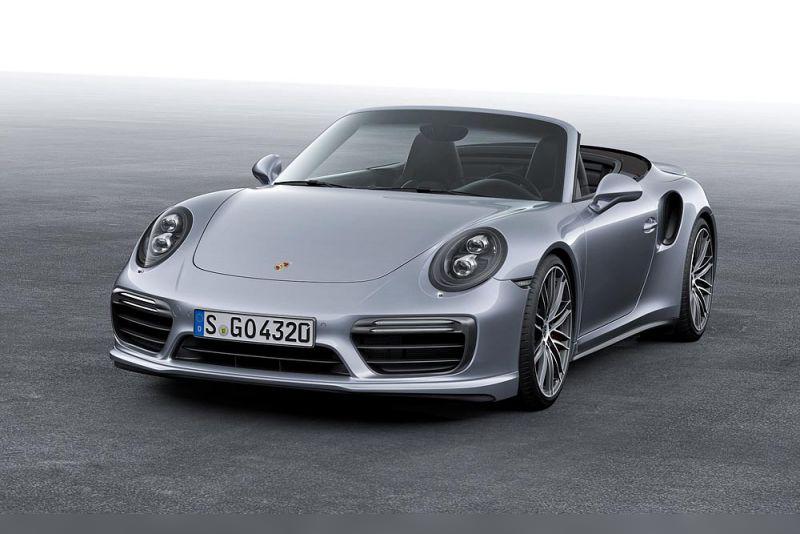
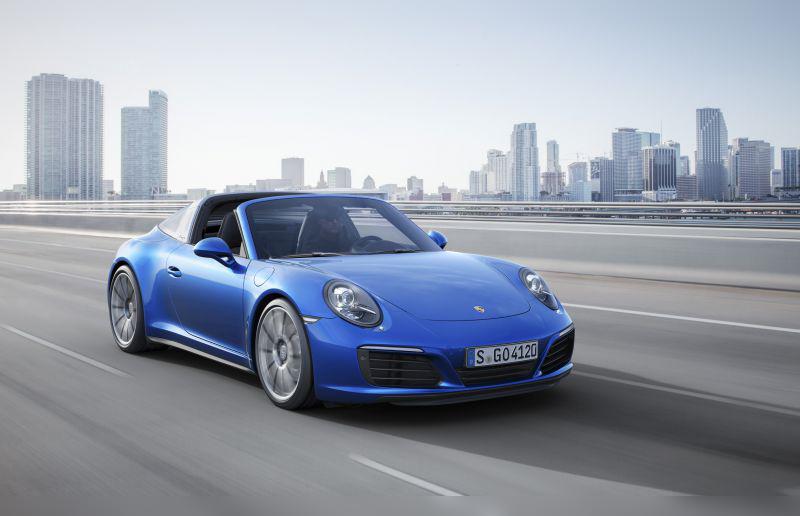
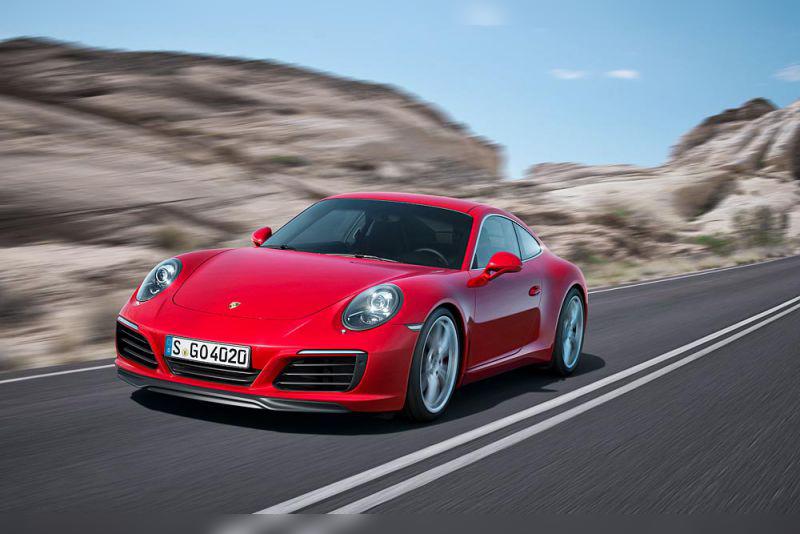
The engine designated MDC.JA is a true engineering masterpiece from Zuffenhausen. Introduced with the facelift of the 991 generation (known as 991.2), this 3.0‑liter flat‑six marked the transition of Carrera models from naturally aspirated to turbocharged engines. The 450 hp version is intended for the GTS (Gran Turismo Sport) models, positioning itself as the perfect middle ground between the everyday Carrera S and the brutal 911 Turbo. It is equipped with larger turbochargers compared to the lower‑powered versions and represents the pinnacle of driving dynamics, but it demands uncompromising maintenance.
Technical specifications
| Engine displacement | 2981 cc |
|---|---|
| Power | 331 kW (450 hp) |
| Torque | 550 Nm |
| Engine code | MDC.JA |
| Injection type | Direct fuel injection (DFI) |
| Intake system | BiTurbo with intercooler |
Reliability and maintenance
Timing system: chain or belt?
This engine uses a timing chain. Since it is a boxer engine, the chains are located deep inside the block and are extremely robust. They do not snap out of the blue, but on neglected cars where the oil has not been changed regularly, the tensioners can weaken, which manifests itself as a distinct rattling noise on cold start.
What are the most common failures?
Although the mechanical side is fantastic, the MDC.JA engine has a few weak points:
- Carbon buildup: Because the engine uses direct injection (DFI), the fuel no longer washes over the intake valves. Over time, soot and oil vapors (from the PCV system) accumulate there. Symptoms include rough idle, loss of power and misfires at higher rpm. Cleaning is usually done by walnut shell blasting.
- Water pump and thermostat: In the 991.2 generation these have proven to be somewhat more sensitive components. Coolant leaks around the water pump housing are relatively common. The driver may notice this by a slight drop in coolant level or traces of pink fluid on the rear of the car.
- Turbocharger vacuum management system: Sometimes the solenoids or vacuum hoses can weaken, leading to a boost leak, and the car goes into limp mode with the Check Engine light on.
Service intervals and fluids
Since the engine uses a chain, a classic “major timing service” is not performed. However, the so‑called accessory belt loop (serpentine belt that drives the alternators and A/C compressor, together with rollers and tensioners) is replaced at roughly 90,000 km or every 6 years.
The engine oil capacity is about 8.0 to 8.5 liters. Only top‑tier synthetic oil with Porsche A40 approval is recommended, most commonly in 0W‑40 or 5W‑40 grades, depending on climate and driving style.
Oil consumption and spark plugs
Yes, turbo boxer engines consume oil, and this is by design. Due to the horizontally opposed cylinders and rings that are subject to specific loads, consumption of 1 liter per 5,000 to 7,000 km is considered perfectly normal. Under aggressive track driving, that consumption can be even higher.
Since this is a high‑revving turbo petrol engine, spark plugs are replaced every 30,000 to a maximum of 45,000 km, or every 3–4 years. If you stretch the interval too far, you risk coil failure due to excessive resistance, which directly manifests as jerking under acceleration.
Specific parts and costs
Dual‑mass flywheel
This model, regardless of whether it is equipped with a manual or PDK (automatic) gearbox, has a dual‑mass flywheel. Its role is to dampen the huge vibrations and 550 Nm of torque. When worn, you will hear knocking when starting/stopping the engine and feel strong vibrations at idle. Replacement is very expensive (depends on the market).
Injection, DPF/EGR and AdBlue
The injection system is petrol only (DFI). The injectors operate under extremely high pressure and are generally durable, but very sensitive to poor‑quality fuel. A clogged injector leads to a lean mixture that can melt a piston due to excessive temperature – therefore always use 98 or 100 octane petrol only.
Since this is a petrol engine, it has no DPF filter, no classic EGR valve and does not use AdBlue. Reduction of NOx and the “EGR effect” is achieved by varying the camshaft timing (VarioCam Plus system), which retains exhaust gases in the cylinder. It should be noted that some later models intended for stricter Euro 6 standards may have an OPF/GPF (gasoline particulate filter) in the exhaust, but not diesel‑type components.
Turbochargers
The MDC.JA has two BorgWarner turbochargers, positioned at the very bottom of the car, right behind the rear wheels. On the GTS version they have larger compressor wheels (the turbine side is the same as on the Carrera S). Their service life is long (over 150,000 km) if you change the oil regularly and – most importantly – let the engine idle for a minute or two after hard driving so that the oil can cool the turbo bearings. Replacing worn turbos on this car is very expensive (depends on the market).
Fuel consumption and performance
Fuel consumption
Do not expect hybrid‑like efficiency. In city stop‑and‑go driving, consumption is between 14 and 18 liters per 100 km. Spirited driving on mountain roads easily pushes the average above 20 liters.
Is the car “lazy”?
The term “lazy” simply does not apply to this engine. With 450 hp and maximum torque (550 Nm) available from around 2,150 rpm, throttle response is brutal. The body weighs around 1,500 kg (depending on Cabriolet/Targa/AWD version), which gives a fantastic power‑to‑weight ratio, delivering 0–100 km/h in just ~3.6 seconds with the Sport Chrono package.
Highway driving
This is a top‑class motorway cruiser. Combined with the seven‑speed PDK gearbox, at 130 km/h in top gear the engine is “relaxing” at a low 2,000 to 2,200 rpm. Thanks to the aerodynamics and tall gearing, highway fuel consumption can drop to a surprisingly pleasant 8.5 to 10 l/100 km.
Additional options and modifications
LPG (autogas) conversion
Short and clear: absolutely not! Installing autogas on Porsche’s DFI BiTurbo boxer engine is engineering suicide. High operating temperatures, specific cylinder cooling, the impossibility of properly positioning the vaporizer due to lack of space at the rear and, ultimately, the destruction of the car’s value are clear reasons why no serious professional does this.
Tuning (chiptuning / Stage 1)
This engine is in effect “detuned” from the factory so as not to threaten sales of the 911 Turbo. Stage 1 chiptuning, by software changes only (ECU remap), safely and routinely raises power to 530–550 hp and over 650 Nm. The engine block and gearbox (especially the PDK) can easily handle these figures. However, keep in mind that this significantly increases the load on the turbochargers and requires shorter spark plug replacement intervals (often as low as every 15,000 km on remapped cars).
Gearbox and clutch
Types of gearboxes and failures
The MDC.JA was offered with two options:
- 7‑speed manual gearbox: Extremely precise and mechanically almost indestructible. Failures are mostly limited to worn cables and shift linkages (consumable items). The cost of replacing a conventional clutch and dual‑mass flywheel is in line with the class of the car – expensive (depends on the market).
- 7‑speed PDK (Porsche Doppelkupplungsgetriebe): Dual‑clutch automatic gearbox. The mechanical gears and clutches rarely fail (even the clutches survive hundreds of Launch Control starts). The problematic areas are the electronics and mechatronics. Gear position sensors can fail due to high temperatures. Porsche dealers often insist on replacing the entire gearbox when this happens, which is astronomically expensive, but specialized workshops can now replace just that sensor, significantly reducing the cost. Even so, the repair is very expensive (depends on the market).
Gearbox maintenance
The oil in the PDK gearbox (there is a circuit for the clutch hydraulics and a circuit for the mechanical gears) and the corresponding filters must be replaced every 60,000 km or at most every 6 years. Neglecting this interval is the quickest way to mechatronics failure.
Buying used and conclusion
What to check before buying?
Buying a Porsche with the MDC.JA engine must not be done without extensive diagnostics at a specialized workshop. Pay particular attention to:
- Smoke on cold start: Bluish smoke means problems with the turbos or severe cylinder wear (bore scoring), although the 991.2 generation is considerably more resistant to cylinder scoring compared to older generations.
- PIWIS diagnostics (over‑rev report): This is the most important item. Ask for a report on the engine’s rev ranges (“ignitions in range” 1 to 6). If the engine has recorded ignitions in ranges 4, 5 or 6 (which happens if the driver with a manual gearbox accidentally shifts from 5th to 2nd instead of 4th), the car may have hidden valve damage. These cars lose Porsche Approved warranty.
- Sound at idle: Chain rattling, turbo whine or uneven running must be a reason to negotiate the price or walk away from the purchase.
Who is this car for?
The MDC.JA engine in 911 (991.2) GTS models offers a practically supercar‑level experience you can enjoy every day. It is more reliable than its exotic Italian rivals, incredibly tune‑friendly and extremely comfortable on the motorway. However, it is intended for people who understand that even though the car does not break down often, routine maintenance alone (spark plugs, coils, premium tires and Porsche‑approved oils) costs several times more than on regular cars. It is not for those with a “short budget” who only want the badge on the hood.