MDD.NC Engine (Porsche 2.5 Turbo 350 HP): Experiences, Problems, Fuel Consumption and Buying Used
- Key points (TL;DR):
- Replacement for the legendary naturally aspirated flat-six – the sound is different, but the performance is brutal.
- Uses advanced VTG turbocharger technology (variable turbine geometry), a rarity on petrol engines.
- The timing is driven by a chain which is very reliable, so there is no classic major timing service.
- The most common and best-known weak point is coolant pump leakage.
- The engine has direct fuel injection (DFI), so over time carbon deposits can build up on the intake valves.
- The PDK gearbox is a masterpiece, but it requires strict maintenance (oil changes) to avoid failures whose repair is very expensive (Depends on the market).
- LPG (autogas) installation is technically extremely complicated, not cost-effective and completely defeats the purpose of this car.
Contents
- Introduction: Four-cylinder boxer
- Technical specifications
- Reliability, maintenance and common failures
- Specific parts and technology (Turbo, DFI, Flywheel)
- Fuel consumption and performance in real-world conditions
- Extras, modifications and LPG
- Transmissions: PDK vs Manual
- Buying used and Conclusion
Introduction: Four-cylinder boxer
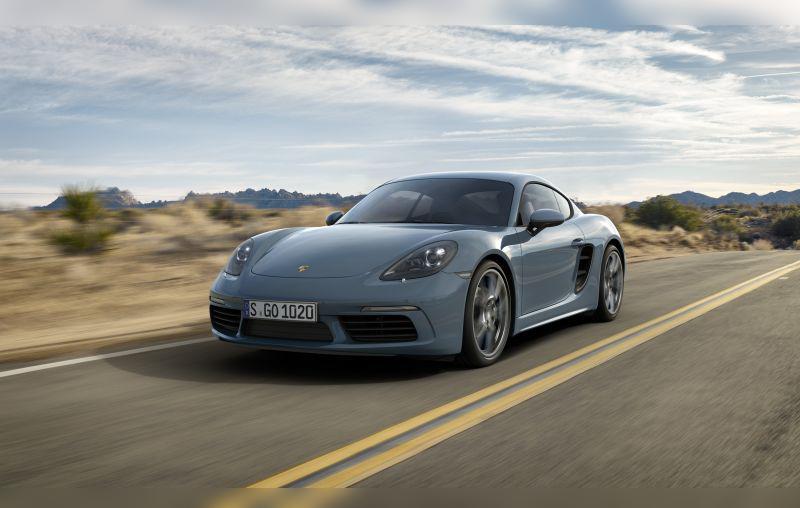
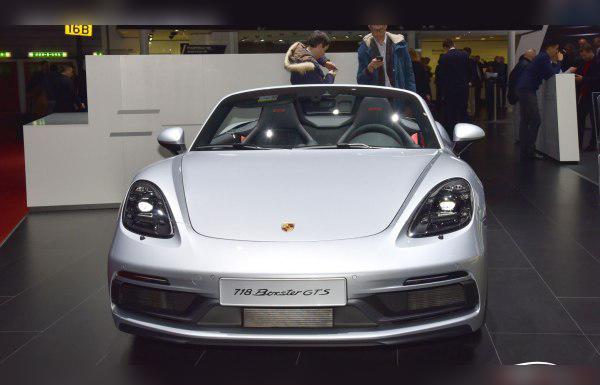
When Porsche introduced the 982 series (718 Boxster and Cayman) and replaced the beloved naturally aspirated flat-six engines with new turbocharged four-cylinder boxer engines, purists were not happy. The engine code MDD.NC denotes the more powerful 2.5-liter version used in the “S” models, delivering 257 kW (350 HP). Although it lost that distinctive high-pitched scream at 7,500 rpm, this engine brought massive low-end torque and performance that rivals older generations of the 911. Designed as a mid-mounted engine, the MDD.NC offers perfect balance for the chassis, but requires a specific maintenance approach because physical access to the engine is more difficult.
Technical specifications
| Characteristic | Data |
|---|---|
| Engine code | MDD.NC |
| Displacement | 2497 cc |
| Power | 257 kW (350 HP) |
| Torque | 420 Nm (from 1900 to 4500 rpm) |
| Engine type | Boxer, 4 cylinders (Flat-4) |
| Injection type | Direct fuel injection (DFI) |
| Charging system | Turbocharger with variable turbine geometry (VTG), Intercooler |
| Timing drive | Chain |
Reliability, maintenance and common failures
At its core, this 2.5-liter boxer is extremely robust. The engine uses a timing chain which has proven to be very durable and does not require periodic replacement (there is no classic “major timing service” with a timing belt). The chain and tensioner system is designed to last as long as the engine itself, provided the oil is changed on time.
Failures and weak points
The main weakness reported by owners, as well as mechanics in the field, is the water pump. It often starts leaking before 80,000 km. Symptoms include the smell of coolant, a dropping coolant level and, in the worst case, overheating. The recommendation is that at around 100,000 km you proactively check the entire auxiliary belt drive with pulleys and replace the water pump, which in practice replaces the concept of the old major timing service.
Oil and spark plugs
The lubrication system is critical on high-performance engines. This engine takes about 5.7 to 6.0 liters of oil (with filter change). The factory recommends 0W-40 or 5W-40 grades that meet the strict Porsche A40 standard. Does it consume oil? Yes, and that is completely normal for a turbo boxer architecture, especially if you drive the car hard. Consumption of 0.2 to 0.5 liters per 1,000 km during aggressive track driving is to be expected, while in everyday driving it uses significantly less.
Since this is a powerful petrol engine with direct injection and high pressures, the spark plugs and ignition coils are under heavy load. The spark plug replacement interval is set at around 40,000 to 60,000 km, or every 4 years. Because of the mid-engine layout, replacing the spark plugs requires removing the rear wheels and wheel arch liners, which increases labor costs.
Specific parts and technology (Turbo, DFI, Flywheel)
This model uses a single VTG (Variable Turbine Geometry) turbocharger. This technology is mostly found on diesel engines, and Porsche is the only manufacturer that has successfully used it on petrol engines for years (first on the 911 Turbo, and then here). Due to the extremely high exhaust gas temperatures on petrol engines (up to 1000 °C), the VTG vane materials must be extremely heat-resistant. The turbo’s service life is long, but the variable geometry actuator can sometimes stick due to carbon buildup, which puts the car into limp mode (loss of power). Fixing this is expensive (Depends on the market).
The fuel system is DFI (Direct Fuel Injection). The injectors themselves are very reliable and rarely fail, but the downside of direct injection is that the fuel does not wash the intake valves. Over time, carbon buildup accumulates on the intake side. After 100,000 km, it is recommended to clean the valves (for example, by walnut shell blasting) to restore smooth running and full power.
As for the exhaust system, this engine does not have AdBlue or a conventional EGR valve. Due to emissions standards, models produced after the introduction of Euro 6d-TEMP (and the WLTP cycle) are equipped with an OPF/GPF (Gasoline Particulate Filter). Clogging is very rare on petrol engines because exhaust temperatures are high enough for natural regeneration, but it can mute the engine’s sound.
Fuel consumption and performance in real-world conditions
If you are wondering whether this engine is “lazy”, the answer is a firm no. The 718 Boxster/Cayman S weighs under 1,400 kg. Combined with 420 Nm of torque available from just 1,900 rpm, acceleration is instant and brutal. The feeling in the seat is that of a true sports car.
Fuel consumption:
- City driving: Realistically between 12.0 and 14.5 l/100 km, depending on traffic and how hard you press the accelerator.
- Motorway: At a cruising speed of 130 km/h, seventh gear in the PDK keeps the engine at about 2,200 to 2,400 rpm. In this mode, fuel consumption drops to an excellent 8.0 to 9.0 l/100 km.
On the motorway the engine behaves extremely smoothly, while full throttle quickly takes you to speeds far above the legal limit.
Extras, modifications and LPG
A frequent question for any petrol engine is LPG (autogas) conversion. On the MDD.NC engine, LPG installation is technically undesirable and practically a mission impossible. Direct injection, high temperatures in the engine block and extremely limited space (mid-engine surrounded by chassis and intercooler piping) mean this car should be run exclusively on high-quality high-octane petrol. Anything else is butchering it.
On the other hand, tuning enthusiasts will be delighted. Thanks to serious factory headroom, a Stage 1 remap (software only, no hardware changes) easily raises power from 350 HP to over 400 HP, even up to 420 HP, with torque climbing close to 500 Nm. The engine handles this load very well, provided you cool it down with a few kilometers of gentle driving before shutting it off, so you don’t cook the oil in the turbocharger.
Transmissions: PDK vs Manual
This engine is offered with two types of transmission:
1. Six-speed manual gearbox
Excellent feel for purists, with very short and precise throws. This gearbox uses a dual-mass flywheel. With strong torque, if the car is often driven at full throttle from low revs or subjected to bad launches from traffic lights, the clutch and dual-mass flywheel will suffer. Replacing the complete clutch and flywheel set is very expensive (Depends on the market).
2. Seven-speed PDK (dual-clutch automatic)
For most buyers, PDK is the ultimate choice. It is quicker than the manual and saves fuel on the motorway. It does not have a conventional dual-mass flywheel like in manuals, but a specific flywheel assembly to dampen vibrations (whose replacement can also be costly). PDK failures are very rare, but if the mechatronics unit or gear position sensors fail, repairs fall into the “terrifyingly expensive” category (Depends on the market).
Servicing: The oil change interval for the PDK (and the corresponding filters integrated into the sump) is recommended every 90,000 km or at most every 6 years. Skipping this service directly leads to the aforementioned mechatronics failures.
Buying used and Conclusion
If you are considering a 718 Cayman or Boxster “S” with this engine, you must carefully check its service history. Before buying such a used car, you must request a DME/PIWIS readout at an authorized or specialized workshop. This computer report shows how many times the engine has been over-revved “beyond the redline” (the so-called over-rev report – Ranges 1 to 6). If the car has been regularly abused and shifted into the wrong gear (with the manual), walk away.
Physically check the following:
- Condition of the water pump (any green/pink traces of crystallization around the belts mean urgent replacement).
- Exhaust smoke on cold start (a brief puff of grey smoke is fine due to DFI injection, thick blue smoke means a problem with the turbo or piston rings).
- Condition of tyres and brakes (the cost of “consumables” on a Porsche is high).
Who is this engine for?
The MDD.NC engine is aimed at drivers looking for a sharp sports car for everyday use and occasional track days. Although it was criticized for lacking the emotional sound of the old six-cylinder, in terms of performance it has clearly surpassed it. It is extremely reliable if serviced properly, and costs will mostly come down to regular maintenance, provided you spot any early signs of water pump leakage in time.