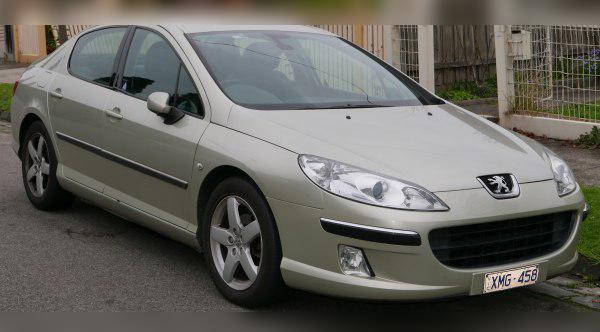
2.2 HDi Biturbo 170 HP Engine (4HT DW12BTED4) – Experiences, issues, fuel consumption and used car buying tips
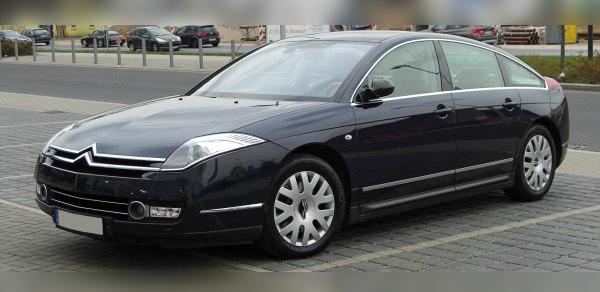
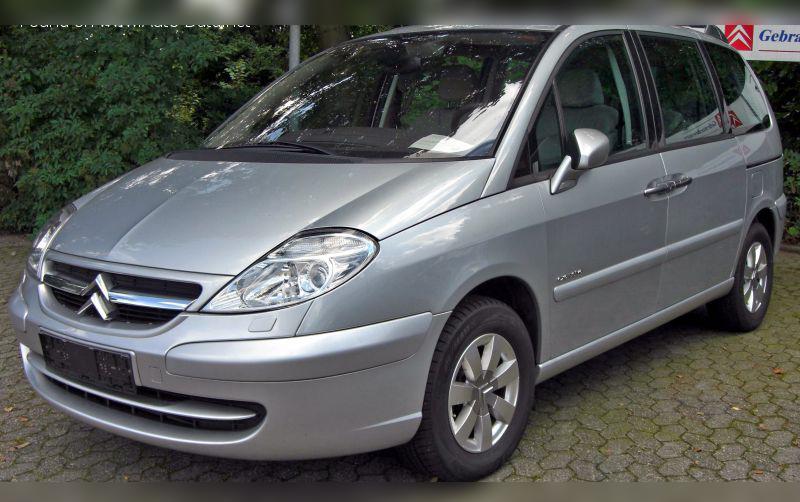
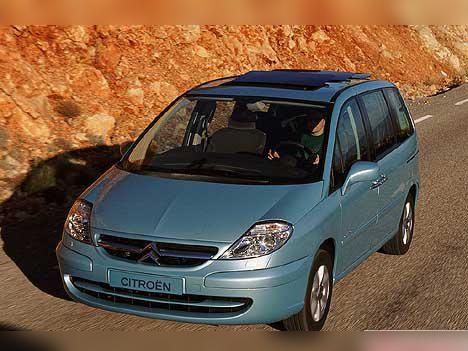
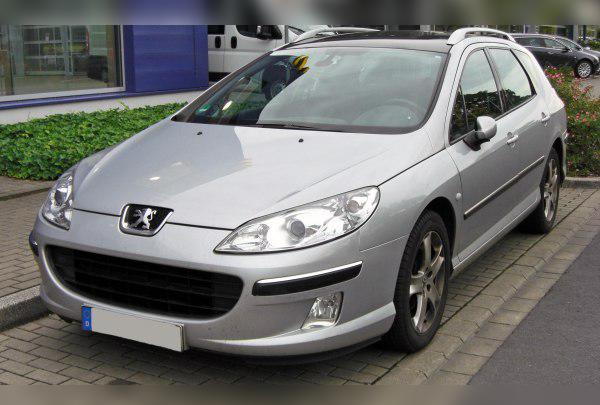
- A powerful and extremely flexible engine, ideal for heavy bodies (C5, C6, 407, C8).
- The engine is based on a timing belt; maintenance is affordable but requires regularity.
- The twin-turbo system offers great performance, but the complex vacuum hose system can cause problems on older vehicles.
- It has a FAP (DPF) filter with additive (Eolys) and an EGR valve – it does not like stop-and-go city driving.
- It does not use the problematic AdBlue system, which is a huge plus for reliability.
- It is paired with durable manual or Aisin automatic gearboxes, with the note that automatics require regular oil changes.
- Fuel consumption in the city is noticeably higher compared to the 2.0 HDi, but on the highway this engine shines.
Contents
- Introduction and basic information
- Technical specifications
- Reliability and maintenance
- Specific parts and costs
- Fuel consumption and performance
- Additional options and modifications
- Gearbox and drivetrain
- Buying used and conclusion
Introduction and basic information
When PSA Group engineering (Peugeot and Citroën) tackled the need for more powerful engines in their saloons and MPVs in the mid-2000s, the result was the 2.2 HDi Biturbo with the designation 4HT (DW12BTED4). This engine delivers 125 kW (170 HP) and a massive 370 Nm of torque. It was conceived as an alternative to heavy and thirsty V6 diesels, offering similar acceleration with less weight on the front axle.
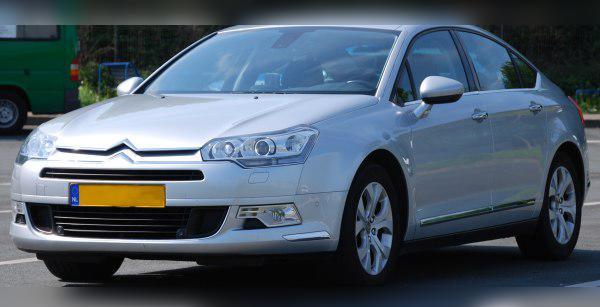
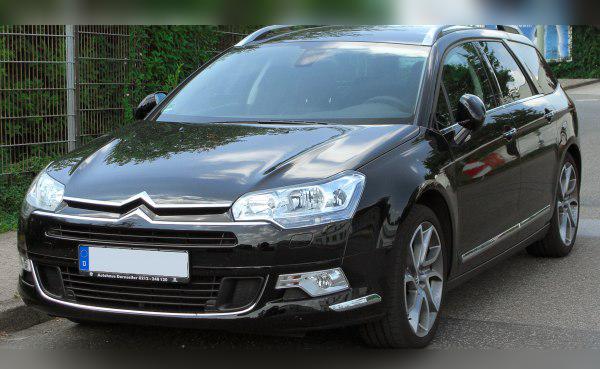
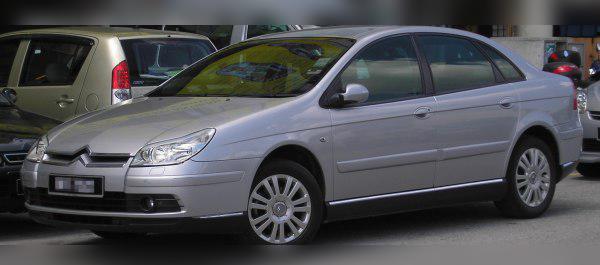
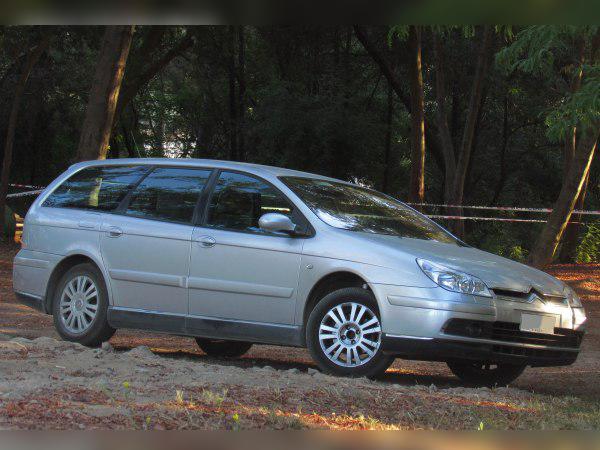
It was installed in true highway cruisers: Citroën C5 (first and second generation), the luxurious Citroën C6, the family van C8, as well as the Peugeot 407 (saloon and SW). This is not an engine made for traffic lights and city congestion; it is built to swallow hundreds of highway kilometres with a full cabin and boot, without showing any signs of fatigue.
Technical specifications
| Characteristic | Data |
|---|---|
| Engine displacement | 2179 cc |
| Power | 125 kW (170 HP) |
| Torque | 370 Nm |
| Engine codes | 4HT, DW12BTED4 |
| Injection type | Common-Rail (Direct injection) |
| Charging method | Twin-turbo (two sequential turbos) with intercooler |
Reliability and maintenance
Timing belt or chain?
This engine uses a timing belt to drive the camshafts, while the camshafts themselves are connected inside the cylinder head by a short chain (the chain tensioner can be heard at high mileage, similar to the 1.6 HDi engine, although chain failure is rarer here). The overall architecture is quite robust.
Most common failures:
The mechanicals themselves (block, crankshaft, pistons) are virtually indestructible. However, the peripherals can cause headaches. The most common problem is the so-called “limp mode” (safety operating mode) accompanied by the message “Depollution system faulty”. The causes are mostly related to the extremely complex network of vacuum hoses and electro-valves that control the operation of the two turbochargers. If one hose cracks, pressure is lost and the engine loses power. Also, the EGR valve tends to clog with soot if the vehicle is driven mostly in the city at low revs.
Major service:
Although factory intervals can be optimistic (often over 200,000 km), practice and experience say otherwise. The major service (replacement of timing belt, tensioners, idlers and water pump) should be done at a maximum of 150,000 km or every 5 to 7 years. A complete major service kit is not expensive (depends on the market).
Oil – quantity, grade and consumption:
The engine takes approximately 5.25 litres of oil. Due to the presence of a FAP (DPF) filter, only low-ash synthetic oil is recommended, most commonly grade 5W-30 (ACEA C2 specification, e.g. Total Ineo ECS). This block generally does not consume oil. A loss of up to 0.5 litres between minor services (performed every 10,000 to 15,000 km) is considered normal due to evaporation and minimal passage through the turbos. If the engine consumes noticeably more oil, the problem usually lies in worn turbo seals, and piston rings are a much rarer cause.
Injectors and injection system:
High-pressure piezo injectors are used (Bosch or Siemens, depending on the exact series). They have proven to be very reliable and can easily cover 250,000 to 300,000 km with quality fuel and regular fuel filter changes. When the injectors wear out, symptoms include rough idle (engine shaking), a sharp “metallic” sound under acceleration and increased black or white smoke from the exhaust.
Specific parts and costs
Dual-mass flywheel:
Yes, versions equipped with a manual gearbox have a dual-mass flywheel. Its service life is around 150,000–200,000 km, depending on driving style. Replacement together with the clutch kit is expensive (depends on the market).
Turbochargers:
As the “Biturbo” designation suggests, the engine has two turbochargers. They work sequentially – the smaller one spins at lower revs to eliminate turbo lag, while the larger one takes over at higher revs. The service life of the turbos is long with regular oil changes, but if a failure occurs (whistling, oil consumption, loss of power), overhauling both turbos as a pair is very expensive (depends on the market).
DPF (FAP), EGR and AdBlue:
The engine is equipped with a FAP filter (PSA’s name for DPF). A specific feature of PSA is the use of a special additive (Eolys fluid) that is dosed into the fuel tank to lower the soot combustion temperature. This fluid needs to be topped up every ~120,000 km. The EGR valve gets dirty, especially in winter.
The great news: This engine does NOT have an AdBlue system! So you will not face the well-known and extremely expensive problems with urea pumps and tanks that plague newer generations of BlueHDi engines.
Fuel consumption and performance
Fuel consumption:
In city driving, with a heavy shell such as a Peugeot 407 or Citroën C5, real-world consumption is 9 to 10 l/100 km. This is a big, heavy engine with two turbos; physics cannot be cheated. That is why it is not recommended for use in dense city centres.
Performance and “sluggishness”:
Is it sluggish? Not at all! Thanks to the small turbocharger and 370 Nm available already from 1500 rpm, the engine pulls linearly and in-gear acceleration is impressive. It easily carries more than 1.6 tons of mass.
Behaviour on the highway:
This is its natural environment. At 130 km/h in sixth gear, the engine spins at a relaxed 2200 to 2400 rpm (depending on gearbox ratios in the specific model). The cabin remains quiet, and fuel consumption on the open road drops to a reasonable 6 to 6.5 l/100 km.
Additional options and modifications
Chiptuning (Stage 1):
The engine block, pistons and crankshaft are overengineered and extremely durable. With software optimisation (Stage 1), this engine can be safely and easily raised from 170 HP to around 200 HP, while torque increases to over 420 Nm.
However, caution is necessary: a sudden increase in torque drastically shortens the lifespan of the dual-mass flywheel on manual gearboxes, while on automatics the valve body can overheat if driven aggressively. Also, high-quality mapping is crucial to correctly set the synchronised operation of both turbochargers.
Gearbox and drivetrain
Types of gearboxes and common failures:
Two types of gearboxes are usually paired with this engine:
1. Manual gearbox (6-speed): Very precise and mechanically durable. There are no characteristic weaknesses in the gears themselves. Failures are mostly related to the aforementioned dual-mass flywheel. Symptoms of a worn flywheel are: strong vibrations when switching off the engine, rattling at idle and jerking when moving off from a standstill.
2. Automatic gearbox (6-speed – Aisin AM6 / TF-80SC): A classic Japanese automatic with a torque converter. This gearbox does NOT have a dual-mass flywheel. It is considered one of the most reliable gearboxes of its time. The most common failure is valve body failure (valves that direct oil pressure). Symptoms: harsh shift from 2nd to 3rd gear, strong jolts when engaging “D” (Drive) or “R” (Reverse).
Gearbox servicing:
For the manual gearbox, it is recommended to change the oil at around 100,000 km.
For the automatic gearbox it is critical to ignore the authorised service claim that the oil is “filled for life” (sealed for life). The oil in the Aisin automatic MUST be changed (preferably by machine flushing) every 60,000 km. A regularly maintained automatic can easily cover 400,000 km or more.
Buying used and conclusion
What to check when buying?
- Vacuum hose system: Listen to the engine while running. If you hear air hissing, there is probably a cracked hose somewhere that controls the turbos.
- Turbo operation: During the test drive, pay attention to the transition between 2500 and 2800 rpm when the larger turbo takes over. Acceleration must be smooth and consistent, without sudden jerks, power drops or the “Check Engine” light coming on.
- Diagnostics (DPF/FAP): Be sure to connect dedicated diagnostics (Lexia/Diagbox) to check the additive (Eolys) level, FAP filter saturation in percent and injector condition (correction parameters).
- Automatic: Test the automatic gearbox when the oil is fully hot (after about 20 minutes of driving). A cold gearbox can mask the jolts of a worn valve body.
Conclusion: Who is this engine for?
The PSA 2.2 HDi Biturbo 170 HP (4HT DW12BTED4) is a fantastic engineering achievement of its time. It is an excellent choice for drivers who often travel long distances, tow trailers or simply enjoy smooth and powerful driving in large saloons. Its biggest downside lies in the complexity of the biturbo system, which means it is more sensitive to neglect by previous owners compared to the simpler 2.0 HDi. If you find an example with documented history and replaced sensitive components, you will get a top-class and reliable engine that will not drive you crazy with AdBlue system issues.