Engine 5FS EP6C 1.6 VTi (120 hp): Experiences, problems, fuel consumption and used-car buying tips
- Product of PSA and BMW cooperation: Known as part of the “Prince” engine family, it offers modern technology but also comes with its share of “teething problems”.
- Timing chain drive: The engine uses a timing chain that is prone to stretching, and the tensioners and guides are a frequent weak point.
- Oil consumption: Be prepared to top up regularly. Due to the specific design, valve stem seals and piston rings tend to fail early.
- No dual-mass flywheel and no turbo: This is a naturally aspirated petrol engine, which means fewer expensive parts to replace compared to diesels.
- Fuel injection system: Conventional (MPI) injection that rarely causes major issues and tolerates poorer fuel quality better.
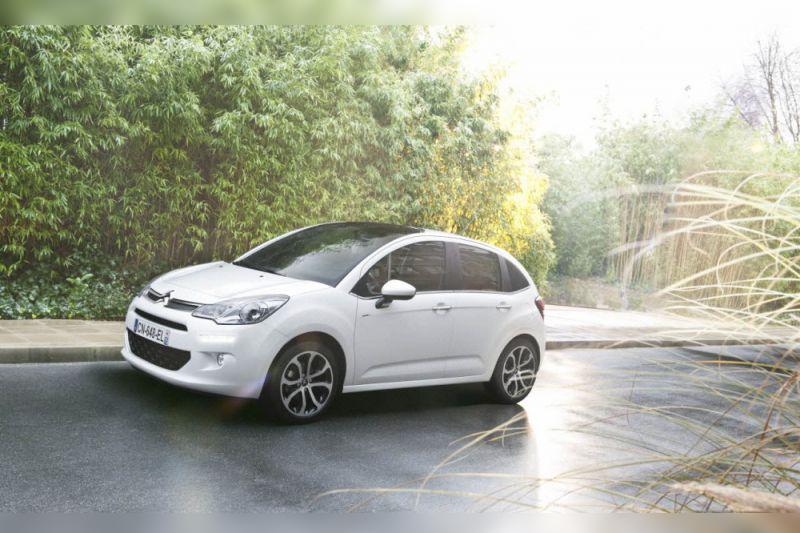
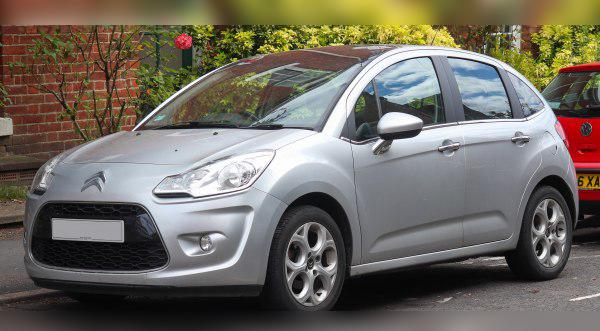
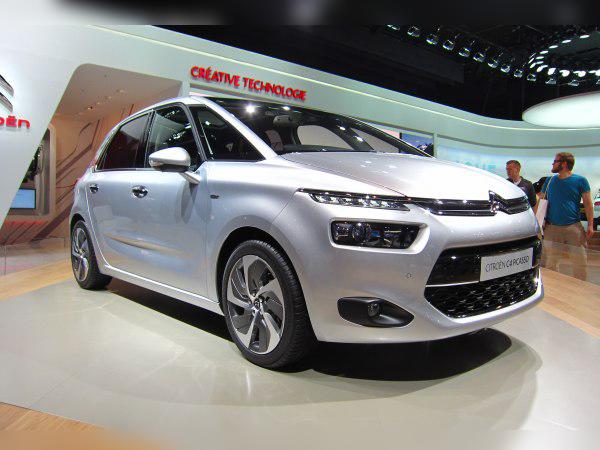
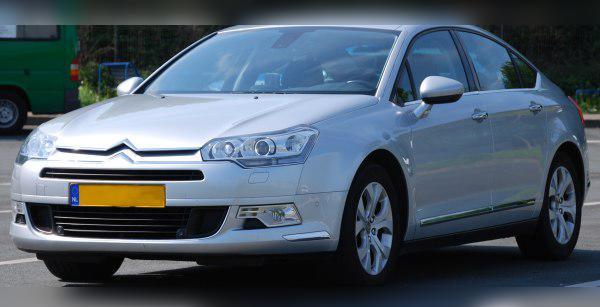
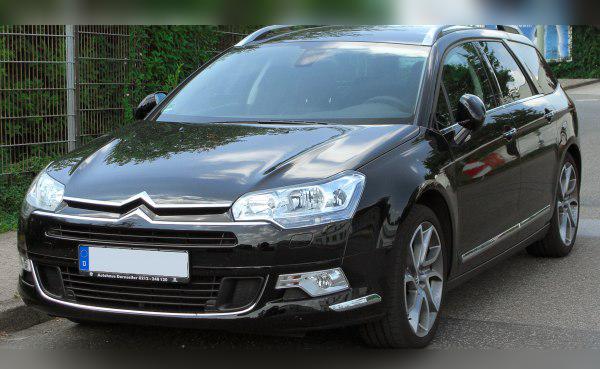
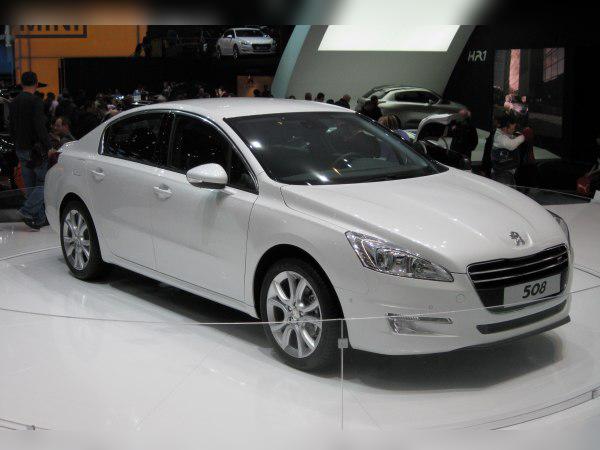
- Performance vs. weight: Quite adequate for a Peugeot 207 or Citroën C3, but rather “sluggish” in heavier bodies like the Peugeot 508 or C4 Picasso.
- Chiptuning: Money down the drain. As a naturally aspirated engine, it offers no real potential for software power upgrades.
Contents
- Introduction: What you need to know about the 1.6 VTi engine
- Technical specifications
- Reliability and maintenance
- Specific parts (costs)
- Fuel consumption and performance
- Additional options and modifications
- Gearbox and power transfer
- Buying used and conclusion
Introduction: What you need to know about the 1.6 VTi engine
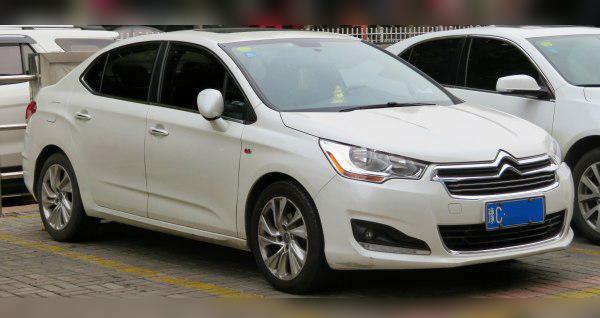
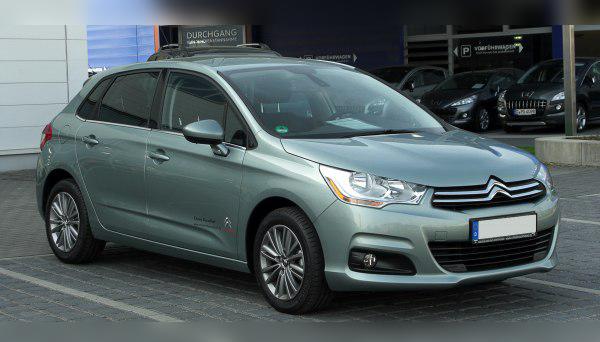
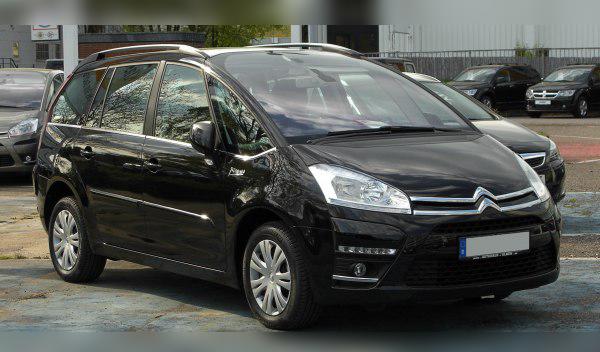
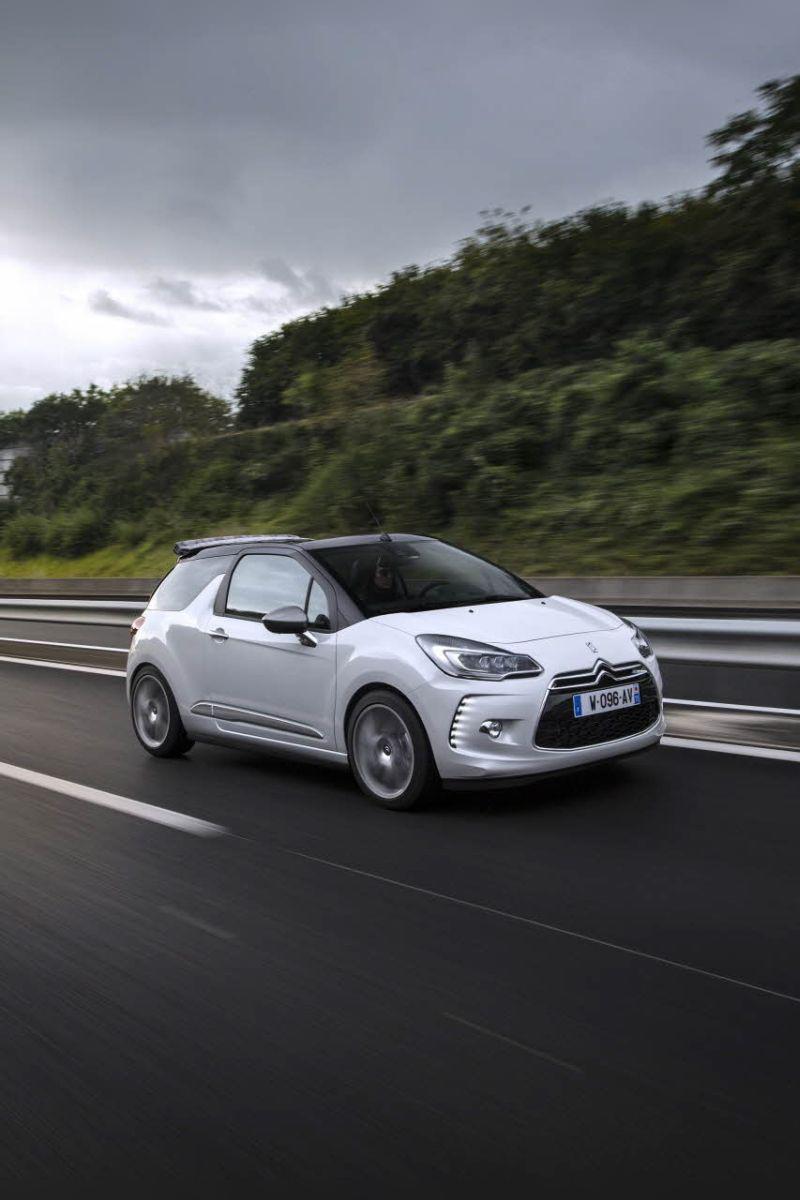
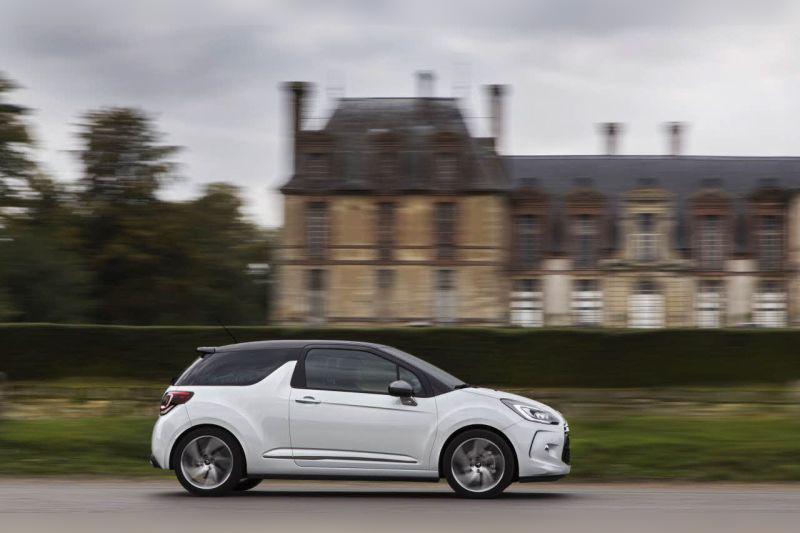
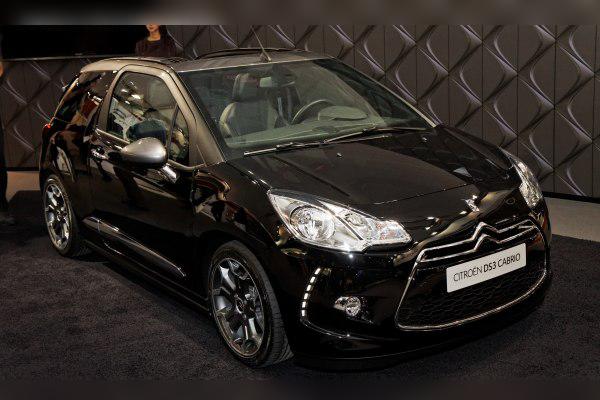
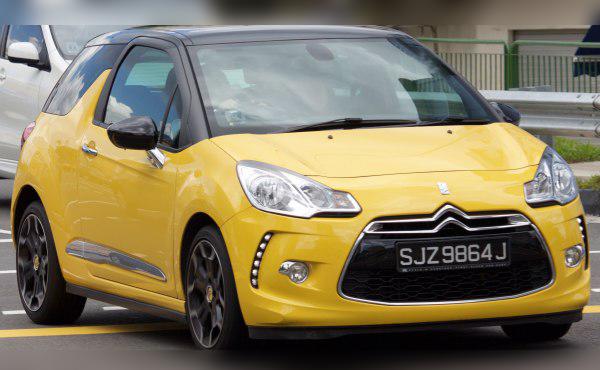
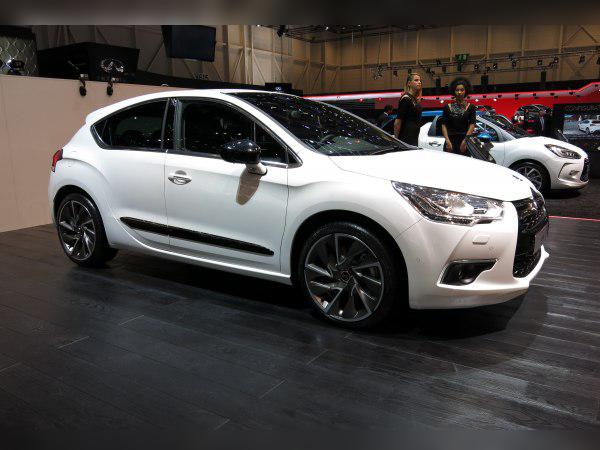
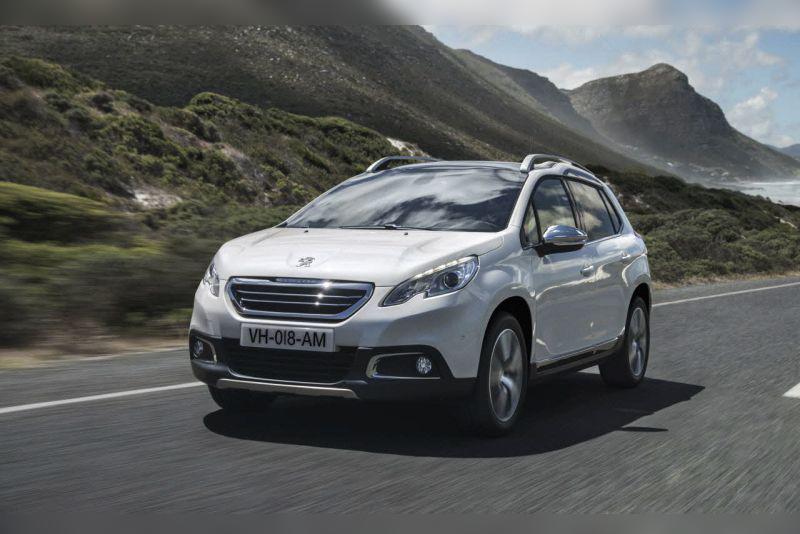
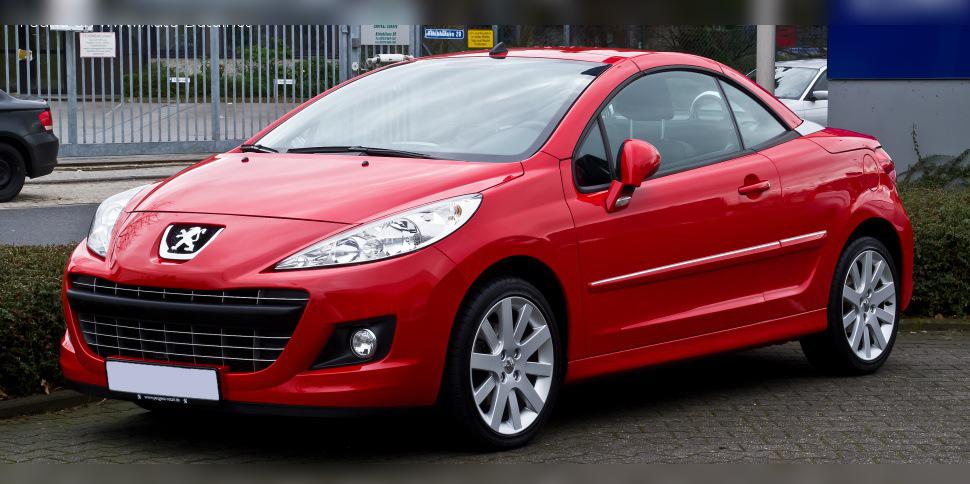
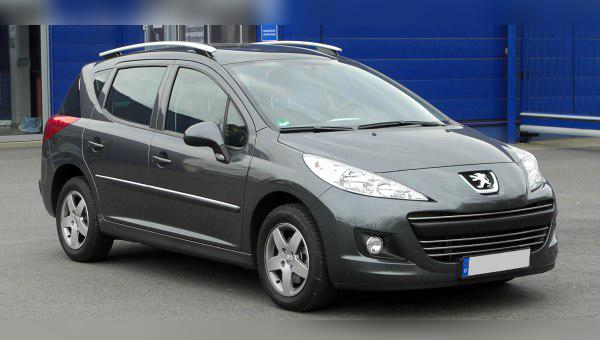
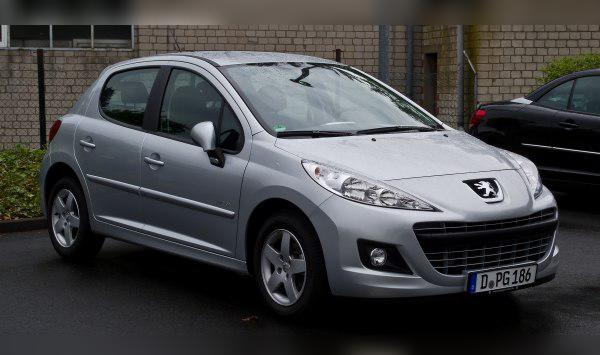
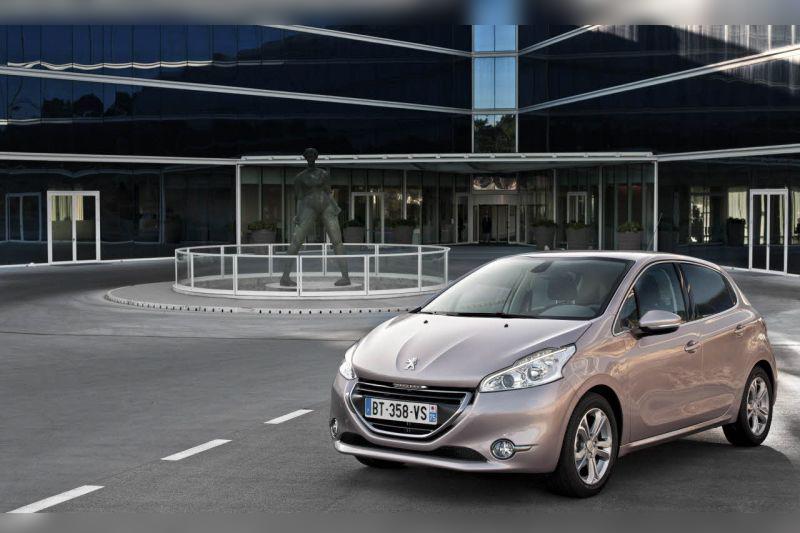
The 5FS or EP6C code denotes a naturally aspirated 1.6‑liter petrol engine born from the famous (and among mechanics often notorious) cooperation between the French PSA group and Germany’s BMW. This series, known as “Prince”, was installed in a huge number of models across Europe, from small city runabouts (Peugeot 207, Citroën DS3), through compacts (Peugeot 308, C4), to heavy MPVs and saloons (C4 Picasso, Peugeot 508). VTi means it features variable valve control (Valvetronic technology borrowed from BMW), which gives it good throttle response but also significantly complicates the mechanics under the bonnet.
Technical specifications
| Parameter | Data |
|---|---|
| Engine displacement | 1598 cc |
| Power | 88 kW (120 hp) |
| Torque | 160 Nm |
| Engine codes | 5FS, EP6C |
| Injection type | Multipoint indirect injection (MPI) |
| Induction | Naturally aspirated (no turbocharger) |
Reliability and maintenance
Does this engine have a timing belt or a chain?
The EP6C engine uses a chain for timing. Unfortunately, this is not the indestructible chain from old engines. The timing system is one of this engine’s weakest points. The problematic parts are the hydraulic tensioner, the plastic guides that become brittle from heat and crack, as well as the chain itself, which tends to stretch. The first symptom is a distinctive metallic rattle or “diesel” sound on cold start.
What are the most common failures on this engine?
Apart from the mentioned chain, you can expect the following issues:
- Valve cover (rocker cover): The PCV valve (crankcase ventilation valve) is integrated into it. When the membrane inside it tears, the engine creates strong vacuum, pulls oil into the intake and smokes heavily. The solution is to replace the entire cover, which is quite expensive (depends on the market).
- VVT solenoids: The valves that control the variable cam timing often fail due to clogging by dirty oil. Symptoms include rougher running, loss of power and a “Check Engine” light (faults such as P0011 or P0014).
- Thermostat housing and water pump: The electronic thermostat often cracks or the temperature sensor fails. The water pump is driven via a specific friction pulley, which frequently fails and makes noise.
At what mileage should the major service be done?
Although the manufacturer claims that the chain does not require replacement (“lifetime”), workshop practice says otherwise. The complete timing kit (chain, tensioner, guides, sprockets) usually needs replacing between 100,000 km and 150,000 km. Replacement of the auxiliary belt together with its rollers and the friction pulley is recommended every 60,000 km.
How many liters of oil does this engine take and which grade is recommended?
The engine holds 4.25 liters of oil including the filter. The manufacturer strictly recommends using synthetic oil of grade 5W‑30 (most often PSA B71 2290 specification, such as Total Quartz Ineo ECS). Due to the sensitivity of the chain and VVT system, the oil change interval must never exceed 10,000 to 12,000 km, regardless of what the owner’s manual says.
Does it consume oil between services and what amount is considered normal?
This is an engine that simply likes oil. The manufacturer tolerates up to 0.5 liters per 1,000 km, but for most drivers that is far too much. Due to high operating temperatures, the valve stem seals harden very quickly, and the oil control rings (piston rings) tend to seize. If the car consumes more than 1 liter per 2,000 km and emits blue smoke when pulling away from a standstill, the engine is due to be opened and the head “refreshed”.
At what mileage should the spark plugs be replaced?
The recommended interval for iridium spark plugs is 40,000 to 60,000 km. If this interval is exceeded, the ignition coils (mounted directly on the plugs) may fail, resulting in jerking under acceleration and the engine running on three cylinders.
Specific parts (costs)
Does this engine have a dual-mass flywheel?
No. Since this is a naturally aspirated petrol engine with relatively modest torque (160 Nm), power is transmitted via a standard solid flywheel. This significantly reduces maintenance costs compared to diesels from the same period.
What kind of injection system does it have and are the injectors problematic?
The EP6C engine uses classic, indirect (Multipoint – MPI) fuel injection into the intake manifold. The petrol injectors here are extremely reliable. Even if they get dirty due to poor fuel, ultrasonic cleaning usually solves the problem and is absolutely not expensive (depends on the market).
Does this engine have a turbocharger?
No, this is a naturally aspirated engine. Unlike the more powerful 1.6 THP version, which has a turbo and direct injection (and even more problems), this 1.6 VTi is free of those components, so you don’t have to worry about turbo lifespan.
Does this model have a DPF, EGR valve or AdBlue?
Since this is a pure petrol engine, it has no DPF filter and no AdBlue system. Interestingly, it also has no conventional EGR valve. Exhaust gas recirculation is handled inside the engine itself by clever adjustment of valve overlap (VVT technology). This means there is no valve that will clog with soot and cause trouble in city driving. However, it does have a catalytic converter which, at higher mileages (over 200,000 km), can lose efficiency or melt due to heavy oil consumption.
Fuel consumption and performance
What is the real fuel consumption in city driving?
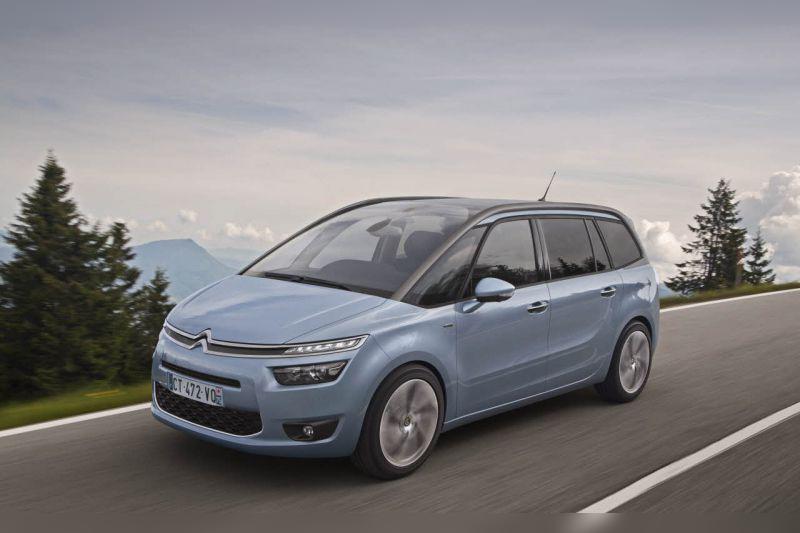
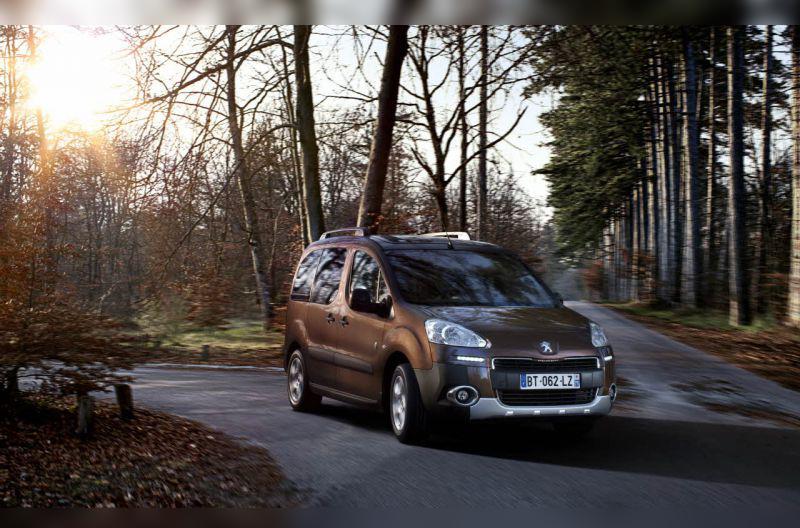
Don’t expect miracles. This engine is old-school. In lighter models (DS3, 207, 208) city consumption is around 8.5 to 9.5 l/100 km. However, in heavier vehicles (C4 Grand Picasso, Peugeot 508, Berlingo) and with the A/C on in stop‑and‑go traffic, consumption easily climbs to 10.5 to 11.5 l/100 km.
Is this engine “lazy” for the weight of the car?
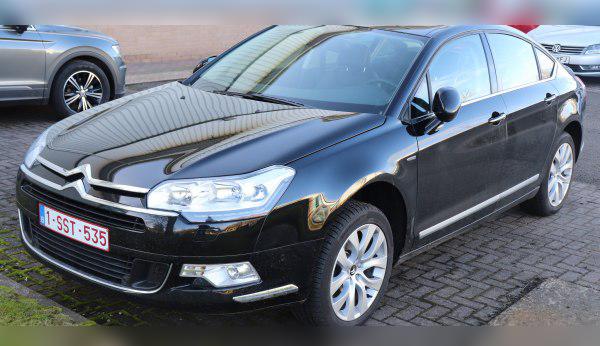
Its 160 Nm of torque is only available at higher revs (around 4,250 rpm). If you drive it in a C3 or Peugeot 208, it will feel quite lively. But if you buy a C4 Picasso or Citroën C5 with this engine, be prepared for frequent downshifts and a lack of breath when overtaking on country roads. It simply doesn’t have enough torque for heavy bodies.
What is the engine like on the motorway and at what revs does it cruise at 130 km/h?
This is the biggest drawback of models equipped with this engine in combination with the 5‑speed manual gearbox. At 130 km/h, the engine spins at a rather high 3,800 to 4,000 rpm. The result is increased cabin noise and fuel consumption jumping to over 8 l/100 km.
Additional options and modifications
Is this engine suitable for LPG conversion?
Yes and no. Since it has indirect MPI injection, the installation itself is not a problem and does not require very expensive systems for direct injection. However, the Valvetronic system (there is no conventional throttle body; the valves control the air) creates a specific vacuum, which requires a top‑notch installer and a very high‑quality LPG system (perfectly mapped). Also, due to the lack of hydraulic tappets with long‑term automatic clearance adjustment, a poorly tuned LPG setup can quickly lead to burnt valves.
How far can this engine be safely “chipped” (Stage 1)?
Short answer: don’t waste your money. Software optimisation (Stage 1) on a small naturally aspirated engine will not bring a noticeable difference. You might gain at most 5 to 8 hp and maybe 10 Nm, which is absolutely imperceptible in real driving.
Gearbox and power transfer
Which manual and automatic gearboxes are fitted to this engine?
- Manual: Most commonly a 5‑speed manual gearbox (codes BE4 or MA).
- Robotised: EGS (Electronic Gear Shift), which is essentially a manual gearbox with robotised gear changes and a robotised clutch.
- Automatic (torque converter): The old 4‑speed automatic AL4 (later improved into AT8), fitted to some versions of the C3 and 207.
What are the most common failures of the manual and automatic gearboxes?
The 5‑speed manuals tend to suffer from worn shaft bearings, which manifests as a characteristic “whining” or “howling” in third and fourth gear, as well as a slightly vague gear lever.
The robotised EGS gearbox is a thorny path. It is characterised by slow gear changes (“head nodding” when shifting), and frequent failures of the actuator (robot) and premature clutch wear. Actuator overhaul is very expensive (depends on the market).
The AL4 automatic with only 4 gears is outdated, increases fuel consumption, and the most common failures are the valve body and solenoids, which cause strong jerks when engaging “D” or shifting from first to second gear.
How much does clutch replacement cost?
On the manual gearbox, since there is no dual‑mass flywheel, only the standard kit is replaced (pressure plate, disc, release bearing). This cost is not high (depends on the market). On the EGS robotised gearbox, after clutch replacement a “calibration/adaptation” via factory diagnostics is mandatory.
At what mileage should the gearbox be serviced and the oil changed?
For manual gearboxes, it is recommended to check and replace the oil at around 80,000 km (it takes about 2 liters). On the AL4 automatic, although PSA claims it is “lifetime”, you should definitely do a partial oil change every 60,000 km if you want to avoid valve body failure.
Buying used and conclusion
What exactly should be checked before buying?
If you are looking at a car with the 1.6 VTi engine, keep a cool head and a sharp ear:
- Cold start: Insist that the car has not been started that day. Listen to the first 5–10 seconds of running. If you hear scraping or metallic rattling on the right side of the engine (passenger side), the chain is ready for replacement.
- Exhaust smoke: Let the engine idle for 5 minutes until it reaches operating temperature, then give it a strong rev. If a cloud of bluish smoke comes out, the engine is crying out for new valve stem seals and rings.
- Oil leaks: Check the area around the valve cover and the oil filter housing. This engine is rarely completely dry.
- OBD diagnostics: Do not buy without plugging in diagnostics. Thermostat heater faults and errors related to VVT camshaft positions are often cleared just before sale.
Final verdict: Who is this engine for?
The 1.6 VTi (5FS EP6C) engine is a mix of good intentions and complicated engineering execution. It is aimed at drivers who need a lively engine for lighter cars (Peugeot 208, DS3) and who do not cover huge mileages. It is not suitable for careless owners. To serve you well, it requires shortened oil change intervals (maximum 10,000 km), regular checking of the dipstick and an awareness that sooner or later the chain will have to be replaced. If you are looking for an engine you can “just fill up and drive” without ever opening the bonnet, this might not be the right choice for you.