Engine 1.6 THP 5FV EP6CDT (156 hp): Experiences, problems, fuel consumption and used-car buying tips
- Driving dynamics: Excellent low-end torque, it drives almost like a diesel but with the refinement of a petrol engine.
- Timing chain reliability: One of its biggest weaknesses. Chain stretch and tensioner failure are almost guaranteed before 100,000 km.
- Oil consumption: Often burns serious amounts of oil due to poor piston rings, valve stem seals and crankcase ventilation separator.
- High-pressure fuel pump (HPFP): Prone to failure, which leads to loss of power and entering limp mode.
- Carbon buildup: Due to direct injection, intake valves get dirty and require periodic mechanical cleaning.
- One-sentence verdict: An engine that offers great performance and driving pleasure, but demands a very meticulous owner and a deeper pocket for maintenance.
Contents
- Introduction: About the 5FV EP6CDT engine
- Technical specifications
- Reliability and maintenance
- Specific parts and costs
- Fuel consumption and performance
- Additional options and modifications
- Gearbox and drivetrain
- Buying used and conclusion
Introduction: About the 5FV EP6CDT engine
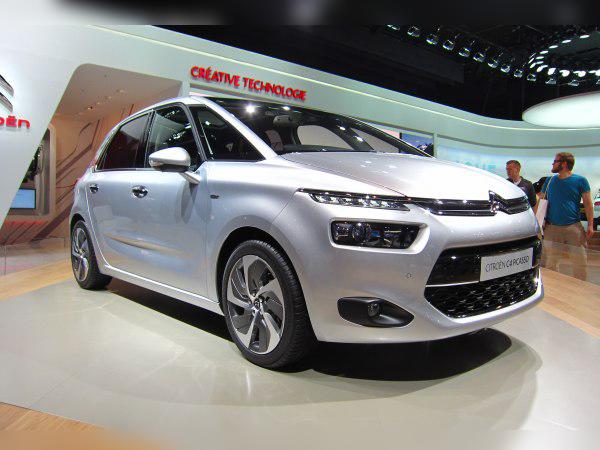
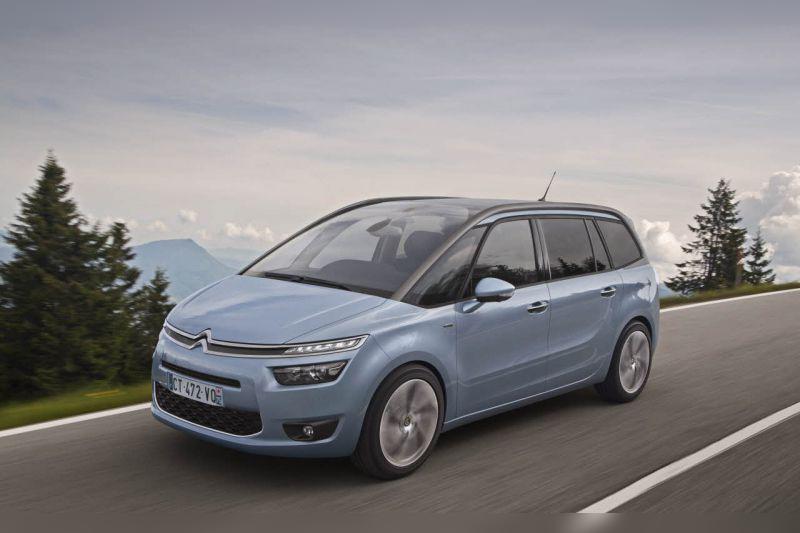
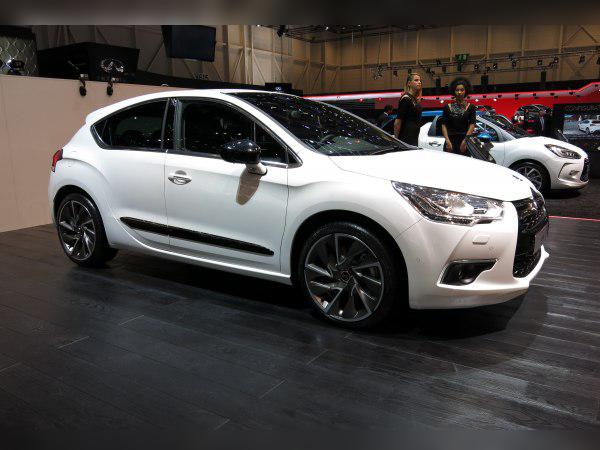
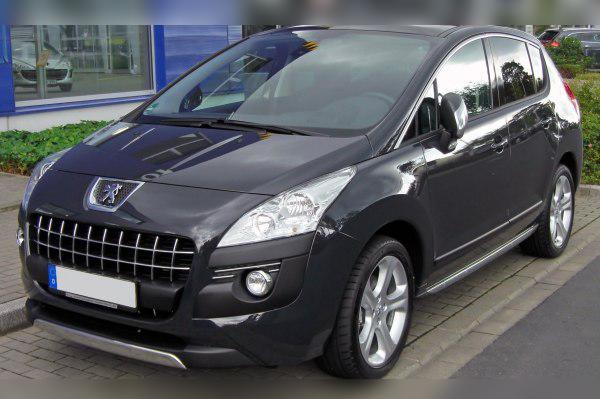
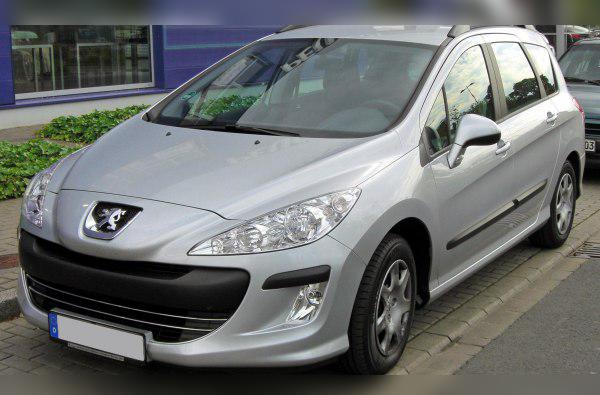
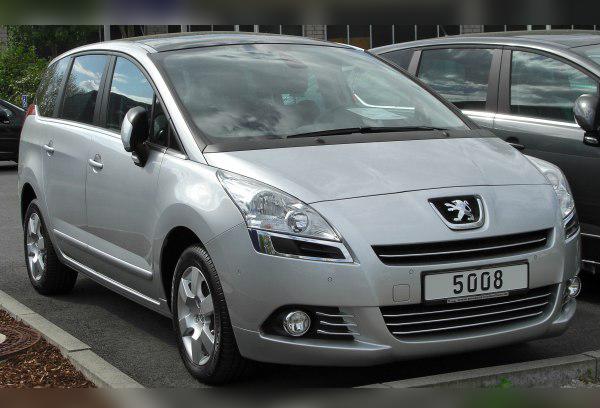
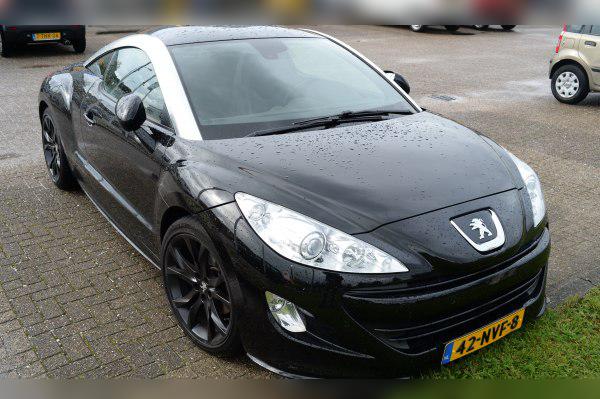
The 1.6 THP engine with the code 5FV (EP6CDT) is the result of the former cooperation between the French PSA group (Peugeot/Citroën) and German BMW. Known as part of the “Prince” engine family, this unit was designed to deliver high power from a small displacement with the help of a turbocharger and direct injection. It was installed in a huge number of vehicles, from compact hatchbacks like the Peugeot 308 and Citroën C4, through the attractive Peugeot RCZ, all the way to heavy family cruisers such as the Peugeot 5008 and Citroën C5.
Although on paper and on the road this is a fantastic engine that has won the “International Engine of the Year” award multiple times, in practice it has proven to be extremely sensitive. Its design requires rigorous maintenance, and ignoring the first symptoms of failure quickly leads to astronomical repair bills.
Technical specifications
| Displacement: | 1598 cc |
| Power: | 115 kW (156 hp) at 6000 rpm |
| Torque: | 240 Nm at 1400 - 4000 rpm |
| Engine code: | 5FV / EP6CDT |
| Injection type: | Direct injection |
| Charging: | Twin-scroll turbocharger with intercooler |
| Timing drive: | Chain |
Reliability and maintenance
Timing chain or timing belt?
This engine uses a timing chain, and that is precisely the Achilles’ heel of this unit. Instead of being a component that lasts as long as the engine itself, the chain on 1.6 THP engines often stretches. The problem is further aggravated by the hydraulic chain tensioner, which loses pressure (especially if the oil level is low). The symptoms are clear: a specific metallic “rattling” or “grinding” noise on the first cold start of the day (until the engine builds up oil pressure). If ignored, the valve timing shifts, the car loses power, the Check Engine light comes on, and in the worst case the chain jumps a tooth and pistons collide with valves.
Most common failures
Besides the timing system, the list of recurring issues is quite long:
- Carbon buildup on intake valves: Since it has direct injection, fuel does not wash over the intake valves. Oil vapors stick to the valves and bake on at high temperatures (°C). The driver notices this as hesitation under acceleration, rough idle and loss of power. The solution is mechanical “walnut blasting” of the intake ports and valves.
- Water pump and friction wheel: The water pump is driven by a specific mechanism with a friction wheel that can fail, which leads to engine overheating. The thermostat housing is also prone to cracking and coolant leaks.
- PCV valve (crankcase ventilation separator): It is integrated into the valve cover. When the membrane tears, the engine draws in a large amount of oil, which drastically increases oil consumption and creates vacuum in the crankcase.
Major service and oil changes
On this engine, a classic “major service” at a fixed mileage officially does not exist because it uses a chain. However, practice has shown that the complete timing chain kit is replaced preventively at around 80,000 to 100,000 km, or as soon as rattling is heard. The cost of this job is high (depends on the market).
The engine takes exactly 4.25 liters of oil. The recommended viscosity is 5W-30 or 0W-30 (with PSA specification B71 2290 or 2312). The most important rule for 1.6 THP engines: Oil must be changed strictly every 10,000 km or once a year. Extended intervals of 20,000+ km are disastrous for the turbo, chain and piston rings.
Oil consumption
Oil consumption is a normal occurrence for this engine, but the limits must be clear. The manufacturer tolerates up to 0.5 l/1000 km, but any experienced mechanic will tell you that anything over 0.2 l/1000 km is a warning sign. The causes are worn valve stem seals, stuck piston rings (due to irregular oil changes) or the aforementioned valve cover with a faulty PCV valve.
Spark plugs
This is a high-compression turbo petrol engine. Spark plugs are heavily stressed and should be replaced every 40,000 km (some mechanics advise every 30,000 km if the car is often driven in the city). A bad spark plug can cause a misfire, which sends unburnt fuel straight into the catalytic converter and permanently damages it.
Specific parts and costs
Dual-mass flywheel
Yes, if the engine is paired with a manual gearbox or an EGS (robotised manual) gearbox, it has a dual-mass flywheel. Its role is to absorb the strong torque shocks (240 Nm) at low revs. Symptoms of wear are vibrations when setting off, knocking when switching the engine off and difficult gear engagement. Replacing the clutch kit and dual-mass flywheel is expensive (depends on the market).
Fuel injection system (HPFP)
The injection system is direct. Injectors rarely fail completely, but they can get dirty. The real problem of this system is the high-pressure fuel pump (HPFP). Its service life is often below 100,000 km. When the pressure drops, the car struggles under acceleration, stumbles and goes into limp mode. The price of a new pump is very high (depends on the market).
Turbocharger
It is equipped with a single turbocharger, but with twin-scroll technology, which allows it to spool up early. The turbo itself is well made (manufacturer BorgWarner), but suffers from two issues. The first is clogging of the oil feed line due to infrequent oil changes. The second weakness is play in the wastegate actuator rod. When this wears out, the turbo cannot hold boost, the car pulls weaker, and you can hear metallic rattling under the bonnet when lifting off the throttle.
DPF, EGR and AdBlue
Since this is a petrol engine, it does not have a DPF filter or AdBlue system (which is a big relief for city driving). It does not have a classic external EGR valve like diesels; instead, exhaust gas recirculation is handled inside the cylinder by variable valve timing (VVT). However, due to poor separation of oil vapors, the intake tract gets dirty almost as quickly as if it had an EGR valve.
Fuel consumption and performance
City driving and vehicle weight
Fuel consumption largely depends on the body style. In models like the Peugeot 208 or DS3 this engine is a “rocket”, but in larger cars such as the Citroën C4 Grand Picasso or Peugeot 5008 (especially with 7 seats), the engine has its work cut out. In city conditions you can expect real-world consumption between 9.5 and 11 l/100 km. Is it “lazy”? No. The 240 Nm of torque are available from just 1400 rpm, so in the city it can be driven relaxed without constant gear changing, but in heavier vehicles under full load the lack of displacement can be felt.
Motorway driving
On the motorway the EP6CDT is extremely refined. In sixth gear at 130 km/h the engine spins at a fairly low 2800 - 3000 rpm (depending on the gear ratios of the specific model). Cabin noise is minimal. Motorway fuel consumption ranges between 6.5 and 8 l/100 km, depending on the vehicle’s aerodynamics.
Additional options and modifications
LPG conversion
Is LPG conversion recommended? No. Due to direct injection, the petrol injectors are located inside the combustion chamber. If petrol (which cools them) stopped flowing through them, they would melt from the temperature. LPG installation requires special systems that either inject liquid gas directly through the petrol injectors, or systems that constantly use about 10–20% petrol together with LPG for cooling. In both cases, the installation cost is extremely high (depends on the market) and is hard to justify financially.
Remapping (Stage 1)
This engine has huge potential. With a simple software remap (Stage 1), power safely jumps from 156 hp to about 190–200 hp, and torque to almost 290 Nm. Acceleration becomes noticeably sharper. HOWEVER: Remapping is strongly discouraged unless you have previously sorted the timing chain, cleaned the intake valves and ensured that the engine does not consume oil. Raising boost pressure on a compromised engine guarantees quick piston failure.
Gearbox
Types of gearboxes and failures
Several types of gearboxes were paired with the 1.6 THP (156 hp), and it is very important which one you choose:
- Manual (6-speed): A precise and durable gearbox. The only major expense is the clutch kit with dual-mass flywheel, which usually fails between 150,000 and 200,000 km. The oil should be changed at 100,000 km.
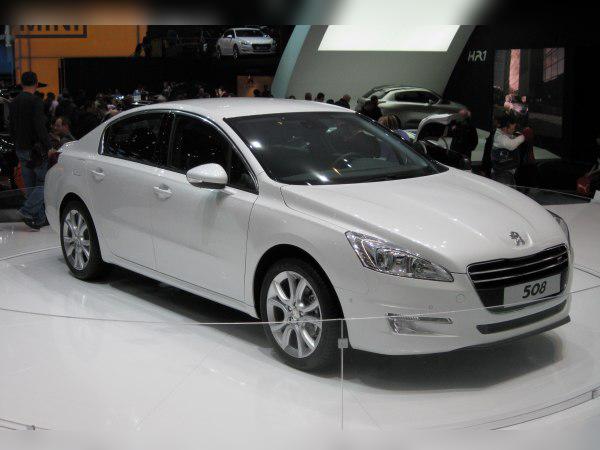
- Conventional automatic (Aisin 6-speed, EAT6): Installed in models such as the C5 and 508. This is an excellent Japanese gearbox with a hydraulic torque converter (there is no dual-mass flywheel in the classic sense, but a converter). It is very reliable if regular servicing and ATF oil changes every 60,000 km are carried out. If the oil is not changed, the valve body fails, which results in jerking when shifting from first to second gear. Repair is very expensive (depends on the market).
- EGS / BMP (robotised manual): Often found in Citroën C4 Picasso models. This is actually a manual gearbox where a robot operates the clutch and shifts gears instead of you. It provides a very poor driving experience. It jerks when changing gears, “thinks” too long on inclines, and the actuators and hydraulics are prone to costly failures. It has a conventional clutch kit and dual-mass flywheel that wear out faster than on a pure manual due to the less-than-perfect control by the robot.
Buying used and conclusion
What must be checked before buying?
Buying a used 1.6 THP 5FV engine is like walking on thin ice if you don’t know what to look for. Here’s what you must do:
- Cold start is crucial: Insist that the seller leaves the car completely cold when you arrive. Open the bonnet, start the engine and listen around the right wheel area (where the chain is). Any rattling that lasts longer than 2–3 seconds means the chain needs replacing.
- Blue smoke from the exhaust: Have someone rev a warm engine while you watch the exhaust. Bluish smoke suggests oil burning (rings or valve stem seals). If it emits black smoke, the mixture is too rich (often an injector or HPFP issue).
- Service history: Ask for proof that the oil was changed more frequently than the factory 30,000 km interval (which PSA unrealistically promoted at one time).
- Diagnostic test drive: Connect an OBD scanner and monitor requested and actual fuel pressure (HPFP test) and turbo boost under full throttle. Any deviation indicates an upcoming problem.
Conclusion: Who is this engine for?
The 1.6 THP 5FV EP6CDT engine offers performance, refinement and quiet running. It is an excellent choice for people who drive lower annual mileage and do not want the complications with DPF filters that diesels bring. However, this is not an engine for drivers who open the bonnet only to top up washer fluid. If you are not prepared to maintain the timing system preventively, regularly check the oil level and tolerate potentially expensive pump repairs, you are better off looking for the proven 2.0 HDi diesel unit in those same vehicles.