Engine 9HP DV6DTED (1.6 HDi 92 HP): Experiences, problems, fuel consumption and buying used
The most important in short (TL;DR):
- No dual-mass flywheel: In the version with a manual gearbox it usually comes with a solid flywheel, which drastically reduces maintenance costs.
- No AdBlue system: The engine belongs to the Euro 5 generation and uses a FAP (Eolys) additive, so you avoid expensive AdBlue pump and tank repairs.
- Eight valves (8V): Unlike the older and more problematic 16V versions, this engine is significantly more reliable and does not suffer from turbo lubrication issues.
- Excellent fuel economy: One of the most economical diesels on the market; in light models like the Peugeot 208 it sips fuel.
- Automated gearboxes require attention: EGS/BMP6 gearboxes can jerk and require calibration and regular actuator maintenance.
- Performance depends on the body style: Excellent for city cars, but quite stressed and “lazy” in heavy vehicles such as the Citroën C4 Grand Picasso.
Contents:
- Introduction: Meet the 1.6 HDi 8V (92 HP)
- Technical specifications
- Reliability and maintenance
- Specific parts (costs)
- Fuel consumption and performance
- Additional options and modifications
- Gearbox and drivetrain
- Buying used and conclusion
Introduction: Meet the 1.6 HDi 8V (92 HP)
The engine with the code 9HP (DV6DTED) is probably one of the most important evolutions in the modern history of the PSA group (Peugeot/Citroën). This unit was created as a response to numerous criticisms that followed the previous generation of 1.6 HDi engines (DV6TED4 with 16 valves). The engineers decided to simplify things: they removed one camshaft, reduced the number of valves to eight and thus solved the notorious problems with soot build-up that blocked the oil supply to the turbo.
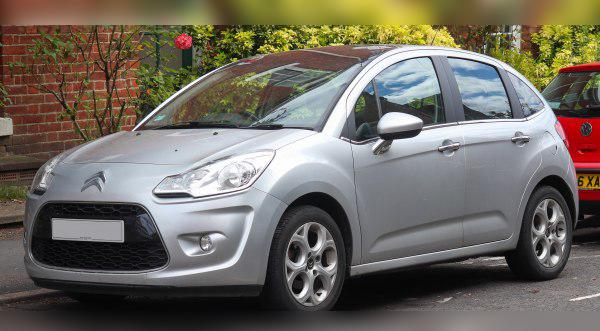
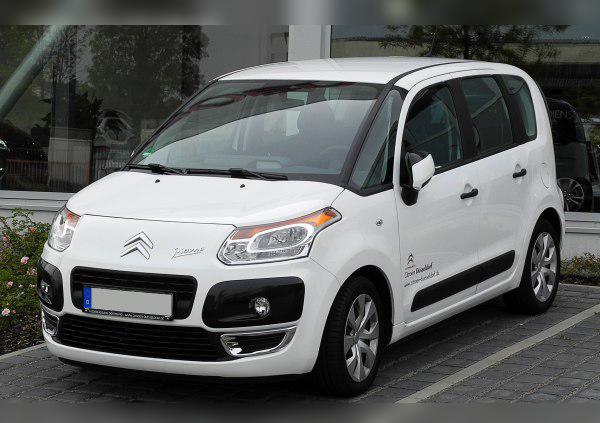
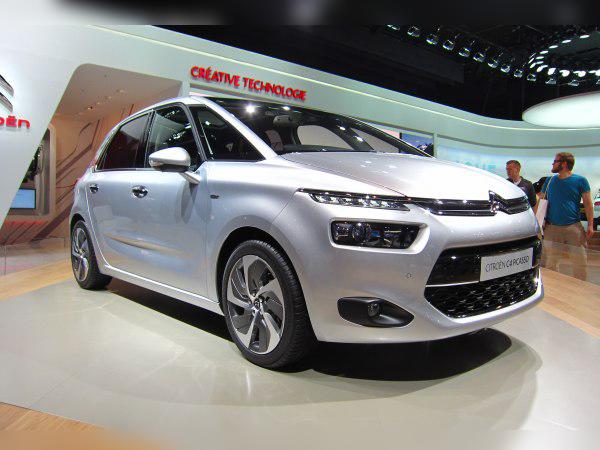
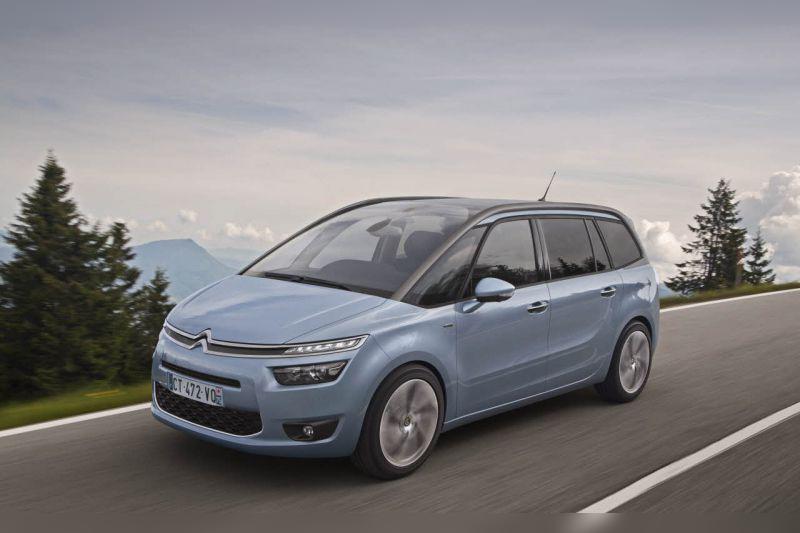
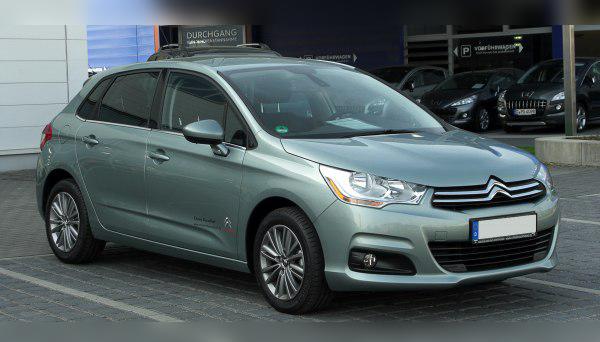
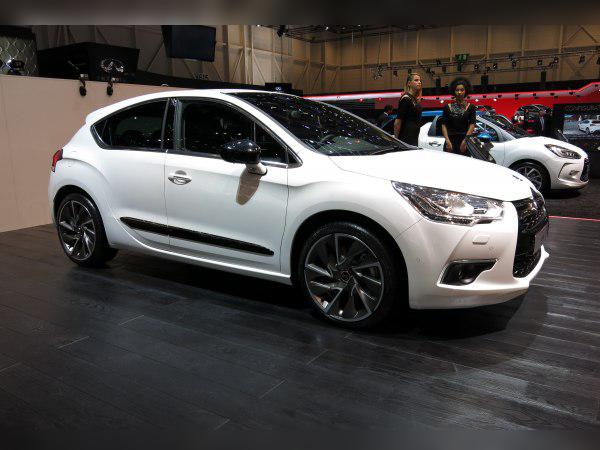
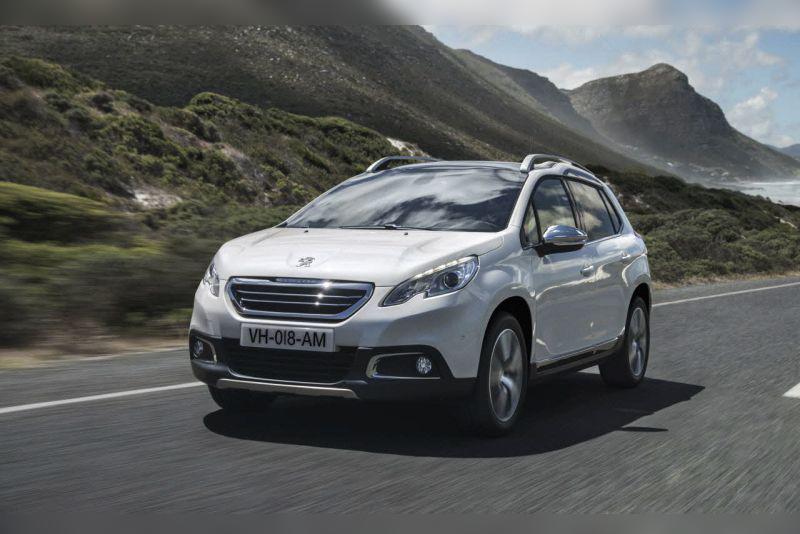
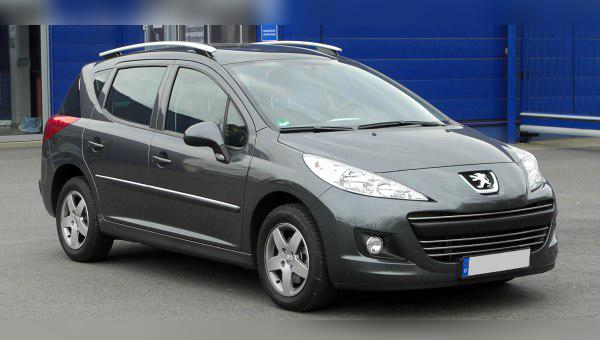
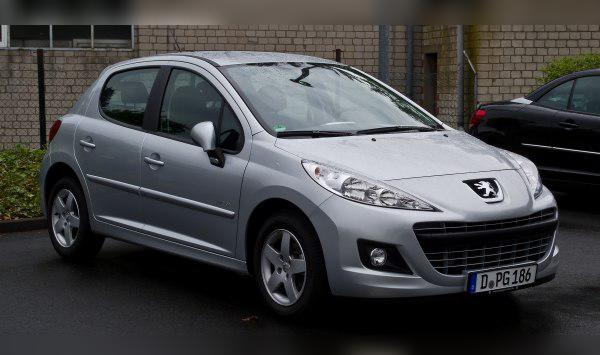
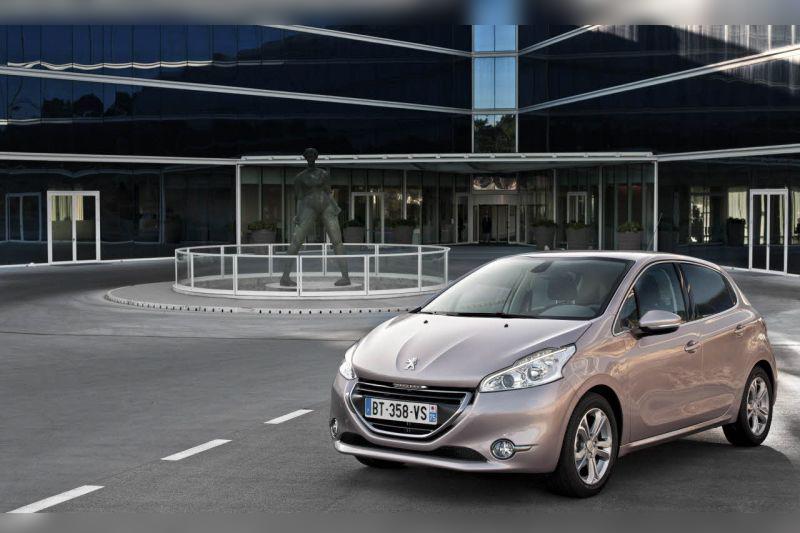
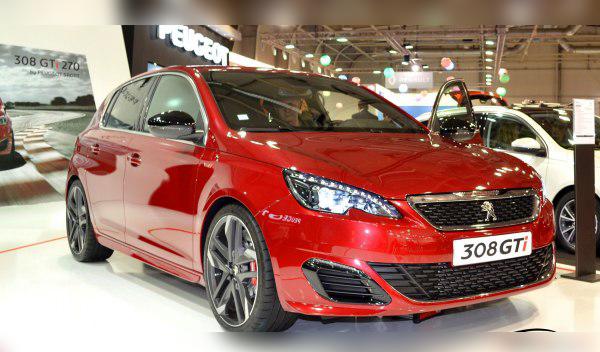
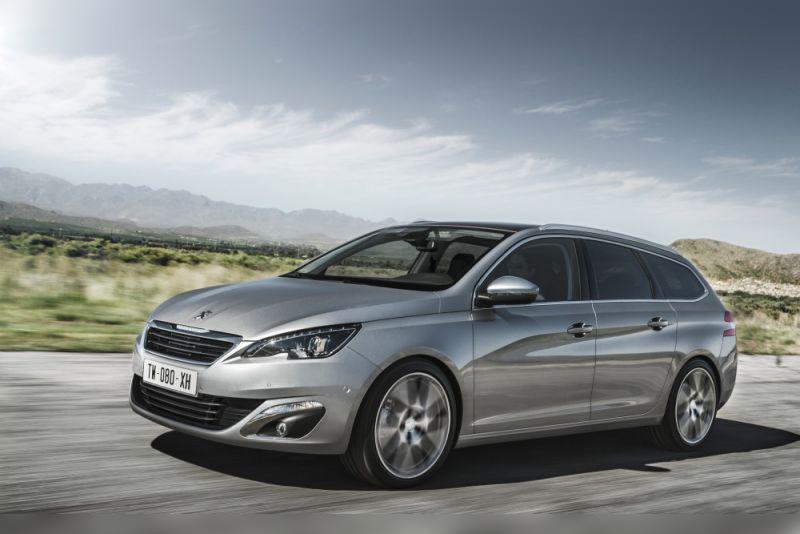
It was installed in a huge range of vehicles – from small city runabouts such as the Peugeot 208 and Citroën C3, to family cruisers like the Citroën C4 Grand Picasso and Peugeot 308 SW. This very versatility makes it one of the most widespread engines on the used market, and its reputation today, among experienced mechanics, is exceptionally high.
Technical specifications
| Parameter | Data |
|---|---|
| Displacement | 1560 cc |
| Power | 68 kW (92 HP) |
| Torque | 230 Nm at 1750 rpm |
| Engine code | 9HP, DV6DTED |
| Injection system | Common Rail (direct injection) |
| Aspiration | Turbocharger (fixed geometry) with intercooler |
| Valves and camshaft | 8 valves, SOHC (single camshaft) |
Reliability and maintenance
This engine does not use a timing chain, but a classic timing belt. Since this is an 8-valve version with a single camshaft (SOHC), there is no small chain between camshafts that used to cause problems on older 16V versions. This significantly simplifies and reduces maintenance costs.
As for the major service interval, the manufacturer optimistically specifies replacement at 240,000 km or 10 years. However, any experienced mechanic will tell you that this is a pure risk for the engine. The recommendation is to do the major service (belts, tensioners, rollers, water pump) at 150,000 to a maximum of 180,000 km or every 7 years.
During an oil service, this engine takes about 3.75 liters of oil (including the oil filter). The required grade is 5W-30 that meets the PSA B71 2290 standard (e.g. Total Quartz INEO ECS), because this Low-SAPS oil is crucial for preserving the DPF filter. This engine is not known as an “oil burner”. A loss of 0.3 to 0.5 liters per 10,000 km is considered completely normal, often only due to evaporation or minimal seepage at the turbo.
The most common failures on this engine are quite benign. They usually include minor oil leaks at the valve cover gasket or around the injector washers (if you smell exhaust fumes in the cabin, it’s a sign that the washers have failed). The injectors (mostly Bosch or Siemens/Continental) have proven to be excellent. They rarely fail before 250,000 km. Symptoms of a faulty injector are rough idle, increased black smoke from the exhaust under hard acceleration, and a characteristic metallic “knocking” under load.
Specific parts (costs)
Dual-mass flywheel
One of the biggest advantages of the 92 HP version is that it usually comes with a solid flywheel (especially in combination with the five-speed manual gearbox). This means that when replacing the clutch you only change the pressure plate, disc and release bearing, which is not an expensive job (depends on the market). Note: Some e-HDi versions with Start-Stop systems and automated gearboxes (EGS/BMP6) may have a dual-mass flywheel. A check by VIN is required.
Injection and turbocharger
Unlike the more powerful 110/115 HP version which uses a variable geometry turbo, this 9HP engine uses a fixed-geometry turbocharger (with a wastegate valve). This is a much more robust solution. With regular oil changes, the turbo’s service life easily exceeds 200,000–250,000 km. A rebuild, if needed, is not too expensive.
DPF, EGR and FAP additive (No AdBlue!)
Does this engine have AdBlue? No! This is a Euro 5 engine and that is a huge advantage. You don’t have to worry about failing NOx sensors, tank heaters and expensive pumps.
However, it does have a DPF (FAP) filter and uses Eolys fluid (FAP additive) which is dosed at every refuelling. The fluid is usually topped up at around 120,000–150,000 km. The DPF filter on this engine clogs up quite slowly, but if the car is driven exclusively in the city, around 200,000 km you can expect the need for machine cleaning. The EGR valve can get clogged with soot from city driving; symptoms are loss of power, jerking at low revs and the Check Engine light coming on. Cleaning the EGR solves the problem and is not expensive (depends on the market).
Fuel consumption and performance
When it comes to efficiency, the DV6DTED excels. Real-world city fuel consumption for lighter models (Peugeot 208, Citroën C3) ranges between 5.5 and 6.0 l/100 km. In heavier bodies (C4 Picasso, Peugeot 308) it can rise to 6.5 to 7.0 l/100 km, but hardly above that.
Is the engine “lazy”? That depends entirely on where it’s installed. In a Peugeot 208, with 92 HP and 230 Nm, the car is very lively. In typical hatchback models (C4, 308) it offers perfectly adequate, well-balanced performance for the average driver. However, in models such as the Citroën C4 Grand Picasso (which can weigh up to 1.5 tons empty), this engine is strained. Under load on uphill sections, you will feel a serious lack of power and will often have to reach for the gear lever.
On the motorway the situation is acceptable, but the engine lacks a sixth gear (on manual versions). At 130 km/h in fifth gear, the crankshaft spins at about 2,600–2,800 rpm. It’s not too noisy, but a sixth gear would significantly reduce both noise and fuel consumption, which on the motorway is around 5.5 to 6 l/100 km.
Additional options and modifications
This engine is very suitable for mild tuning. Since it is structurally very similar to the more powerful variants (although it has a different turbo), it can safely be “chipped” (Stage 1 remap) to 110 to 115 HP, with torque increased to around 260–270 Nm. This is especially recommended for owners of heavier models (such as the Picasso) because the car “breathes” much easier and pulls better when overtaking, while fuel consumption in normal driving remains the same or even drops slightly.
Gearbox: manual vs automated (EGS/BMP6)
With this engine, a five-speed manual gearbox (BVM5) and a six-speed automated gearbox (EGS6 in Citroën, BMP6 in Peugeot) were installed.
Manual gearbox
The BVM5 manual gearbox is very durable. It feels a bit “rubbery” and imprecise when shifting compared to German competitors, but it rarely fails. The most common issues are oil leaks at the driveshaft seals and eventual wear of the input shaft bearing (symptom: a rustling noise while idling that disappears when you press the clutch).
Automated gearbox (EGS / BMP6)
This is not a conventional automatic gearbox, but a manual gearbox with an electro-hydraulic robot (actuator) “bolted on” that shifts gears and operates the clutch instead of you. Its advantage is low fuel consumption, but the downsides are jerking during gear changes and specific maintenance. The clutch on these gearboxes usually lasts shorter than on classic manuals, and replacing the clutch kit and calibrating the actuator can be noticeably more expensive (very expensive, depends on the market). If you feel strong jolts when setting off or delays when shifting, be prepared for actuator servicing or clutch replacement.
Gearbox service: Regardless of which gearbox you have, the gearbox oil (about 2 liters) should be changed every 60,000 to 80,000 km to extend its service life. The same applies to the automated gearbox, with an obligatory diagnostic check of the actuator operation.
Buying used and conclusion
When buying a used car with the 9HP (DV6DTED) engine, here is what you should pay the most attention to:
- Checking injector washers: Remove the plastic engine cover. If you see a black, tar-like deposit around the injector bases and smell fuel/exhaust, the engine urgently needs new washers and seat cleaning.
- Condition of the DPF and FAP additive: Connect the car to dedicated diagnostics (DiagBox / Lexia). Check the DPF saturation level and the amount of remaining Eolys additive in the tank.
- Turbo noise: A slight whistle when cold is normal, but a loud wailing (like a siren) under load indicates worn turbo bearings.
- Operation of the automated gearbox: Start gently uphill. If the car jerks strongly when the clutch engages, the clutch kit is near the end of its life.
Final verdict: Who is it for?
The PSA 1.6 HDi 92 HP (8V) is one of the most desirable small diesel engines on the used market. It has solved all the “childhood diseases” of its predecessor. It is extremely economical, does not have a problematic and expensive AdBlue system, and in 90% of cases does not hit the owner’s wallet with a dual-mass flywheel replacement. It is an ideal choice for family and city cars (C-segment hatchbacks and estates). It should only be avoided in heavy vehicles (C4 Grand Picasso with 7 seats) if you often drive a fully loaded car with luggage and passengers in hilly areas, because there it lacks power.