Engine 9HR DV6C 1.6 HDi (112 HP): Experiences, problems, fuel consumption and used-car buying tips
Key points in short (TL;DR):
- Significantly more reliable than the previous 16-valve generation (this engine has 8 valves).
- Fuel consumption is minimal, one of the most economical diesels in its class.
- Special attention is needed for the copper injector washers – if they loosen, the engine loses compression and dangerous carbon builds up around the injectors.
- It has a dual-mass flywheel whose replacement is a major expense.
- Versions with BMP6/EGS6 automated gearboxes are jerky to drive and prone to faster clutch wear.
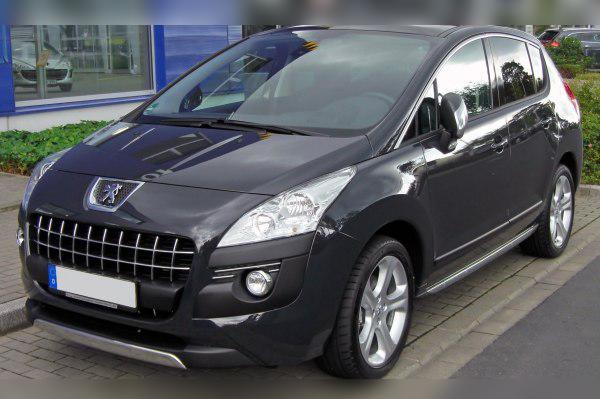
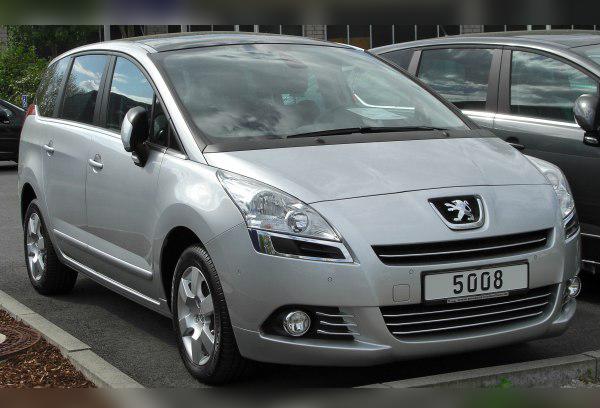
- Ideal for more compact models, but in heavier vehicles (such as the Peugeot 5008 or Citroën Grand Picasso) it can feel slightly sluggish under full load.
Contents
- Introduction: The golden mean of French engineering
- Technical specifications
- Reliability and maintenance
- Specific parts and failures
- Fuel consumption and performance
- Additional options and modifications
- Gearbox and drivetrain
- Buying used and conclusion
Introduction: The golden mean of French engineering
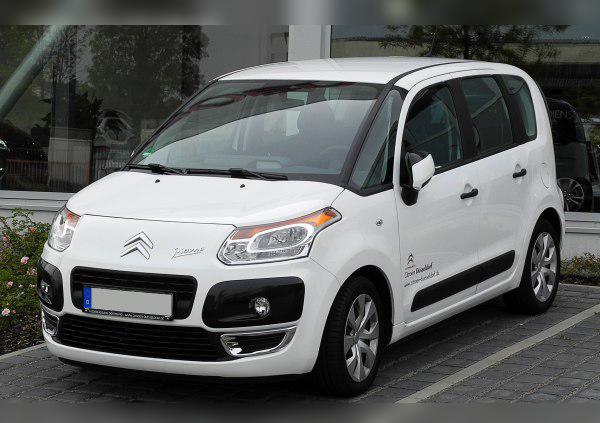
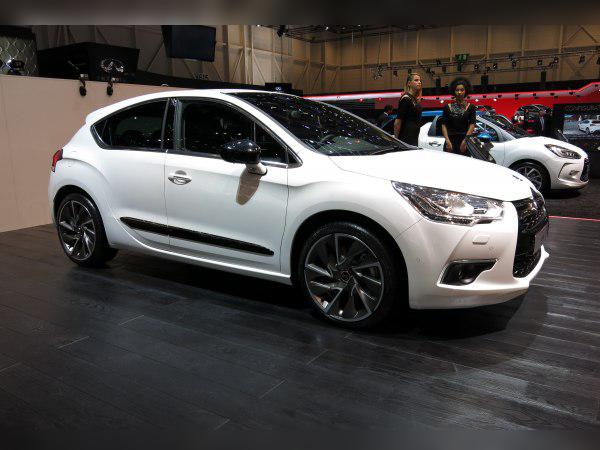
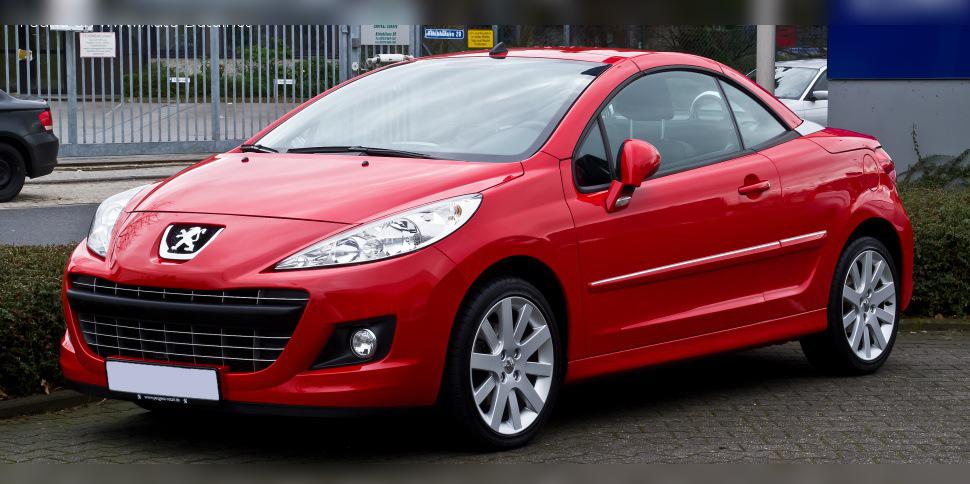
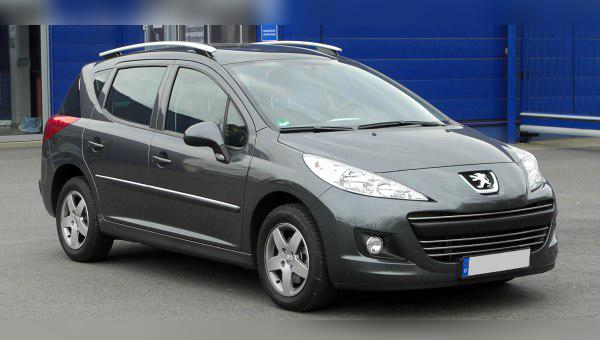
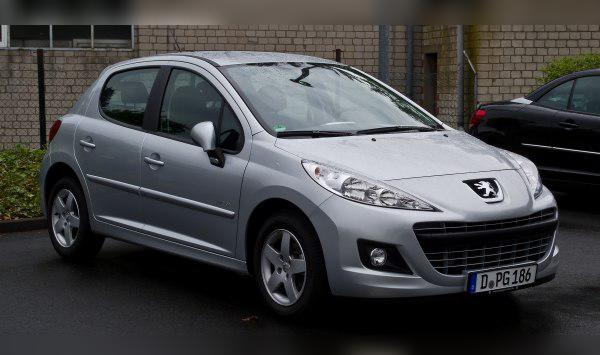
When someone mentions the 1.6 HDi, many drivers think of the old issues with the turbo oil strainer and sludge buildup. However, the engine designated 9HR (DV6C) with 112 HP is a huge step forward. In this generation, the PSA group switched from a 16-valve to an 8-valve (SOHC) architecture, simplifying the design and solving most of the previous model’s teething problems. This unit was installed in a very wide range of vehicles – from small city charmers like the Peugeot 207, through family cruisers such as the Citroën C4 Picasso and Peugeot 508, all the way to “lifestyle” models like the Citroën DS4. Thanks to its balance of performance and economy, it has become one of the most sought-after diesels on the used-car market.
Technical specifications
| Parameter | Data |
|---|---|
| Displacement | 1560 cc |
| Power | 82 kW (112 HP) |
| Torque | 270 Nm |
| Engine codes | 9HR, DV6C family |
| Injection type | Common Rail (piezo injectors) |
| Charging | Variable-geometry turbocharger, intercooler |
Reliability and maintenance
Timing belt or chain?
This engine uses a timing belt for the valve train, with a small chain linking the camshafts (although on this 8V version the system is much simpler). The factory interval for the major service is set very optimistically at 180,000 km to 240,000 km or 10 years. From workshop practice and experience, the recommendation is to do the major service at 120,000 km to 150,000 km, or every 6 to 7 years. A snapped belt can lead to total engine destruction, so this is not an area where you should try to save money.
Oil and oil consumption
The sump of this engine holds about 3.75 liters of oil. Because of the DPF (FAP) filter, you must use 5W-30 oil with a low-ash specification (Low SAPS, most often PSA B71 2290). Does the engine burn oil? A healthy DV6C should not consume more than 0.3 to 0.5 liters between services (over 10,000 km). If you notice higher consumption, the problem is usually not piston rings, but oil leaking through seals, the turbo shaft or the breather system.
Injector condition (Common Rail system)
The injection system on the 112 HP version often uses very precise piezo injectors (Continental/Siemens). The injectors are sensitive to poor-quality fuel. Their typical lifespan is around 200,000 km to 250,000 km. The issue with piezo injectors is that they are harder to refurbish than classic solenoid types, so repairs are expensive (depending on the market). Symptoms of bad injectors include rough engine operation (knocking), smoke from the exhaust under acceleration and difficult first cold start in the morning.
Specific parts and failures
Dual-mass flywheel and clutch
Yes, the 112 HP version with a strong 270 Nm of torque comes with a dual-mass flywheel from the factory. Its average lifespan is 150,000 km to 200,000 km, depending on whether you mostly drive in the city or on open roads. Symptoms of wear include metallic rattling when switching the engine off, vibrations in the clutch pedal and difficulty engaging first gear. Replacing the clutch kit and dual-mass flywheel is very expensive (depending on the market).
Turbocharger
The turbo is of the variable-geometry type (VGT). Compared to the old 109 HP (16V) engine, the DV6C has solved the problem of the clogged strainer in the turbo oil feed line. Still, the turbo will fail if oil-change intervals are ignored. The typical lifespan of the turbo is around 200,000 km. Whistling noises and bluish smoke are signs that oil is passing through the turbo seals.
DPF, EGR and AdBlue
This model meets Euro 5 standards and does not use AdBlue fluid (no SCR system), which is great news as it spares you from issues with failing AdBlue pumps and tanks. However, it does have a classic FAP (DPF) filter that uses a special additive (Eolys) for regeneration. The additive tank is refilled roughly every 120,000 km. If the car is driven exclusively in the city, the DPF will clog quickly. The EGR valve also gets dirty from soot, causing jerking under acceleration and putting the engine into “safe mode” (reduced power). Cleaning the EGR is not very expensive, but replacement is.
Most common weakness: Injector washers
This is an absolute classic for all 1.6 HDi engines. The copper washers that seal the injectors loosen over time. Exhaust gases then escape past the injector, you can smell strong exhaust fumes in the cabin, and a black, hard, coal-like substance forms around the injectors (the so-called “black death”). Replacing the washers is not expensive (depending on the market), but if the problem is neglected, the injector can seize so badly that it has to be pulled out with special tools, which drastically increases the cost.
Fuel consumption and performance
The 9HR engine is one of the most desirable units precisely because of its frugality. In city driving, fuel consumption rarely exceeds 6.5 to 7.0 l/100 km. On country roads, with smooth driving, consumption drops to an incredible 4.0 to 4.5 l/100 km.
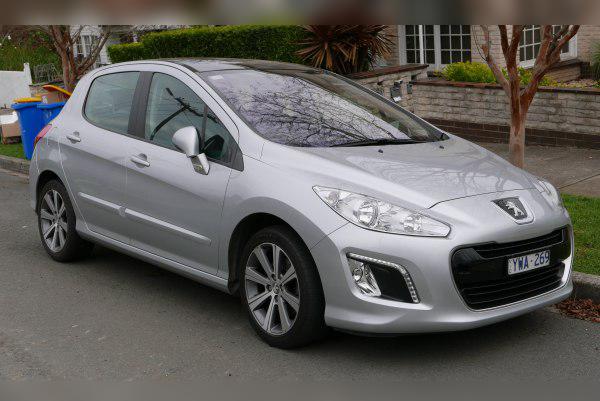
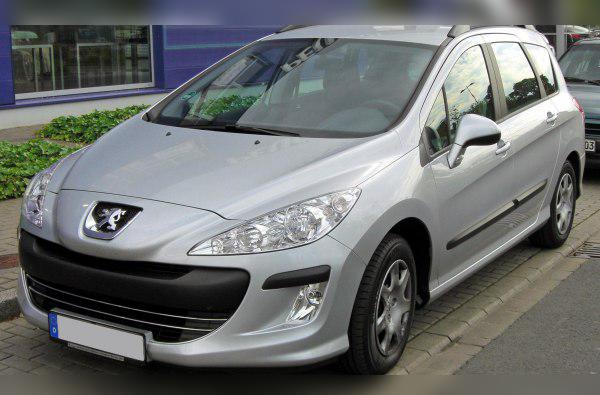
Is the engine “lazy”? It all depends on which car it’s in. In models like the Peugeot 207 or Citroën C3, this engine turns the car into a little rocket. In C4 or 308 models it offers perfectly adequate, even dynamic performance. However, if you’re buying this engine in a Peugeot 5008 (especially the 7-seater) or a Grand Picasso and you plan to travel with a full boot, be prepared for somewhat weaker in-gear acceleration and the need to shift more often on climbs.
On the motorway, at a speed of 130 km/h, in versions with the six-speed manual gearbox the engine cruises at a very pleasant and quiet ~2200 to 2400 rpm, with fuel consumption of around 5.5 l/100 km.
Additional options and modifications
Remapping (Stage 1) is very popular on this engine because the 9HR (112 HP) is an excellent base. With a safe remap, power can be raised to about 135–140 HP, and torque to over 310 Nm. This drastically changes the engine’s behavior and solves the “sluggishness” problem in heavier bodies. However, keep in mind that higher torque puts additional stress on the clutch and dual-mass flywheel, so they will wear out faster if you floor the throttle aggressively at low revs.
Gearbox and drivetrain
Several different gearboxes were paired with this engine, and the choice of gearbox is actually a key factor when buying.
Manual gearboxes (5 and 6 speeds)
Mechanically they are reliable. The most common failures involve wear items – the clutch disc, pressure plate, release bearing and the dual-mass flywheel. It is recommended to change the oil in the manual gearbox at around 80,000 km to 100,000 km (about 2 liters of 75W-80 oil), even though the manufacturer often claims the oil is “lifetime” (which is not true if you care about long-term mechanical health).
Automated EGS6 / BMP6 (e-HDi versions)
This is something you really need to pay attention to. The e-HDi designation often comes with this electronically controlled manual gearbox (there is no clutch pedal, but inside it uses a conventional clutch). Owner experiences are mostly negative. The gearbox is slow, jerks when setting off and when shifting from first to second. It requires periodic calibration (relearning) via diagnostics and regular checks of the oil in the hydraulic block. The clutch on these gearboxes usually lasts significantly less than on a classic manual, and maintenance costs are high (depending on the market).
Buying used and conclusion
What to check before buying?
- Cold start: The engine should start smoothly, without chain rattling in the cylinder head and without blue or grey smoke from the exhaust.
- Smell under the bonnet: Remove the decorative engine cover. If you smell diesel or exhaust fumes and see black tar around the injectors, the washers have failed.
- Clutch test: Select a higher gear at low revs and floor the throttle. If the rev counter jumps up but the car doesn’t accelerate, the clutch is slipping. A knocking sound when switching the engine off suggests a bad dual-mass flywheel.
- Diagnostics is a must: Check the level of DPF clogging, the Eolys additive level and injector correction values.
- e-HDi Start-Stop system: These models use a special reinforced alternator and strictly require an expensive AGM battery. Check whether the Start-Stop system works properly.
Who is this engine for?
The 1.6 HDi 9HR (112 HP) engine is an excellent choice for the average European driver who needs an extremely economical car for everyday tasks and occasional trips. It is significantly better than its predecessors. The ideal compromise is achieved if you buy it with a conventional manual gearbox. If you prefer an automatic, try to avoid BMP6/EGS units and look for models with a conventional Aisin automatic gearbox (although these are rarer with this engine). Maintenance is not the cheapest, especially because of the DPF system and the dual-mass flywheel, but all of that pays off through fuel savings at the pump.