AHH DW10FC 2.0 BlueHDi 177 HP Engine: Experiences, Problems, Fuel Consumption and Used-Buying Tips
- Excellent torque: With 400 Nm, this engine easily copes with the heavy bodies of vans and MPVs.
- Timing system: Uses a combination of a timing belt and a short chain between the camshafts.
- Achilles' heel: The AdBlue system (tank and pump) is the most common and most expensive failure.
- Gearbox: Mostly paired with reliable Aisin automatic transmissions (EAT6 and EAT8), which require regular oil changes.
- Reliability: The mechanical base of the engine itself (block, crankshaft, pistons) is extremely durable and can cover huge mileages.
- Fuel consumption: Considering the aerodynamics and weight of the vehicles it is installed in, fuel consumption is very reasonable, at around 7 to 9 l/100 km.
Contents
Introduction: About the DW10FC engine
The
AHH DW10FC engine, commercially better known as the
2.0 BlueHDi with 177 HP (or 180 HP depending on rounding), represents the pinnacle of PSA (now Stellantis) engineering in the field of two‑liter diesels. This unit is an evolution of the legendary DW10 family, which has proven itself over decades as one of the most reliable on the European market.
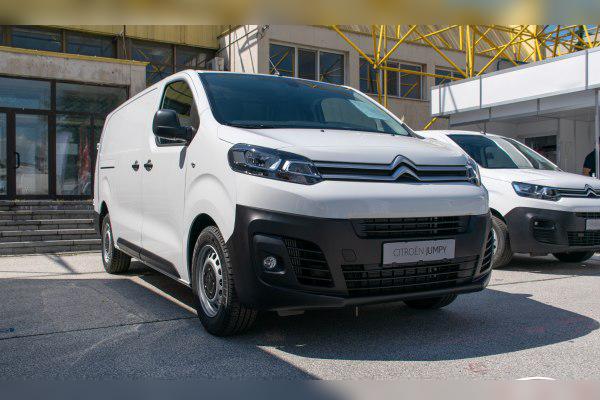
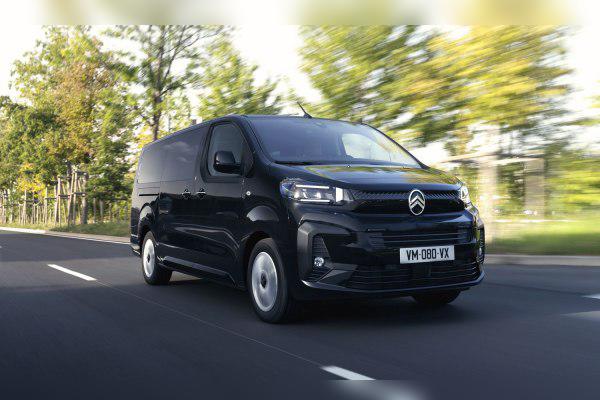
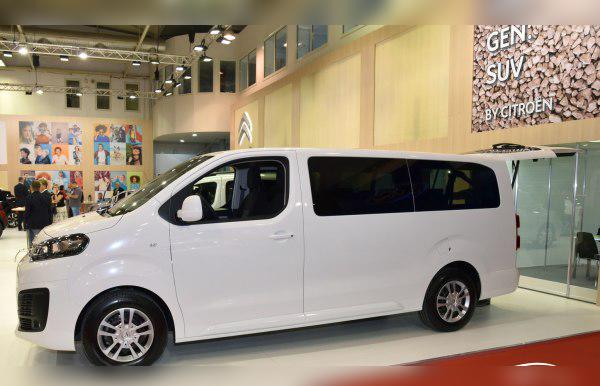
Its application is wide, but it shines the most in large vehicles where serious pulling power is needed, such as the
Citroën Jumpy III and
SpaceTourer, in various body lengths (XS, M, XL). Due to strict Euro 6 standards, this engine features a complex exhaust aftertreatment system, which allows it to remain environmentally friendly, but also brings certain maintenance challenges.
Technical specifications
| Parameter |
Data |
| Displacement |
1997 cc |
| Power |
130 kW (177 HP) |
| Torque |
400 Nm |
| Engine code |
AHH, DW10FC |
| Injection type |
Common Rail (Direct) |
| Charging method |
Turbocharger with variable geometry, Intercooler |
| Fuel |
Diesel |
Reliability and Maintenance
Timing system: Belt and chain
When you open the hood, this engine uses a
timing belt to drive one camshaft (from the crankshaft), but since this is a 16‑valve engine (DOHC), the other camshaft is connected to the first via a
short chain. This system is robust, but after 200,000 km the chain between the cams can start to make noise (rattling on cold start), so it is recommended to replace it when doing a major service to avoid damage to the camshaft housing.
Most common failures
The mechanics of the block and cylinder head are practically indestructible, but the “peripherals” are what cause headaches. The most common failures are related to the
exhaust aftertreatment system (AdBlue), occasional NOx sensor failures, as well as soot buildup in the intake manifold if the vehicle is driven exclusively on short city trips.
Minor and major service
The manufacturer often specifies very long intervals for the
major service (often over 150,000 km), but practice and workshop experience suggest that the major service should be done every
100,000 to 120,000 km.
As for oil, this unit takes
about 5.1 liters of oil. Due to the DPF filter and the sensitive turbocharger, it is mandatory to use fully synthetic oil of grade
0W‑30 (ACEA C2 specification). Change it strictly every 10,000 to 15,000 km; never wait for the 30,000 km intervals that the factory sometimes suggests. As a rule, the engine
does not consume oil between changes, and if you notice a loss of more than 0.5 liters per 10,000 km, it is time to inspect the turbocharger or seals.
Injector longevity
The injection system is top‑notch. The
injectors are extremely high quality and, provided you use reputable fuel and regularly change the fuel filter, will easily exceed 250,000 to 300,000 kilometers. The first symptoms of worn injectors will be rough idling, increased smoke (if the DPF fails to trap it) and difficult cold starts. Injector repair on these models is expensive (depends on the market), as they often use piezo‑electric injectors which are harder to refurbish.
Specific Parts and Costs
Turbocharger
The DW10FC uses a single
turbocharger with variable geometry (VGT). It is designed to withstand high loads and its service life is generally over 250,000 km. Its failure most often occurs due to poor lubrication (dirty oil or a clogged strainer in the oil feed line to the turbo). If you hear a siren‑like whine when accelerating, the turbo is ready for overhaul.
EGR, DPF and the notorious AdBlue
This engine has all the modern eco‑systems:
EGR valve, DPF filter and SCR catalyst with AdBlue fluid.
The EGR gets dirty if you “choke” the vehicle in the city at low revs. The DPF filter is relatively durable, regenerates with the help of FAP additive (a special fluid in the PSA group that lowers the soot combustion temperature) and lasts a long time if the vehicle is regularly driven on open roads.
However, the
AdBlue system causes serious problems. The pump module that injects the urea fluid is integrated into the tank itself. The fluid tends to crystallize, which damages the pump. When the pump fails, an engine fault appears on the instrument cluster, a countdown of kilometers until the engine cannot be started (often 1100 km), and the solution is usually to replace the entire tank with the pump. This repair is
very expensive (depends on the market). Prevention involves using additives against AdBlue crystallization every time you top it up.
Fuel Consumption and Performance
Real‑world fuel consumption
Considering that the DW10FC (177 HP) is installed in heavy, boxy and aerodynamically unfavorable vehicles (such as the Citroën SpaceTourer and Jumpy), fuel consumption is fantastic. In strict
city driving (stop‑and‑go), you can expect consumption of
8.5 to 10 l/100 km. On country roads this figure can drop to around 6.5 l/100 km.
Performance: Is the engine “lazy”?
Absolutely not. This is one of the best characteristics of this unit. With
400 Nm of torque available at low revs (around 2000 RPM), the engine easily moves a fully loaded van with passengers and luggage. Acceleration is smooth and overtaking is safe.
Motorway driving
On open roads this unit excels. Paired with an automatic transmission (usually with 8 gears), at a speed of
130 km/h the engine cruises at a very relaxed 2000 to 2200 rpm. This guarantees cabin quietness and low fuel consumption on the motorway (around 7.5–8 l/100 km, which is an excellent result for a van).
Additional Options and Modifications
Tuning (Stage 1)
The DW10 block is extremely suitable for so‑called
Stage 1 remap (software optimization of the ECU). The engine can be safely raised from the stock 177 HP to about
205 to 210 HP, while torque increases from 400 Nm to a serious
440 to 450 Nm. Drivers who have done this report that the vehicle tackles climbs under load much more easily. However, it is not recommended to push torque beyond 450 Nm in order to protect the automatic transmission and its clutches.
Transmission and Power Delivery
Types of transmissions
The models mentioned with this engine (Jumpy and SpaceTourer 177 HP) come almost exclusively with
automatic transmissions. Older versions (up to approx. 2018/2019) used the
Aisin EAT6 (6‑speed), while newer ones, including the 2024 facelift models with the “S&S” (Start‑Stop) system, use the improved Japanese
Aisin EAT8 (8‑speed). Both transmissions are conventional automatics with a torque converter.
Transmission failures and maintenance
Aisin transmissions are known as some of the most reliable on the market, incomparably better than earlier PSA robotized gearboxes. The most common problems arise due to driver neglect. If the gearbox starts to jerk when shifting from P to D or R, or shifts harshly from 2nd to 3rd, the problem is old oil or deposits in the valve body.
Servicing the transmission is mandatory! Although the factory often states that the transmission is “sealed for life”, experts strongly recommend changing the automatic transmission fluid every
60,000 to 80,000 kilometers. It is best to do a machine flush that rinses the entire system.
Dual‑mass flywheel on automatics?
It is important to clarify: since this 177 HP variant is offered with automatic EAT transmissions, they do not have a classic “dry” clutch and a conventional
dual‑mass flywheel like manual gearboxes. The role of absorbing shocks and transmitting power is performed by the
torque converter (wandler) and a specific flexible flywheel/damper on the crankshaft. Failures of this system are extremely rare, so drivers do not have the usual (and large) cost of replacing the clutch kit and dual‑mass flywheel they would have on a 400 Nm manual gearbox. (Note: If in a particular market you do find a rare version with a manual gearbox, be aware that it has a robust dual‑mass flywheel whose replacement is very expensive – depends on the market).
Buying Used and Conclusion
What to check before buying?
When buying a used Citroën Jumpy or SpaceTourer with the DW10FC engine, pay attention to the following:
1.
AdBlue system diagnostics: Be sure to connect original diagnostics (Lexia/Diagbox). Check the pressure of the pump in the urea tank and look at the history of cleared fault codes. If AdBlue errors were recently cleared, be very cautious.
2.
Cold start: Listen carefully to the right side of the engine when it is completely cold. Rattling that lasts a few seconds and then disappears indicates that the short chain between the camshafts is stretched and due for replacement.
3.
EAT gearbox operation: With the oil warmed up, the gearbox must shift completely smoothly, without thumps, jerks or hesitation.
4.
Suspension and undercarriage: These vehicles are heavy. The front control arm bushings, ball joints and stabilizer links are under heavy load.
Conclusion
The AHH DW10FC 2.0 BlueHDi 177 HP engine is a
fantastic workhorse and an excellent choice for long journeys. It has plenty of power and torque, the transmissions paired with it are excellent, and the mechanics are extremely durable. If you are aware of the potential expenses related to the AdBlue system and your budget allows you to deal with it should a problem arise, this engine will faithfully serve you for hundreds of thousands of kilometers. It is not intended for short trips to the corner shop – this is an engine that needs open roads to breathe freely and justify every euro invested.