Engine 2.0 BlueHDi AHW DW10FC (180 HP): Experiences, problems, fuel consumption and used car buying tips
Key points in short (TL;DR)
- Performance and torque: With 400 Nm, this engine easily handles the heavy bodies of SUV and estate models.
- Mechanical reliability: The engine block itself, the turbocharger and the crankshaft are extremely robust and can cover very high mileage.
- Main downside – Emissions system: The AdBlue system (tank and pump) is the most common and most expensive failure.
- Maintenance: Requires high-quality oil, timely major service and topping up of Eolys (FAP) fluid for the DPF.
- Transmission: Most often paired with the reliable Aisin (EAT6/EAT8) automatic gearbox, which eliminates the dual-mass flywheel issue.
- Recommendation: An ideal car for long journeys and motorway driving, not recommended for short urban trips.
Contents
- Introduction and basic information
- Technical specifications
- Reliability and maintenance
- Specific components and costs
- Fuel consumption and performance
- Additional options and modifications
- Gearbox and drivetrain
- Buying used and conclusion
Introduction and basic information
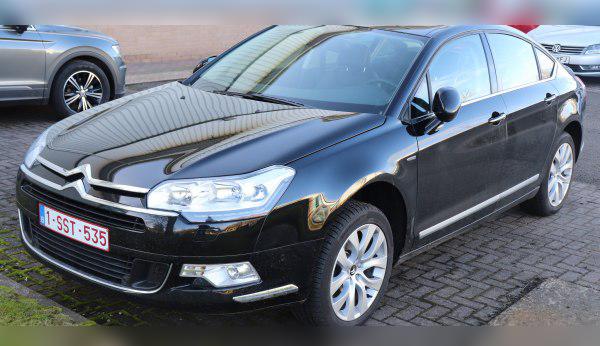
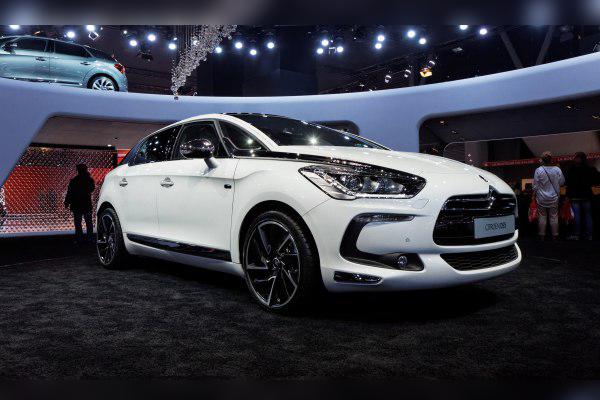
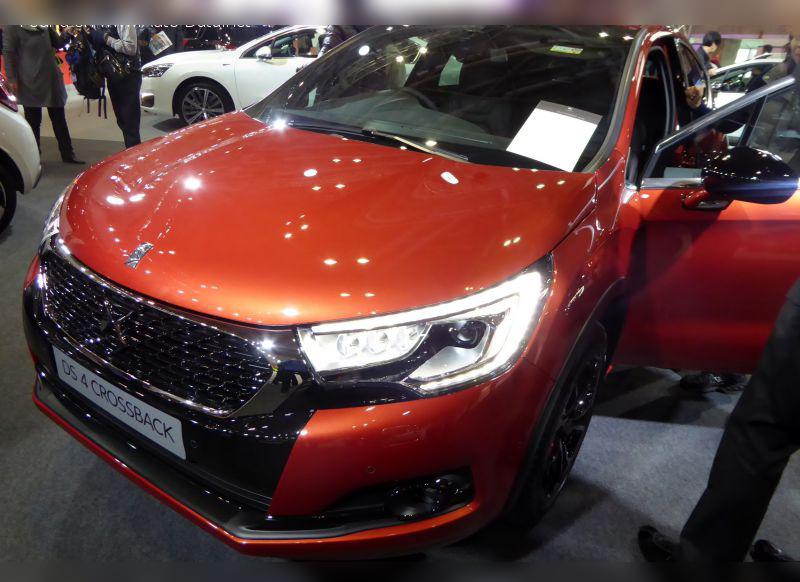
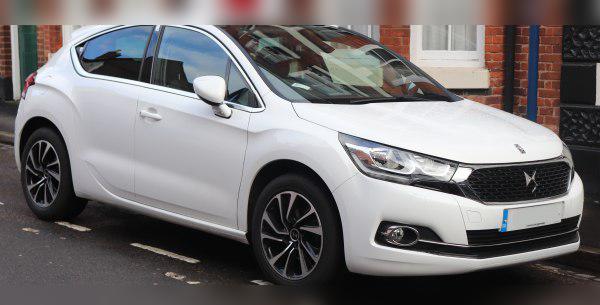
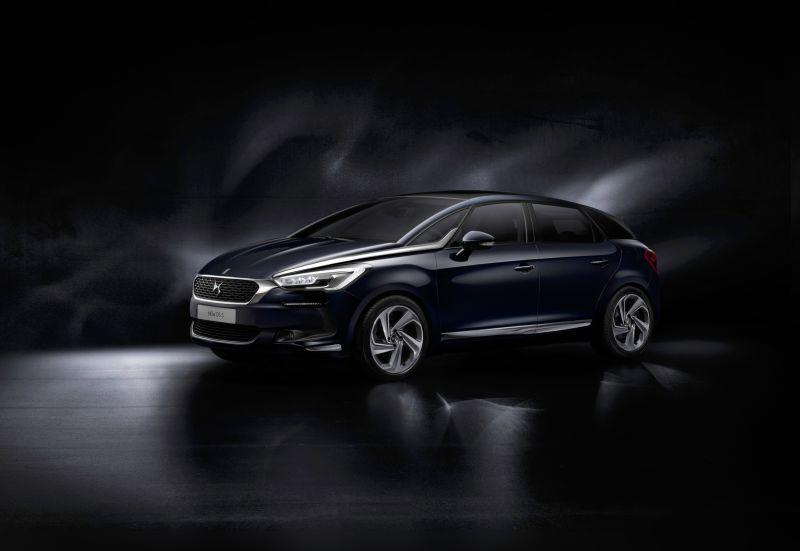
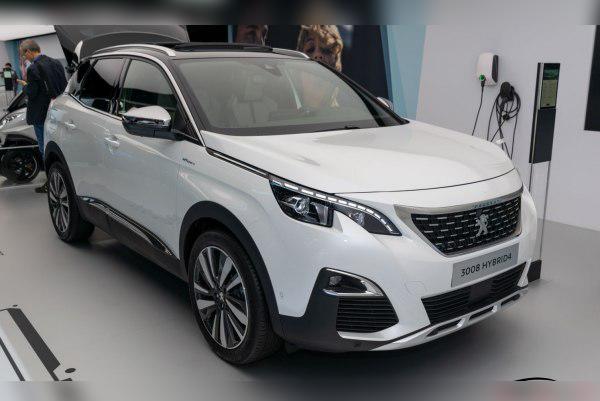
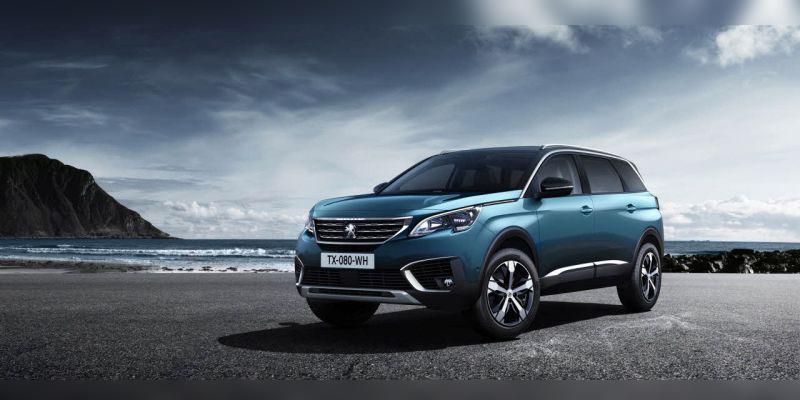
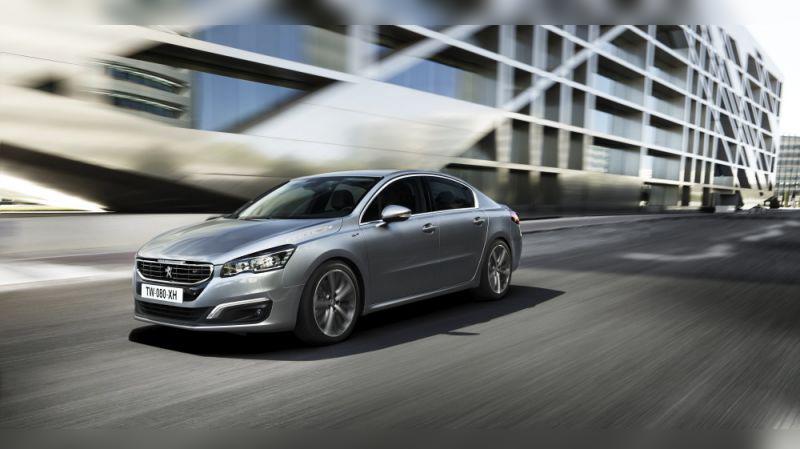
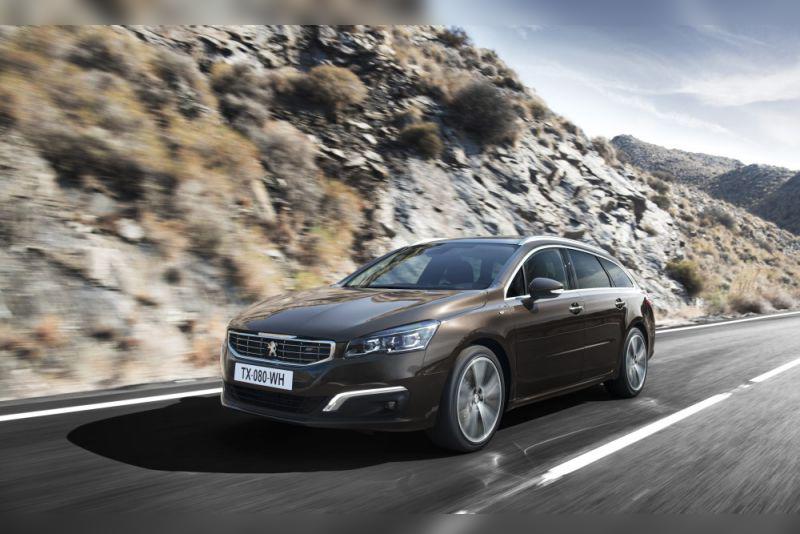
The engine with the code AHW DW10FC represents the pinnacle of PSA (Peugeot-Citroën, now Stellantis) engineering when it comes to two‑liter four‑cylinder diesel engines. It belongs to the famous DW10 family, which has for decades been considered one of the most reliable in the automotive industry. This specific BlueHDi variant develops 133 kW (180 HP) and was installed in heavier and more luxurious vehicles of the French group, such as the Peugeot 3008, 5008 and 508, as well as the Citroën C5 and DS line models.
Introduced to meet strict Euro 6 standards, this engine uses advanced exhaust after‑treatment systems, which allows it to be environmentally friendly, but at the same time imposes certain requirements and potential headaches for owners in terms of maintenance. If you are looking for a robust cruiser, this is an engine that is well worth serious consideration.
Technical specifications
| Parameter | Specification |
|---|---|
| Displacement | 1997 cc |
| Power | 133 kW (180 HP) |
| Torque | 400 Nm |
| Engine code | AHW (DW10FC) |
| Injection type | Common Rail (piezo injectors) |
| Charging | Variable-geometry turbocharger, intercooler |
| Fuel type | Diesel |
| Emissions standard | Euro 6 (DPF + SCR/AdBlue) |
Reliability and maintenance
Timing system (Timing belt and chain)
This engine uses a combined timing system. The main drive is via a timing belt, but power between the two camshafts is transferred via a short chain. The timing belt is very durable, but the camshaft chain can develop play over time, especially if oil change intervals are extended. The symptom is rattling on cold start.
Major service and regular service
Although the manufacturer often specifies extremely long intervals (up to 180,000 km), workshop practice across Europe dictates that the major service (replacement of timing belt, tensioner, idler pulleys and water pump, with a recommendation to replace the camshaft chain) should be done at a maximum of 120,000 to 150,000 km or every 5 to 6 years. The cost of the major service is around average (not expensive compared to premium competitors, but depends on the market).
Oil: Capacity and consumption
The engine takes approximately 5.1 liters of oil. It is mandatory to use high‑quality low‑ash synthetic oil (Low SAPS) of grade 0W-30 that meets the PSA B71 2312 standard, precisely because of the DPF and BlueHDi system. A healthy DW10FC engine does not consume oil between services. A loss of about 0.3 to 0.5 liters per 10,000 km is considered normal due to evaporation, but anything above that requires checking the turbocharger or piston rings.
Injection system and injectors
The engine uses a high‑pressure Common Rail system, usually with Delphi or Continental piezo injectors. They have proven to be extremely reliable. In most cases they last well over 250,000 km without any issues. Symptoms of worn injectors include uneven idle, increased black smoke under full throttle and a “clicking” sound from the engine under load. In case of failure, overhauling piezo injectors is expensive (depends on the market).
Specific components and costs
Turbocharger
The engine has a single turbocharger with variable-geometry vanes. Its service life is long; with regular oil changes and letting the engine idle for about 30 seconds after spirited driving (to allow the turbo to cool down), it easily exceeds 250,000 km. Failures are most often related to the variable-geometry actuator rather than the turbo “core” itself.
Emissions: DPF, EGR and the notorious AdBlue
This is the section that causes the most headaches for owners. The emissions system consists of three components:
- EGR valve: Prone to fouling and sticking if the vehicle is driven mainly in city traffic at low revs. Cleaning or replacement is not very expensive.
- DPF (FAP filter): The PSA group uses a system with an additive (Eolys fluid) that is stored in a separate bag/tank and is automatically added to the fuel to lower the DPF regeneration temperature. This fluid needs to be topped up or the bag replaced at around 120,000 – 150,000 km.
- AdBlue system (SCR): This is the most common and most expensive failure on this engine. The AdBlue tank has an integrated pump and electronics. The problem is design‑related – the pump fails and the tank can deform. The symptom is the illumination of the “UREA” and “Engine Fault” lights, along with a countdown of the remaining kilometers until the engine will no longer start (usually 1100 km). Replacing the complete tank is very expensive (depends on the market).
Fuel consumption and performance
Fuel consumption
Considering its power, the DW10FC is a surprisingly economical engine:
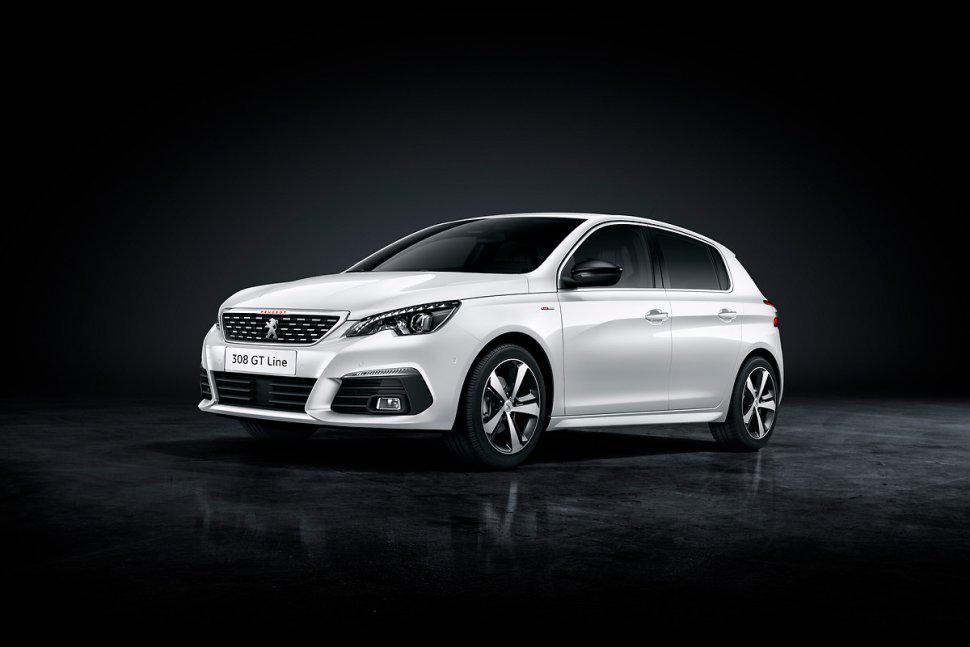
- City driving: Real‑world consumption is between 7.5 and 8.5 l/100 km, depending on vehicle weight (a Peugeot 5008 will use more than a Peugeot 308).
- Country roads: On secondary roads it can drop to around 5 l/100 km.
- Motorway (130 km/h): Cruises at about 6 to 6.5 l/100 km.
Performance and driving feel
Thanks to a generous 400 Nm of torque available from just 2000 rpm, this engine never feels sluggish. It easily copes with the mass of larger cars such as the DS5, Peugeot 508 RXH or Citroën C5 CrossTourer. Overtaking is safe, and the engine does not struggle even under full load (full boot and passengers). On the motorway, at 130 km/h, in eighth gear (with the EAT8 gearbox) it cruises at very low and relaxed revs (around 1900–2100 rpm), which guarantees a quiet cabin.
Additional options and modifications
This engine is diesel‑only, so LPG conversion is not applicable. As for increasing power, the engine block is very solid and durable.
Chiptuning (Stage 1): It can safely be remapped (ECU tuning) to around 210 to 215 HP and about 450 to 460 Nm of torque. Aisin automatic gearboxes are designed to withstand this torque without any issues, provided that the map is done professionally, with respect for DPF parameters and exhaust gas temperatures (EGT).
Gearbox and drivetrain
Types of gearboxes and dual‑mass flywheel
Unlike the lower‑powered versions of this engine (from 150 HP), which can be found with manual gearboxes, the 180 HP version was practically exclusively paired with Japanese Aisin automatic gearboxes – the older 6‑speed version (EAT6) or the newer and more modern 8‑speed (EAT8).
Important information about the clutch: Since the engine uses a conventional hydraulic automatic transmission (torque converter), it does not have a traditional dual‑mass flywheel and clutch disc that are prone to frequent wear and expensive replacement. This significantly reduces potential maintenance costs compared to manual gearboxes or dual‑clutch automatics (such as DSG or EDC).
Gearbox failures and maintenance
Aisin EAT6 and EAT8 are top‑class gearboxes known for their exceptional reliability. However, they do require maintenance, even though some authorized service centers claim that the oil is “lifetime”. Best practice is to change the oil in these gearboxes every 60,000 to 80,000 km. If the oil is not changed, the most common problem that occurs is failure of the valve body (hydraulic control unit) due to the build‑up of metal particles. Symptoms of valve body failure are jerks when shifting from P to R or D, as well as harsh shifting (especially when downshifting once the gearbox is warm). Repairing the valve body is expensive (depends on the market).
Buying used and conclusion
What must be checked before buying?
- AdBlue system history: Ask for evidence (invoices) showing whether the AdBlue tank has already been replaced. If it has, that is a big plus. Check the status of the UREA warning light on the instrument cluster and connect the vehicle to the original Diagbox diagnostic tool.
- Cold start: Listen to the engine immediately after starting. Any rattling may indicate a stretched chain between the camshafts.
- Automatic gearbox test: Drive the car until it reaches operating temperature (around 90°C), then try driving in stop‑and‑go traffic. The gearbox must shift smoothly, without any jerks or kicks in the back.
- DPF condition: Use diagnostics to check the DPF saturation level and the level of Eolys fluid.
Final verdict
The 2.0 BlueHDi (DW10FC) 180 HP engine is a fantastic choice for drivers who cover serious mileage on open roads and need a powerful, comfortable car for long journeys. The mechanicals are robust, the gearbox is reliable, and fuel consumption is excellent for this power level.
It is not intended for people who drive exclusively short city routes (to work and back), as such use will inevitably ruin the DPF and clog the EGR valve. If you are aware of the potential costs related to the AdBlue system and are prepared to maintain the car according to the strict rules imposed by the Euro 6 standard, you will get a very durable and refined powertrain.