Experiences, issues and fuel consumption: A buying guide for used cars with the 2.0 BlueHDi AHX DW10FD engine
Key points in short (TL;DR)
- Strong and flexible: With 110 kW (150 hp) and 370 Nm, this engine offers a great balance between performance and fuel consumption, and is excellent even for heavier vehicles such as the Peugeot Traveller.
- AdBlue system as the main weak point: The most common and most expensive failure on this engine is the failure of the pump or the AdBlue fluid tank.
- Timing belt: The engine uses a proven timing system with a belt, which is extremely reliable if the major service is done on time.
- Dual-mass flywheel: Installed in all versions, it is a wear item, and replacement together with the clutch is expensive.
- DPF and EGR: They are durable, but require regular driving on open roads to avoid clogging caused by city driving.
- Automatic transmission (EAT6): The Aisin automatic is an excellent choice, provided the previous owner changed the oil in it regularly.
Contents
- Introduction: About the 2.0 BlueHDi (150 hp) engine
- Technical specifications
- Reliability, maintenance and service intervals
- Specific parts, failures and costs
- Fuel consumption and driving performance
- Additional options and remapping (Stage 1)
- Gearbox: Manual vs Automatic (EAT6)
- Buying used and conclusion
Introduction: About the 2.0 BlueHDi (150 hp) engine
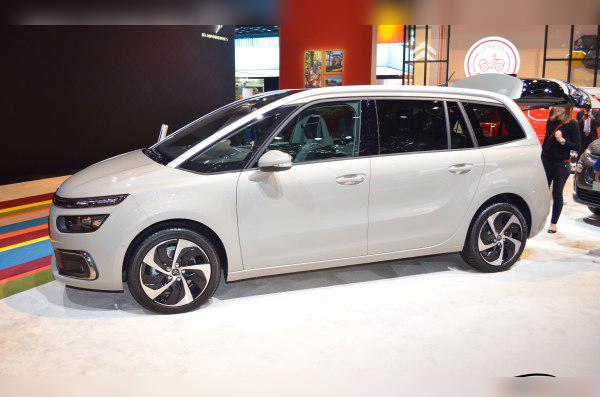
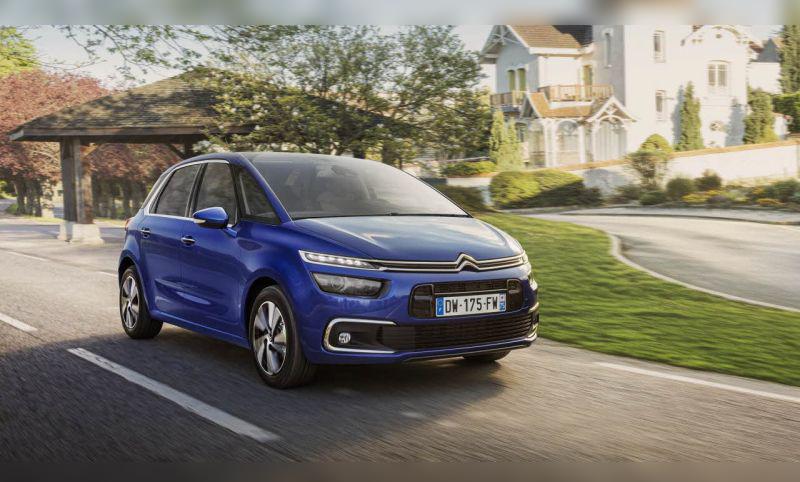
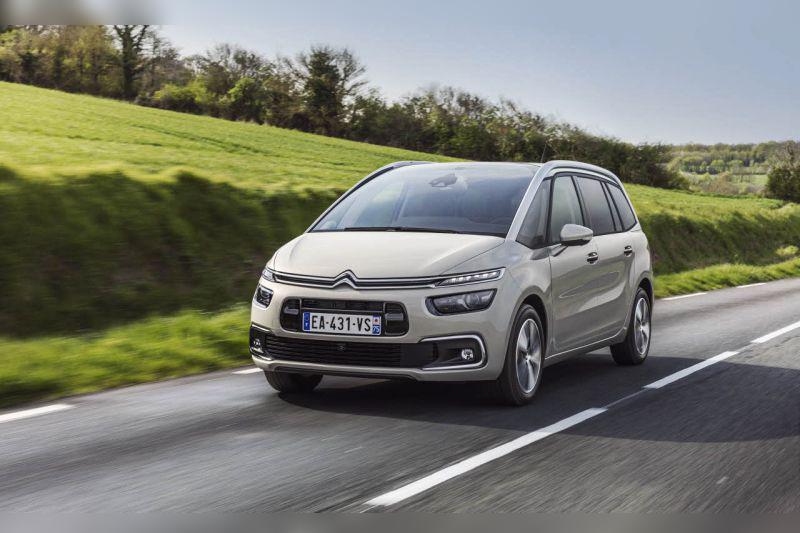
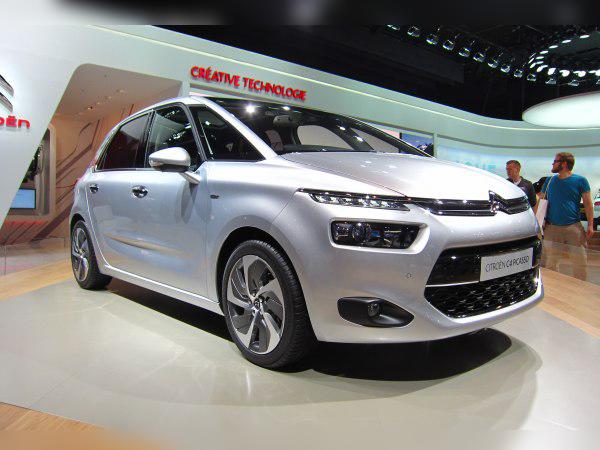
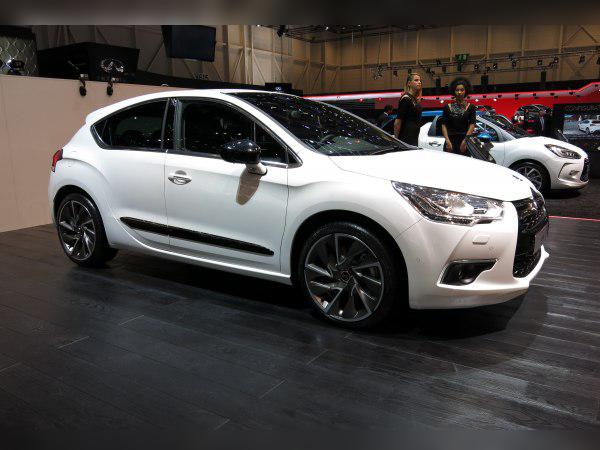
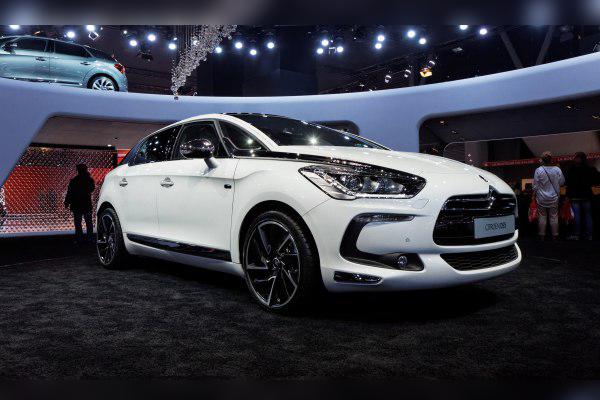
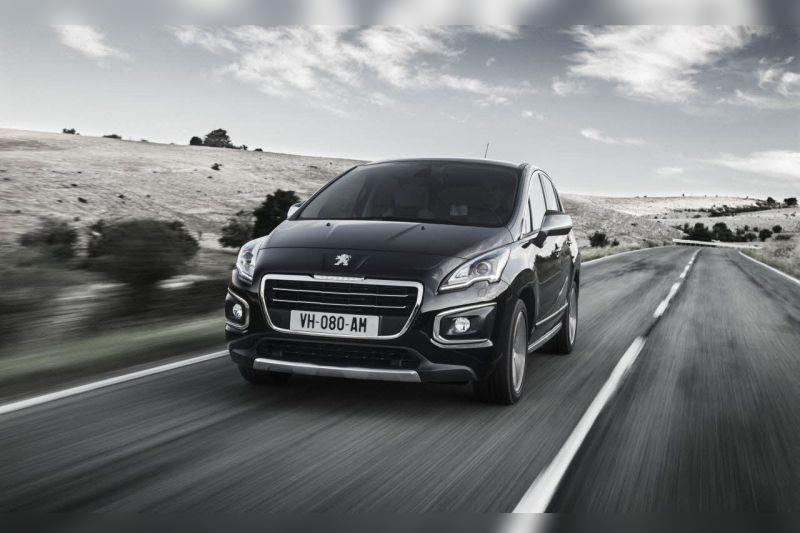
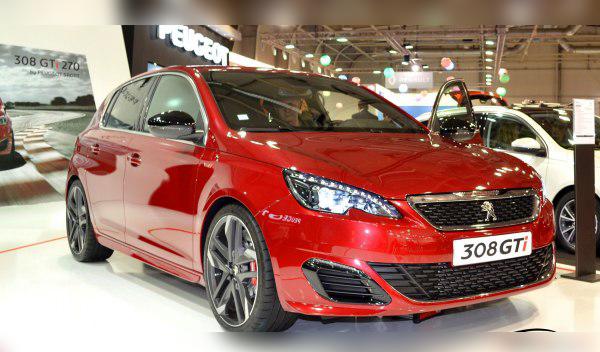
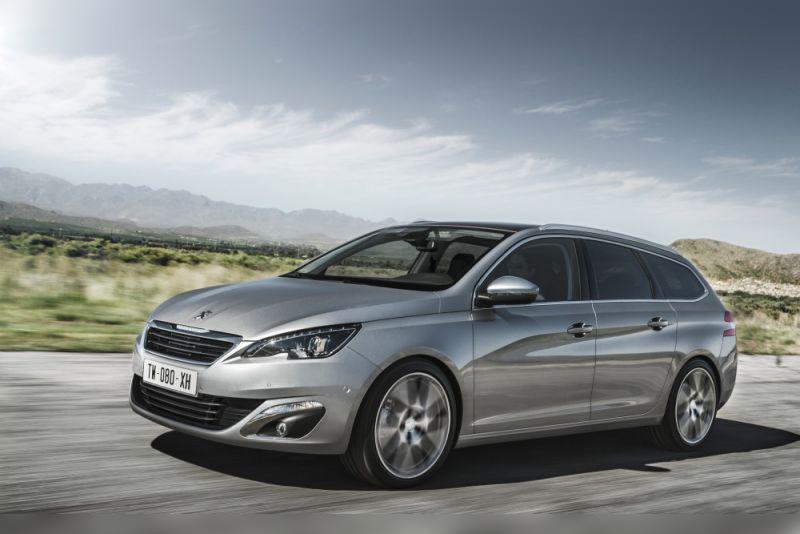
The engine designated as AHX (DW10FD family) is one of the most successful evolutions of the famous PSA 2.0‑liter diesel unit. Adapted to strict Euro 6 standards, this engine received the “BlueHDi” treatment, which includes an SCR catalyst and AdBlue technology to reduce NOx particles. It was installed in a wide range of vehicles, from the compact Peugeot 308, through family cruisers such as the Citroën C4 Grand Picasso, to passenger vans like the Peugeot Traveller. It is known for its longevity, refined operation and ability to easily handle heavier bodies, which makes it a favorite choice for drivers who cover high mileages.
Technical specifications
| Specification | Data |
|---|---|
| Engine displacement | 1997 cc |
| Engine power | 110 kW (150 hp) |
| Torque | 370 Nm |
| Engine codes | AHX, DW10FD |
| Fuel type | Diesel (BlueHDi) |
| Injection type | Common Rail (Direct injection) |
| Charging method | Turbocharger (VGT), intercooler |
Reliability, maintenance and service intervals
Timing belt or chain?
This unit uses a timing belt to drive the camshafts (inside the cylinder head there is a small chain that connects the two camshafts, but the main timing drive is by belt). This system has proven to be very reliable, provided service intervals are not exceeded. Belt failure is extremely rare if the mechanic’s recommendations are followed.
Major service and oil changes
Although the manufacturer optimistically states intervals for the major service of up to 180,000 km or more, the practice of experienced mechanics dictates that the major service (replacement of timing belt, tensioners, idlers and water pump) should be done every 120,000 to 150,000 km or every 5 to 6 years. As for oil, this engine takes exactly 5.1 liters of engine oil. It is recommended to use only fully synthetic oil of grade 0W-30 (PSA B71 2312 specification) in order to properly lubricate the turbocharger and protect the sensitive exhaust after‑treatment systems (DPF).
Oil consumption
A healthy 2.0 BlueHDi AHX should not consume large amounts of oil. Acceptable consumption between two minor services (recommended every 10,000–15,000 km, not at 30,000 km as the factory claims) is considered to be up to 0.5 liters of oil. If the engine consumes significantly more than that, the condition of the piston rings or the turbocharger seals needs to be checked.
Injector lifespan
The injectors on this engine are of very high quality (most often Delphi or Continental systems). With regular fuel filter changes and the use of quality Euro diesel, the injectors can easily last over 250,000 km. When wear occurs, the first symptoms are rough idling, increased black smoke under sudden throttle and more difficult cold starts in winter.
Specific parts, failures and costs
Dual-mass flywheel and turbocharger
Yes, this engine is equipped with a dual-mass flywheel (regardless of whether it is paired with a manual or automatic gearbox, although the automatic uses a torque converter which absorbs vibrations in a different way). On the manual gearbox, replacement of the dual-mass flywheel together with the clutch kit is expensive (Depends on the market), and its lifespan depends mostly on the driver’s driving style (it usually lasts around 150,000–200,000 km). As for the turbocharger, a single variable-geometry turbo (VGT) is installed. It is very durable and rarely fails before 250,000 km. Whistling under acceleration or loss of power (limp mode) are clear signs that the turbo is at the end of its life or that there is a problem with the intake hoses.
DPF, EGR and FAP additive
The DPF (Diesel Particulate Filter) on PSA engines is one of the most reliable on the market thanks to the use of the “Eolys” additive, which lowers the soot combustion temperature. The DPF itself can last over 250,000 km with occasional driving on open roads. The EGR valve can become clogged with soot if the car is driven exclusively in city traffic (on short trips where the engine does not reach its operating temperature of around 90 °C). Symptoms of a clogged EGR include jerking while driving and the “Check Engine” light coming on.
AdBlue system: The engine’s biggest problem
The most serious weak point of the DW10FD engine is the selective catalytic reduction system, better known as AdBlue. Problems with the AdBlue fluid pump, which is integrated into the tank itself, are common. When the pump fails (most often due to crystallization of the fluid), the ECU displays a “UREA” error and starts counting down the kilometers until the moment when it will no longer allow the engine to start. The solution is usually to replace the entire AdBlue tank, which is very expensive (Depends on the market).
Fuel consumption and driving performance
Fuel consumption and power adequacy
Real-world fuel consumption in city driving ranges between 6.5 and 8.0 l/100 km, depending on the body style (the lighter Peugeot 308 will consume less, while the aerodynamically larger and heavier Citroën Grand Picasso or Peugeot Traveller will consume more). On open roads and highways, consumption easily drops below 5.5 l/100 km.
This engine is by no means “sluggish”. With its 370 Nm of torque available already at around 2000 rpm, it offers fantastic in‑gear acceleration. It behaves extremely confidently when overtaking, even when the car is fully loaded with passengers and luggage.
Behavior on the motorway
The AHX engine is made for motorways. At a cruising speed of 130 km/h in sixth gear, the engine runs at a comfortable and quiet 2100 to 2300 rpm (depending on the gearbox ratios in the specific model). Cabin noise is minimal, and driving is relaxed with a huge reserve of power for further acceleration.
Additional options and remapping (Stage 1)
Due to the extremely robust construction of the crankshaft and engine block, the DW10FD (150 hp) is very suitable for so‑called Stage 1 chiptuning. Hardware‑wise it is almost identical to the more powerful 180 hp DW10FC version. With software optimization, power can be safely raised to around 132 kW to 140 kW (180–190 hp), while torque increases to over 420 Nm. After such a modification, the engine becomes even more flexible, although it should be kept in mind that higher torque puts more stress on the dual-mass flywheel and clutch disc.
Gearbox: Manual vs Automatic (EAT6)
Manual gearbox (6-speed)
The manual gearbox paired with this engine is precise and durable. The most common failures relate to wear of the gear selector cables and wear of the clutch kit and dual-mass flywheel due to harsh city driving. It is recommended to change the oil in the manual gearbox every 80,000 km, although authorized service centers rarely do this.
Automatic gearbox (EAT6)
An excellent option with this engine is the EAT6 automatic gearbox, made by the renowned Japanese manufacturer Aisin. It is a classic hydraulic automatic (not a dual‑clutch gearbox like DSG), which makes it extremely smooth and durable. Problems with this automatic are rare, but harsh jerks during gear changes can occur if the oil is not changed.
Although the vehicle manufacturer (PSA) often states that the oil in the automatic is filled “for life” (sealed for life), transmission specialists explicitly recommend changing the oil by machine flushing every 60,000 to 80,000 km. This way you will avoid costly repairs of the transmission’s valve body.
Buying used and conclusion
What must be checked before buying?
- Exhaust after‑treatment system: You MUST connect the car to specialized PSA diagnostics. Check the DPF saturation level (amount of ash) and read the pressure in the AdBlue system. If there are stored faults related to the UREA system, expect serious expenses.
- Cold start: Listen to the engine during the first start of the day. If you hear metallic rattling, especially from the gearbox area, the dual-mass flywheel requires prompt replacement.
- Exhaust smoke: Due to the efficient DPF, there should be no black smoke from the exhaust. If you see blue smoke, this indicates engine oil burning (turbocharger or piston rings), while white smoke with a sweet smell may indicate coolant leakage, but also an ongoing DPF regeneration process.
- Gearbox behavior: If you are buying an automatic, test how the gearbox shifts when the oil is completely cold, and again when the car is warm and has spent some time in stop‑and‑go city traffic. Thumps or delays when changing gears are a red flag.
Who is this engine for?
The 2.0 BlueHDi AHX (150 hp) engine is a true highway cruiser. It is intended for drivers who regularly travel outside the city, have a family and need high pulling power and low fuel consumption on the motorway. If you spend 80% of your time in city traffic, covering short distances from one traffic light to another, consider a petrol engine instead. A diesel engine of this displacement simply needs open roads to “breathe” properly and regularly burn off soot from its filters. If you service it with a competent mechanic and resolve any potential AdBlue system issues, this is an engine that will faithfully serve you for hundreds of thousands of kilometers.