DW10FDDU 2.0 BlueHDi/Multijet Engine (145 HP): Experiences, Issues, Fuel Consumption and Used-Buying Tips
Key points (TL;DR)
- Engine basis: Proven PSA 2.0-liter architecture, known for long-lasting mechanical components.
- Performance: With 106 kW (145 HP) and a generous 370 Nm, it offers an excellent balance of power and efficiency for heavy vans.
- Biggest drawback: The exhaust aftertreatment system, specifically the AdBlue (SCR) system, whose failures can be extremely expensive.
- Maintenance: Uses a timing belt. Regular replacement of dedicated Low SAPS engine oil is critical for the lifespan of the DPF and turbocharger.
- Gearbox: The automatic (EAT8) is excellent but requires regular oil changes, while manual gearboxes come with the cost of a dual-mass flywheel.
- Target users: Drivers and companies that cover high mileages on open roads. Not recommended for exclusively city driving.
Contents
- Introduction: About the DW10FDDU Engine
- Technical Specifications
- Reliability and Maintenance
- Specific Parts and Costs
- Fuel Consumption and Performance
- Additional Options and Modifications
- Gearbox and Drivetrain
- Buying Used and Conclusion
Introduction: About the DW10FDDU Engine
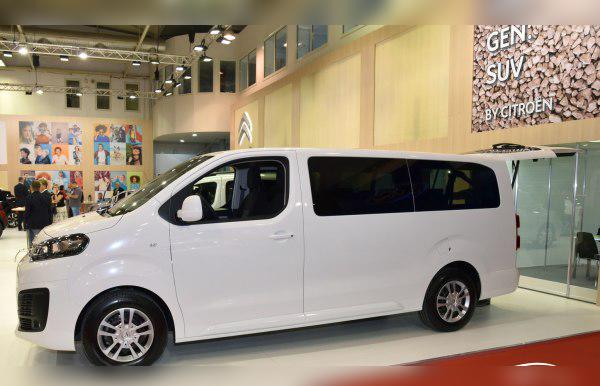
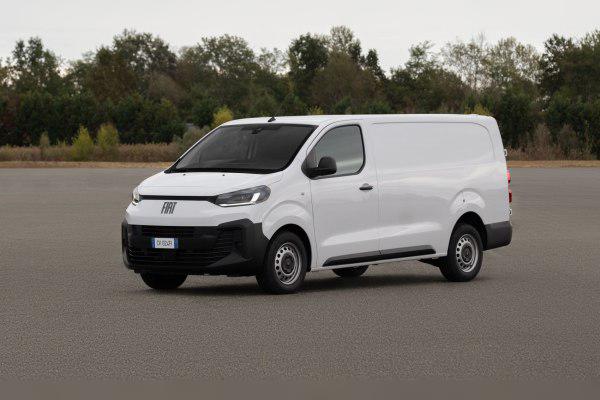
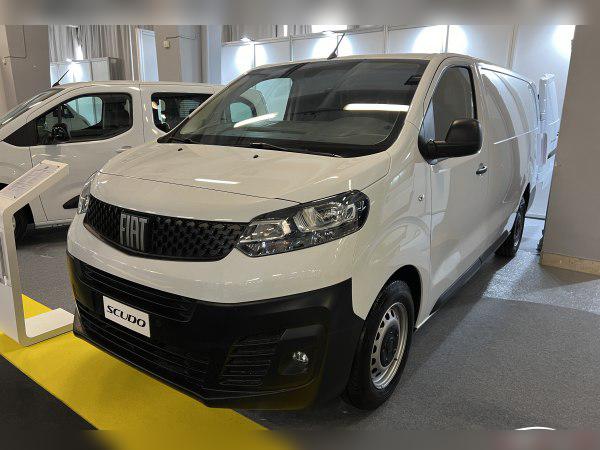
The engine with the code DW10FDDU is an evolution of the well-known 2.0-liter diesel from the PSA group (now part of the Stellantis alliance). Depending on the brand, it is sold under the name BlueHDi (in Citroën and Peugeot models) or Multijet (in Fiat models). It is primarily installed in heavier passenger and commercial vehicles such as the Citroën SpaceTourer and Fiat Scudo (including the 2023 facelift models). Due to restrictive Euro 6d standards, this engine is “choked” by emission systems, but it still offers excellent torque, which is necessary to move heavy bodies. The 2.0-liter displacement allows it not to be overly stressed, which in theory guarantees long service life.
Technical Specifications
| Parameter | Value |
|---|---|
| Engine displacement | 1997 cc |
| Power | 106 kW (145 HP) |
| Torque | 370 Nm |
| Engine code | DW10FDDU |
| Fuel type | Diesel |
| Injection type | Common Rail Direct Injection |
| Charging system | Variable-geometry turbocharger, intercooler |
Reliability and Maintenance
Does this engine have a timing belt or a chain?
The primary timing drive of this engine is via a timing belt. In addition to the belt, there is a short chain inside the cylinder head that connects the two camshafts (since this is a 16v engine). The chain is replaced far less frequently, but at high mileages it can start to rattle (a metallic noise during cold start). The timing belt itself is a key part of regular maintenance.
What are the most common failures on this engine?
The core mechanical components (block, crankshaft, pistons) are extremely durable. The most common problems come from ancillary and emission systems. By far the best-known issue is failure of the AdBlue system (tank and integrated pump). Then, on examples that are driven mostly in the city, EGR valve and DPF filter clogging is common. Symptoms of EGR issues are jerking at low revs and loss of power. Also, NOx sensor electronics often fail due to moisture and high temperatures.
At what mileage should the major service be done?
Although the manufacturer specifies extremely long intervals for some markets (sometimes up to 150,000 km), based on practice and mechanics’ experience, the major service should be done at 100,000 to 120,000 km or every 5 to 6 years. For commercial vans that carry heavy loads and operate under higher stress, it is recommended to shorten this interval. A snapped belt leads to catastrophic engine damage and bent valves.
Oil: Quantity and grade
This engine takes about 5.1 liters of oil (with filter replacement). It is recommended to use only fully synthetic Low SAPS oil of grade 0W-30 or 0W-20 (depending on the exact production year and specification). The oil must meet specific PSA standards (such as B71 2312) in order to protect the sensitive DPF filter. Perform an oil service at a maximum of 15,000 km, not at the factory-stated 30,000 km.
Oil consumption
In healthy condition, this engine consumes very little oil. Normal consumption is considered to be up to 0.3–0.5 liters between two services (over 15,000 km). If the engine starts losing more than 1 liter per 10,000 km, this is usually a symptom of failing seals, piston ring issues or, most commonly, wear of the turbocharger shaft bearings allowing oil into the intake.
Injector lifespan and reliability
The injection system operates at extremely high pressures. The injectors have proven to be quite durable if quality fuel is used and the fuel filter is replaced regularly. Their expected service life is over 200,000 km. When they start to fail, the driver notices rougher engine operation (especially when cold), increased exhaust smoke, “clicking” under load and harder starting. Injector overhaul or replacement is very expensive (depends on the market).
Specific Parts and Costs
Dual-mass flywheel
Yes, this engine has a dual-mass flywheel (on versions with a manual gearbox). Since the engine generates 370 Nm of torque, the flywheel’s job is to absorb these shocks and protect the gearbox. Failure of the dual-mass flywheel is manifested by strong vibrations at idle, metallic knocks when switching the engine off, and shuddering when moving off from a standstill. Replacing the clutch kit together with the dual-mass flywheel is expensive (depends on the market).
Turbocharger
The engine has a single variable-geometry turbocharger (VGT). The turbo’s lifespan depends mostly on regular oil changes and driving style (after spirited driving or highway driving, the engine should be left to idle for a few dozen seconds to cool down). The turbo can easily last 200,000–250,000 km. Symptoms of failure are whining, black smoke from the exhaust, loss of power (the engine goes into limp mode), and the presence of oil in the intercooler.
Emission systems: DPF, EGR and AdBlue
This is the most problematic area of this engine. Due to modern emission standards, all of the following are installed:
- EGR valve: Often gets clogged with soot. If the vehicle is driven on short trips, the valve sticks, remains open and the engine loses power while showing a fault on the dashboard. Periodic cleaning is necessary.
- DPF filter: Requires regeneration, which the engine initiates by itself on open roads. If the process is frequently interrupted by city driving, the DPF becomes clogged. Symptoms: frequent regenerations (the cooling fan runs at maximum even after the engine is switched off), rising oil level in the sump (due to fuel dilution). A new DPF is very expensive (depends on the market).
- AdBlue: Causes the most trouble. Crystals form in the fluid and block the pump and injector in the exhaust. Since the pump is often integrated into the tank itself, it is replaced as a complete unit, which is a very costly repair (depends on the market). The symptom is a message on the dashboard such as “Emissions fault” and a countdown of kilometers after which the engine will no longer be able to start.
Fuel Consumption and Performance
Real-world city fuel consumption
Since this engine is installed in massive vehicles with poor aerodynamics such as vans, you can expect city consumption between 8.5 and 10 l/100 km. In heavy traffic and with a fully loaded van, this figure easily exceeds 10 liters.
Is this engine “sluggish”?
With its 145 HP and 370 Nm, the engine hits the “sweet spot”. If the SpaceTourer or Scudo is empty, the vehicle drives very smoothly and is by no means sluggish. However, if you fill all 8–9 seats or load the cargo area with heavy material, you will feel a lack of power when overtaking on country roads, so you need to plan maneuvers earlier. Compared to weaker versions (e.g. 120 HP), it is noticeably more potent.
Behavior on the highway
This is its natural environment. The engine does not struggle at 130 km/h. Depending on whether it is paired with a 6-speed manual or an 8-speed automatic, at 130 km/h it cruises at a very comfortable around 2,000 to 2,200 rpm (EAT8 gearbox). Due to the body shape, fuel consumption on the highway at this speed is around 7.5–8.5 l/100 km.
Additional Options and Modifications
Chip tuning potential (Stage 1)
This engine has excellent power reserves. With a “Stage 1” remap (without any hardware changes), power can be safely and easily raised from 145 HP to around 175–180 HP, while torque increases from 370 Nm to over 420 Nm. This modification is popular among van drivers for easier overtaking under load. However, keep in mind that the higher torque puts additional stress on the DPF (more soot during full-throttle operation) and drastically shortens the lifespan of the dual-mass flywheel and clutch on manual gearboxes.
Gearbox: Manual and Automatic
Which gearboxes are used and what failures occur?
Two transmission options are offered with the DW10FDDU:
- 6-speed manual gearbox: A very reliable mechanical unit. Problems that occur usually relate to the shift cables (the gear lever becomes “loose” or gears engage with difficulty) and synchro wear due to poor driving habits with an overloaded van.
- 8-speed automatic gearbox (EAT8): This is a well-known Japanese Aisin gearbox (torque converter). It is extremely quick, smooth and refined. Mechanical failures are almost non-existent unless maintenance is neglected. Symptoms of issues are “thumps” when shifting from P to R or D, and harsh downshifts.
Gearbox maintenance
Many car manufacturers claim that gearbox oil is “lifetime” (for the entire life of the vehicle). Mechanics strongly disagree. For the manual gearbox, check the oil level regularly and replace it at around 100,000 km. For the EAT8 automatic, regular oil changes are absolutely mandatory every 60,000 to 80,000 km. If you perform a machine flush together with replacement of the original oil, it represents a moderate to high cost (depends on the market), but it saves the gearbox from hydraulic block (mechatronic) failure.
Buying Used and Conclusion
What must be checked before buying?
- Cold start: Start the vehicle completely cold. If it cranks for a long time, misfires, emits blue or grey smoke – injectors, glow plugs or loss of compression may be the problem.
- Diagnostics (Mandatory!): Check the DPF saturation level (differential pressure) and when the last regeneration was performed. Read the fault history – if errors related to P20E8 or similar AdBlue tank codes have been cleared, be cautious.
- Rattling from the clutch area: On manuals, at idle press and release the clutch pedal. If the sound changes drastically with noticeable knocking under the car, the clutch kit and dual-mass flywheel are due for replacement.
- Major service history: A snapped timing belt is fatal, so if there is no proof of replacement, immediately factor in the cost of a major service into the purchase price.
Conclusion: Who is this engine for?
The 2.0 BlueHDi / Multijet 145 HP engine is an excellent workhorse. It is built for long journeys and field work. If you need a commercial van or family MPV that will devour kilometers on regional roads and highways, this engine offers a great balance of fuel consumption, smoothness and power.
On the other hand, if you plan to buy such a vehicle to deliver goods exclusively in dense city traffic with constant stop-and-go, stay away from this engine. The complex emission system (EGR, DPF, AdBlue) will clog up very quickly and will generate extremely high and unexpected maintenance costs at the workshop.