EB2DT 1.2 PureTech 110 HP – Experiences, Problems, Fuel Consumption and Used Car Buying Tips
Key points (TL;DR)
- Timing belt in oil: The biggest weakness of this engine. Belt degradation clogs the oil pump strainer and leads to catastrophic engine failure.
- Strict maintenance: Requires extremely precise adherence to oil change intervals using only factory‑specified oil.
- Performance: Very lively engine with excellent torque (205 Nm), great for city driving, but struggles in large 7‑seater bodies under full load.
- Fuel consumption: Economical on the open road, but in the city it realistically uses between 7.5 and 8.5 l/100 km.
- Direct injection: Prone to carbon buildup on intake valves; cleaning is recommended, as well as driving at higher revs from time to time.
- Buying used: A physical inspection of the belt condition through the oil filler cap and checking oil pressure via diagnostics are mandatory before any purchase.
Contents
- Introduction: About the EB2DT engine
- Technical specifications
- Reliability and Maintenance
- Specific Parts and Costs
- Fuel Consumption and Performance
- Additional Options and Modifications
- Gearbox and Power Delivery
- Buying Used and Conclusion
Introduction: About the EB2DT engine
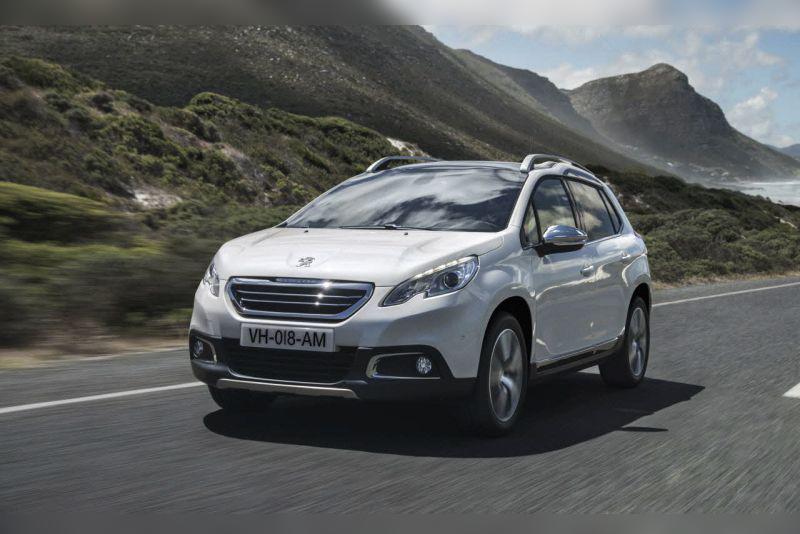
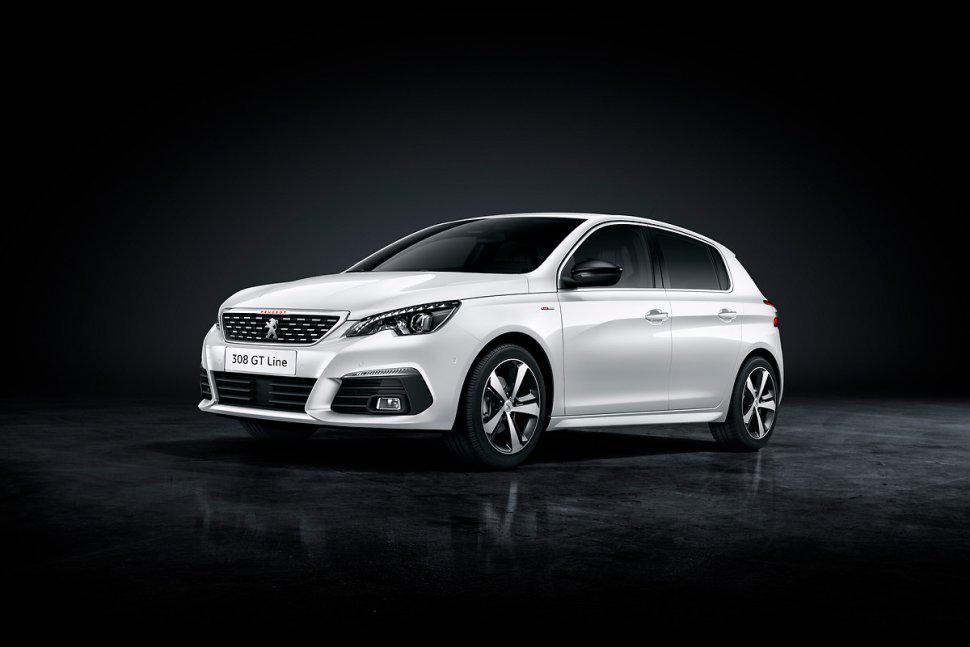
The EB2DT engine belongs to the PSA (now Stellantis) engine family better known as 1.2 PureTech. With an output of 81 kW (110 HP), this three‑cylinder petrol engine is the mid‑range and most popular option in the lineup. It was installed in a huge number of models, from smaller city crossovers like the Peugeot 2008 and Citroën C3 Aircross, all the way to larger estates like the Peugeot 308 SW, and it is present on markets around the globe, including recent versions of the Citroën Basalt and 7‑seater C3 Aircross models.
This is an engine that has won multiple awards for performance and efficiency, but in practice hides serious engineering flaws that give owners headaches. As an experienced mechanic, I can tell you this: this is not an engine that tolerates neglect. If you skip a service or pour in cheap oil, be prepared for hefty repair bills.
Technical specifications
| Specification | Data |
|---|---|
| Engine displacement | 1199 cc (1.2 L) |
| Power | 81 kW (110 HP) at 5500 rpm |
| Torque | 205 Nm at 1500 rpm |
| Engine code | EB2DT (HNV, HNZ) |
| Injection type | Direct injection (GDI) |
| Charging | Turbocharger + Intercooler |
| Number of cylinders | 3 in‑line |
Reliability and Maintenance
Timing belt or chain?
This engine uses a timing belt running in oil (Wet Belt technology). The engineers’ idea was to reduce friction and make the engine run more quietly, but in practice this is the Achilles’ heel of the EB2DT. With direct injection, especially during short city trips where the engine does not reach operating temperature, fuel enters the sump and mixes with the engine oil. Petrol vapors chemically attack the timing belt, causing it to swell and crumble.
Most common failures and symptoms
Belt degradation is failure number one. Rubber particles from the belt fall straight into the sump and clog the oil pump strainer. The symptom the driver notices is the red oil pressure warning light (Low Oil Pressure warning) or the Check Engine light coming on. If this happens, you must switch off the engine immediately. Driving without adequate oil pressure will permanently destroy the turbocharger, crankshaft bearings and camshafts.
Besides the belt, a common problem is carbon buildup on the intake valves, which is a typical issue of any direct‑injection engine, as well as oil leaks from the crankshaft seals due to a clogged crankcase ventilation system (PCV valve).
Major service
The factory initially specified a major service at an optimistic 100,000 to 160,000 km, but belts were failing much earlier than that. The current strict recommendation from mechanics in the field is: replace the timing belt every 60,000 to 80,000 km or at the latest every 5 to 6 years, depending on how much city driving you do. The price of a timing belt kit replacement ranges from moderate to high, because it involves removing the oil pan and thoroughly cleaning the oil pump strainer (depends on the market).
Engine oil and oil consumption
The engine holds approximately 3.5 liters of oil. Because of the sensitive belt, using the exact viscosity and specification is critical! Oils with viscosity 0W‑30 (PSA B71 2312 spec) are recommended, or on newer series 0W‑20 (PSA B71 2010). Any experimenting with cheap oils will quickly destroy the belt.
As for oil consumption between services, due to the specific piston ring design and evaporation, a consumption of 0.1 to 0.3 liters per 1000 km is considered normal. If the engine uses more than 0.5 l/1000 km, this is a serious sign of ring degradation or oil leaking through the turbo.
Spark plug replacement
Since the EB2DT is a petrol engine with high specific output, the spark plugs are under heavy thermal load. It is recommended to replace the iridium spark plugs every 40,000 to 60,000 km. If you notice slight misfires at idle or hesitation when you suddenly press the accelerator, the spark plugs and ignition coils are the first suspects.
Specific Parts (Costs)
Dual‑mass flywheel
Does the EB2DT have a dual‑mass flywheel? The answer is: It depends on the gearbox it is paired with. Weaker, naturally aspirated 1.2 versions do not have it, but on the 110 HP Turbo version, especially when fitted with the more modern 6‑speed manual gearbox, it very often uses a dual‑mass flywheel to smooth out three‑cylinder vibrations. If it is paired with the older 5‑speed gearbox, it usually has a solid flywheel. Repair is expensive, or very expensive (depends on the market). Checking by VIN is absolutely mandatory before ordering parts.
Fuel injection system
This is a high‑pressure direct‑injection petrol engine. The injectors themselves have proved to be quite robust and rarely fail. However, the problem is that the fuel does not wash the intake valves, so oily carbon and soot build up on them. At around 100,000 km the engine may lose power, after which mechanical “blasting” of the valves with walnut shells (walnut blasting) is required.
Turbocharger and related systems
The engine has a small, low‑inertia turbocharger that provides excellent response at low revs. Turbo lifespan is excellent and easily exceeds 200,000 km, under one condition: that the engine never runs without proper oil pressure. If the pump strainer gets clogged (by belt debris), the turbo is the first to fail due to loss of lubrication at rotor speeds above 150,000 rpm. Turbocharger overhaul is expensive (depends on the market).
DPF, EGR and AdBlue systems
This is a petrol engine, which means it does not have an AdBlue system and does not have a classic DPF filter typical of diesels, which is a big plus for city driving. However, newer iterations of this engine that meet the Euro 6d standard (produced from around 2018 onwards) are equipped with a GPF (Gasoline Particulate Filter). This filter regenerates much more easily than a diesel DPF because petrol engines have higher exhaust temperatures. As for the EGR, PureTech engines generally do not use a classic external EGR valve that gets dirty and clogged, but instead handle exhaust gas recirculation via “internal EGR” using variable valve timing (VVT).
Fuel Consumption and Performance
Real‑world fuel consumption
Although brochures promise unrealistically low figures, in practice the EB2DT in pure stop‑and‑go city driving uses between 7.5 and 8.5 l/100 km. On country roads at 80–90 km/h, consumption drops drastically to an excellent 4.5 to 5.0 l/100 km.
Is the engine “lazy”?
The engine is anything but lazy in lighter vehicles. The 205 Nm of torque available from just 1500 rpm makes it quicker off the line than older naturally aspirated 1.6 or 1.8‑liter engines. In a Peugeot 2008 or 308 hatchback, performance is perfectly adequate. However, when this engine is installed in vehicles like the recently launched Citroën C3 Aircross II with 7 seats and the car is loaded with passengers and luggage, the small 1.2‑liter block definitely runs out of breath during uphill overtakes. It simply lacks displacement to sustain high loads.
Motorway driving
At a cruising speed of 130 km/h the engine behaves quite calmly and, thanks to sound insulation, is not overly noisy. With the 6‑speed gearbox (manual or EAT6 automatic), revs at 130 km/h sit at around 2800–3000 rpm. Fuel consumption at these speeds is about 6.5 to 7.0 l/100 km, which is average for the class given the aerodynamic drag of crossover vehicles.
Additional Options and Modifications
LPG conversion
As a direct‑injection engine (GDI), LPG conversion on the EB2DT is not recommended for the general public. It requires specialized LPG systems that inject liquid‑phase gas through the factory petrol injectors, or systems that must inject a percentage of petrol (15–20%) along with LPG so that the petrol injectors do not overheat and melt in the cylinder. These systems are very expensive up front (depends on the market) and only pay off if you drive more than about 25,000 km per year. Additionally, given how sensitive this engine is to combustion pressures and oil degradation, adding an LPG system is an unnecessary risk for the average driver.
Chiptuning (Stage 1)
Thanks to the factory turbocharger, the engine responds very well to a so‑called remap (Stage 1). From the stock 110 HP and 205 Nm, you can safely extract around 130 to 140 HP and up to 240 Nm of torque through software alone. The limiting factor is not the engine block itself, but the reliability and flow capacity of the factory turbocharger and the safety margin of the timing belt. If you decide to go for chiptuning, oil change intervals must be cut in half.
Gearbox
Types of gearboxes and common failures
The following types of gearboxes are fitted to this engine:
- BVM5 (5‑speed manual): Often found on early models. It is characterized by imprecision, an overly long gear lever throw, and over time the synchros and input shaft bearings wear out, resulting in whining noises and difficulty engaging first and reverse.
- BVM6 (6‑speed manual): A much more robust and precise gearbox, quite reliable in everyday use.
- EAT6 (6‑speed Aisin automatic): A conventional automatic with a torque converter (not a robotized gearbox or dual‑clutch). Very smooth, Japanese‑built and highly reliable.
Gearbox costs and maintenance
As mentioned, under higher loads the 6‑speed manual transmission requires a dual‑mass flywheel. Replacing the complete clutch kit and dual‑mass flywheel is generally an expensive job (depends on the market).
For manual gearboxes, it is advisable to drain the factory oil and refill with fresh oil at around 80,000 km. For the EAT6 automatic gearbox, although it is often marketed as “sealed for life”, a preventive ATF change at 60,000 to 80,000 km is mandatory. Neglecting this leads to clogged valves in the valve body and harsh shifts when changing from second to third gear. Replacing the valve body is extremely expensive (depends on the market).
Buying Used and Conclusion
What to check before buying?
Buying a used 1.2 PureTech 110 can feel like walking through a minefield if you don’t know what to look for. Before you hand over any money to the seller, make sure you do the following:
- Visual belt inspection: Unscrew the engine oil filler cap and shine a flashlight inside. The belt is clearly visible. If you notice cracks on the back of the belt, flaking or swollen edges, walk away from that car or immediately negotiate a price reduction to cover a full timing service with oil pan removal.
- Diagnostics (Golden rule): The car must be connected to original Lexia/Diagbox diagnostics. The mechanic must check the fault history, looking for codes related to “Oil pressure drop”. Even if no warning light is currently on while driving, the fault may still be stored in the ECU memory.
- Engine noise: It is a three‑cylinder engine and it does run with a specific note and slight vibrations at idle. However, a sharp rattling noise from the top of the engine may indicate a worn camshaft due to lack of lubrication.
Conclusion
Who is the EB2DT engine for? This power unit is best suited to city and suburban use by drivers who strictly follow service procedures. It offers excellent performance, flexibility and economy while you drive it. However, it is not intended for drivers who see servicing as an annoying chore every few years, nor for heavy‑duty routes where the engine is constantly under maximum load. If you find an example in the classifieds with documented timing belt replacement and if you are willing to change the oil regularly according to strict specs, it can serve you reliably.