Opel F12XHT Engine (1.2 Turbo 130 HP): Experiences, Problems, Fuel Consumption and Used Car Buying Tips
- Most important in short (TL;DR)
- Three-cylinder engine: This unit is actually a rebranded PSA (Peugeot/Citroën) 1.2 PureTech engine under Opel’s code.
- Timing belt in oil: The biggest weak point of this engine. It requires strict adherence to replacement intervals and oil specifications to avoid catastrophic failure.
- Performance above expectations: Thanks to the turbocharger and 230 Nm of torque, the engine is extremely flexible and not “lazy” at all, even in heavier SUV models.
- Direct injection: Great for power and fuel economy, but prone to carbon build-up on intake valves.
- Gearbox choice: The recommended option is the excellent 8-speed Aisin automatic over the 6-speed manual.
- LPG: Installation is not recommended due to the complex direct injection system.
Contents
- Introduction: What is F12XHT and where is it used?
- Technical specifications
- Reliability and maintenance
- Specific parts and costs
- Fuel consumption and performance
- Additional options and modifications
- Gearbox: Manual vs automatic
- Buying used and conclusion
Introduction: What is F12XHT and where is it used?
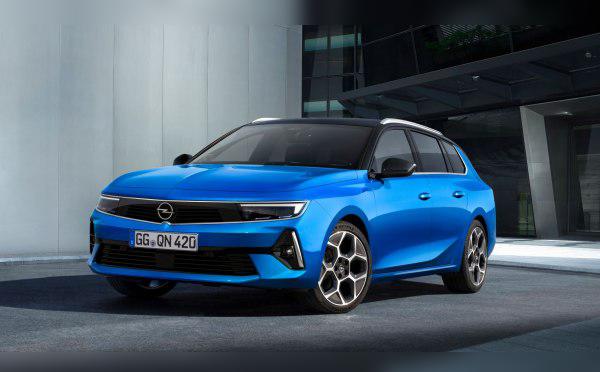
After Opel came under the umbrella of the PSA Group (today part of the Stellantis corporation), the German manufacturer abandoned its old engines and adopted proven French mechanicals. The engine with the code F12XHT is actually Opel’s name for the award-winning, but also controversial, 1.2 PureTech engine in its most powerful 130 HP version. Thanks to its compact size, power and low exhaust emissions, this three-cylinder turbo petrol has found its way into almost the entire model range. You can find it under the bonnet of city cars such as the Opel Corsa F and Mokka B, compact models like the Astra L and Crossland, and even larger vehicles such as the Grandland and Combo Life.
Technical specifications
| Parameter | Value |
|---|---|
| Displacement | 1199 cc |
| Power | 96 kW (130 HP) |
| Torque | 230 Nm |
| Engine codes | F12XHT (GM/Opel code), EB2ADTS / EB2DTS (PSA codes) |
| Injection type | Gasoline direct injection (GDI) |
| Charging | Turbocharger with intercooler |
| Number of cylinders | 3 (inline) |
Reliability and maintenance
When talking about this engine, the first and most important topic is the timing system. This engine uses a timing belt that runs in engine oil (wet belt). The engineers’ idea was to reduce friction, noise and fuel consumption, but in practice this is the most common cause of serious failures. Over time, due to a chemical reaction with petrol that gets into the sump in small quantities, the belt starts to crumble and flake. These tiny pieces of rubber and fabric fall into the sump and clog the oil pump strainer. Symptoms include a drop in oil pressure (warning on the instrument cluster), braking issues (the vacuum pump is left without lubrication) and, in the worst case, total failure of the crankshaft and bearings due to lack of lubrication.
This is why the major service (replacement of the belt, tensioner, water pump and mandatory cleaning of the oil pump strainer) is absolutely crucial. Although the manufacturer initially specified an interval of over 100,000 km, experienced mechanics advise doing the major service at a maximum of 60,000 to 80,000 km, or every 5 years. Regular minor services are done every 10,000 to 15,000 km. The engine takes about 3.5 litres of oil, and the grade is of critical importance. You should use only 0W-20 or 0W-30 oil that strictly meets PSA specifications (such as B71 2010 or B71 2312), specifically formulated not to aggressively affect the rubber timing belt.
As for oil consumption, these engines are not known as heavy oil burners in the early stages of their life, but as mileage increases (over 150,000 km), oil consumption can rise due to worn piston rings or valve stem seals. Consumption of about 0.5 litres per 5,000 km is considered normal, while anything over 1 litre between services requires a mechanic’s attention.
Since this is a petrol engine with direct injection and a turbocharger, the spark plugs are under heavy load. It is recommended to replace them every 40,000 to 60,000 km to avoid coil problems and rough engine operation (jerking under acceleration).
Specific parts and costs
The injection system is direct (fuel is injected under high pressure directly into the cylinder). Injectors are generally reliable, but very sensitive to poor fuel quality. A much bigger issue with this type of injection is carbon build-up on the intake valves. Since the fuel does not wash the valves on its way to the cylinder, after 80,000 to 100,000 km enough carbon can accumulate for the engine to start idling roughly and losing power. Cleaning (for example, walnut shell blasting) is a routine procedure, but it is an additional cost.
The engine has a single turbocharger designed to provide a long service life, provided the owner does not push it hard while the engine is cold and changes the oil regularly. Its lifespan usually matches that of the engine, but in the event of a failure caused by a clogged oil pump strainer, the turbo is usually the first to suffer due to oil starvation. Replacing or rebuilding the turbo is a costly investment (depends on the market).
Since this is a petrol engine, it does not have an AdBlue system, which regularly causes headaches for diesel owners, nor does it have a classic EGR valve prone to frequent clogging (EGR function here is achieved by valve timing overlap). However, newer versions of this engine (which meet Euro 6d standards) are equipped with a GPF (Gasoline Particulate Filter). GPFs clog much less frequently than diesel DPF filters, because petrol engines run at higher exhaust gas temperatures, so regeneration takes place almost imperceptibly during normal driving.
Fuel consumption and performance
With its 130 horsepower and as much as 230 Nm of torque available from just 1,750 rpm, the F12XHT is anything but “lazy”. Drivers who are sceptical about three-cylinder engines are usually pleasantly surprised by the power delivery. The engine copes excellently with compact models (Corsa, Astra), while in heavier vehicles such as the Grandland or the 7-seat version of the Combo it requires a bit more gear changing when overtaking, but it still offers more than adequate performance for everyday use and long trips.
When it comes to real-world fuel consumption, in city driving conditions (stop-and-go, heavy traffic) you should expect between 7.5 and 9.0 litres per 100 km, depending on vehicle weight and driving style. On country roads, consumption drops significantly and can be around 5.0 to 5.5 l/100 km. On the motorway, this engine is pleasant to drive. At a cruising speed of 130 km/h in sixth gear (or eighth with the automatic), the engine runs at a comfortable 2,600 to 2,900 rpm, and fuel consumption is around 6.5 to 7.5 l/100 km.
Additional options and modifications
If you are thinking about saving money by running on LPG, here is some bad news. This engine is not suitable for a conventional LPG conversion. Due to the direct injection system, dedicated and very expensive LPG systems are required (often with liquid phase injection), which constantly inject a certain percentage of petrol as well to cool the petrol injectors. The high installation cost and system complexity make LPG conversion on this engine completely uneconomical.
As for increasing power, the engine block and turbo can handle more. The so-called “Stage 1” chip tuning is done purely by software optimisation of the engine maps. This engine can safely be taken to around 150 to 160 HP, with torque increased to 260–270 Nm. After this modification the car becomes noticeably sharper on throttle input, but you should keep in mind that any power increase can potentially shorten the lifespan of the clutch and turbo.
Gearbox: Manual vs automatic
Cars with the F12XHT engine most commonly come with a 6-speed manual gearbox and an excellent 8-speed automatic gearbox (made by Aisin, code EAT8).
Manual gearboxes are generally precise and durable. The most common issues come down to natural wear of the clutch disc and synchros. It is important to note that 1.2 turbo petrol models with a manual gearbox usually come with a dual-mass flywheel (depends on the model and exact year, but in the 130 HP and 230 Nm version it is almost a rule). Replacing the clutch kit together with the dual-mass flywheel is a very expensive job (market-dependent) and usually comes due between 150,000 and 200,000 km, depending on how much city driving the car has done.
Automatic gearbox (EAT8) is a real pleasure to drive. There are no jerks, it shifts gears at the right time and efficiently protects the engine from excessively high revs. It is not a dual-clutch gearbox prone to wear in city driving, but a conventional automatic with a torque converter. It does not have a traditional dual-mass flywheel in the sense that a manual gearbox does. For this automatic to serve you long and trouble-free, you must ignore the manufacturer’s claim that the gearbox is “sealed for life”. Servicing the automatic and changing its oil is recommended every 60,000 to 80,000 km.
Buying used and conclusion
When buying a used car with the F12XHT (1.2 Turbo) engine, service history is half of the engine’s health. Do not buy a car without clear proof of regular maintenance.
What exactly should you check before buying?
- Condition of the timing belt through the oil filler cap: Unscrew the engine oil filler cap. On these engines the timing belt is often partially visible. If you notice fine cracks on it, swollen areas or signs of flaking, walk away from such a car or immediately factor in an urgent major service with mandatory sump cleaning.
- Noise on cold start: Start a completely cold engine. It should run smoothly at slightly elevated revs until it warms up. Any knocking, rattling or rough running (“misfiring”) indicates the need to clean carbon from the intake valves or a problem with the spark plugs.
- Diagnostics: Connect a diagnostic tool and check whether there has been a fault code for low oil pressure in the error history. If there has, this is a red flag that the oil pump strainer was clogged, which means the engine may have suffered permanent damage due to lack of lubrication.
Who is this engine for?
Opel (and Vauxhall) vehicles equipped with the F12XHT engine are ideal for drivers looking for an excellent balance between city agility and comfort on the open road. Performance with 130 HP is more than adequate, and fuel consumption is reasonable. If you find a car with a well-documented service history, combined with the fantastic 8-speed automatic, you will get a great and modern car. However, be prepared for preventive investments – have a major service done immediately after purchase and strictly follow the recommended quality and intervals for engine oil changes.