Peugeot and Citroën 1.2 PureTech VTi (HMZ EB2F) 82 hp – Experiences, problems, fuel consumption and used car buying guide
- Simple design: No turbocharger, no dual-mass flywheel, no direct injection – cheaper potential failures.
- Biggest weakness: Timing belt in oil (wet belt) that crumbles and can clog the oil pump strainer, which leads to engine failure.
- Oil consumption: Prone to increased oil consumption at higher mileage due to piston ring design.
- Performance: Excellent for city driving in smaller bodies (Peugeot 208, Citroën C3), but quite “sluggish” and noisy in larger vehicles (Peugeot 308, C4 Cactus) or on the motorway.
- Gearbox: Robotised (automatic) gearboxes (ETG/EGS/BMP) should be avoided due to slow operation and expensive actuator failures. The manual gearbox is the safer option.
- Recommendation: An excellent engine for city driving, provided you have proof of strict maintenance and a timely timing belt replacement.
Contents
- Introduction: About the engine and models
- Technical specifications
- Reliability and maintenance
- Specific parts and costs
- Fuel consumption and performance
- Additional options and modifications
- Gearbox and drivetrain
- Buying used and conclusion
Introduction: About the engine and models
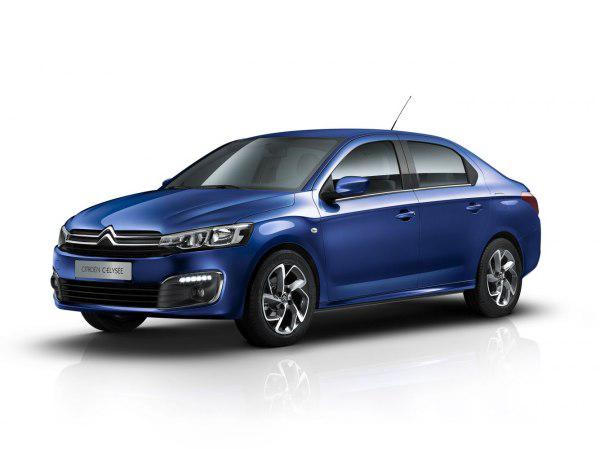
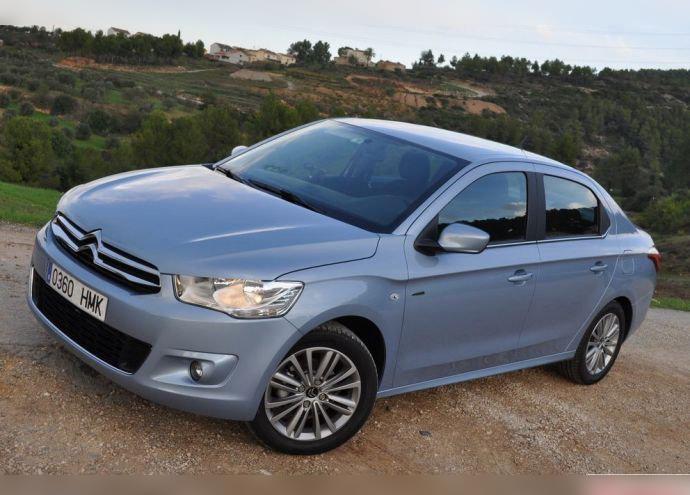
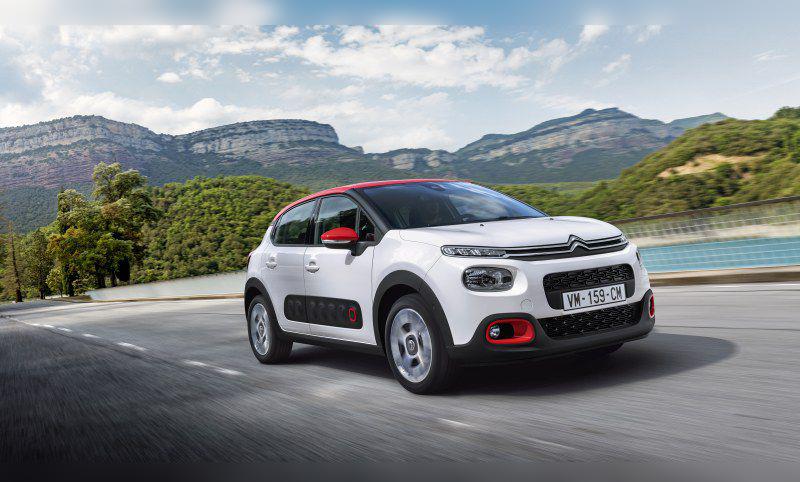
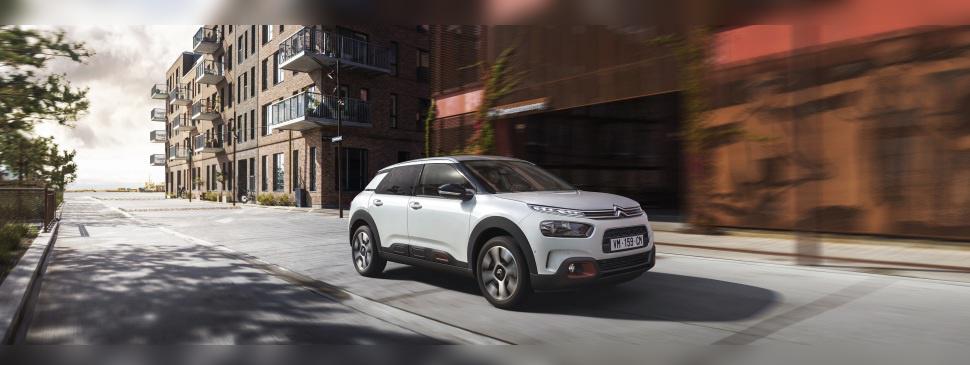
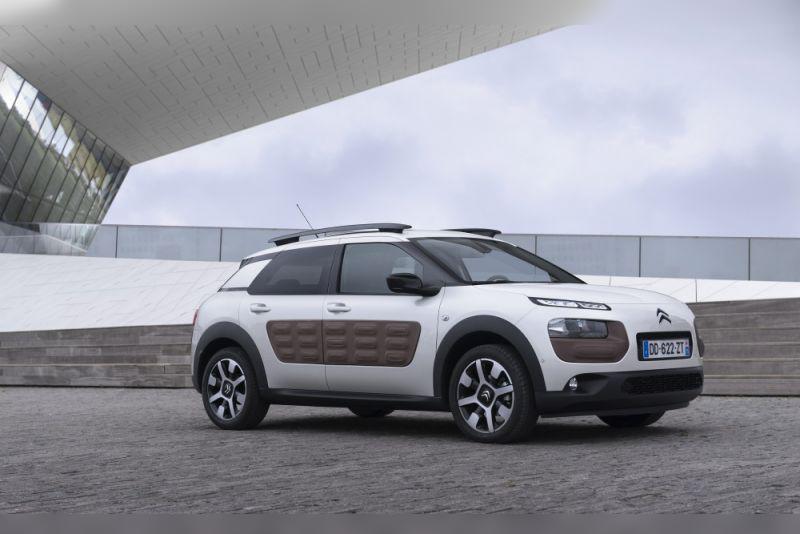
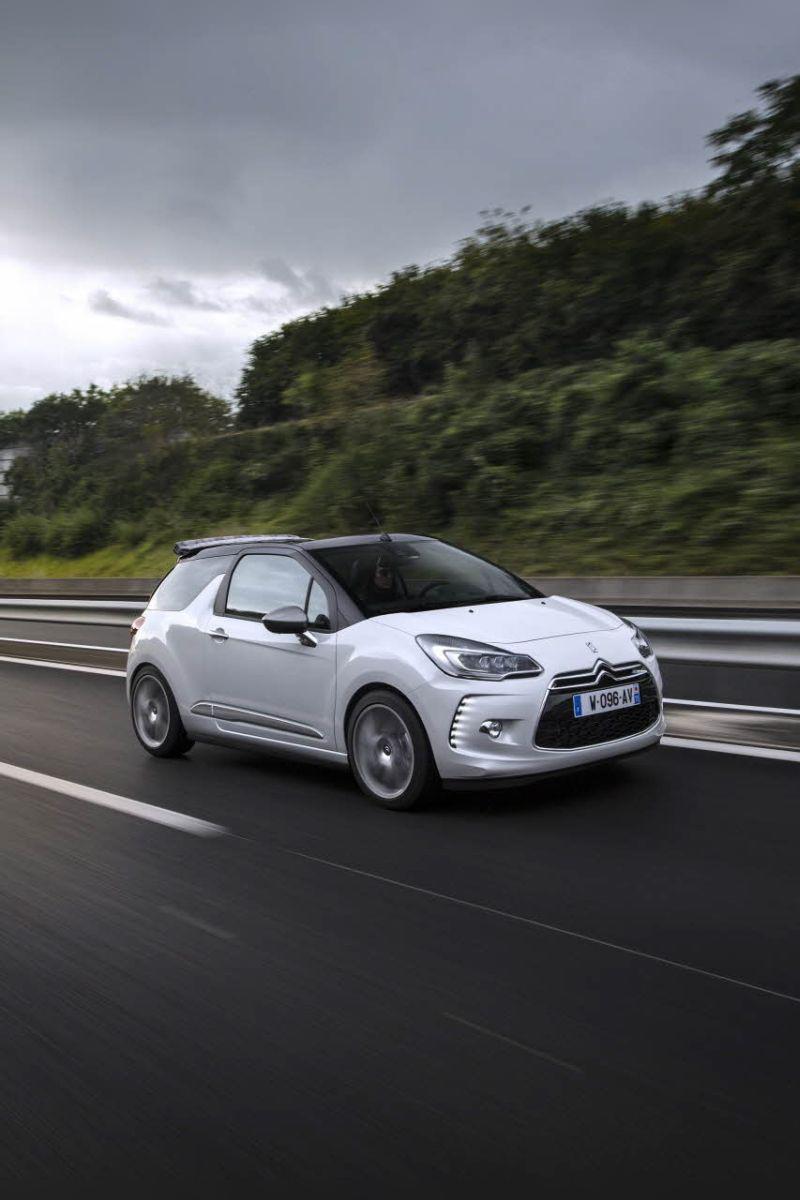
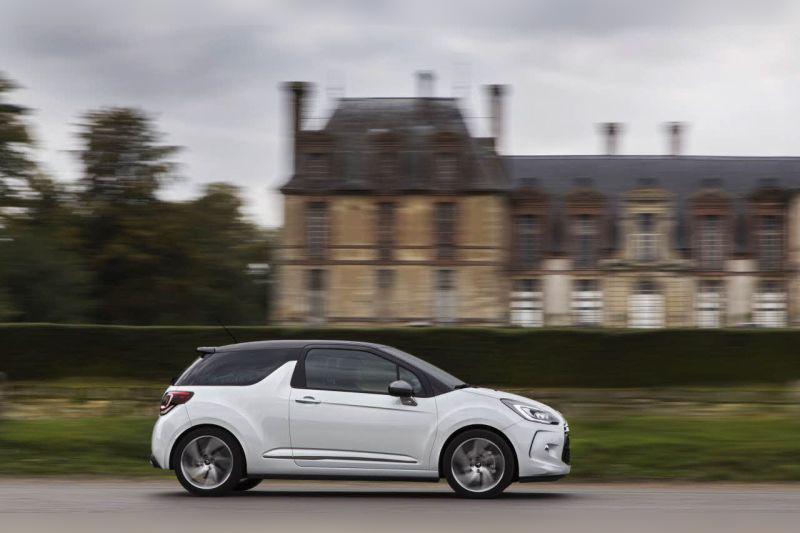
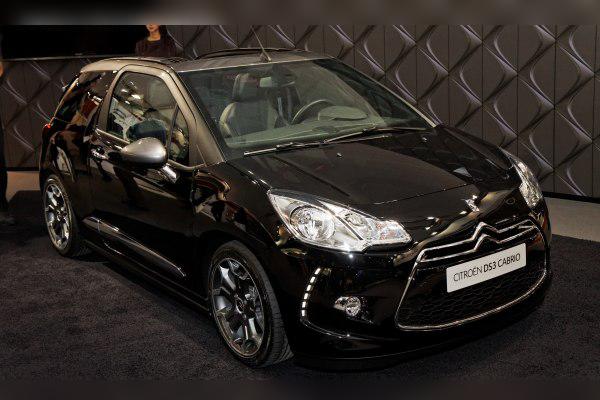
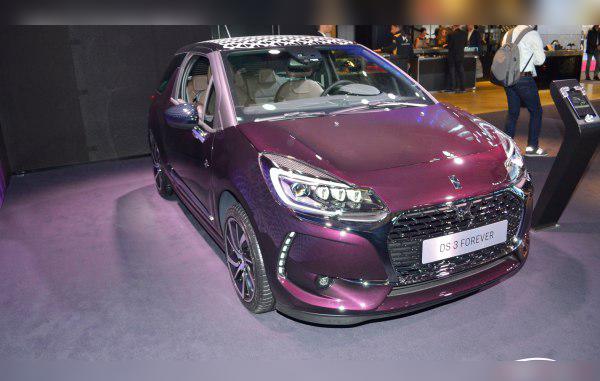
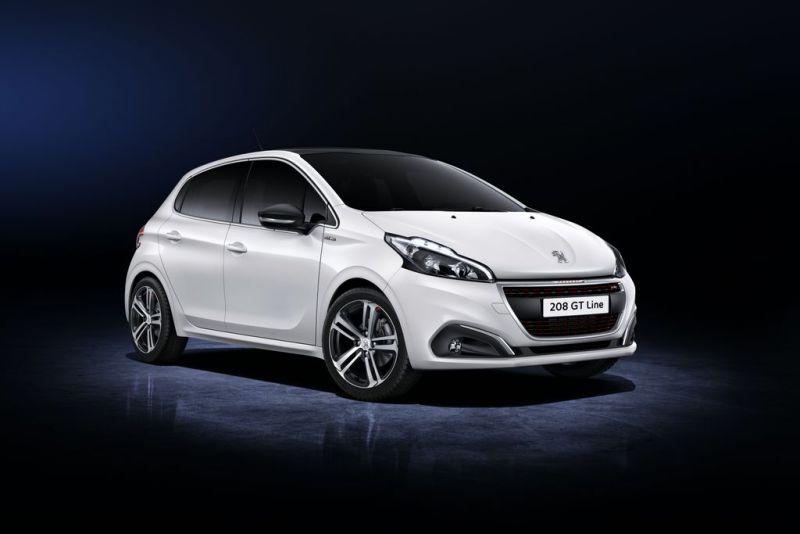
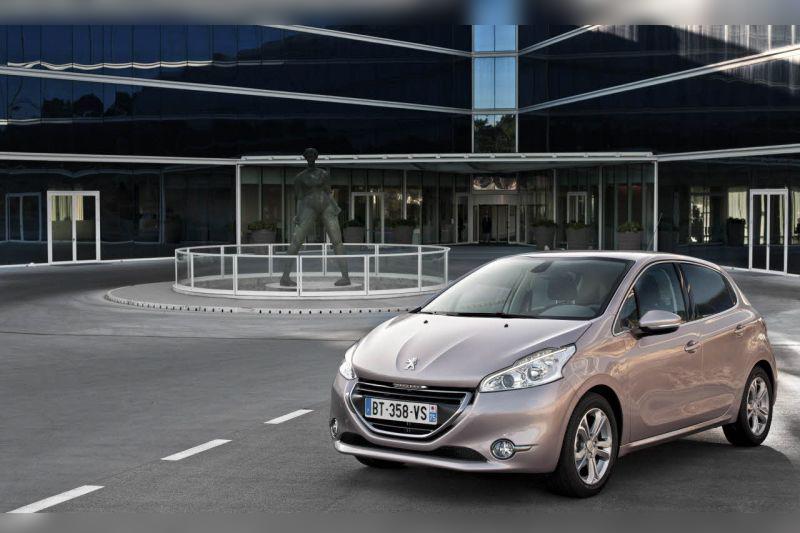
The engine designated as HMZ (EB2F), commercially known as 1.2 VTi or in later years as 1.2 PureTech with 82 hp, represents the backbone of petrol powertrains in the PSA group (Peugeot, Citroën, DS) throughout the previous decade. It is a naturally aspirated three-cylinder petrol engine. It has been used in a wide range of vehicles, from small city runabouts like the Peugeot 208 and Citroën C3, through the quirky C4 Cactus, all the way to the compact Peugeot 308 and budget saloons such as the Citroën C-Elysée.
The main idea of the PSA group was to create a light, compact and economical engine to replace the old four-cylinder 1.4 units. Although on paper it was conceived as an ideal city engine, in practice it brought several specific engineering solutions that require special attention from both drivers and mechanics.
Technical specifications
| Engine displacement | 1199 cc |
| Power | 60 kW (82 hp) |
| Torque | 118 Nm |
| Engine codes | HMZ, EB2F |
| Injection type | Indirect injection (MPI) |
| Induction | Naturally aspirated (no turbo) |
| Number of cylinders | 3 cylinders |
Reliability and maintenance
Timing belt in oil (the engine’s main problem)
The answer to the most important question: this engine uses a timing belt, but it is not mounted dry as in older engines – it is immersed in engine oil (the so‑called “wet belt” system). The idea was to reduce friction and noise, but in practice this is the biggest weakness of the EB2 engines. Oil, especially when mixed with traces of petrol during frequent short city trips, attacks the rubber of the belt. The belt starts to crumble and rubber particles fall into the oil pan and clog the oil pump strainer. The symptom the driver sees is the red oil pressure warning light. If the engine is not switched off immediately, this leads to complete seizure of the crankshaft and camshafts.
Major and minor service
Because of the above issue, the factory interval for the major service (replacement of belt, tensioner and water pump), which used to be up to 100,000 km, has been drastically reduced by experienced mechanics. The recommendation is to do the major service at a maximum of 60,000 to 80,000 km or every 5 years. At every minor service it is MANDATORY to check the width and condition of the belt using a special tool or visually through the oil filler cap.
As for the oil, this engine takes around 3.25 litres of oil. Due to the specific belt design, you are allowed to use ONLY oil that meets the PSA B71 2312 or newer specification, most commonly in 0W‑30 grade. Filling it with cheaper 5W‑40 or 10W‑40 oil will literally destroy the belt in record time.
Oil consumption and spark plugs
Unfortunately, this engine consumes oil between services. Due to the design of the piston rings, which are made with low friction, they tend to get stuck over time. Oil consumption of around 0.2 to 0.3 litres per 1000 km is considered within normal tolerance. However, on neglected examples this consumption can exceed 0.5 l/1000 km, which requires opening the engine and replacing the rings. Drivers must regularly check the dipstick.
Since this is a petrol engine, spark plugs are replaced every 40,000 to 60,000 km. Coil failures do occur, and the symptoms are rough running, engine vibration at idle and a “Check Engine” light accompanied by loss of power.
Specific parts and costs
The good news for buyers is that the HMZ EB2F is extremely simple from a mechanical point of view. Unlike modern diesels, this engine does NOT have an AdBlue system, a DPF filter, or a problematic EGR valve. Also, as a naturally aspirated engine, it does not have a turbocharger. This eliminates thousands of euros in potential repairs right from the start.
Regarding the fuel system, the 82 hp HMZ uses classic indirect (MPI) injection. This means there are no expensive high‑pressure injectors, and the petrol injectors on this model are extremely reliable and very rarely cause problems. Also, thanks to MPI injection, this engine does not suffer from carbon build‑up on the intake valves, which is a common issue on more powerful PureTech engines with direct injection.
Fuel consumption and performance
On‑road behaviour
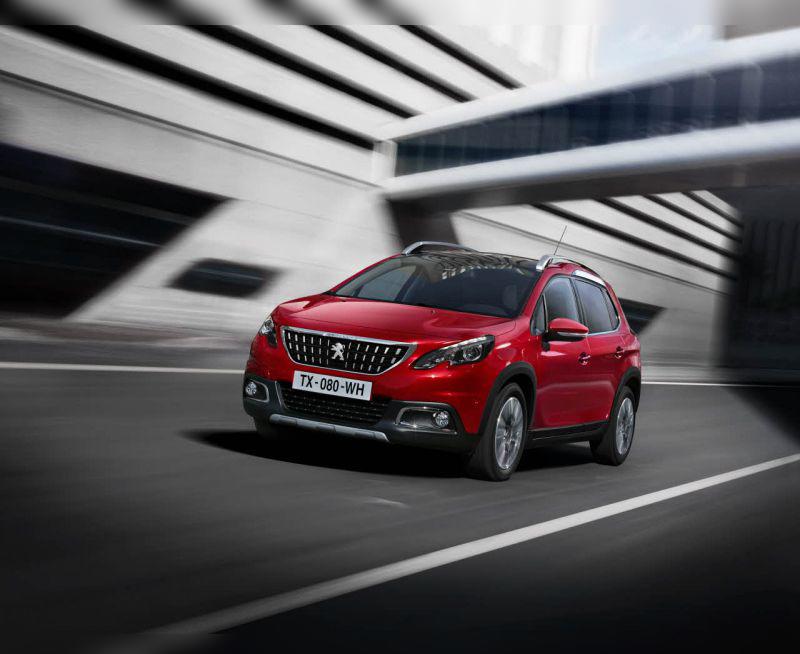
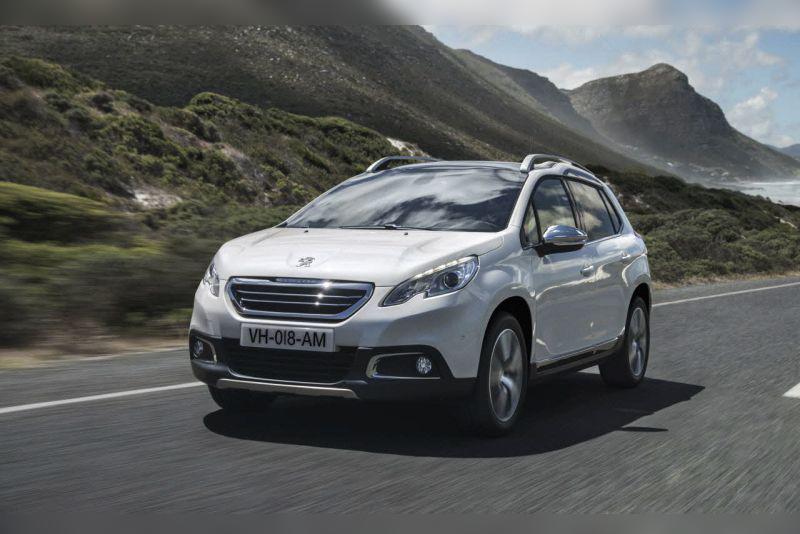
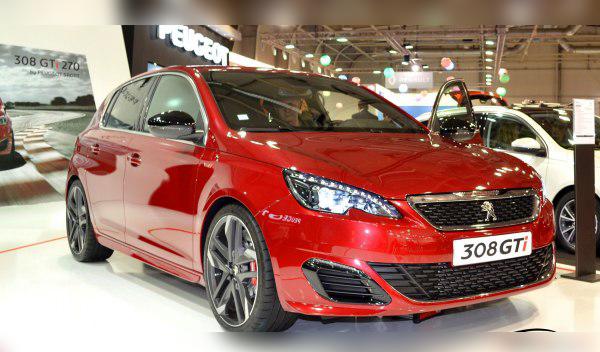
Is this engine “sluggish”? It depends on the car. In a Peugeot 208 or Citroën C3, 82 hp and 118 Nm are perfectly adequate for smooth city driving. The car responds nicely to throttle at lower revs. However, in heavier bodies such as the Peugeot 2008, 308 or Citroën C4 Cactus, this engine is extremely sluggish, especially if the car is loaded with passengers or the air conditioning is on. Overtaking on country roads requires good planning and shifting down.
Real‑world fuel consumption and motorway driving
Real‑world fuel consumption in stop‑and‑go city traffic ranges between 6.5 and 8 l/100 km, depending on how heavy your right foot is. On open roads it can drop to around 4.5 to 5 l/100 km.
The motorway is not this engine’s natural habitat. Due to the short ratios in the five‑speed gearbox, at 130 km/h the engine spins at a rather high 3800 to 4000 rpm. This results in increased cabin noise, higher fuel consumption (over 7 l/100 km on the motorway) and increased oil consumption at such operating regimes.
Additional options and modifications
LPG conversion
Since the engine has indirect injection, it is very suitable for LPG installation. Expensive systems for direct injection are not required. However, keep in mind that naturally aspirated engines of this type can have somewhat softer valve seats, so it is advisable to install a system with “flashlube” valve lubrication and to regularly check valve clearances, given that there are no hydraulic tappets.
Remapping (Stage 1)
Short answer: It’s not worth it. As this is a small‑capacity naturally aspirated engine, ECU remapping (Stage 1) can extract at most 5 to 8 hp and slightly shift the torque curve. The change in driving will be practically unnoticeable, so doing a chip tune on this unit is a waste of money.
Gearbox and drivetrain
Two types of transmissions were fitted with this engine: a classic 5‑speed manual gearbox and a robotised gearbox (commercially called ETG, EGS or BMP5 depending on the year). Proper automatic gearboxes (with a torque converter) are generally not available with this engine output; what is advertised as “automatic” in classifieds is usually this robotised gearbox.
Manual gearbox
The manual gearbox is reliable, but typically “French” – the gear lever throws are long and somewhat vague. A common failure is bearing wear inside the gearbox itself, which manifests as whining under acceleration. Fortunately, the engine does not have a dual‑mass flywheel; it uses a conventional (solid) flywheel. Because of this, a clutch kit (pressure plate, disc, release bearing) is not expensive (depends on the market). Even though the manufacturer calls the gearbox oil “lifetime”, it should be replaced every 60,000 km.
Robotised gearbox (ETG/BMP)
The robotised gearbox is basically a manual gearbox with an added electro‑hydraulic actuator (robot) that shifts gears and operates the clutch instead of you. Owner experiences are very poor. This gearbox is jerky, shifts gears very slowly, and can be very unpleasant on uphill starts. The most common failures are clutch actuator failure or failure of the gear selector mechanism itself, which is very expensive to repair (depends on the market). The clutch on these gearboxes wears out much faster than on manuals. The recommendation is to avoid this transmission.
Buying used and conclusion
What to check before buying?
- Visual belt inspection: Unscrew the oil filler cap on top of the engine. If you look inside, you will see the timing belt. If the belt looks cracked, swollen or you can see its threads – walk away from that car or immediately factor in removing the oil pan, cleaning the strainer and a full timing service.
- Smoke check: When the engine is hot, have someone blip the throttle hard from idle. If bluish smoke comes out of the exhaust, the engine is already burning a lot of oil due to worn rings or valve stem seals.
- Noise on cold start: A 3‑cylinder engine naturally runs a bit rougher, but metallic rattling or uneven running when completely cold indicates a problem with oil pressure, the cam phaser or the spark plugs/coils.
- Suspension and steering: French cars have a comfortable but sensitive suspension. Listen for knocking over speed bumps (drop links and control arm bushes often fail).
Conclusion
The 1.2 PureTech / VTi 82 hp (HMZ EB2F) engine was designed for a very specific target group – drivers who cover moderate mileage, mostly in urban conditions, and who want a car without expensive failures on injectors, turbochargers and DPF filters. If it is regularly serviced with the correct high‑quality oil (0W‑30) and if the timing belt is replaced preventively at 60,000 km, it can be a pleasant and economical engine to own.
However, if you are buying a B‑ or C‑segment car for frequent long trips, or you are looking for dynamic performance, it is better to look for the more powerful turbo version (110 hp) or one of the proven HDi diesel engines. And if you are buying an imported used car with no clear service history – be extremely cautious and at the first sign of belt degradation, visit a workshop immediately.