1.2 PureTech HNY EB2DTS (130 hp): Experiences, problems, fuel consumption and used car buying tips
Key points (TL;DR)
- Timing belt in oil: The biggest weak point of this engine. The belt deteriorates, debris clogs the oil pump strainer and causes oil pressure drop, which can destroy the engine.
- Strong and flexible: With 230 Nm of torque, the engine is surprisingly lively and handles even heavier bodies like the Peugeot 5008 very well.
- Sensitive to oil: Requires strict adherence to the correct oil grade and changes every 10,000 to 15,000 km at most, to protect the belt and turbocharger.
- Direct injection: Prone to carbon buildup on intake valves, which over time requires cleaning (decarbonization).
- Expensive clutch replacement: The 130 hp version has a dual-mass flywheel, which increases maintenance costs compared to lower-powered variants.
- Spark plugs under heavy load: Due to the combination of three cylinders and a turbo, spark plugs must be replaced much more often than on older naturally aspirated engines.
Contents
- Introduction: About the HNY EB2DTS engine
- Technical specifications
- Reliability and maintenance
- Specific parts and costs
- Fuel consumption and performance
- Additional options and modifications
- Gearbox and drivetrain
- Buying used and conclusion
Introduction: About the HNY EB2DTS engine
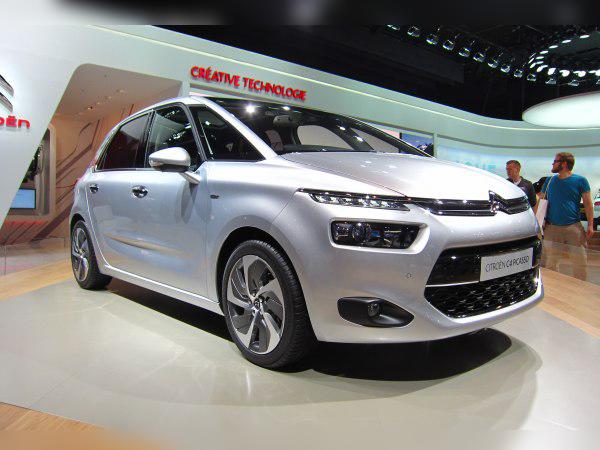
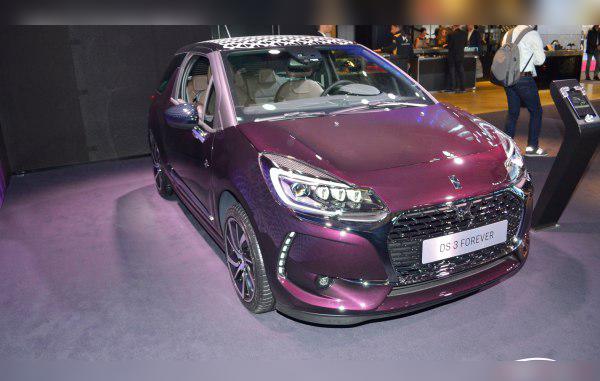
The engine designated as HNY EB2DTS, commercially known as the 1.2 PureTech with 130 hp, represents the top of PSA Group’s range when it comes to modern three‑cylinder petrol engines. Developed as a direct response to the “downsizing” trend, this engine offers the performance of older 1.8 or 2.0 naturally aspirated engines, but with significantly smaller displacement and weight. It was installed in an extremely wide range of vehicles, from compact city cars like the DS3, through popular hatchbacks such as the Peugeot 308 and Citroën C4, all the way to serious family SUVs like the Peugeot 3008 and 5008.
Although it is a multiple “Engine of the Year” award winner thanks to its fantastic power delivery and refined operation, real‑world use has shown that it carries certain design risks that require an extremely careful owner. It is not an engine that “tolerates abuse”; it demands regular and preventive maintenance.
Technical specifications
| Specification | Data |
|---|---|
| Displacement | 1199 cc |
| Power | 96 kW (130 hp) |
| Torque | 230 Nm |
| Engine codes | HNY, EB2DTS |
| Injection type | Direct injection |
| Induction | Turbocharger, intercooler |
| Configuration | Inline 3‑cylinder |
Reliability and maintenance
Timing system (Timing belt in oil)
The most important thing you need to know about the 1.2 PureTech engine is that it uses a timing belt that runs in engine oil (the so‑called “wet belt” or “belt‑in‑oil”) to drive the camshafts. Although the idea was to reduce friction and noise, in practice it has caused serious problems. The chemical reaction between the engine oil (especially if it is contaminated with fuel due to short city trips) and the belt material causes the belt to swell and deteriorate. Microscopic rubber particles break off from the belt and fall directly into the oil pan, where they clog the oil pump strainer. The symptom of this problem is the red oil pressure warning light coming on. If you ignore it even for a few kilometres, the engine will seize.
When should the major service be done?
The initial factory recommendation for the major service (replacement of the belt, rollers, tensioner and water pump) was 100,000 km or 6 years. However, due to widespread issues, the interval was revised downwards. As an experienced mechanic, I recommend that you always do the major service every 60,000 to a maximum of 80,000 km, or every 5 years. Each time you do an oil change, the mechanic should use a special tool (template) to check the belt width through the oil filler cap, in order to detect swelling in time.
Engine oil and oil consumption
This engine takes about 3.5 litres of oil. It is extremely important to use only oils that are specifically formulated not to damage the timing belt. The manufacturer specifies strict standards (PSA B71 2010 or B71 2312), usually in 0W‑20 or 0W‑30 grades. As for oil consumption, due to the piston ring design and the turbo operating at high temperatures, slight consumption is to be expected. Topping up 0.2–0.3 litres per 1,000 km is considered normal. If the engine consumes more than half a litre per thousand kilometres, this indicates a problem with the piston rings or the PCV valve (crankcase ventilation system).
Spark plugs and ignition system
As a modern petrol engine with direct injection, a turbo and three cylinders, the HNY EB2DTS is very demanding on spark plugs. If the plugs are worn, a dangerous phenomenon known as LSPI (Low Speed Pre‑Ignition) can occur – premature ignition of the mixture that can literally punch a hole in a piston. For this reason, spark plugs must be replaced at a maximum of 30,000 to 40,000 km.
Specific parts and costs
Dual‑mass flywheel
Unlike the basic naturally aspirated 1.2 versions, this 130 hp engine is equipped with a dual‑mass flywheel (with manual gearboxes). The strong torque of 230 Nm and the inherent three‑cylinder vibrations require this component to smooth out shocks in the drivetrain. The cost of replacing the clutch kit and dual‑mass flywheel is high (depends on the market) and represents a significant item in used‑car maintenance.
Turbocharger
The turbocharger is small and spins at extremely high speeds in order to eliminate the so‑called “turbo lag”. Its service life is generally good and it can easily exceed 200,000 km, provided that lubrication is flawless. Most often it fails as “collateral damage” when the oil pump strainer becomes partially clogged with timing belt debris, leaving the turbo as the first component without sufficient oil pressure.
Injection system and emissions (GPF, EGR, AdBlue)
The direct injection system means that petrol does not wash the intake valves. As a result, carbon deposits build up on the valves and intake ports after 80,000–100,000 km. Symptoms include rough idle, loss of power and increased fuel consumption. The solution is physical cleaning using the “walnut blasting” method, which is not excessively expensive (depends on the market).
Regarding emissions, depending on the model year (especially after the introduction of Euro 6d‑Temp standards at the end of 2018), some models received a gasoline particulate filter (GPF/OPF). It rarely clogs compared to diesel DPFs because petrol engines reach much higher exhaust temperatures. Since this is a petrol engine, it does not have an AdBlue system, which is great news as it spares you one of the biggest headaches of modern vehicles.
Fuel consumption and performance
City driving
In real‑world city driving, fuel consumption depends on the body style. In lighter models such as the Peugeot 2008 or DS3, consumption is around 7.0–7.5 l/100 km. If the engine is in heavier SUVs like the Peugeot 3008 or 5008, especially with an automatic gearbox, city consumption easily exceeds 8.5 to 9.0 l/100 km. The start‑stop system helps, but aggressive driving on short trips significantly raises the average.
Is the engine “sluggish”?
Absolutely not. With a maximum of 230 Nm already at a low 1,750 rpm, this engine behaves more like a modern diesel. Throttle response is quick and it handles even the hefty Peugeot 5008 very well in everyday use. The only time you will feel the lack of displacement (only 1.2 litres) is on serious climbs when the vehicle is fully loaded with passengers and luggage.
Motorway and cruising
On the motorway it proves to be very refined. Thanks to well‑chosen gear ratios, at 130 km/h in sixth gear the engine turns at a very relaxed 2,600–2,800 rpm (depending on the specific model’s final drive). Motorway fuel consumption is around 6.5 to 7.0 l/100 km. Noise levels are low and the typical three‑cylinder vibrations are very well suppressed by the engine mounts.
Additional options and modifications
LPG conversion
Installing LPG on this engine is very complicated and not recommended for the average user. Due to the direct injection system, the installation requires special equipment that injects small amounts of petrol in parallel in order to cool the petrol injectors and prevent them from burning out. The LPG system for direct injection is very expensive (depends on the market) and its cost‑effectiveness is questionable unless you cover huge mileages.
Remapping (Chiptuning / Stage 1)
Although a remap can easily raise the engine to about 150–160 hp and around 260 Nm, I strongly advise against chiptuning this engine. Increased boost pressure and altered ignition parameters drastically increase the risk of piston failure due to the aforementioned LSPI effect. In addition, the extra heat degrades the oil faster, which directly accelerates the deterioration of the problematic timing belt.
Gearbox and drivetrain
Manual and automatic gearboxes
This engine was paired with 6‑speed manual gearboxes (BVM6) and excellent automatic gearboxes from the Japanese manufacturer Aisin. Initially, a 6‑speed automatic (EAT6) was fitted, and on newer series after 2017/2018, the more advanced 8‑speed automatic (EAT8).
Most common failures and gearbox maintenance
The manual gearboxes are robust, but they suffer from a well‑known PSA issue – a somewhat imprecise gear lever feel and sometimes difficult engagement of first gear or reverse when cold. Maintenance includes changing the oil in the manual gearbox every 60,000 to 80,000 km.
The Aisin EAT6 and EAT8 automatic gearboxes are conventional torque‑converter automatics (not problematic dual‑clutch units). They are very smooth and reliable, but they are not maintenance‑free as the manufacturer sometimes claims (“sealed for life”). To prevent jerking during gear changes, the oil in the automatic must be changed every 60,000 km. The procedure is not expensive and protects the entire mechatronics unit and valve body (depends on the market).
Buying used and conclusion
What to check before buying?
If you are buying a used car with the HNY EB2DTS engine, your first task is to check the timing belt. Open the oil filler cap on a warm engine and shine a light inside. If the belt looks glossy, cracked or swollen, or if you can see black chunks on the cap walls, the engine is potentially already at risk. Secondly, listen to a cold start. Any rattling may indicate dry running due to a clogged oil pump strainer.
A diagnostic scan is mandatory to check for oil pressure faults, as well as misfire‑related codes, which indicate worn spark plugs, ignition coils or carbon deposits on the valves.
Final verdict: Who is it for?
The 1.2 PureTech 130 hp is not an engine for a driver who wants to just fill up with fuel, forget about the bonnet and service the car whenever they remember. This is a great driver’s engine – very flexible, reasonably economical and excellent for family cars. However, it requires a meticulous owner. Buying used only makes sense if the vehicle has a documented service history with more frequent oil changes and if you are prepared to immediately carry out a preventive major service after purchase, remove the oil pan and clean the oil pump strainer. If you are thorough and conscientious about maintenance, it will serve you very well and provide a lot of driving pleasure.