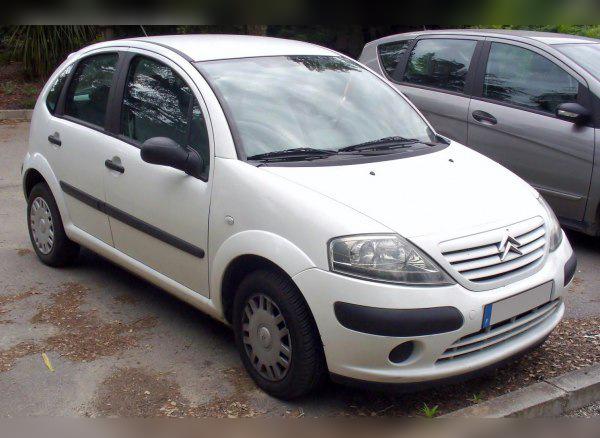
KFV TU3JP Engine (1.4i 8V 73 hp) – Experiences, problems, fuel consumption and used-car buying tips
Key points in short (TL;DR)
- Old-school mechanics: Simple, robust design and very cheap to maintain.
- Biggest weak point: Oil leak at the head gasket – a well-known but easy and inexpensive problem to fix.
- No expensive parts: No dual-mass flywheel, no turbocharger, no DPF filter, and no EGR valve.
- Timing drive: Driven by a timing belt, with a fairly long major-service interval.
- LPG: Handles sequential LPG installation very well.
- Gearboxes: Manual is recommended, while “SensoDrive” automated manuals should be avoided due to costly actuator failures.
- Intended use: Ideal for city and suburban driving, noisy and underpowered on the motorway.
Contents
- Introduction to the KFV TU3JP engine
- Technical specifications
- Reliability and maintenance
- Specific parts and costs
- Fuel consumption and performance
- Additional options and modifications (LPG and remapping)
- Gearboxes, clutch and drivetrain maintenance
- Buying used and conclusion
Introduction to the KFV TU3JP engine
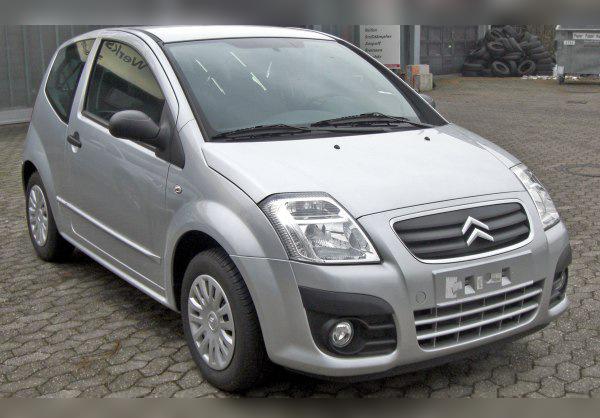
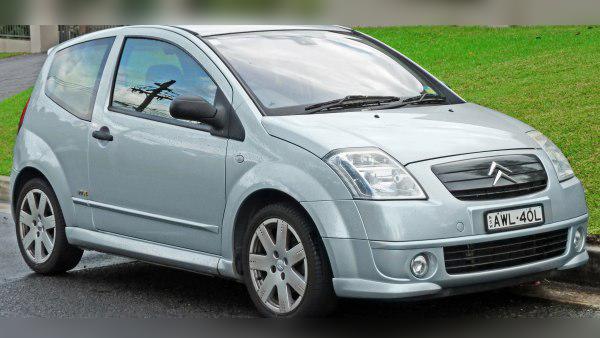
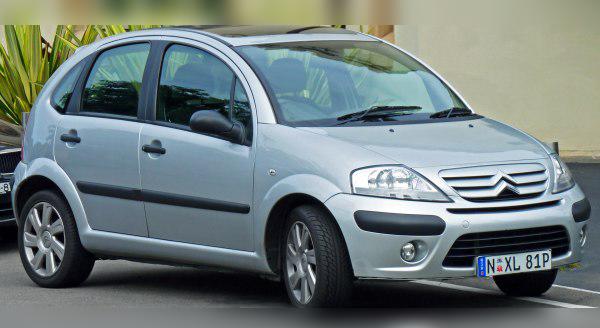
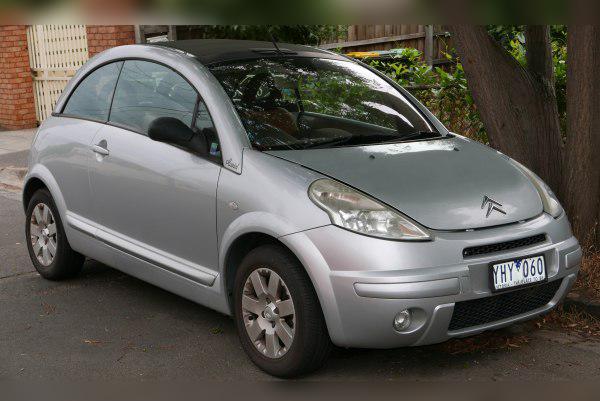
The engine designated as KFV, better known within the PSA group as TU3JP, is one of the most widely produced engines in Europe. It is a well-known naturally aspirated 1.4‑liter petrol engine with a single camshaft and 8 valves. This unit was installed in a wide range of city cars and is particularly popular in models such as the Citroën C2, Citroën C3 and the quirky Citroën C3 Pluriel.
Its importance lies in the fact that, at a time of advanced and complex technology, it offered pure simplicity. Precisely because it lacks complex systems, this engine became a favorite choice for beginner drivers, delivery vehicles, and anyone who needs transport from point A to point B with minimal maintenance costs at a local workshop.
Technical specifications
| Specification | Data |
|---|---|
| Engine displacement | 1360 cc |
| Power | 54 kW (73 hp) |
| Torque | 120 Nm |
| Engine codes | KFV (TU3JP family) |
| Injection type | Multipoint indirect injection (MPI) |
| Induction / Charging | Naturally aspirated (No turbo) |
| Valve layout | 8 valves (SOHC) |
Reliability and maintenance
Timing belt or chain?
This engine uses a timing belt to drive the camshaft and water pump. The timing system is extremely simple and is not heavily stressed, which is why unexpected belt failures are rare if the service is done on time.
Major service and intervals
The manufacturer specifies a major service interval (replacement of timing belt, tensioner, idlers and water pump) of 90,000 to 120,000 km, or every 5 to 7 years, whichever comes first. Parts for the major service are not expensive (depends on the market), so there is no reason to postpone this job. Be sure to replace the auxiliary (serpentine) belt and its tensioners at the same time.
Failures and what usually goes wrong
The KFV engine is generally very reliable, but it has one chronic flaw – the cylinder head gasket. Due to a design peculiarity of the oil channel at the front right corner of the engine block (near the alternator), the gasket eventually gives way and oil starts to seep down the block. Symptoms are oily patches on the block and a dropping oil level. The repair requires removing and resurfacing the head, which is not an expensive job, but it is a bit of a nuisance (depends on the market).
Another common weak point is the ignition coil pack (DIS module). Sagem-branded modules were known to fail frequently, causing the engine to run on 3 cylinders, jerking, loss of power and the “Check Engine” light coming on. The problem is permanently solved by fitting a higher-quality coil pack (e.g. Valeo or Bougicord).
Oil and oil consumption
The engine takes about 3 to 3.2 liters of oil. The PSA group usually recommends semi-synthetic 10W‑40 oil for this engine, although 5W‑40 can be used in colder climates. Change it every 10,000 to 12,000 km.
As for oil consumption, a TU3JP in perfect condition uses very little. However, due to the age of these engines, the valve stem seals harden over time, so consumption of around 0.2 to 0.4 liters per 1,000 km on higher‑mileage used cars is considered somewhat “normal”. If it blows blue smoke from the exhaust on cold start, the valve stem seals are due for replacement.
Spark plugs and replacement interval
Since this is a petrol engine, the spark plugs should be replaced every 40,000 to 60,000 km. Because of the sensitive coil pack mentioned above, it is advisable to change the plugs even earlier (around 30,000 km) so as not to overload the ignition module.
Specific parts and costs
Dual-mass flywheel and turbo
Excellent news for every buyer: this engine does not have a dual-mass flywheel, and it does not have a turbocharger either. The absence of these components eliminates two of the biggest financial fears when buying a used car. Power delivery is linear, and the clutch is subjected to significantly less stress.
Fuel injection system
Fuel injection is handled by a conventional multipoint (MPI) system. The petrol injectors on this engine are extremely durable and rarely fail. Potential problems can arise from years of dirt build‑up caused by poor‑quality fuel, but this is solved by a simple and fairly cheap ultrasonic cleaning. Injector failures that require physical replacement are very rare.
EGR, DPF and AdBlue
This is an old‑school naturally aspirated petrol engine, which means it has no DPF filter, no AdBlue system, and no EGR valve. It relies only on a conventional catalytic converter and two lambda sensors (one before and one after the catalyst). The only emissions‑related issues you might encounter are ageing and disintegration of the catalyst substrate or failure of a lambda sensor, which leads to increased fuel consumption and a rougher idle.
Fuel consumption and performance
City driving and “sluggishness”
Although the displacement is small, this is an 8‑valve design from the previous millennium. In the lightweight Citroën C2 the engine copes quite well and is fairly lively up to 60 km/h. However, in heavier models such as the Citroën C3 or the heavy C3 Pluriel convertible, the engine shows signs of “sluggishness”, especially when you switch on the air conditioning or if the car is fully loaded with passengers.
Real‑world city fuel consumption ranges between 7.5 and 9.0 l/100 km, which is not particularly economical by today’s standards for this level of power.
Behavior on the motorway
This engine was not born for long motorway journeys at 130 km/h. The gearbox ratios are short and tuned for city driving. At 130 km/h, the engine spins at a fairly high 3,700 to 4,000 rpm (depending on gearbox type). As a result, it becomes noisy in the cabin and fuel consumption rises to around 8 l/100 km. Overtaking trucks on uphill sections requires an early downshift into fourth or even third gear.
Additional options and modifications (LPG and remapping)
LPG conversion
If there is an ideal engine for fitting LPG (autogas), this is it. The KFV TU3JP engine handles LPG brilliantly. The valves and valve seats are durable, so there is rarely a need to install additional valve lubrication systems. Due to the relatively high city petrol consumption, installing a sequential LPG system pays off very quickly, and performance remains almost unchanged.
Remapping (Stage 1)
Remapping, or so‑called “Stage 1” tuning, on this naturally aspirated petrol engine is purely a waste of money. The power gain would be negligible – maybe 3 to at most 5 horsepower – and the difference in torque would hardly be noticeable in everyday driving. This engine is best driven exactly as it left the factory.
Gearboxes, clutch and drivetrain maintenance
Types of gearboxes
Three types of gearboxes were paired with the KFV engine, and this makes a big difference to the ownership experience:
- 5‑speed manual (MA series): Standard manual gearbox, the most reliable option.
- SensoDrive (robotised manual): Often fitted to the C2 and C3 Pluriel. It is a regular manual gearbox with electric motors (actuators) that change gears instead of you.
- 4‑speed automatic (AL4): A true automatic gearbox with a torque converter (less common, usually in the C3).
Most common gearbox issues and maintenance
The manual gearbox is reliable but known for a somewhat “rubbery” feel when shifting. The gear selector linkages often wear out, giving the gear lever too much free play. Also, the gearbox bearings can start to whine at higher mileages. It is recommended to change the oil every 60,000 km (it takes about 2 liters of 75W‑80 oil).
The SensoDrive gearbox should be avoided if you are buying an older car. The clutch and gear‑selector actuators are prone to failure, the car often jerks when setting off, and repairs are expensive (depends on the market) compared to the value of the vehicle. In addition, it wears out the clutch disc very quickly.
AL4 automatic: An outdated gearbox. The most common problem is the hydraulic valve body (electromagnetic valves/solenoids), which causes harsh shifts until the car warms up. It requires regular partial oil changes every 40,000 to 60,000 km. If you are not specifically looking for an automatic, it is better to skip it.
Clutch and solid flywheel
Models with a manual gearbox have a conventional clutch and a solid flywheel (a simple piece of steel that cannot really fail). The cost of replacing the clutch kit (pressure plate, disc, release bearing) is very reasonable – it falls into the “not expensive” category (depends on the market). On SensoDrive models the clutch replacement procedure is the same, but it then requires calibration via diagnostics, which slightly increases labor cost.
Buying used and conclusion
What to check before buying?
- Visual inspection of the engine: Shine a light on the front right side of the engine (below the manifold, above the alternator). If you see a thick layer of fresh oil, the head gasket needs to be replaced. It’s not a big deal, but it is an excellent bargaining chip to lower the price.
- Engine noise (ticking): TU engines do not have hydraulic tappets but mechanical ones, so valve clearances must be adjusted from time to time. If the engine “ticks” loudly like a sewing machine, the valves probably haven’t been adjusted for a long time.
- Coolant condition: Open the coolant reservoir cap. Because of the head‑gasket issue, oil can mix with coolant. If you see a grey “mayonnaise” emulsion in the tank, walk away from the deal.
- Gearbox test drive: With the manual gearbox, check whether the lever jumps out of gear under sudden throttle. With the automatic and SensoDrive, jerking when shifting from first to second gear signals expensive repairs.
Conclusion: Who is this car and engine for?
The KFV TU3JP (1.4i 73 hp) engine is a relic of a simpler automotive era. If you are looking for a rocket for overtaking on country roads, this is absolutely not the engine for you. On the other hand, if you need a first car for a beginner, a second family car for everyday city duties, or simply a cheap car that any neighborhood mechanic can fix – this is a fantastic choice.
Our absolute recommendation is to buy a version with a manual gearbox. With regular maintenance and a bit of tolerance for the occasional oil leak, this small petrol engine will serve you faithfully for years with minimal impact on your household budget.