Engine 1.4 KFX TU3JP (75 HP): Experiences, problems, fuel consumption and used-car buying tips
Key points (TL;DR)
- Simplicity and reliability: Old, proven mechanics without expensive modern systems.
- Cheap maintenance: No dual-mass flywheel, turbocharger, or EGR/DPF systems.
- Specific weakness: Oil leakage on the head gasket (typical for the entire TU series).
- Ideal for LPG: The engine handles LPG conversion exceptionally well.
- Performance depends on chassis: Lively and agile in light models (Citroen Saxo, Peugeot 206), but noticeably sluggish in heavier vehicles (Peugeot Partner, Citroen Xsara).
- Automatic requires attention: The optional automatic gearbox (AL4) can be problematic if not regularly maintained.
Contents
- Introduction: Old-school engineering
- Technical specifications
- Reliability, maintenance and failures
- Specific parts and systems
- Fuel consumption and performance
- Extras: LPG and chip tuning
- Gearbox: Manual and automatic
- Buying used and conclusion
Introduction: Old-school engineering
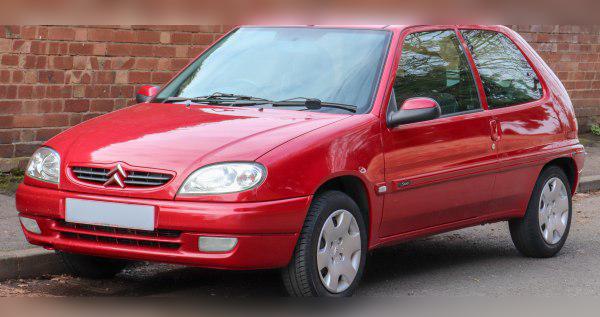
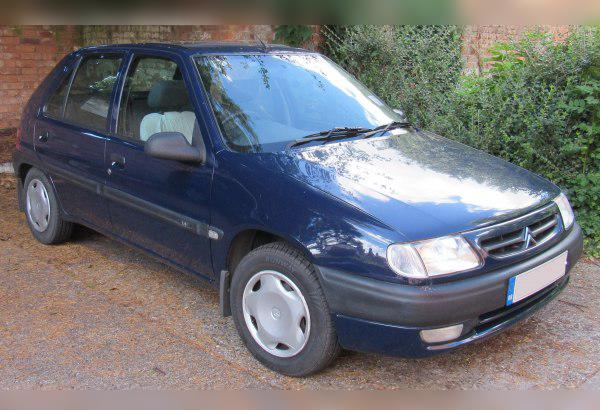
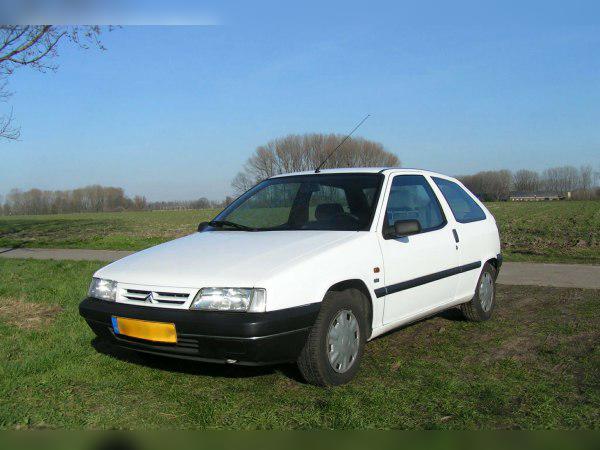
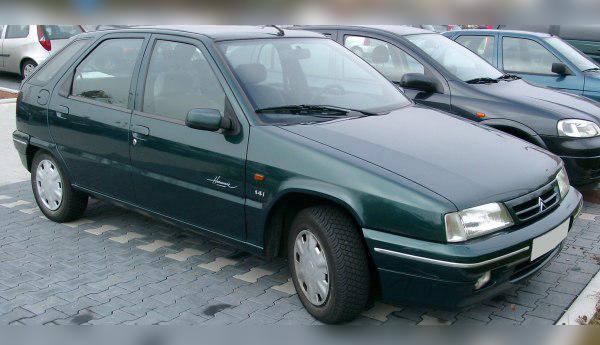
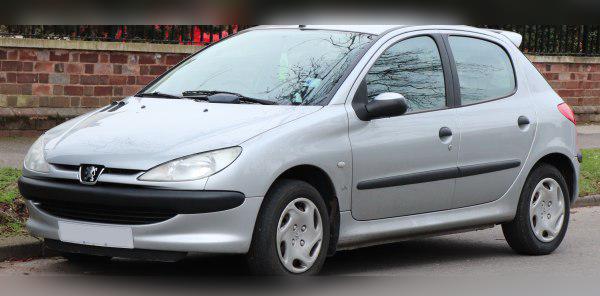
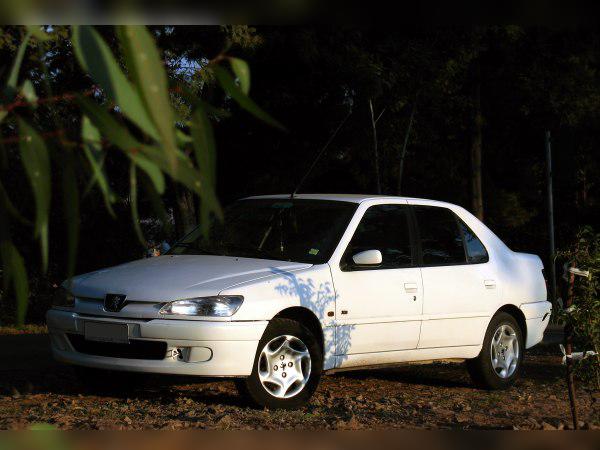
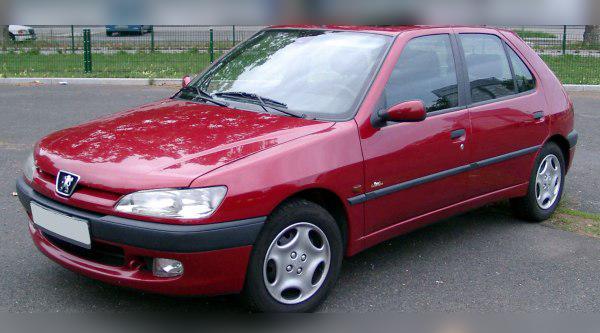
The PSA group (Peugeot and Citroen) has built many legendary engines, but the TU series, and especially the 1.4 KFX (TU3JP) version with 75 horsepower, represents the pinnacle of simple, durable and affordable motoring. This petrol engine was installed in a huge number of models in the late nineties and early 2000s. Whether we’re talking about city runabouts like the Citroen Saxo and Peugeot 206, or family/work vehicles such as the Xsara, 306, ZX and Partner, this engine was the main selling point for buyers looking for reliability without high costs.
Technical specifications
| Specification | Value |
|---|---|
| Engine code | KFX (TU3JP) |
| Displacement | 1360 cc |
| Power | 55 kW (75 HP) |
| Torque | 120 Nm |
| Injection type | Multi-point (MPI) |
| Aspiration | Naturally aspirated |
| Fuel | Petrol |
Reliability, maintenance and failures
The 1.4 KFX engine has eight valves and a single overhead camshaft (SOHC). It uses a timing belt, not a chain, to transfer power from the crankshaft to the camshaft. Due to its design, this is an engine where a snapped belt rarely leads to “total destruction”, but the timing service should not be postponed.
Major and minor service
The recommended interval for the major service (replacement of timing belt, tensioner, idler and water pump) is around 80,000 to 90,000 km or every 5 years. Timing kits are very cheap – parts plus labor usually cost between 150 and 250 euros (depending on the market).
As for the minor service, this engine takes very little oil – between 3 and 3.2 liters. The most commonly recommended grade is 10W-40 (semi-synthetic), although in colder climates owners often switch to 5W-40. Spark plugs on this petrol engine should be replaced every 30,000 to 40,000 km to protect the ignition coil pack, which is sensitive to a weak spark.
Most common failures and symptoms
Although extremely reliable, the 1.4 TU3JP has a few characteristic “childhood diseases” that any mechanic can recognize with their eyes closed:
- Head gasket oil leak: This is the most famous issue of the TU series. The head gasket almost always fails at the front left corner (near the alternator). The symptom is an oily engine block on that side. Fortunately, the problem rarely leads to oil and coolant mixing; it is usually just external “sweating”. Replacing the gasket is not an expensive repair compared to modern vehicles.
- Valve ticking: This engine does not have hydraulic lifters. Valve clearances must be adjusted manually using feeler gauges. If you hear the engine idling and “tapping” like a sewing machine, it’s time for a valve adjustment.
- Oil consumption (valve stem seals): Between two services the engine may consume some oil, and up to half a liter per 10,000 km is considered normal. However, at higher mileage the valve stem seals harden. The symptom is a cloud of blue smoke from the exhaust on the first cold start in the morning or when you accelerate after prolonged engine braking.
- Idle control valve failure: The driver notices this as fluctuating idle speed, or the engine losing power and stalling when the clutch is pressed while stopping at traffic lights. Often it is enough just to clean the throttle body and idle control valve.
- One-piece coil pack: The ignition system uses a single “coil pack” that sits directly on the spark plugs. If the engine is running on three cylinders, jerks under load or the “Check Engine” light is on, this is the most common culprit.
Specific parts and systems
If you’re switching from a modern diesel or a modern turbo petrol to this engine, you’ll feel a financial relief. This engine does not have a dual-mass flywheel, but uses a standard solid flywheel. The clutch is conventional, with a cable (on older models), and replacement is extremely cheap.
The fuel injection system is a classic multi-point (MPI). The injectors are located in the intake manifold and are very resistant to lower-quality fuel. They rarely cause problems, and even if they clog, ultrasonic cleaning quickly solves the issue.
Also, as a naturally aspirated petrol engine from the nineties, it has no turbocharger, no DPF filter, no AdBlue system. Some newer versions (from 2000 onwards) have a simple EGR valve, but it does not cause even a fraction of the problems we see on diesel engines.
Fuel consumption and performance
The performance of this engine depends heavily on the car it is installed in. In a light Saxo or Peugeot 206, 75 HP and 120 Nm provide quite lively city driving. However, if this engine is found in a Xsara Estate (Break), Peugeot 306 or a commercial Partner, it will feel noticeably “sluggish”. When overtaking on country roads you will be forced to shift down and rev it high.
Fuel consumption is the price you pay for older technology. In city driving, real-world consumption is around 8.5 to 9.5 l/100 km, especially in winter or heavy traffic. On open roads (single carriageway) it can drop to around 5.5 to 6.0 l/100 km.
On the motorway at 130 km/h, the gearbox keeps it at a fairly high 3,800 to 4,000 rpm in fifth gear. Because of this, the drive is noisy and consumption jumps to over 7.5 liters. This engine simply isn’t a long-distance “cruiser”.
Extras: LPG and chip tuning
If you want cheap motoring, this is a perfect candidate for an LPG conversion. The engine handles LPG systems brilliantly thanks to its simple intake manifold and durable valves. There is no need for expensive valve lubrication systems (so-called valve savers). Maintenance comes down to regular LPG filter changes and checking the vaporizer.
As for chip tuning (Stage 1), forget about it. On a classic small-displacement naturally aspirated engine, remapping the ECU can give at most 4 to 5 HP, which in practice is completely unnoticeable. Investing money in software for this engine is a pure waste; it’s better to put that money into a proper suspension or brake overhaul.
Gearbox: Manual and automatic
In most models this engine comes paired with a 5-speed manual gearbox from the MA series. This gearbox is known for a few weaknesses. The main problem is the input shaft bearings, which tend to whine (a sound similar to a washing machine). In addition, the gear linkage rods develop a lot of play over time, so the gear lever feels imprecise, as if you’re stirring soup. Clutch replacement is very affordable – from 80 to 150 euros (depending on the market). Although the manufacturer sometimes claims that the oil in the manual gearbox is “lifetime”, experienced mechanics recommend changing it every 60,000 to 80,000 km.
Automatic gearbox (AL4): Models such as the Saxo Automatic or 206 Automatic have a 4-speed automatic. This gearbox has a bad reputation in Europe. The most common failures are defective solenoid valves. Symptoms are strong jolts when engaging “D” or shifting from first to second gear, especially when the gearbox is cold. The automatic often goes into “safe mode” and locks itself in third gear. If you are buying an automatic, the oil MUST be changed every 40,000 to 60,000 km; otherwise, repairing the valve body can be very expensive.
Buying used and conclusion
What exactly to check before buying?
- Look under the bonnet on the passenger side: Check for oil traces on the block below the alternator. If it’s oily, expect a head gasket replacement in the near future.
- Cold start: Make sure the seller doesn’t start the car before you arrive. Start it yourself and watch the exhaust. If it emits bluish smoke that quickly disappears, the valve stem seals are worn.
- Engine sound: Pay attention to idle smoothness. If the car shakes at idle, the throttle body, idle control valve or coil pack need attention. A strong metallic ticking sound in sync with engine speed means the valves need adjustment.
- Gear lever feel: If you’re driving a manual, shift into first and second. If the shifts are very stiff or the lever has a lot of play as if it’s not connected to the car, the gear linkage rods need replacing.
Conclusion
The 1.4 KFX (TU3JP) engine is an old-school workhorse. It wasn’t built to win races, nor does it offer ultimate refinement. Its job is to get you from point A to point B in the cheapest possible way.
Who is it for? It’s an ideal purchase for beginners, students and drivers on a tight budget who need a cheap city car and don’t mind fitting LPG. If you plan long motorway journeys or often drive a fully loaded car, this engine will tire you with noise and lack of power, so in that case it’s better to look for a more powerful 1.6 petrol or an HDi diesel unit.