Peugeot and Citroën 1.8 16V LFY XU7JP4 (110 hp) – Experiences, issues, fuel consumption and used car buying tips
- Old-school engineering: A very reliable and durable naturally aspirated petrol engine, designed to cover hundreds of thousands of kilometres with regular maintenance.
- Ideal for LPG: The engine uses indirect injection, which works perfectly with LPG systems, drastically reducing running costs.
- Cheap maintenance: No dual-mass flywheel, no sensitive turbocharger, no DPF filters or expensive injectors. Parts are affordable.
- Known weaknesses: Prone to oil consumption (due to worn valve stem seals), unstable idle (idle control stepper motor) and occasional problems with ignition coils on older series.
- Gearboxes: Manual gearboxes are virtually indestructible, but you should be careful with the infamous AL4 automatic transmission, which requires strict maintenance.
- Fuel consumption: In city driving, especially in heavier bodies such as the Peugeot 406 or Citroën Xantia, it can be quite “thirsty”.
Contents
- Introduction: The golden era of French petrol engines
- Technical specifications
- Reliability, failures and maintenance
- Specific parts and costs
- Fuel consumption, performance and driving characteristics
- LPG and chiptuning
- Transmissions: Manual vs Automatic
- Buying used and conclusion
Introduction: The golden era of French petrol engines
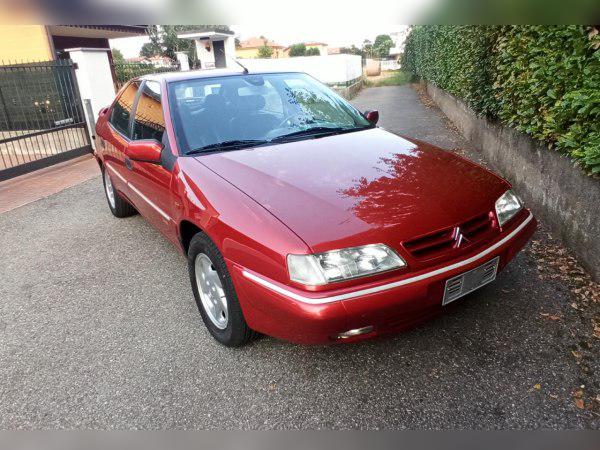
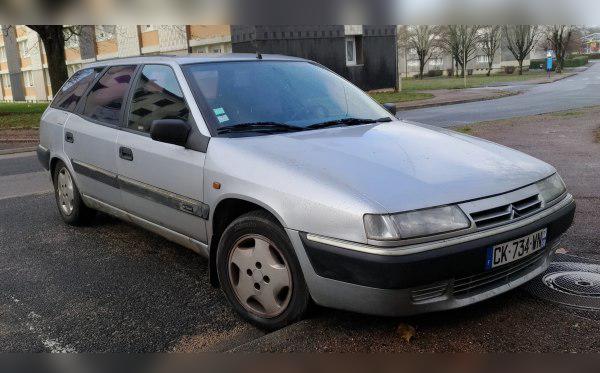
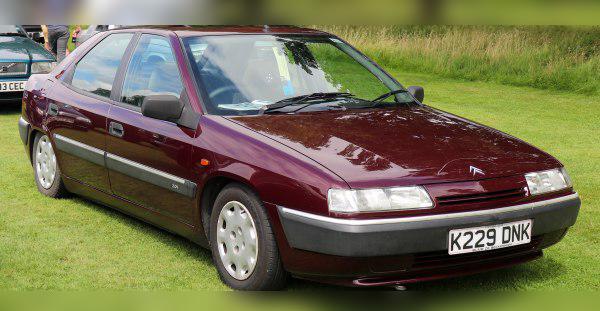
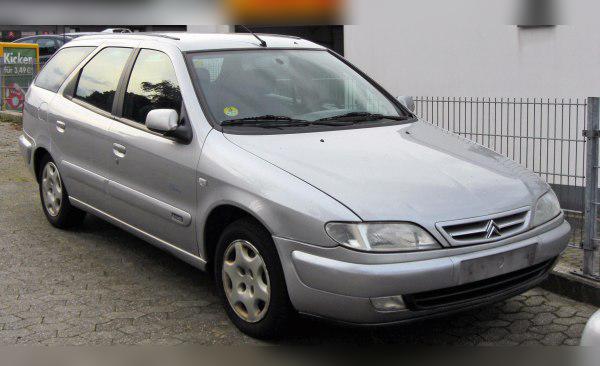
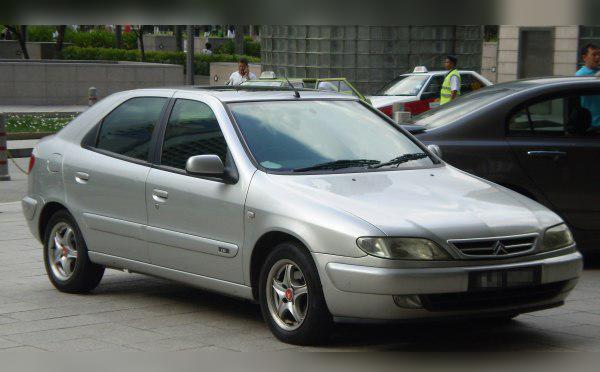
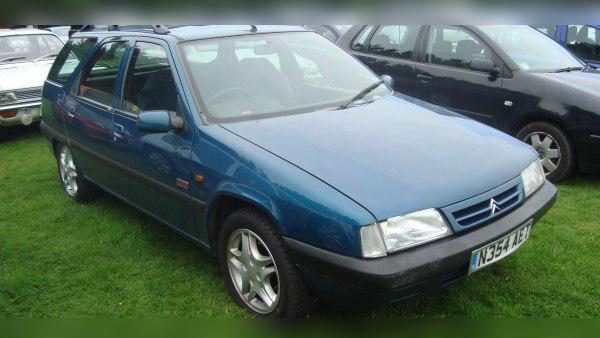
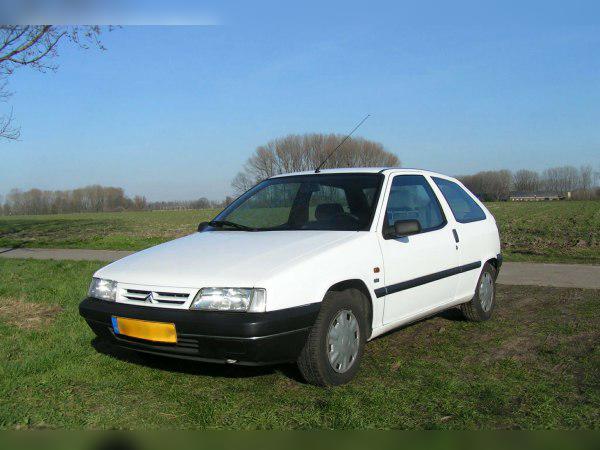
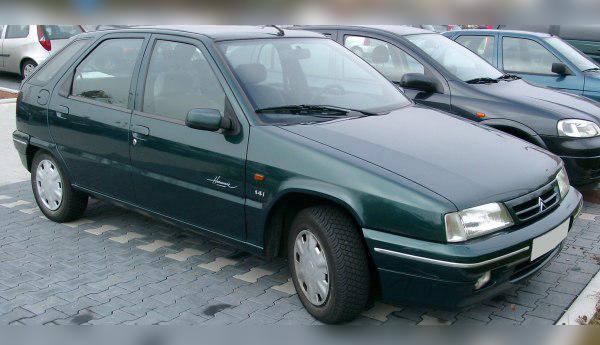
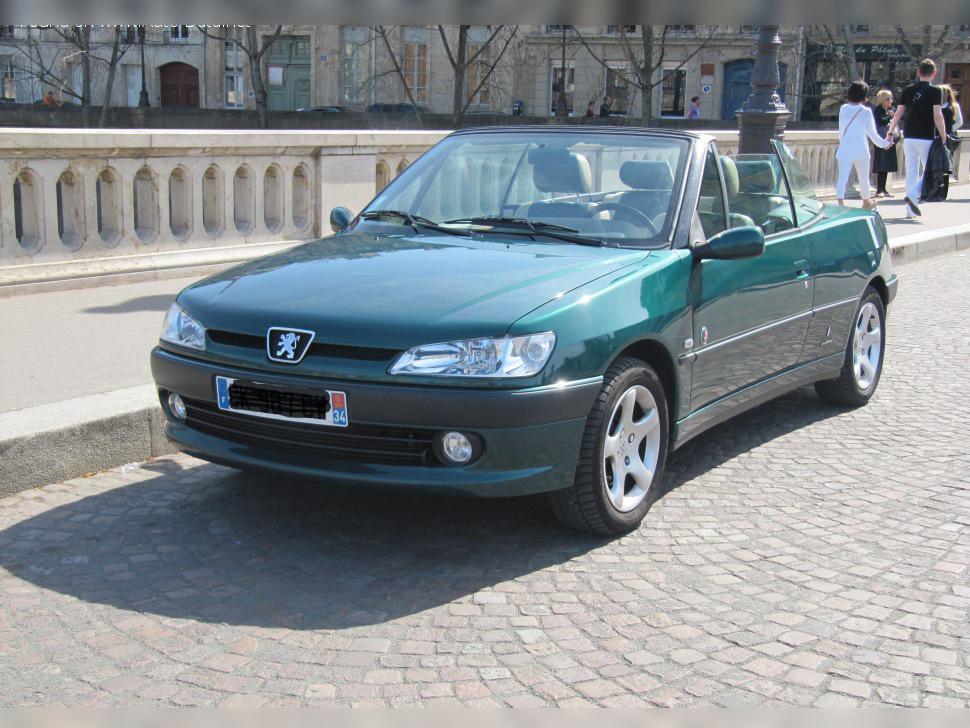
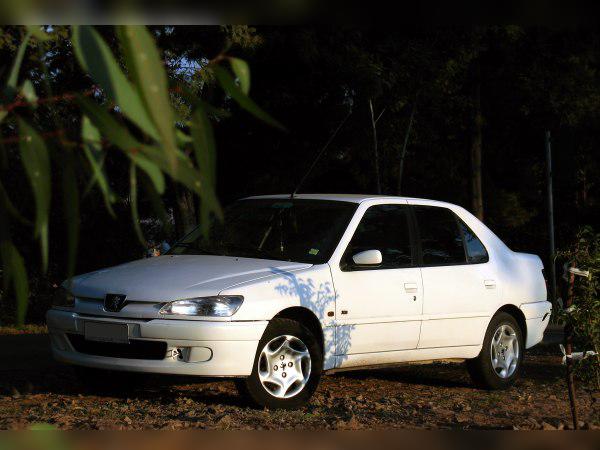
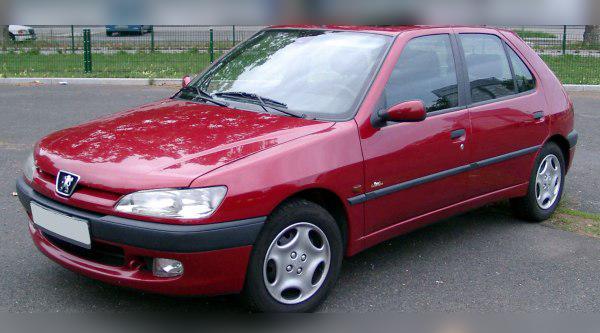
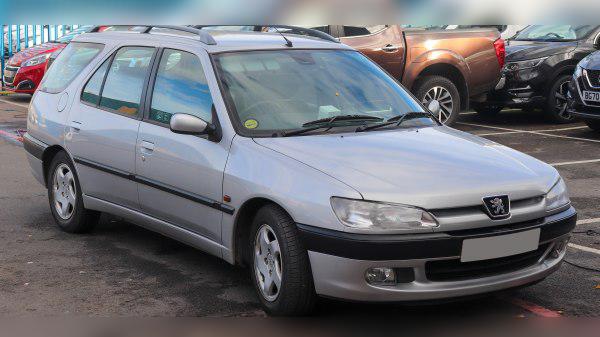
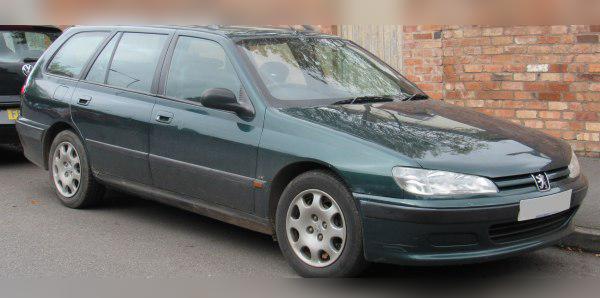
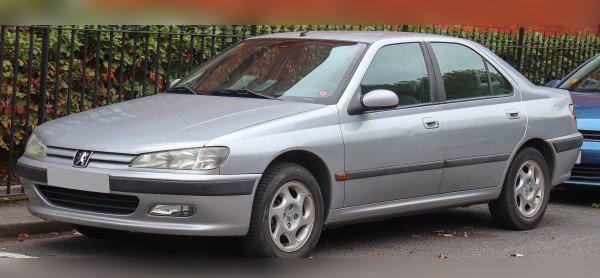
The engine designated LFY XU7JP4 represents one of the highlights of the PSA (Peugeot–Citroën) group from the second half of the 1990s. It is a classic naturally aspirated 1.8-litre petrol engine with 16 valves, delivering a dependable 110 hp. It was installed in a wide range of vehicles, from lighter and more agile models such as the Citroën ZX, Xsara and Peugeot 306, all the way to heavy D‑segment saloons – the Peugeot 406 and the hydropneumatic Citroën Xantia.
This powerplant is popular among both drivers and mechanics because it comes from a time before strict emission standards complicated modern engines. Thanks to its simple design, it guarantees affordable maintenance, and its “old-school” character ensures a long service life – provided that regular servicing is not neglected.
Technical specifications
| Specification | Data |
|---|---|
| Engine code | LFY (XU7JP4) |
| Engine displacement | 1761 cc |
| Power output | 81 kW (110 hp) at 5500 rpm |
| Torque | 155 Nm at 4250 rpm |
| Fuel type | Petrol (Gasoline) |
| Injection system | Indirect injection (MPI – Multi Point Injection) |
| Aspiration | Naturally aspirated |
Reliability, failures and maintenance
Maintaining a car with this engine does not require a deep pocket, but it does require discipline. The engine uses a conventional timing belt (no chain), and the recommended interval for the major service (replacement of timing belt, tensioner, idler pulleys and water pump) is usually around 80,000 to 90,000 km, or every 5 years. If the belt is not replaced in time and snaps, the valves will hit the pistons, which means catastrophic engine damage and an expensive cylinder head repair.
Oil and regular servicing
The sump of this engine holds about 4.25 litres of engine oil (including the filter). The most commonly recommended grade from the manufacturer is semi-synthetic 10W‑40, although 5W‑40 can be used in colder climates. What is specific to the XU series of engines is their oil consumption between services. As the materials age, the so‑called valve stem seals lose their elasticity, and the engine starts to “sip” oil. Consumption of 0.3 to 0.5 litres per 1000 km is often considered “normal” on older examples and is tolerated, although any higher loss suggests that it is time to replace the valve stem seals or piston rings, especially if you notice bluish smoke from the exhaust.
Most common problems and symptoms
The XU7JP4 rarely suffers from serious mechanical failures, but it does have a few recognisable quirks:
- Idle control stepper motor: This is probably the most common issue. The driver will notice that the revs at idle (for example at traffic lights) suddenly drop, the engine stalls on its own, or the revs fluctuate wildly up and down. Cleaning the throttle body and replacing the stepper motor solves the problem (not expensive, depends on the market).
- Ignition coil (ignition module): Early models used coils made by Sagem, which were prone to failure, especially due to high temperatures (the valve cover is close by). Symptoms include jerking while driving, running on three cylinders and sudden loss of power. Replacing the coil solves the issue, and newer and aftermarket coils (e.g. Bougicord or Valeo) are significantly more durable.
- Oil leaks: The valve cover gasket and camshaft oil seals tend to harden and start leaking over time. The engine can become quite oily on the top and sides. Fortunately, the gaskets are very cheap and quick to replace.
- Spark plugs: As this is a petrol engine, spark plugs must be replaced regularly. The recommendation is to replace a set of quality plugs (e.g. NGK, Bosch, Eyquem) every 40,000 to 60,000 km to keep the coil and ignition system healthy.
Specific parts and costs
If you are looking for a modern car with complex and expensive components, you are in the wrong place – and that is actually this engine’s biggest advantage. This engine does NOT have a dual-mass flywheel. It uses a conventional solid flywheel, which means that replacing the clutch kit is mechanically simple and financially very affordable (not expensive, depends on the market).
Injection system: This is a classic multi‑point (MPI) indirect fuel injection system. The petrol injectors on this engine are extremely robust. They very rarely fail, and if they do become clogged (most often on cars that run on LPG and rarely use petrol), ultrasonic cleaning restores them to near‑factory condition in 90% of cases.
Modern emission components? None. The 1.8 16V badge clearly indicates that this is a naturally aspirated engine. So there is no turbocharger whose overhaul costs hundreds of euros. As an old‑school petrol engine, it has no DPF filter and no AdBlue system. Some later models (towards the end of production) may have a basic exhaust gas recirculation system similar to EGR, but it does not cause anything like the clogging problems we see on modern diesels.
Fuel consumption, performance and driving characteristics
The performance of this engine depends heavily on the “shell” it is installed in. In models such as the Peugeot 306, Citroën Xsara or ZX, the 110 hp engine offers excellent performance, very lively acceleration and genuinely enjoyable driving. However, when this powerplant sits under the bonnet of a Peugeot 406 or Citroën Xantia, it delivers adequate but not sporty performance. Due to the higher weight of these cars, the engine feels somewhat “lazy” at low revs and needs to be revved above 3,500 rpm to overtake safely.
Real-world consumption and motorway driving
Fuel consumption is something you must be prepared for. In pure city driving, with constant stop‑and‑go traffic, this engine realistically uses between 10 and 12 l/100 km, depending on vehicle weight and driving style. On open roads at about 80–90 km/h, consumption drops to a very reasonable 6.5 to 7 l/100 km.
Its behaviour on the motorway reveals a typical 1990s compromise. The manual gearbox ratios are quite short. At a cruising speed of 130 km/h in fifth gear, the engine spins at a high 3,700 to 4,000 rpm. This has two consequences: increased cabin noise and higher fuel consumption on the motorway (usually around 8 to 8.5 l/100 km).
LPG and chiptuning
LPG conversion: This is probably one of the most suitable engines on the European market for fitting a sequential LPG system. Thanks to the simple MPI injection, there are none of the complications associated with direct‑injection engines. Systems are relatively cheap to install, and the engine does not suffer from valve overheating or require additional valve lubrication. Given the slightly higher urban petrol consumption, the investment in LPG pays off very quickly.
Chiptuning: If you are planning a “Stage 1” remap on this engine – don’t waste your money. Since this is a naturally aspirated engine, optimising the maps can yield at most an extra 5 to 8 hp and a slightly better throttle response. For a noticeable increase in power, you would need expensive hardware modifications (performance camshafts, a freer‑flowing exhaust), which simply do not make financial sense for a daily‑driven car.
Transmissions: Manual vs Automatic
To transfer power to the front wheels, the PSA group used two options, with completely different real‑world results.
Manual gearbox (BE3 / BE4)
The five‑speed manual gearboxes from the BE series are legendarily durable. Failures inside the gearbox itself are extremely rare. What drivers often criticise is the long and sometimes imprecise gear lever throw (a familiar feeling in older French cars). At very high mileages (over 300,000 km), the synchros can wear, making it harder to engage first or third gear. Regular servicing of the manual gearbox is not strictly prescribed, but good mechanics usually check the oil level at every major service, and a full gearbox oil change is done at around 100,000 km. Clutch replacement is cheap because a simple (solid) flywheel is used.
Automatic gearbox (AL4)
If you come across a version with an automatic, you are dealing with the notorious AL4 four‑speed gearbox. This is the Achilles’ heel of many French cars from that period. The gearbox is adaptive, but its hydraulic block and electrovalves (solenoids) are extremely sensitive. Symptoms of failure include jerking during gear changes, getting stuck in third gear (safe mode) and warning lights on the dashboard. The gearbox is very sensitive to overheating and old oil. To last, it requires ATF oil changes every 40,000 to 60,000 km. Because the cost of repairing the automatic (very expensive, depends on the market) is high compared to the current value of the whole car, the manual gearbox is by far the safer recommendation when buying.
Buying used and conclusion
When buying a car that is more than two decades old with the XU7JP4 engine, it is crucial to check the basic mechanics.
- Listen to the engine at idle: When warm, the rev counter needle should sit steadily below 1,000 rpm. If it fluctuates, expect work on the throttle body or ignition coil.
- Look for blue smoke: After the car has idled for a minute or two, blip the throttle sharply. If a puff of blue smoke comes out of the exhaust, the engine is burning oil (the valve stem seals are worn).
- Check for oil traces: Open the bonnet and inspect the timing belt (if the cover allows) and the engine block below the valve cover. Oily traces are a sign that immediate attention is needed.
- Listen to the clutch: On manuals, a heavy clutch pedal indicates that the clutch kit is nearing the end of its life. Thanks to the low price of the parts, this is an excellent bargaining point rather than a reason to walk away.
Who is this engine for?
The LFY XU7JP4 (1.8 16V) engine is a fantastic choice for drivers who want a comfortable, mechanically simple and reliable car and who are considering LPG conversion. If slightly higher fuel consumption is not an issue for you, and you want to avoid the potentially astronomical costs that come with modern diesels (injectors, turbos, DPF), this golden French petrol engine will provide you with hundreds of thousands of kilometres of comfortable and worry‑free driving. Its design is “old school” and, with a bit of care for oil and coolant levels, it will stubbornly refuse to quit.