Peugeot / Citroen LFZ XU7JP (1.8 101 hp) – Experiences, issues, fuel consumption and buying used
Key points (TL;DR)
- Workhorse: An old naturally aspirated petrol engine with simple and proven PSA design, known for its longevity.
- Maintenance: Extremely cheap to maintain because it has no complex components (dual-mass flywheel, turbo, DPF).
- Timing belt: The drive is via a classic timing belt, and the major service is affordable.
- LPG conversion: The engine handles LPG systems exceptionally well, which is a lifesaver for the household budget due to higher city fuel consumption.
- Failures: The most common issues are minor – fluctuating idle (idle stepper motor), ignition coils and oil leaks on gaskets.
- Gearbox: Manual gearboxes are reliable but “rubbery” in feel, while old automatic gearboxes can be a risky purchase due to age.
Contents
- Introduction: About the LFZ XU7JP engine
- Technical specifications
- Reliability and maintenance
- Specific parts and costs
- Fuel consumption and performance
- Additional options and modifications
- Gearbox and drivetrain
- Buying used and conclusion
Introduction: About the LFZ XU7JP engine
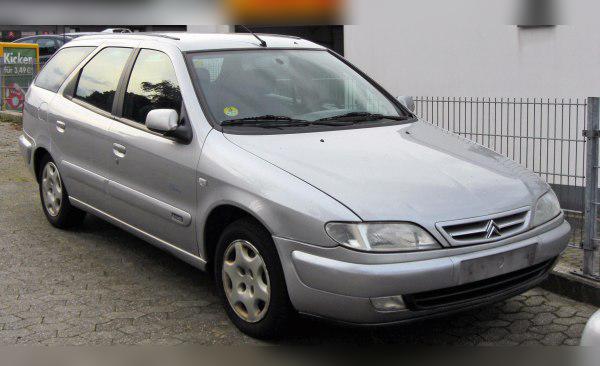
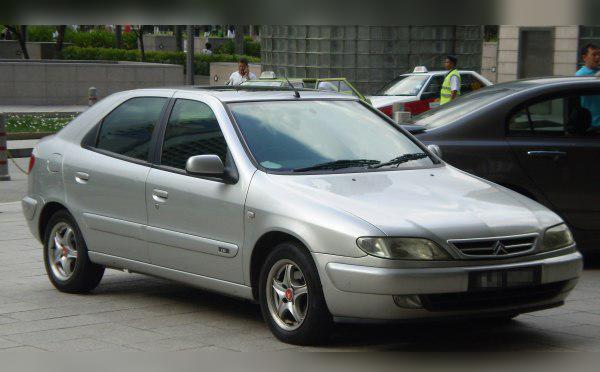
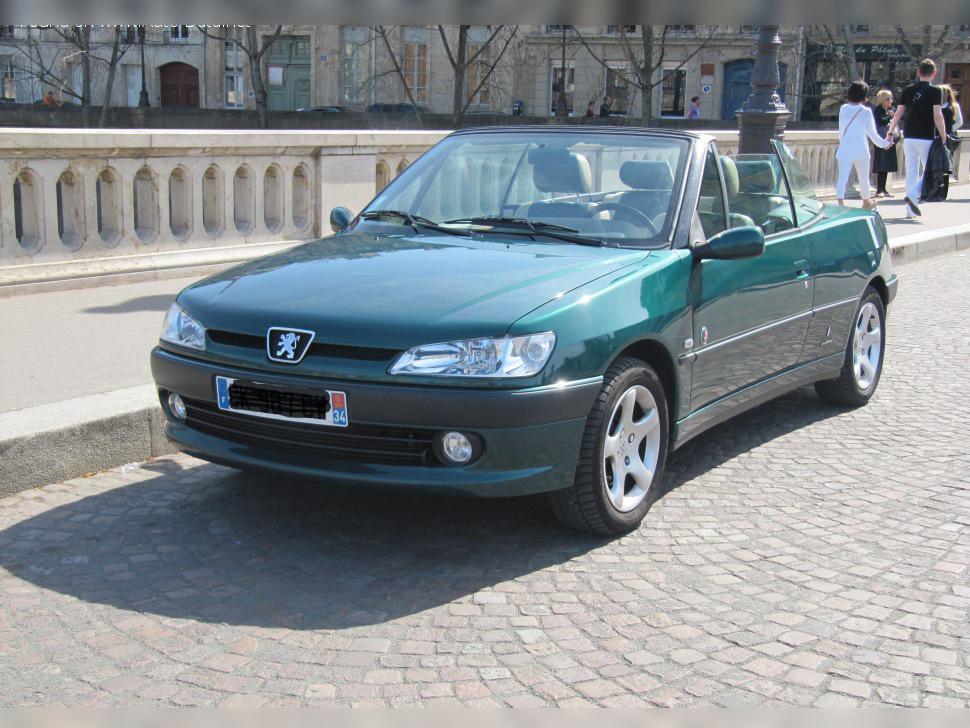
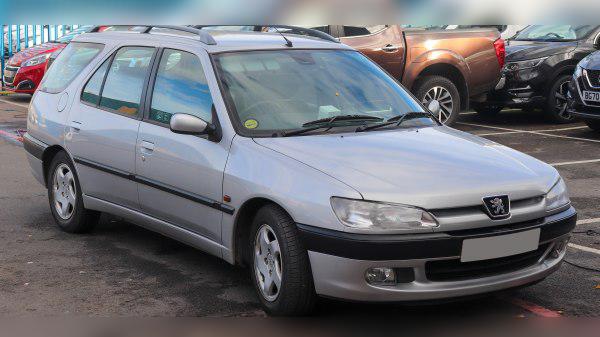
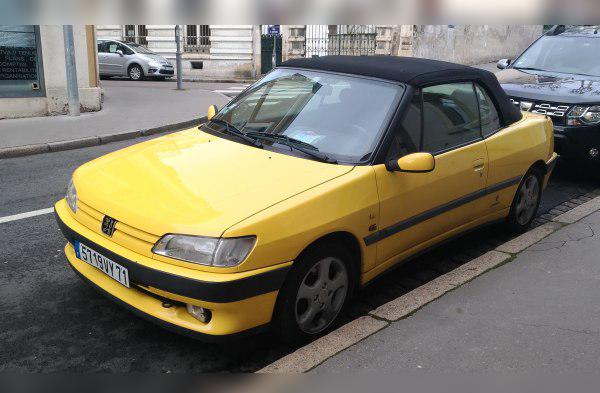
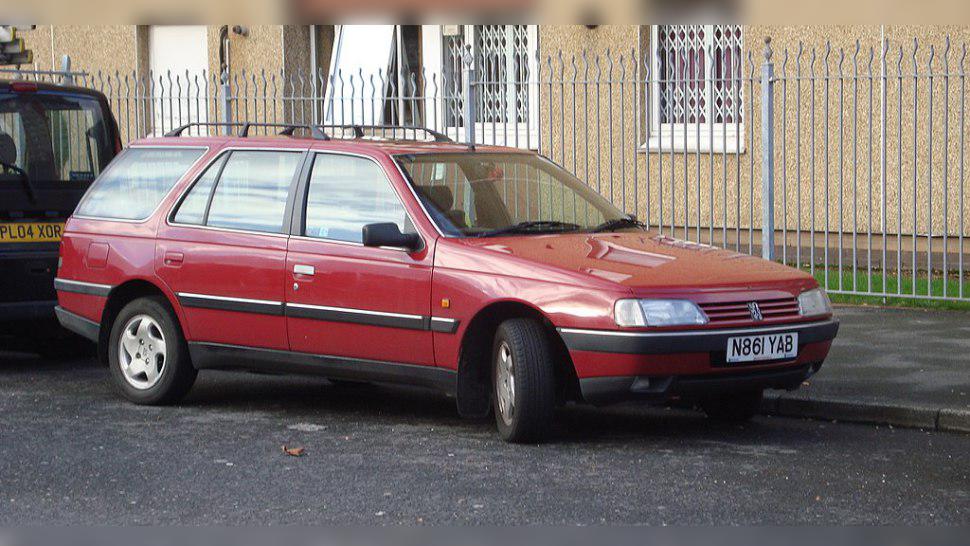
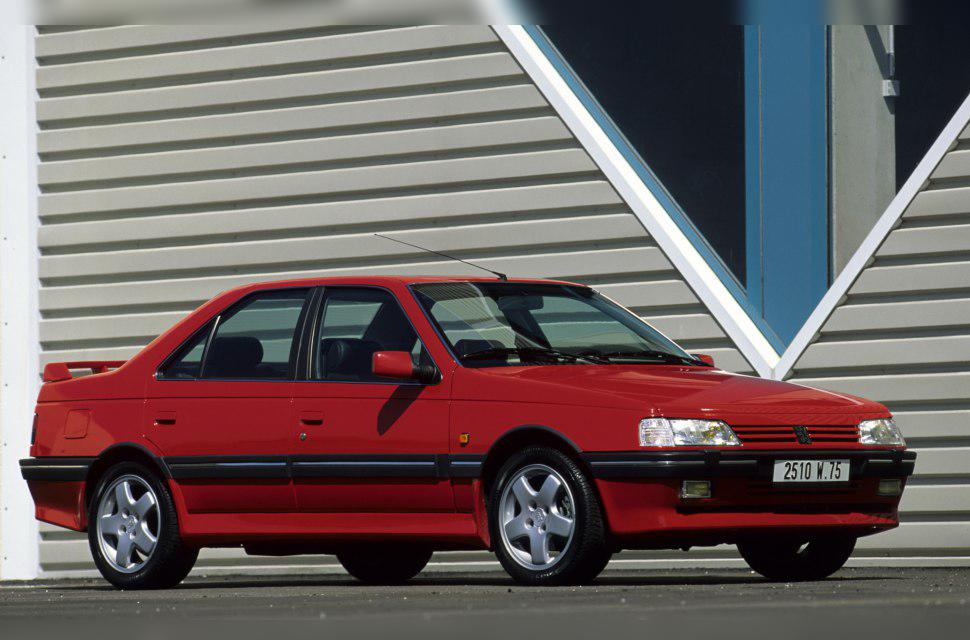
The engine designated LFZ XU7JP is one of the classic units from the famous PSA (Peugeot/Citroën) XU series of petrol engines. Developed in an era when engines were built to last long with minimal maintenance, this 1.8‑liter 8‑valve naturally aspirated unit with 101 hp marked the 1990s and the early 2000s. It was installed in legendary models such as the Peugeot 306, Peugeot 405 and the first generation of the Citroën Xsara.
This engine was not made for racing and breaking speed records, but as a reliable daily powerplant that tolerates a lot of neglect and offers comfortable, quiet driving. Thanks to its simple architecture, it has remained a favorite among mechanics and owners who want a cheap and spacious older‑generation car.
Technical specifications
| Specification | Value |
|---|---|
| Engine displacement | 1762 cc (1.8 L) |
| Power | 74 kW (101 hp) |
| Torque | 153 Nm |
| Engine code | LFZ (XU7JP series) |
| Injection type | Multi-point injection (MPI) |
| Aspiration | Naturally aspirated |
Reliability and maintenance
Timing system: belt or chain?
This engine uses a classic timing belt to drive the camshaft. There is no expensive chain that stretches, nor complex variable valve timing mechanisms. Timing belt replacement is straightforward, and the complete kit (belt, rollers, tensioners and water pump) falls into the affordable parts category. The major service is not expensive (depends on the market).
Major service
The recommended interval for the major service (timing belt replacement) is every 80,000 to 90,000 km or at most every 5 years, whichever comes first. Skipping this service can lead to belt failure and valve damage, so make sure to check its condition immediately after buying a used car.
Oil and regular servicing
The engine takes about 4.2 to 4.5 liters of oil (depending on the size of the fitted filter). Due to its simple design and larger tolerances, a semi‑synthetic oil of 10W‑40 grade is recommended, which is fully adequate to protect the engine at all temperatures. Do the minor service every 10,000 to 15,000 km or once a year.
Oil consumption
Like most older PSA engines from the XU family, the LFZ tends to “sip” oil between services. Consumption of 0.3 to 0.5 liters per 1,000 km is considered normal for engines of this age. The main cause is usually worn valve stem seals, and sometimes a dried‑out valve cover gasket from which the engine literally “weeps” oil down the block.
Spark plugs and ignition
Since this is a petrol engine, regular checks of the ignition system are essential. Spark plugs are typically replaced every 30,000 to 40,000 km. If the vehicle is converted to LPG, it is recommended to replace them at 20,000 km. Problems with worn ignition coils or high‑tension leads (depending on model year and specific ignition system) are common, resulting in jerking when you press the accelerator and rough idling.
Most common failures and symptoms
The mechanical side is extremely robust, but after more than 20 years the surrounding peripherals start to fail:
- Idle stepper motor: The engine speed fluctuates at idle, or the car may even stall when you press the clutch at a traffic light. Cleaning the throttle body and replacing the idle stepper motor solves the problem for good and is not expensive (depends on the market).
- Valve cover and oil pan gaskets: They often leak oil due to hardened rubber. The symptom is a visibly dirty engine and the smell of burnt oil dripping onto the exhaust manifold.
- Crankshaft position sensor: When it fails, the car can crank endlessly and refuse to start when the engine is hot.
Specific parts and costs
One of the biggest advantages of this old French engine is precisely that it does not have expensive components that are the weak point of modern vehicles.
Clutch and flywheel
The engine does not have a dual‑mass flywheel. Power is transmitted via a standard solid flywheel. A clutch kit (pressure plate, disc, release bearing) is very affordable, so even an occasional replacement on poorly driven examples will not be a serious hit to the budget.
Fuel injection system and emissions
The system is a classic multi‑point injection (Bosch or Magneti Marelli, depending on the variant). Petrol injectors are very reliable. If they get dirty over time (usually from fuel sitting in the rail when driving on LPG), this shows up as misfiring and poorer throttle response. Cleaning them in an ultrasonic bath usually restores them to factory condition. It is not expensive (depends on the market).
Since this is an older‑design petrol engine, it has no turbocharger (neither one nor two), no DPF filter, and no notorious AdBlue system that regularly causes trouble on diesels. On the very early variants there is no EGR valve at all, while on those built to meet higher Euro standards it is very simple and rarely clogs to the point of stopping the car.
Fuel consumption and performance
Real‑world city fuel consumption
This is where the XU7JP shows its age. In city driving, real‑world fuel consumption rarely drops below 10 to 11 l/100 km. If the engine is paired with an old automatic gearbox, that figure in stop‑and‑go traffic easily climbs to 12 or even 13 l/100 km.
Power‑to‑weight ratio
With 101 hp and 153 Nm of torque, in lighter models such as the Peugeot 306 or Xsara Coupé the engine feels quite lively and pleasant to drive. However, if it ends up in heavy estates (Xsara Break, 405 Break) loaded with a full cabin and boot, the engine becomes somewhat “sluggish” on climbs, requiring a downshift and a fully depressed accelerator pedal.
Motorway driving
Manual gearboxes from the PSA group of that era are known for somewhat shorter gear ratios. On the motorway at 130 km/h in fifth gear, the engine usually spins at a high 3,700 to 4,000 rpm (varies slightly depending on gearbox type). This means higher fuel consumption, but more importantly for comfort – cabin noise becomes quite noticeable.
Additional options and modifications
LPG
This engine is an absolutely perfect candidate for a sequential LPG system. The intake manifold and valve materials handle running on gas very well, without the risk of rapid valve seat overheating. Given the high city fuel consumption, driving on LPG pays off many times over, and installing an LPG system for MPI engines is not expensive (depends on the market).
Chip tuning (Stage 1)
Since this is a classic naturally aspirated engine (without a turbo), so‑called “chip tuning” (Stage 1 software remap) is completely pointless. At best, by optimizing ignition you might gain 3 to 5 hp and a slightly better throttle response. In practice this is barely noticeable, so it is advisable to invest that money in a full major service instead.
Gearbox and drivetrain
Depending on the model (Xsara, 306, 405), the LFZ engine was most often paired with a 5‑speed manual gearbox or a 4‑speed classic torque‑converter automatic gearbox (often from the AL4 series on newer facelift models, or older ZF units on early 405s).
Manual gearbox issues
The manual gearbox (usually of the BE type) is mechanically long‑lasting. Its biggest drawback is the infamous “rubbery” gear lever feel and long throw. The gearbox itself is not to blame, but the external selector linkages (the so‑called “bones”) which develop play. Replacing the linkages restores precision. At very high mileages the synchros in 2nd or 3rd gear usually wear out, which shows up as crunching during more aggressive shifting.
Automatic gearbox issues
The old 4‑speed automatic (AL4 and derivatives) requires caution. Failure symptoms include jerking when shifting from P to D, refusal to change gears (the car stays stuck in 3rd “safe mode” gear) and harsh jolts when decelerating. The most common failures are solenoids in the valve body and the clutch packs inside the gearbox. Overhauling such an automatic can be very expensive compared to the purchase price of the entire vehicle (depends on the market).
Gearbox oil
For the manual gearbox, an oil change is recommended every around 60,000 km. It takes about 2 liters of transmission oil (usually 75W‑80 grade). For automatic gearboxes, manufacturers often promoted “lifetime oil” (sealed for life), which is a big misconception – the oil should be refreshed every 40,000 to 60,000 km. Given the age of these models, if you find an automatic where the oil has never been changed, there is a high chance the gearbox is on its last legs.
Buying used and conclusion
What to check when buying?
- Cold idle: The car should start “on half a turn” and quickly stabilize the revs without jerking. Any misfiring is a sign of issues with the ignition, idle stepper motor or dirty injectors (especially if it has been driven mostly on LPG without enough petrol use).
- Fluid leaks: Take a look around the cylinder head, oil pan gasket, as well as around the thermostat housing and radiator. These engines have plastic coolant junctions that become brittle over the years.
- Blue smoke from the exhaust: Do a simple test – leave the car idling for a few minutes, then floor the accelerator. If it emits a puff of blue smoke, the valve stem seals need replacing and the engine is burning more oil.
Final conclusion
The PSA 1.8 101 hp (LFZ XU7JP) engine is intended for buyers on a limited budget who are not looking for any sporting ambitions, but for a simple, repairable and robust powerplant. Due to its high city petrol consumption, a strong recommendation is to buy a car that already has, or to retrofit, a quality LPG system. If you find a well‑maintained example in a model such as the Peugeot 306 or Citroën Xsara with a manual gearbox, you will get reliable mechanics that will serve you faithfully for years with laughably low maintenance costs. Avoid old automatic gearboxes unless you have verified service history with documented oil changes.