Engine 1.6 NFZ TU5JP (88 hp): Experiences, problems, fuel consumption and buying used
1. Key points in short (TL;DR)
- Old-school mechanics: Extremely durable, naturally aspirated petrol engine without complicated systems.
- Cheap maintenance: No dual-mass flywheel, no turbocharger, parts are easy to find and affordable.
- Fuel consumption as a downside: Can be quite “thirsty” in city driving conditions.
- Ideal for LPG: Works perfectly with LPG systems, which drastically reduces running costs.
- Be careful with automatics: Versions with the 4-speed AL4 automatic gearbox require caution, they are prone to failures.
- Minor issues: Oil leaks from the valve cover gasket and a dirty idle stepper motor are the most common, but easily solvable problems.
2. Contents
- Introduction
- Technical specifications
- Reliability and maintenance
- Specific parts (costs)
- Fuel consumption and performance
- Additional options and modifications
- Gearbox
- Buying used and conclusion
3. Introduction
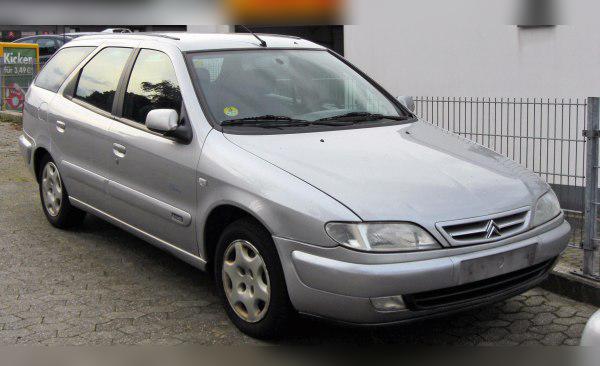
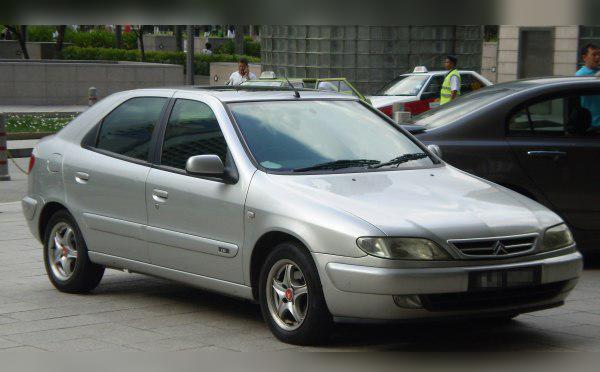
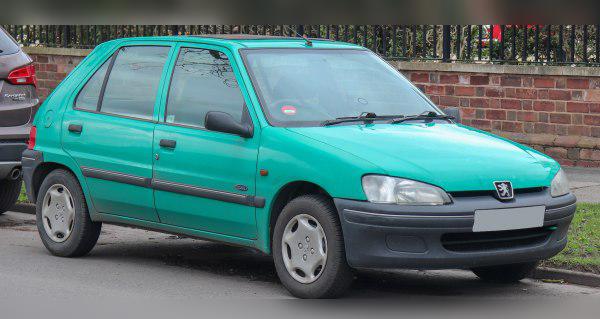
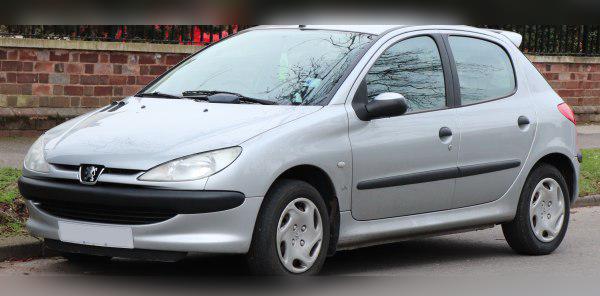
The engine with the code NFZ, better known within the PSA group as part of the legendary TU5JP series, is a true example of late‑90s and early‑2000s engineering. It is a simple, robust and fairly lively engine that powered a wide range of vehicles, from light city runabouts like the Peugeot 106 and 206, to much heavier family estates and saloons such as the Citroën Xsara and Peugeot 306. Its design is focused on longevity and, although it doesn’t offer the technological wonders of modern powerplants, it lets drivers sleep peacefully when it comes to visits to the mechanic.
4. Technical specifications
| Specification | Value |
|---|---|
| Displacement | 1587 cc |
| Power | 65 kW (88 hp) |
| Torque | 135 Nm |
| Engine code | NFZ (TU5JP) |
| Injection type | Multipoint fuel injection (MPI) |
| Induction | Naturally aspirated |
5. Reliability and maintenance
Timing system and service intervals
This engine uses a timing belt rather than a chain to drive the camshaft. Given the simple 8‑valve design (single camshaft), the major service is neither complicated nor expensive. It is recommended to do the major service every 80,000 to 90,000 km or every 5 years (whichever comes first). Ignoring this interval can lead to belt failure and serious engine damage (bent valves).
Typical failures and symptoms
Although considered “indestructible”, the TU5JP engine has a few characteristic issues that appear with age and mileage. The best‑known problem is oil leakage from the valve cover gasket. The symptom is an oily engine block and an occasional smell of burnt oil in the cabin. Fortunately, replacement is quick and cheap.
Another common issue concerns the ignition system, specifically the coil pack (ignition module). When the coil starts to fail, the engine runs rough, misfires, loses power and often runs on three instead of four cylinders. Also, the idle stepper motor (idle speed regulator) tends to get dirty. The driver will notice this as fluctuating idle speed – the needle jumps up and down, and sometimes the engine stalls when stopping at traffic lights. Cleaning or replacing the stepper motor permanently solves the problem.
Lubrication and spark plugs
The oil sump of this engine holds about 3.2 to 3.5 litres of oil. Due to the older design, semi‑synthetic oil of 10W‑40 grade is most commonly recommended, although 5W‑40 can be used in colder climates. Oil consumption between services is present, especially on high‑mileage examples. The usual cause is hardened valve stem seals. It is considered normal for this engine to consume 0.2 to 0.5 litres of oil per 1,000 km on older units. As for ignition, since this is a classic petrol engine, spark plugs should be replaced every 30,000 to 40,000 km (standard copper plugs) to protect the coil pack and ensure optimal combustion.
6. Specific parts (costs)
The nicest aspect of models with the NFZ engine is the absence of expensive and complex components. The engine does not have a dual‑mass flywheel, but uses a conventional solid flywheel that practically never needs replacement. The injection system is a classic multipoint (MPI). The injectors are extremely robust and rarely fail; if running deteriorates, ultrasonic cleaning is usually sufficient and not expensive (depends on the market).
Also, this is a purely naturally aspirated engine, which means it does not have a turbocharger, intercooler or complex pressurised piping. As an older petrol engine, it has no DPF filter, no AdBlue system and no sensitive EGR valve like those found on modern diesels. All this makes it incredibly cheap to maintain in the long term.
7. Fuel consumption and performance
City driving and fuel consumption
The reality is that 1990s technology takes its toll at the fuel pump. In city stop‑and‑go driving, the NFZ engine regularly consumes between 9 and 11 l/100 km, depending on vehicle weight and how heavy your right foot is. Versions with an automatic gearbox often use more than 11 litres in town.
Driving dynamics and motorway
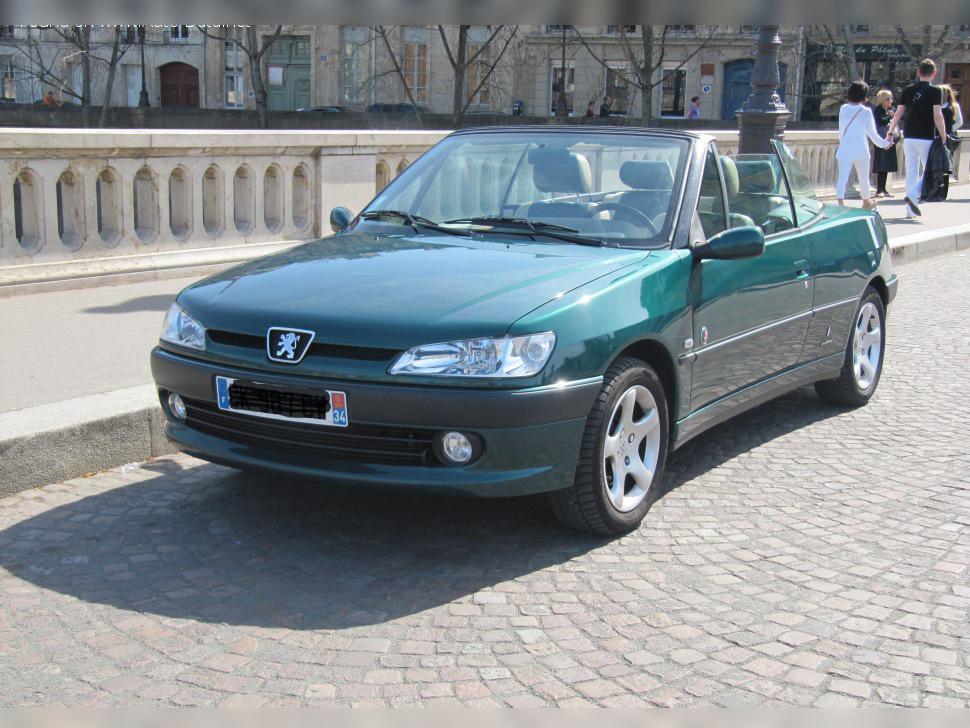
Is the engine “lazy”? That depends entirely on the body it’s installed in. In light models such as the Peugeot 106 or 206, with 88 hp and 135 Nm the engine is very lively and offers excellent performance. However, in heavier models like the Citroën Xsara Break (estate) or Peugeot 306 Cabrio, the engine needs higher revs to get the job done and can feel sluggish on climbs and during overtaking.
On the motorway, the five‑speed manual gearbox has fairly short ratios. At 130 km/h, the tachometer is often close to 4,000 rpm. Because of this, the engine becomes noisy in the cabin and motorway fuel consumption rises to around 7.5 to 8 l/100 km.
8. Additional options and modifications
LPG conversion
This is one of the brightest points of the TU5JP engine. It is an absolutely perfect candidate for a sequential LPG system. It does not have direct injection, the intake manifold is suitable, and the valves do not easily suffer from the higher gas temperatures. Installing LPG drastically solves the issue of higher city fuel consumption, making driving very cost‑effective.
Chip tuning (Stage 1)
Short answer: Don’t waste your money. Since this is an older‑generation naturally aspirated engine, remapping the ECU (Stage 1) brings a gain of only about 5 to 8 hp. The difference in driving is completely imperceptible, so chiptuning this engine makes absolutely no sense.
9. Gearbox
Manual gearboxes
The most common fitment is a five‑speed manual gearbox (codes MA or BE, depending on the series). They are characterised by a long and somewhat “rubbery” gear lever travel. Common issues include wear of the gear selector linkages, which leads to imprecise shifting. Also, the bearings in the gearbox can become noisy (whining while driving) due to oil loss or irregular maintenance. The gearbox requires about 2 litres of 75W‑80 oil, and it is advisable to check/replace it every 60,000 km. Replacing the clutch kit is not expensive (depends on the market), and since there is no dual‑mass flywheel, the repair is not a major hit to the budget.
Automatic gearboxes (AL4)
Certain models (such as the Xsara and 306) came with a four‑speed automatic gearbox designated AL4. This gearbox is known for serious problems. The failures are most often caused by solenoids in the valve body that fail due to infrequent oil changes. Symptoms include strong jolts when shifting from first to second gear when cold, delayed shifting, and eventually entering “limp mode”, where the gearbox is locked in third gear. Although the manufacturer once claimed that the oil is “lifetime fill”, in practice a partial oil change in the automatic is necessary every 40,000 to 60,000 km if you want it to survive.
10. Buying used and conclusion
What to check before buying?
- Condition of coolant and oil: Check the expansion tank. If there are traces of “mayonnaise” (oil and water mixed), the head gasket has failed. This is a sign that the engine has overheated.
- Blue smoke from the exhaust: Have someone drive behind you, accelerate and then suddenly lift off the throttle. If it blows blue smoke, the valve stem seals are worn and the engine is burning oil.
- Idle quality: Start the car cold. It should idle smoothly. Any shaking or fluctuating rev counter needle points to a dirty throttle body, faulty idle stepper motor or bad coil pack.
- Automatic gearbox: If you’re buying a version with an automatic, be sure to test it completely cold. Any harsh thump when engaging “D” or when shifting from first to second gear means an imminent valve body overhaul.
Conclusion: Who is this engine for?
The 1.6 NFZ (TU5JP) engine with 88 hp is a perfect choice for drivers who want a reliable and predictable car with low maintenance costs. It is not intended for those chasing sporty performance (except in a light 106/206), nor for those who often cruise the motorway at high speeds. Its biggest drawback, higher fuel consumption, is elegantly solved by installing an LPG system. If you find a healthy example with a manual gearbox and maintain it regularly and affordably, it will serve you for a very long time.