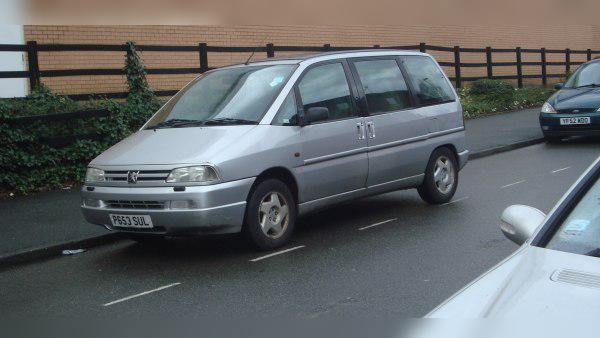
P8C XUD11BTE Engine (2.1 TD): Experiences, Problems, Fuel Consumption and Used-Car Buying Tips
In short (TL;DR)
- Old-school diesel: Extremely robust engine block mechanics, capable of covering hundreds of thousands of kilometers with regular maintenance.
- Biggest weak point: The electronic high-pressure pump (Lucas EPIC) is notoriously problematic and expensive to overhaul.
- No dual-mass flywheel: A huge advantage for maintenance costs; the clutch is conventional, solid and cheap to replace.
- Eco without headaches: The engine has no DPF filter and no complex AdBlue systems, only a simple EGR valve.
- Performance: Excellent and unstressed in saloons (Peugeot 406, Citroën Xantia), but noticeably more sluggish in heavy MPVs (806, Evasion).
- Fuel consumption: Expect around 8 to 10 l/100 km in city traffic, which is the price of older indirect-injection technology.
Contents
- Introduction: The Golden Age of PSA Diesels
- Technical Specifications
- Reliability and Maintenance
- Specific Parts and Systems
- Fuel Consumption and Performance
- Additional Options and Tuning
- Gearboxes and Drivetrain
- Buying Used and Conclusion
Introduction: The Golden Age of PSA Diesels
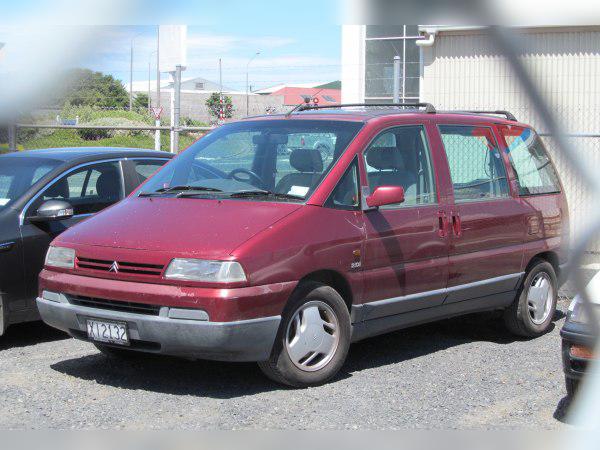
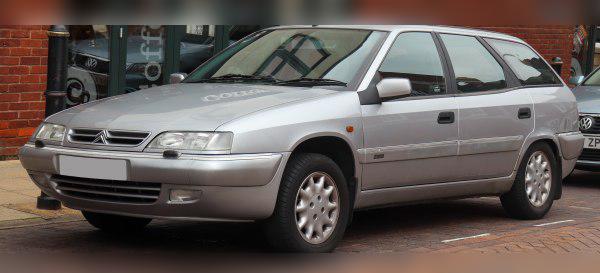
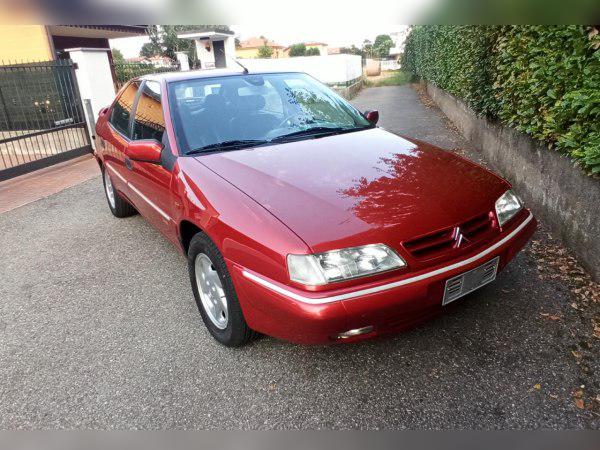
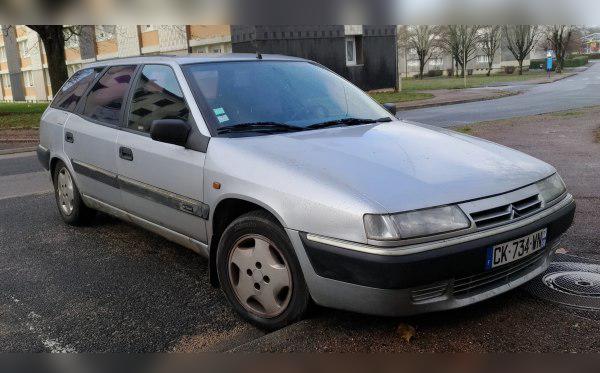
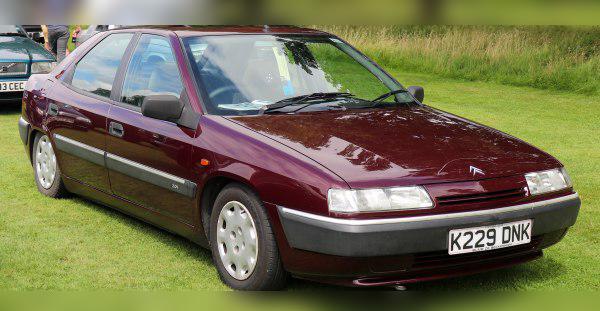
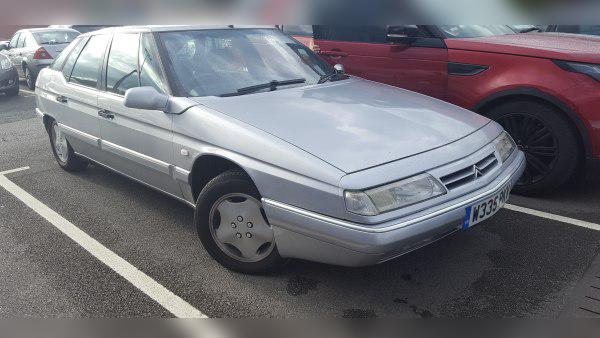
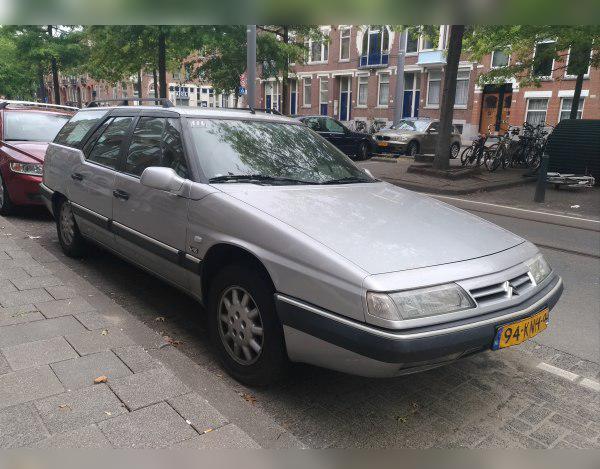
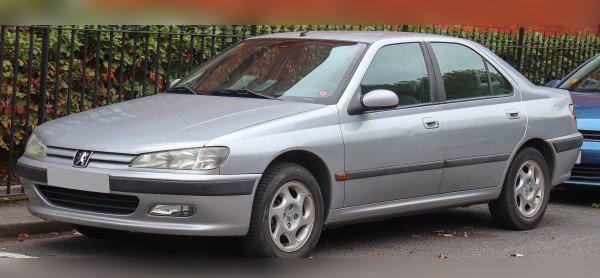
The engine designated as P8C XUD11BTE represents the very peak of PSA (Peugeot–Citroën) diesel engine evolution with indirect injection, just before HDi (Common Rail) technology took over. This 2.1‑liter turbo diesel with 12 valves (three per cylinder) offered at the time an excellent balance of power and torque. It was installed in cruisers such as the Citroën XM and Xantia, the reliable saloon Peugeot 406, as well as in spacious MPVs like the Peugeot 806 and Citroën Evasion. Although it now belongs to history, it is still appreciated among true fans of French comfort and 1990s mechanics.
Technical Specifications
| Parameter | Value |
|---|---|
| Engine code | P8C (XUD11BTE) |
| Displacement | 2088 cc |
| Power | 80 kW (109 hp) |
| Torque | 250 Nm |
| Fuel type | Diesel (Indirect injection) |
| Charging system | Turbocharger (Fixed geometry) |
Reliability and Maintenance
Timing belt and service intervals
Unlike some modern engines that use a chain, this unit relies on a classic timing belt. The timing system is quite complex due to three valves per cylinder, so the major service must not be neglected. Old-school mechanics recommend doing the major service at a maximum of 80,000 to 90,000 km, or every 5 years, whichever comes first. A snapped belt on this engine leads to serious cylinder head damage and broken rocker arms.
Oil and oil consumption
The sump of this engine holds about 4.5 to 5 liters of oil. Due to older tolerances and design, it is ideal to use semi-synthetic oil of 10W-40 grade. As for oil consumption, a completely healthy engine will not use much, but given the age, consumption of about 0.5 to 1 liter per 10,000 km is considered completely normal and is most often the result of slight leaks on the crankshaft seals or evaporation through the breather.
Injectors and injection system
Since this is an old-generation diesel with prechambers (indirect injection), the mechanical injectors are extremely durable and are not as sensitive to poorer fuel quality as modern Common Rail injectors. They often last over 300,000 km. If a problem does occur (symptoms are black smoke under acceleration or rough running), the cost is minor because only the injector nozzles are replaced, and the whole process boils down to: not expensive (depends on the market).
Specific Parts and Systems (Main Problems)
Achilles' heel: Lucas EPIC pump
This is by far the most important paragraph you need to read before buying. The injection system relies on the Lucas EPIC (Electronically Programmed Injection Control) rotary pump. This pump suffers from chronic problems with diesel leaks at the seals, failures of internal sensors and wiring issues. Symptoms of failure include uneven idling, the engine going into “safe mode” (loss of power with the check engine light coming on), difficult starting and a strong smell of unburnt diesel. Overhauling this pump is extremely complicated, few mechanics want to deal with it, and the overhaul price is: expensive (depends on the market). Many owners, out of desperation, modify the system and install a fully mechanical Bosch VE pump from older XUD engines.
Turbocharger and emissions systems
The engine has a classic fixed-geometry turbocharger (usually Garrett or KKK). This turbo is “bulletproof” and rarely causes headaches if the oil has been changed regularly. Its service life often matches the life of the entire car.
As for emissions systems, due to its production years this engine has no DPF filter and no AdBlue system, which spares the driver from modern diesel woes. However, it does have an EGR valve that recirculates exhaust gases. Over time it clogs with soot, causing sluggishness at low revs and black smoke. Cleaning or mechanically blanking off the EGR valve is a routine and inexpensive job.
Flywheel
Great news for your wallet – the XUD11BTE engine comes exclusively with a solid (conventional) flywheel. There is no dual-mass flywheel, so you avoid judder when setting off and the huge replacement costs that come with newer diesels.
Fuel Consumption and Performance
Power-to-body relationship
With 109 hp (80 kW) and 250 Nm of torque, the character of this engine depends heavily on the chassis it is installed in. In saloons such as the Peugeot 406 or Citroën Xantia, this engine is quite lively, pulls well and moves the body without any effort. However, when fitted to heavy MPVs like the Citroën Evasion or Peugeot 806 (which easily exceed two tons when loaded), the engine feels distinctly “lazy”, especially when overtaking uphill, and requires patience and dropping a gear.
Fuel consumption and motorway driving
Real-world consumption in stop‑and‑go city driving is around 8 to 10 l/100 km, depending on how heavy your right foot is and on the vehicle. On open roads and main highways, consumption can drop to a decent 6 l/100 km. On the motorway, at 130 km/h in fifth gear, the engine spins at around 2800–3000 rpm. Due to older sound insulation and the very nature of a prechamber diesel, it can be noisier in the cabin, but the engine can cruise at that speed without any signs of overheating or strain.
Additional Options and Tuning
When it comes to “chipping” (Stage 1 remap), this engine presents specific challenges. Because of the sensitive electronics on the Lucas EPIC pump, altering the injection maps can hasten its demise. Although an extra 15 or so horsepower can be extracted via software, most experienced tuners will turn you down. For proper modifications on this block, enthusiasts first fit a mechanical Bosch high-pressure pump, install larger injectors, blank off the EGR and raise turbo pressure with manual controllers, but that already goes beyond everyday use and enters the realm of a hobby.
Gearboxes and Drivetrain
Manual and automatic gearboxes
This engine was mostly paired with robust five-speed manual gearboxes (codes ME5T or ML5T) and, more rarely, four-speed automatic gearboxes (such as the ZF 4HP18).
- Manual gearbox: Extremely reliable. The most common issues appear after 300,000 km in the form of difficult engagement of second or third gear due to worn synchros, as well as problems with the selector linkage system on the suspension. Replacing the complete clutch kit (pressure plate, disc, release bearing) is: not expensive (depends on the market), mainly because there is no dual-mass flywheel.
- Automatic gearbox: Old-generation automatics are very slow and increase fuel consumption by more than 1.5 liters in city driving. The most common failures include jerking during gear changes and complete loss of drive, which is a direct consequence of ignoring oil change intervals. The valve body (hydraulic block) is the first component to fail.
Gearbox servicing
For automatic gearboxes, oil and filter changes must be done every 60,000 km. If the previous owner did not do this, it is better to avoid buying such a car. For manual gearboxes, changing the oil (75W-80 grade) is recommended every 100,000 km to preserve the synchros and ensure smooth shifting, especially in winter when the gearbox is cold.
Buying Used and Conclusion
What to check before buying?
Given that cars with this engine are more than two decades old, before buying focus on the following symptoms:
- Cold start and smoke: On the first start of the day, the engine must run smoothly on all four cylinders. A cloud of white or blue smoke that lasts longer than a few seconds indicates bad glow plugs, low compression or a problematic pump.
- Inspection of the Lucas pump: Open the bonnet and visually inspect the high-pressure pump. If it is soaked in diesel or you notice fresh wet traces and a strong smell of fuel in the engine bay, prepare your wallet for a serious overhaul.
- Cooling system: The P8C engine has an aluminium head that is sensitive to overheating. Check whether the coolant hoses become excessively hard when the engine warms up (hoses swelling) and whether there are signs of oil and coolant mixing in the expansion tank (a symptom of a blown head gasket).
- Diagnostics: Reading fault codes with the old PSA Lexia interface is mandatory. Any faults related to the rotor position sensor on the pump are a red flag.
Final verdict
The P8C XUD11BTE engine is a mechanical tank from an era when engines were built to last. With its torque it provides a wonderfully relaxed drive, and the absence of modern systems (DPF, dual-mass flywheel) makes it attractive for people on a limited budget. However, its Achilles' heel in the form of the Lucas EPIC pump demands caution. This engine is primarily intended for drivers who understand mechanics, true fans of the 1990s PSA group, or those who have a trusted and experienced diesel injection specialist on speed dial.