RFX XU10J2C Engine (2.0i 121 hp): Experiences, Problems, Fuel Consumption and Used Car Buying Tips
- Indestructible mechanics: Old-school engineering, without sensitive electronics, DPF or turbochargers.
- Belt-driven timing: Uses a classic timing belt, easy and inexpensive to replace.
- Fuel consumption: One of the few downsides – in city traffic jams it easily goes over 10 l/100 km.
- LPG: An ideal platform for installing a sequential LPG system, which drastically reduces running costs.
- Typical issues: Oil leaks from the valve cover gasket and fluctuating idle due to a dirty throttle body or worn idle stepper motor.
- Dual-mass flywheel: Does not exist. The engine has a conventional (solid) flywheel, so clutch replacement costs are minimal.
Contents
- Introduction: The Golden Age of the French Car Industry
- Technical Specifications
- Reliability, Maintenance and Failures
- Specific Parts and Costs
- Fuel Consumption and Performance
- LPG and Tuning (LPG and Modifications)
- Gearboxes: Failures and Maintenance
- Buying Used and Conclusion
Introduction: The Golden Age of the French Car Industry
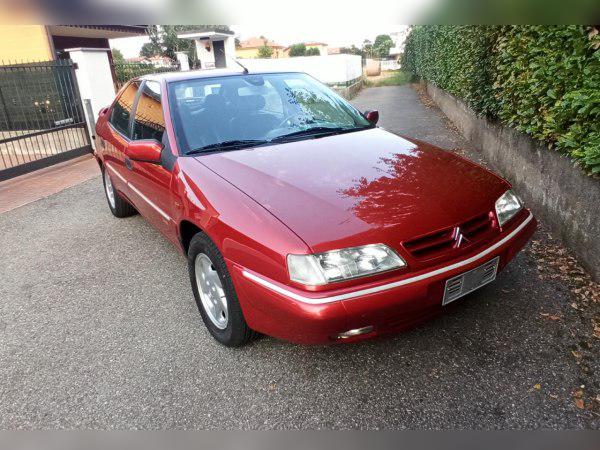
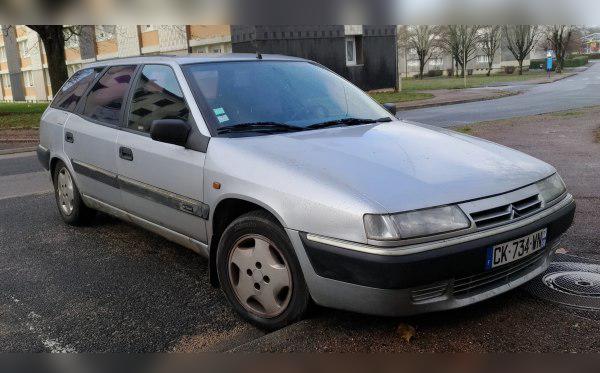
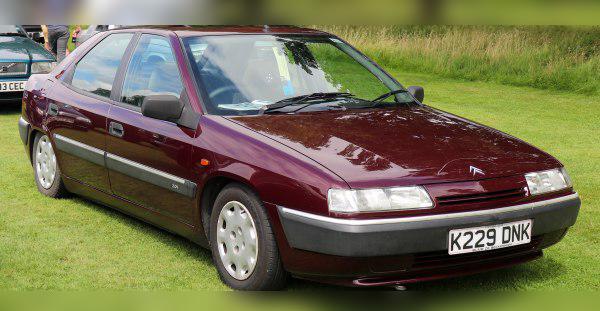
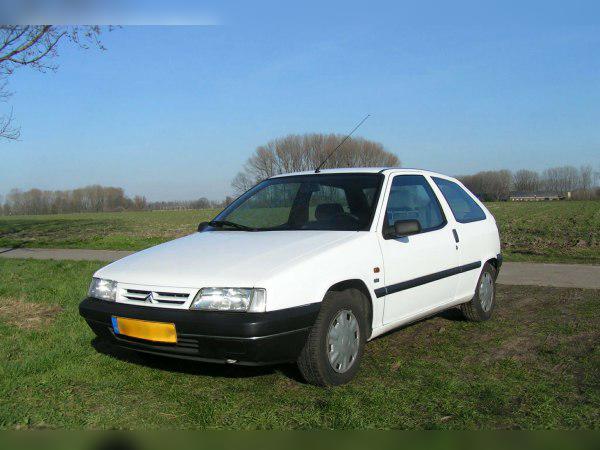
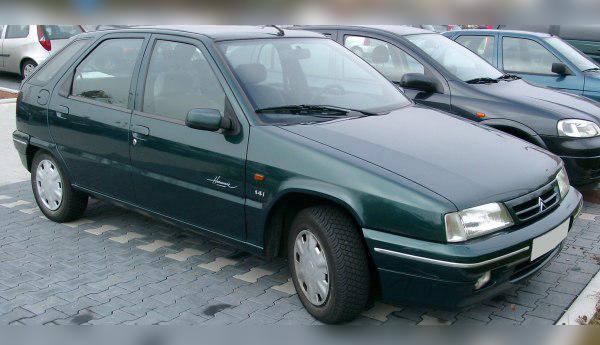
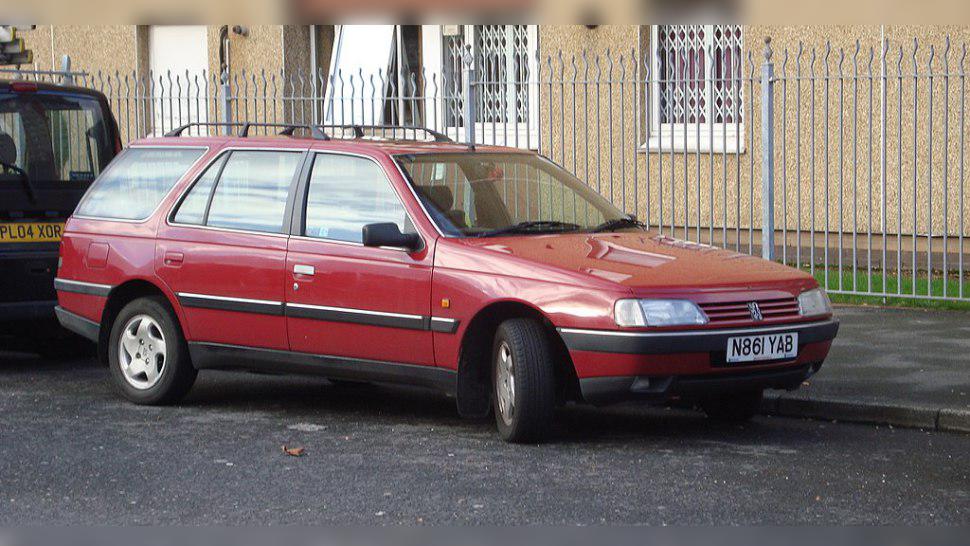
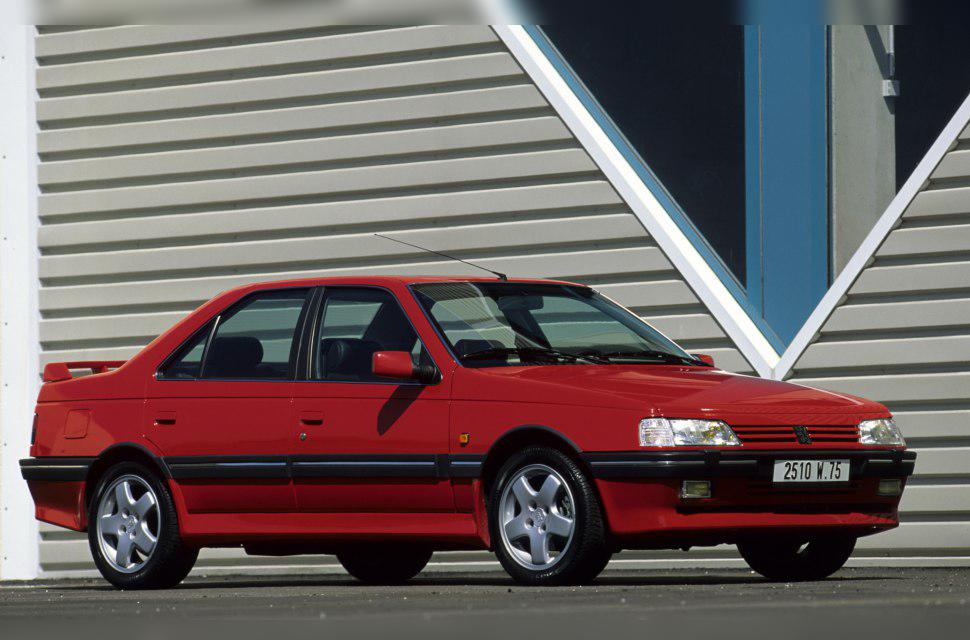
The RFX XU10J2C engine is a true classic from the 1990s. As part of the legendary PSA XU engine family, this 2.0-liter petrol unit was the “workhorse” for upper mid-range models, but also for sporty compact models of that era. It was installed in icons such as the Citroën Xantia, Peugeot 405, and even the Citroën ZX Volcane, where it also showed its sporty potential. This engine comes from a time before strict emission standards, so the focus was on durability, smooth operation and reliability, rather than fuel economy. Today, it is a paradise for enthusiasts and mechanics, as it offers easy maintenance and great longevity.
Technical Specifications
| Specification | Data |
|---|---|
| Displacement | 1998 cc |
| Power | 89 kW (121 hp) |
| Torque | 176 Nm |
| Engine code | RFX (XU10J2C) |
| Injection type | Multipoint indirect injection (MPI) |
| Aspiration | Naturally aspirated |
| Fuel | Petrol |
Reliability, Maintenance and Failures
Timing: Belt or chain?
Like most PSA engines from this period, the RFX XU10J2C uses a timing belt to drive the camshaft. The system is very simple – the engine has only eight valves (a single overhead camshaft). The major service (replacement of timing belt, tensioner, idler pulleys and water pump) is usually recommended at intervals of 80,000 to 90,000 km or every 5 years. Skipping this service can lead to belt failure and serious valve damage, although this rarely happens if maintenance is done on time. The price of parts for the major service is not high (depends on the market).
Most common failures and symptoms
This unit is mechanically extremely robust, but time has taken its toll. Typical failures are mostly related to peripheral components and aging materials:
- Oil leaks (valve cover and oil pan gaskets): Due to heat cycles, rubber seals become hard and brittle. Symptoms are an oily engine and the smell of burnt oil in the cabin when oil drips onto the exhaust manifold.
- Fluctuating idle (idle stepper motor): The engine may idle roughly or stall. The cause is soot and oil vapour deposits on the throttle body and idle actuator (stepper motor). Cleaning usually solves the problem, but sometimes replacement is necessary.
- Ignition issues (coil and leads): With age, insulation on the leads can break down and the coil can weaken. Symptoms include jerking under acceleration and loss of power (running on 3 cylinders).
- Sensors: The crankshaft position sensor and MAP sensor (manifold absolute pressure sensor) can fail, resulting in hard starting or excessive fuel consumption.
Oil and oil consumption
The engine takes about 4.5 liters of oil (with filter). Due to its 90s design and tolerances, the recommended grade is semi-synthetic 10W-40. As for oil consumption, a healthy engine uses very little. However, as valve stem seals age, the engine can start to burn oil and emit bluish smoke at first cold start in the morning or when lifting off the throttle (engine braking). Consumption of up to 0.5 liters per 1000 km is considered acceptable on these older engines, although anything above that calls for repairs (replacement of valve stem seals and piston rings).
Spark plug replacement
Since this is a classic petrol engine, spark plugs should be replaced every 30,000 to 40,000 km. Standard single- or two-electrode plugs are perfectly adequate, and good-quality plugs ensure smooth running and optimal fuel consumption.
Specific Parts and Costs
This is where the 2.0i engine really shines thanks to its simplicity.
- Dual-mass flywheel: There isn’t one! This model uses a conventional (solid) flywheel. Clutch replacement is therefore dramatically cheaper.
- Fuel injection system: Uses classic multipoint indirect injection. Petrol injectors rarely fail. If they start to “dribble” instead of atomizing fuel (symptoms are rough idle, black smoke and increased fuel consumption), an ultrasonic cleaning at a workshop is usually sufficient and very cheap.
- Turbocharger: The engine is naturally aspirated, which means no turbo, no intercooler and no complex high-pressure pipework. Fewer parts = fewer headaches.
- EGR and DPF / AdBlue: Forget the ecological problems of modern diesels. This engine has no DPF, no AdBlue system, and not even the troublesome EGR valve that clogs up and chokes the engine in city driving.
Fuel Consumption and Performance
What you save on maintenance, you will probably spend at the fuel station, because this engine does not belong to the school of frugality.
- City driving: Due to the injection technology and engine displacement, in stop-and-go conditions fuel consumption ranges from 10.5 to as much as 12.5 l/100 km, and in winter, before the engine warms up (automatic choke), it can be even higher.
- Is it “sluggish”? With 121 hp and 176 Nm of torque, the engine is not meant for racing in heavy bodies (such as the Xantia or 405 estate), but it is by no means sluggish. Torque is available from low revs thanks to the 8-valve head configuration. In a lighter model such as the Citroën ZX Volcane, this unit offers serious performance. Versions with all-wheel drive (Peugeot 405 4x4) lose some dynamism due to extra weight and drivetrain losses.
- On the motorway: At 130 km/h in fifth gear with the manual gearbox, the engine cruises at a relatively high 3500–3800 rpm (depending on gearbox ratios). Because of this, cabin sound insulation can seem poorer, as engine noise is clearly audible. On the motorway, fuel consumption drops to around 7.5 to 8.5 l/100 km.
LPG and Tuning (LPG and Modifications)
LPG installation
Is it good for LPG? Absolutely! This is one of the best engines for LPG conversion. Thanks to indirect injection and durable valves (which are not prone to burning easily), installing a sequential LPG system is straightforward. The investment in LPG pays off quickly due to the high city petrol consumption, and with a good, properly mapped system, the power loss is barely noticeable.
ECU remap (Stage 1)
Given that this is a naturally aspirated 90s petrol engine, “chipping” it is a waste of money. By changing the ECU maps you will gain at most 5 to 8 hp, which you will not feel in real driving. It is much wiser to invest that money in a major service and regularly refreshing the ignition system.
Gearboxes: Failures and Maintenance
With the RFX XU10J2C engine, cars were mostly equipped with 5-speed manual gearboxes (BE3/BE4 series) and 4-speed automatic gearboxes (often early hydraulic ZF units or early AL4 versions on later models).
Manual gearbox
They are very reliable, but after several hundred thousand kilometers the following problems appear:
- Worn synchros (2nd and 3rd gear): If the gearbox grinds when shifting, the synchros are worn. This is a common issue on cars driven mostly in the city.
- Play in the gear selector: The linkage (rods and plastic joints) wears out over time, so the gear lever develops excessive play and feels imprecise. Replacing these plastic parts is cheap and restores shift precision.
- Clutch cost: The complete kit (pressure plate, disc, release bearing) with a solid flywheel is not expensive and is a negligible cost compared to today’s diesels (depends on the market).
Automatic gearbox
Automatic gearboxes from that period have only 4 gears, are fairly “slow” and increase fuel consumption by about 1 to 1.5 l/100 km. Failures are usually caused by lack of regular maintenance. If the gearbox engages “D” or “R” with a harsh jolt, or hesitates when changing gears, the problem is most often in the valve body and dirt in the system. Overhauling such gearboxes usually exceeds the value of the entire car on today’s market.
Gearbox servicing
On manual gearboxes, the oil (75W-80 grade) should be changed every 60,000 to 80,000 km. On automatics, the situation is more critical – oil and filter must be changed every 40,000 to 60,000 km if you want to preserve the valve body and clutch packs inside the gearbox.
Buying Used and Conclusion
If you are buying a classic like a Xantia, Peugeot 405 or ZX with this engine, here is what you must check before handing over your money:
- Cold start and idle: The engine should start “on half a turn”. If the idle speed fluctuates and the car shakes, you know you are facing throttle body cleaning, idle stepper motor replacement or sorting out the ignition (leads, coil).
- Exhaust smoke colour: Have someone stand behind the car when you start it for the first time in the morning or when you rev the engine hard (and then lift off). Bluish smoke is a clear sign of worn valve stem seals or bad piston rings (oil consumption).
- Cooling system sealing: Check the oil filler cap. If there is light-coloured “mayonnaise” (mixture of water and oil), it usually means a blown head gasket. This repair is not impossible, but it requires resurfacing the cylinder head and carries certain costs.
- Condition of hoses and plastics: Due to age and under-bonnet temperatures, all rubber and plastic hoses are prone to cracking, which can cause coolant loss or intake of “false air”.
Who is this engine for?
The RFX XU10J2C engine is intended for those who value simplicity and durability over modern technologies, as well as enthusiasts who want a reliable 90s classic (a so-called “youngtimer”). Although its high fuel consumption makes it uneconomical to run on petrol alone today, with a properly installed LPG system it turns into a very rational workhorse that swallows thousands of kilometers without threatening your wallet with failures of expensive components. A true proof of the saying: “The simpler, the longer it lasts.”