Engine RGX XU10J2TE 2.0 Turbo C.T. (147 hp): Experiences, issues, fuel consumption and used car buying guide
Key points (TL;DR)
- Great elasticity: The "C.T." badge stands for Constant Torque. The engine offers excellent torque at low revs, so in everyday driving it behaves almost like a modern diesel.
- Reliability: Classic, robust PSA design school. The engine block and head are extremely durable, and the turbocharger is long-lasting because it operates at low boost pressure.
- Fuel consumption: The biggest downside of this engine. In heavy vehicles (such as MPVs), city fuel consumption easily exceeds 12 l/100 km.
- LPG conversion: It handles LPG systems very well, which is an ideal solution for reducing high fuel costs.
- Maintenance: Not expensive (depends on the market). It does not have costly modern emission systems, and most versions use a classic solid flywheel instead of a dual-mass one.
Contents
- Introduction: Old school, new rules
- Technical specifications
- Reliability and maintenance
- Specific parts (costs)
- Fuel consumption and performance
- Additional options and modifications
- Gearbox and drivetrain
- Buying used and conclusion
Introduction: Old school power done right
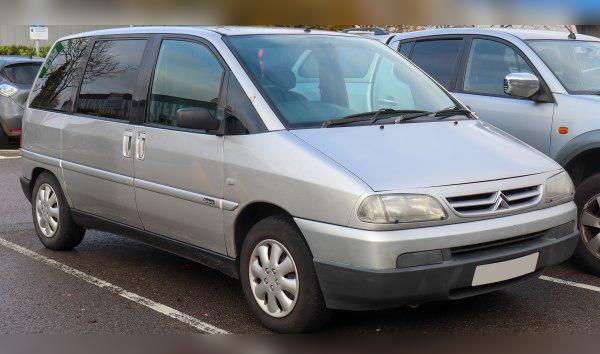
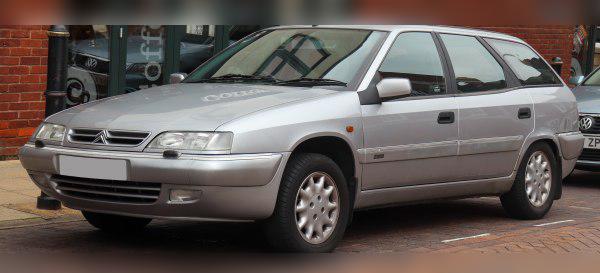
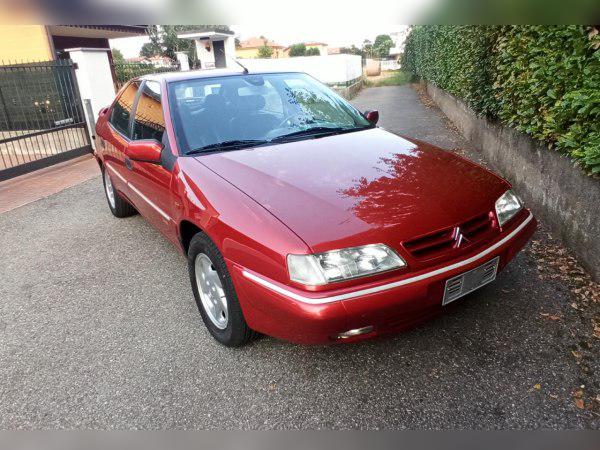
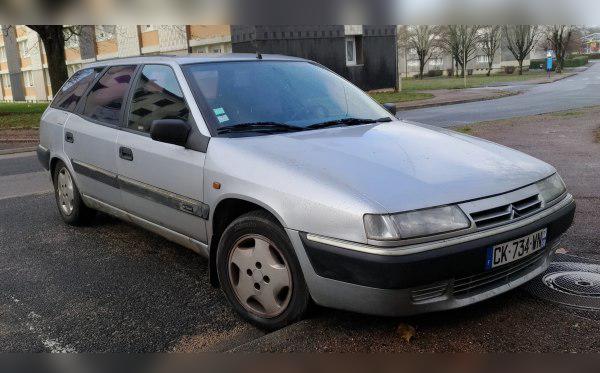
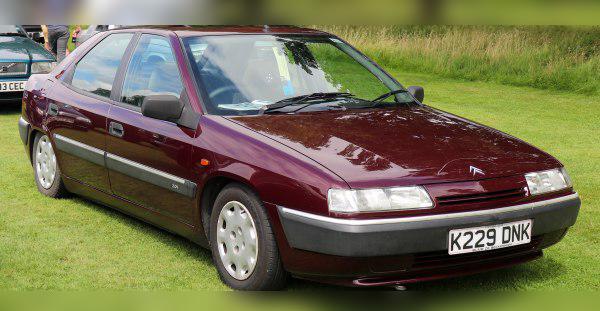
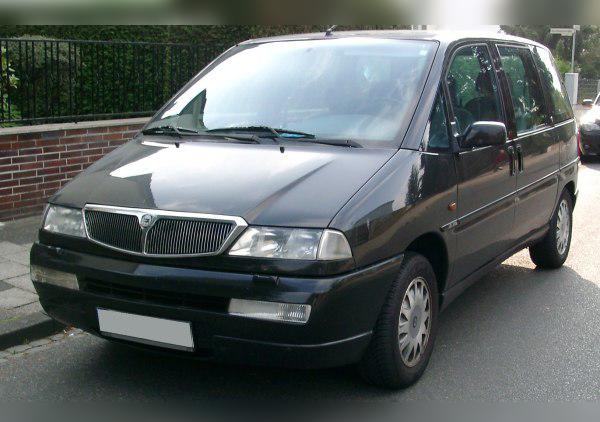
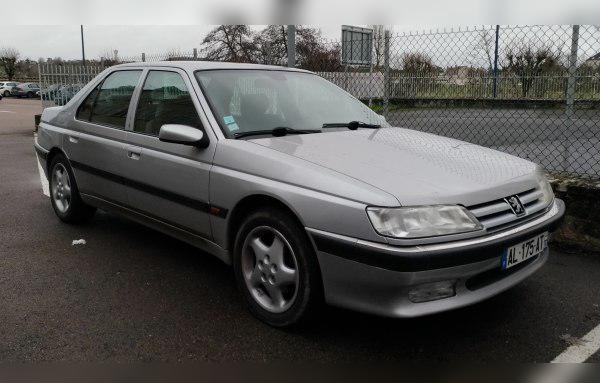
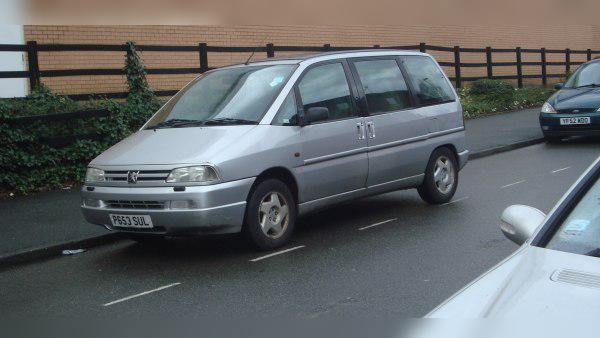
The engine designated as RGX XU10J2TE, better known as the 2.0 Turbo C.T. (Constant Torque), was one of PSA Group’s trump cards in the 1990s. The idea of the French engineers was not to build a high-revving racing engine, but to create a petrol engine that could easily haul the heavy bodies of family MPVs (Citroën Evasion, Peugeot 806) and executive sedans (Citroën Xantia, Peugeot 605). Thanks to a specifically tuned low-pressure turbocharger, this engine delivers maximum torque already at around 2,500 rpm, which guarantees quiet, smooth and “non-lazy” driving without the need for constant gear shifting.
Technical specifications
| Parameter | Value |
|---|---|
| Engine code | RGX (XU10J2TE) |
| Displacement | 1998 cc |
| Power output | 108 kW (147 hp) |
| Torque | 235 Nm (already at 2500 rpm) |
| Fuel type | Petrol (Gasoline) |
| Injection system | Multipoint (MPI), Bosch Motronic |
| Induction | Low-pressure turbocharger (Garrett T25) |
Reliability and maintenance
In terms of architecture, this engine uses a classic timing belt to drive the camshaft. As it is an eight-valve engine, the design is simple. A major service is recommended every 80,000 to a maximum of 100,000 km, or every 5 years. A snapped belt leads to serious damage to valves and pistons, so prevention pays off greatly. A timing kit is not expensive (depends on the market), so this is not an area to cut corners on.
The most common failures on this unit are usually related to its “age” rather than factory defects. Oil leaks typically appear at the valve cover gasket and oil pan gasket. In addition, ignition system failures can occur – the old coil pack (ignition module) can fail, which manifests as engine jerking, running on three cylinders and loss of power. Older vacuum hoses around the turbo can also crack, causing so-called “false air” and a drop in performance.
As for oil, this engine takes about 4.5 litres of oil, and the factory recommendation and best choice for preserving the turbo is a quality 10W-40 (semi-synthetic), although 5W-40 can be used in colder climates. Some oil consumption between services is normal. The engine is known for its valve stem seals wearing out over time, which is noticeable as bluish smoke on first cold start in the morning or when you accelerate after engine braking. Normal consumption is considered to be 0.5 to 1 litre per 10,000 km, but anything above that requires inspection of the turbo or cylinder head.
Since this is a turbocharged petrol engine, spark quality is crucial. Spark plugs should be replaced every 30,000 to 40,000 km. Worn plugs can cause misfires under boost, which puts extra strain on the coil pack.
Specific parts (costs)
The good news for potential buyers is that in its standard configuration with a manual gearbox this engine does not have a dual-mass flywheel, but uses a robust solid flywheel instead. This significantly lowers maintenance costs, as clutch kit replacement is very affordable (depends on the market).
The injection system is entrusted to the proven Bosch Motronic Multipoint (MPI) system. The injectors are of excellent quality and rarely cause serious problems. If the engine starts to run unevenly or the idle speed fluctuates, the solution is usually a simple ultrasonic injector cleaning and checking the idle control valve (stepper motor), which is not expensive at all.
The engine is equipped with a single turbocharger, most commonly Garrett (model T25), and it is a so-called low-pressure turbo. Why is this important? Because it does not suffer the huge thermal loads that modern turbos on highly stressed engines do. The service life of this turbo often exceeds 250,000 km, provided that the owner has changed the oil regularly and that the engine was not switched off immediately after hard motorway driving, but was allowed a couple of minutes at idle so the oil could cool the turbo shaft.
Since this is a 1990s petrol engine, it does not have a DPF filter, nor an AdBlue system (which are reserved exclusively for modern diesels). Some very late versions may have a basic EGR valve due to the emission standards of that time, but it very rarely causes headaches and does not clog aggressively like on diesel engines. In plain terms, you are spared the biggest “modern” problems.
Fuel consumption and performance
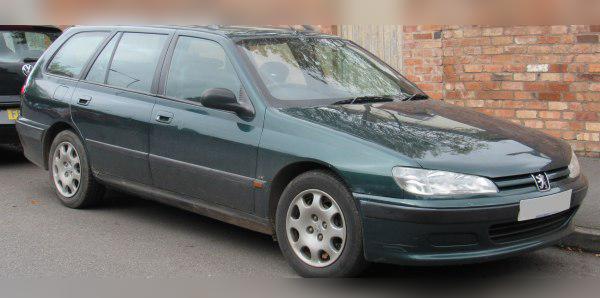
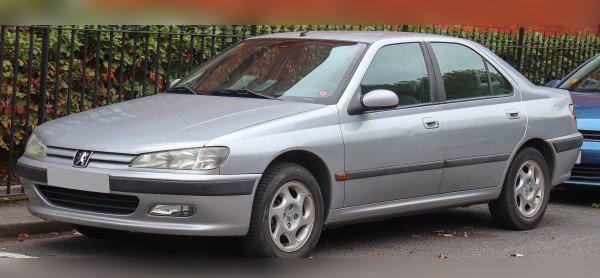
This brings us to the main sore point of this engine – fuel consumption. In heavy vehicles such as the Peugeot 806 or Citroën Evasion (which resemble “kiosks” on wheels), real-world city driving will use between 12 and 14 l/100 km. In lighter and more aerodynamic models such as the Citroën Xantia or Peugeot 406, consumption drops to 10 to 11.5 l/100 km, but this is still not a frugal engine.
However, the high fuel consumption is compensated by its performance. This engine is absolutely not sluggish. Thanks to the Constant Torque concept, the engine delivers as much as 235 Nm of torque very low down, which means it pulls strongly without needing to be revved beyond 4,000 rpm. It carries a body weighing over 1.5 tonnes surprisingly easily.
On the motorway it behaves like a top-class cruiser. At 130 km/h the engine usually sits at a comfortable 3,000 to 3,400 rpm (depending on the gear ratios of the specific model). The turbo keeps the engine in the peak torque band, so overtaking is very easy and does not require downshifting. On open roads, fuel consumption can drop to a reasonable 8 to 9 l/100 km.
Additional options and modifications
Given the high petrol consumption, the question of LPG conversion naturally arises. The answer is straightforward: This engine handles LPG brilliantly. Due to the older design of the valves and head, it does not require any special additives (such as Flashlube lubricators). With a sequential LPG system installed, running this engine becomes very economical, with no noticeable loss of power.
When it comes to tuning, the engine offers a solid base. A typical Stage 1 remap can raise power from the stock 147 hp to around 170–180 hp, and torque goes beyond 280 Nm. However, due to the physical limitations of the small turbocharger itself (the T25 quickly “chokes” at higher revs and higher boost pressures), further power increases are neither safe nor cost-effective without serious hardware upgrades.
Gearbox and drivetrain
This engine was paired with five-speed manual gearboxes (the durable ME5T/ML5T series) or four-speed automatic gearboxes (mainly the ZF 4HP20 or early AL4 units).
Manual gearboxes are mechanically extremely robust, but after high mileage the synchros can wear out, which manifests as “crunching” when shifting from second to third gear. Regular oil changes in the manual gearbox every 60,000 km significantly extend the life of the synchros and bearings. As already mentioned, these models use a standard solid flywheel, so replacing the complete clutch kit is a cheap job (depends on the market).
Automatic gearboxes, on the other hand, are a story of their own. The four-speed automatics from this period are conceptually outdated and sluggish. The most common problem is the valve body (hydraulic control unit) and failing solenoids, causing the gearbox to start shifting harshly or to go into limp mode. Automatic transmissions must be serviced regularly, with ATF oil and filter changes every 40,000 to 50,000 km. If you are buying a used car, make sure to check whether the automatic shifts smoothly once the gearbox oil is warm.
Buying used and conclusion
When buying a used car with the RGX XU10J2TE engine (e.g. Xantia, 406, Evasion), the most important check is to make sure of the condition of the cooling system and any signs of leaks. Check the colour of the coolant – if you notice “mayonnaise” (a mix of oil and water) in the expansion tank, walk away from that car, as the head gasket has likely blown or the head has cracked due to overheating.
Listen to the engine on the first cold start of the day. The sound of the hydraulic lifters may be heard for a few seconds, but it must quickly disappear. Also pay attention to the colour of the exhaust smoke: bluish smoke after idling clearly indicates worn valve stem seals or bad turbo seals. A diagnostic scan (e.g. Lexia/Diagbox) will quickly reveal faults related to the lambda sensor, coil pack or MAP sensor, which can help you negotiate the price down.
Who is this engine for? This is not an engine for heavy city traffic where fuel consumption will drive you mad. It is perfect for lovers of old French cars, families who need an inexpensive yet powerful estate or MPV for long trips, and enthusiasts who appreciate mechanical simplicity without the environmental constraints of the modern era. With a sequential LPG system installed, the RGX XU10J2TE becomes a long-lived cruiser that leaves far more modern (and more expensive) cars behind on the road.