Engine 2.0 HDi RHF DW10BTED4 (140 hp): Experiences, problems, fuel consumption and used-car buying tips
- Excellent balance of power and fuel economy: With 140 hp and 340 Nm, it offers smooth acceleration without being a heavy drinker.
- Top-class reliability: One of the most durable diesel engines of its generation, with no factory design flaws.
- Timing system: Uses a timing belt, but also has a small chain between the camshafts.
- FAP system, not AdBlue: Relies on an Eolys additive to clean the particulate filter, which is a better option than early AdBlue systems.
- Transmissions: The manual is long-lasting with regular dual-mass flywheel replacement, while the Aisin automatic requires strictly regular oil changes.
- Excellent for motorway driving: In heavier cars (C5, 508) it shines as a long-distance cruiser with low noise levels.
Contents
- Introduction: Get to know the 2.0 HDi RHF
- Technical specifications
- Reliability and maintenance
- Specific components and potential failures
- Fuel consumption and performance
- Additional options and modifications
- Gearbox and power delivery
- Buying used and conclusion
Introduction: Get to know the 2.0 HDi RHF
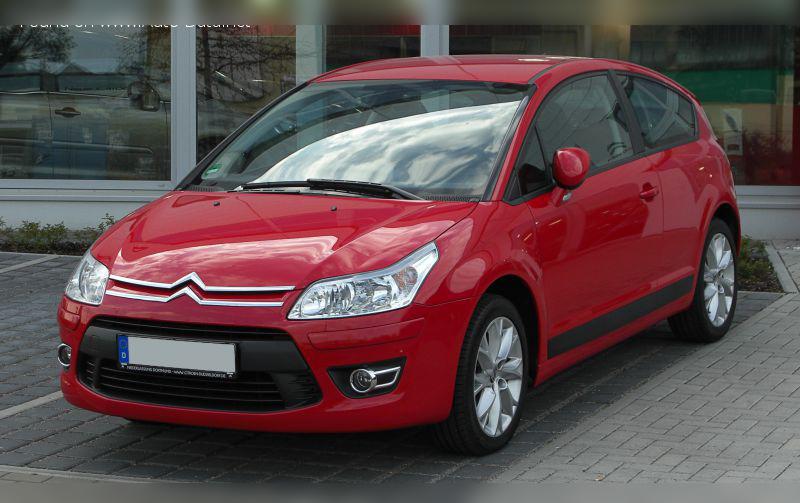
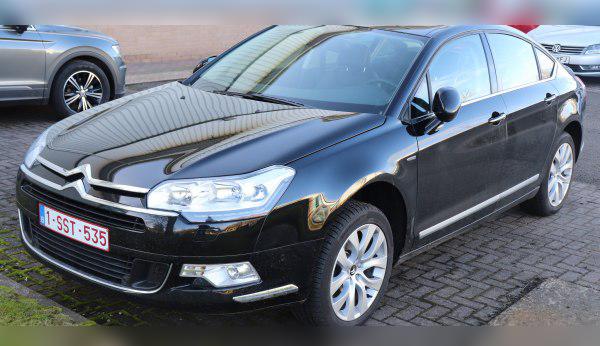
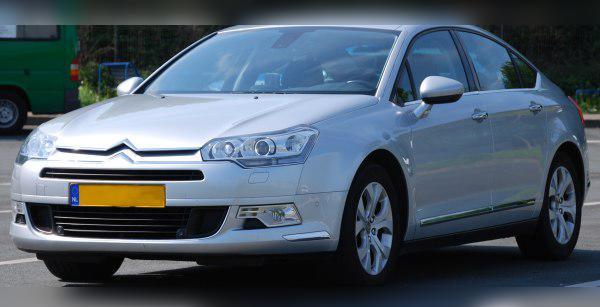
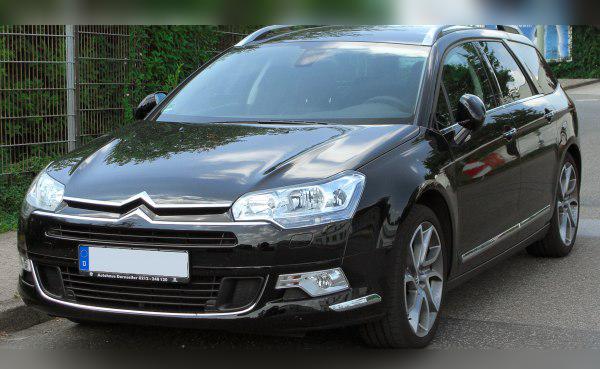
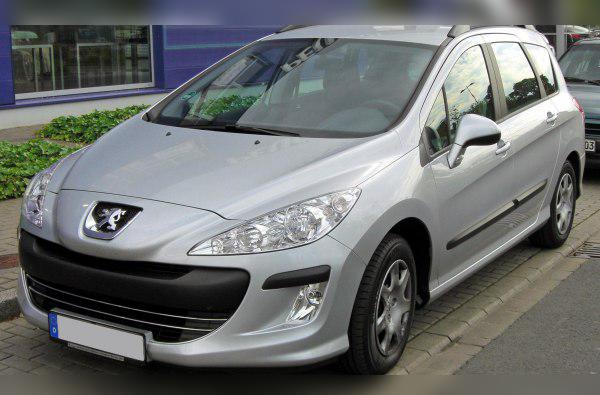
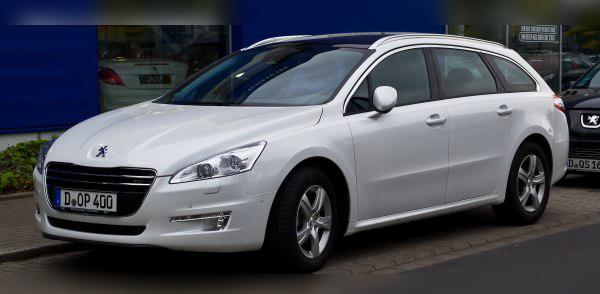
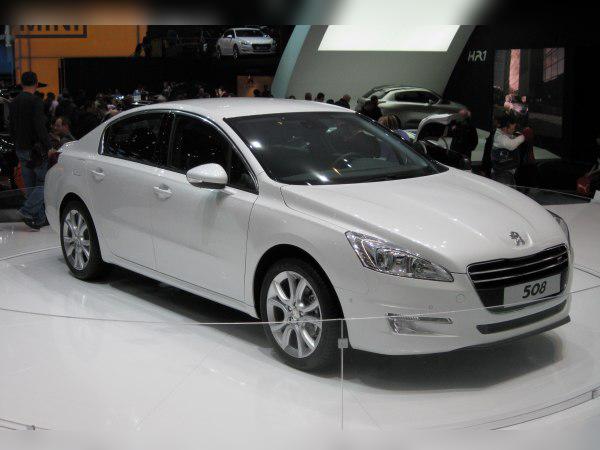
When talking about modern diesel engines that have left a deep mark on the European market, the PSA group (Peugeot and Citroën) always has an ace up its sleeve. The code RHF DW10BTED4 represents an evolution of the legendary 2.0 HDi engine, tuned to 103 kW (140 hp). This unit has proven to be an optimal choice for various vehicle classes – from compact Citroën C4 and Peugeot 308, to large cruisers such as Citroën C5 and Peugeot 508.
What makes this engine special is its fantastic torque available at low revs, refined operation and smoothness that belong more to a higher class. If you are looking for a used car for long journeys, there is a good chance you are looking at a vehicle with exactly this engine under the bonnet.
Technical specifications
| Parameter | Data |
|---|---|
| Engine displacement | 1997 cc |
| Power | 103 kW (140 hp) |
| Torque | 340 Nm |
| Engine code | RHF (DW10BTED4) |
| Injection type | Common Rail (Direct injection) |
| Charging | Variable-geometry turbocharger (VGT) + intercooler |
Reliability and maintenance
Belt or chain?
This is a hybrid system that often confuses owners. The main timing drive (from crankshaft to camshaft) is driven by a timing belt. However, since this engine has 16 valves and two camshafts, there is a small chain between the two camshafts. This chain is generally durable, but at very high mileage (over 250,000 km) it can develop play and start rattling during a cold start.
Most common failures and services
In general, the DW10BTED4 is an extremely reliable piece of engineering. The most common issues are not related to the bare engine itself, but to the peripherals (EGR, FAP, sensors). The major service (replacement of timing belt, tensioners, idlers and water pump) is factory-specified at an optimistic 240,000 km or 10 years. However, European workshop practice dictates shortening this interval – the safest option is to do the major service every 120,000 to 150,000 km to avoid catastrophic failure.
Oil: Capacity and consumption
This engine takes around 5.25 litres of oil. Due to the presence of a FAP particulate filter, oil of grade 5W-30 that meets PSA B71 2290 specification is strictly recommended (Low SAPS oils, such as Total Quartz INEO ECS). Oil consumption between services (if you change it every 10,000 to 15,000 km) is minimal. It is normal for it to consume up to 0.5 litres per 10,000 km. If you notice higher consumption, the first suspects are a worn turbocharger or valve stem seals, and more rarely the piston rings, as the engine block is extremely robust.
Injectors
The injection system is Common Rail. Injectors are usually VDO (Siemens) or Delphi. They have proven to be very durable. In normal driving conditions and with quality fuel, they can easily exceed 250,000 km without issues. When they wear out, symptoms include difficult cold starting, rough idle, increased fuel consumption and black smoke under hard acceleration. Their overhaul or replacement can be an expensive job (depends on the market).
Specific components and potential failures
Dual-mass flywheel
Yes, this engine comes equipped with a dual-mass flywheel, which is standard on powerful modern diesels in order to reduce vibrations from the high torque (340 Nm). Its lifespan depends mostly on driving style – harsh acceleration from low revs and predominantly city driving will wear it out faster. Symptoms of failure include strong vibrations when starting and stopping the engine, as well as shuddering when moving off from a standstill.
Turbocharger
The engine uses a variable-geometry turbocharger (VGT). The turbo’s lifespan is excellent and will easily match the life of the engine itself, provided that the oil is changed on time, the engine is not pushed hard when cold, and that after spirited driving it is left to idle for a couple of minutes before switching off. When the turbo starts to fail, you will hear a pronounced whistling (“siren sound”), and the engine will lose power or emit blue smoke.
EGR valve, DPF (FAP) filter and AdBlue
This model is equipped with an EGR valve that tends to clog with soot if the car is driven exclusively in city conditions on short trips. Cleaning the EGR is not complicated, and symptoms include a “flat spot” during acceleration and reduced performance.
As for the particulate filter, PSA calls it a FAP filter. Unlike many other manufacturers from that era, their system uses an Eolys fluid (additive) that is automatically injected into the fuel tank at each refuelling to lower the soot combustion temperature in the filter. This fluid is topped up at around 120,000 km. With regular open-road driving, the FAP filter itself rarely causes problems before 200,000 km.
Very important note: This engine generation (RHF) DOES NOT USE an AdBlue system. This is a big advantage for a used car, as owners are spared the notorious failures of AdBlue pumps, tanks and wiring that plague newer Euro 6 diesels (BlueHDi).
Fuel consumption and performance
Real-world fuel consumption
Fuel economy is one of this unit’s strong points. In city conditions with a lot of stop-and-go traffic, consumption ranges from 7.0 to 8.5 l/100 km, depending on vehicle size and driving style. On country roads it easily drops below 5.0 l/100 km.
Behaviour in different body styles and on the motorway
In models such as the C4 or 308, 140 hp turns the car into a very agile vehicle that pulls strongly in every gear. On the other hand, in heavy models such as the Citroën C5 Tourer (which often exceeds 1.7 tonnes with equipment and driver), the engine is not a racer, but it is by no means “sluggish”. The 340 Nm of torque easily carries that mass, making overtaking safe.
On the motorway this engine is in its element. The gearbox is excellently geared, so at a speed of 130 km/h in sixth gear the engine cruises at a very relaxed ~2,200 to 2,300 rpm. This ensures a quiet cabin and low fuel consumption (around 5.5 to 6.0 l/100 km on the motorway).
Additional options and modifications
The RHF engine is extremely robust and provides an excellent base for a software power increase (chiptuning). A Stage 1 remap can safely raise power from the stock 140 hp to around 170 to 180 hp, and torque to nearly 400 Nm. The stock clutch and engine block can handle this without any hardware modifications, and in everyday driving you get a noticeably stronger shove in the back and often slightly lower fuel consumption when cruising.
Gearbox and power delivery
Types of gearboxes and common failures
The most common pairing with this engine is the excellent 6-speed manual gearbox designated ML6C. It is robust and can handle high torque without any structural issues. The only common failure is the gear selector cables (the gear lever becomes rubbery and imprecise), which is not expensive to fix.
The other option is a proper 6-speed automatic gearbox made by Aisin (often designated AM6). This is a torque-converter automatic. It offers extremely smooth shifts and great comfort, but is sensitive to poor maintenance. If the automatic gearbox jerks when shifting from 2nd to 3rd gear or clunks when engaging from P to D or R, the problem lies in the valve body, and the repair is very expensive (depends on the market).
Gearbox maintenance and clutch replacement cost
With the manual gearbox, the main expense is replacing the clutch together with the dual-mass flywheel. This is a costly job (depends on the market), but you are then set for the next 150,000+ kilometres. The oil in the manual gearbox is often neglected, but it should be changed every 100,000 km.
When it comes to the Aisin automatic gearbox, regular maintenance is crucial for its survival. The oil must be changed absolutely no later than every 60,000 km. PSA claimed in some manuals that the oil is “lifetime fill” (sealed for life), which is a major and well-proven misconception that has led to many gearbox failures. Change the oil using the flushing method or at least a partial change, and the gearbox will outlive the car.
Buying used and conclusion
What must you check?
When buying a car with the 2.0 HDi 140 hp engine, your test should include the following:
- Cold start: The engine should start instantly without clouds of white or blue smoke. Pay attention to the sound from the engine area before the oil warms up – if you hear scraping or rattling, the small camshaft chain is due for replacement.
- Vibrations: When switching off the engine there should be no strong knocks or rattling (sign of a worn dual-mass flywheel).
- Diagnostics: Always connect the car to a dedicated PSA scanner (Diagbox). Check the amount of Eolys fluid and the percentage of FAP filter saturation. If the Eolys tank is empty and the system reports a fault, prepare a mid-range budget for topping up and resetting the system (depends on the market).
- Automatic gearbox: It must move off from a standstill without delay. Shifts to higher or lower gears under load on an uphill must be butter-smooth. Any jerking means you should walk away from that particular car.
Conclusion: Is it worth buying?
The 2.0 HDi RHF DW10BTED4 (140 hp) engine is without doubt one of the best investments on the used-car market. Unlike problematic modern “eco” units, this is an old-school engine wrapped in a sufficiently modern package so that it does not lag behind in refinement and emissions (without the headaches of a complicated AdBlue system). It will best suit drivers who travel a lot, families who need safe overtaking on country roads, and it will also serve very well in everyday mixed driving. If you find a well-maintained example, this is an engine you can truly rely on mechanically.