Peugeot and Citroën 2.0 HDi 90 hp (RHY DW10TD) – Experiences, problems, fuel consumption and used-car buying tips
1. Most important in short (TL;DR)
- No dual-mass flywheel: A huge advantage that drastically reduces maintenance costs.
- No DPF (FAP) filter or AdBlue: Forget about the expensive emissions-related issues typical of newer diesels.
- Top-level reliability: The engine block and Common Rail system (mostly Bosch) are virtually indestructible if serviced regularly.
- Performance depends on the body style: In smaller cars (Peugeot 206) it feels very lively, while in heavier saloons (Citroën C5, Peugeot 406) it can feel “sluggish”.
- Typical weaknesses: Clogged EGR valve, worn crankshaft pulley and minor engine-related electrical issues.
- Low running costs: Spare parts are plentiful and cheap, and fuel consumption is very reasonable.
2. Contents
- Introduction: PSA Group’s legendary workhorse
- Technical specifications
- Reliability and maintenance
- Specific components (Costs)
- Fuel consumption and performance
- Additional options and modifications
- Gearbox and drivetrain
- Buying used and conclusion
3. Introduction: PSA Group’s legendary workhorse
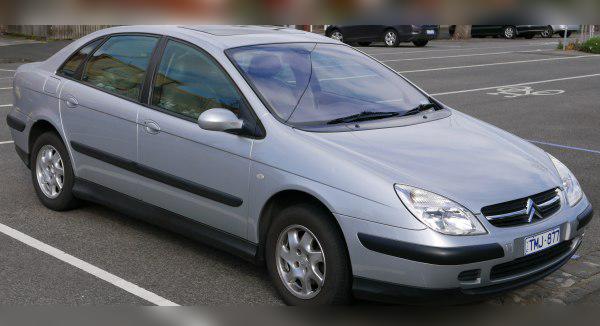
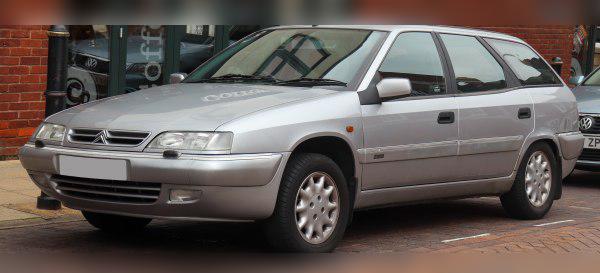
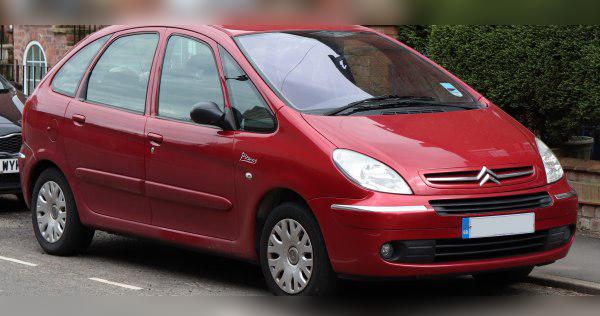
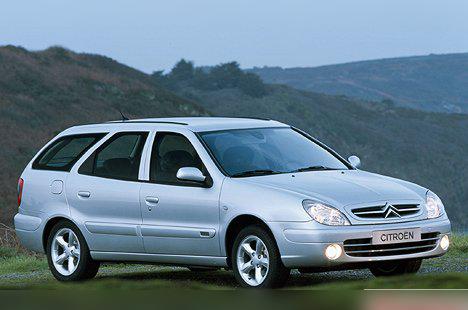
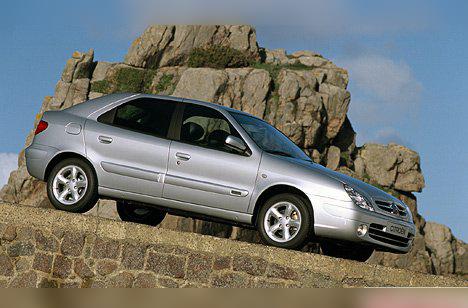
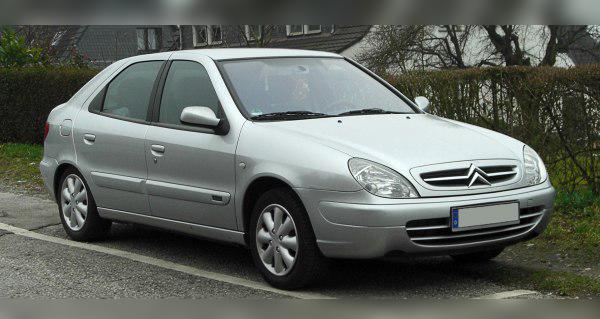
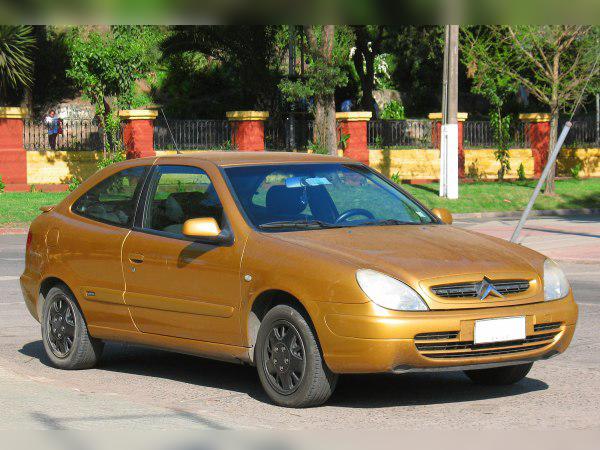
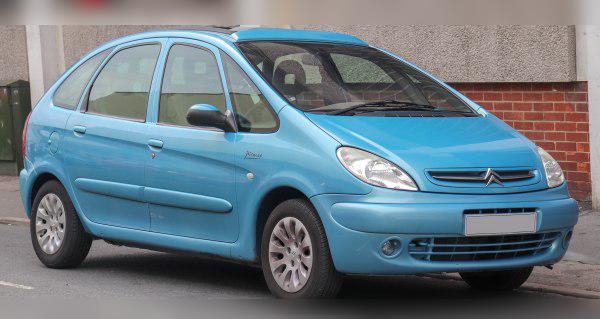
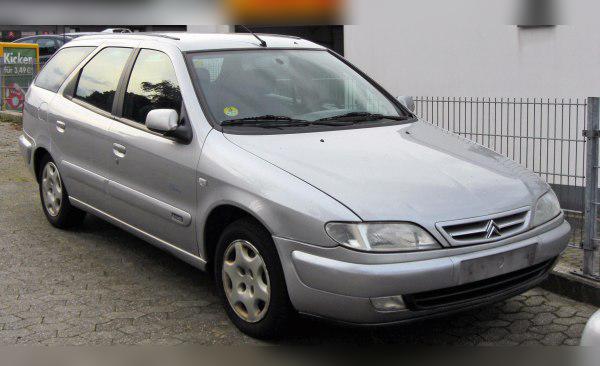
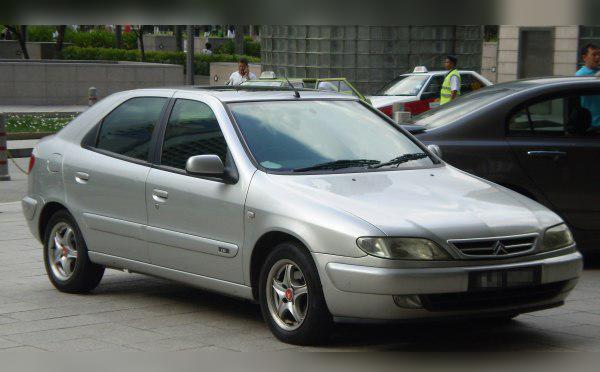
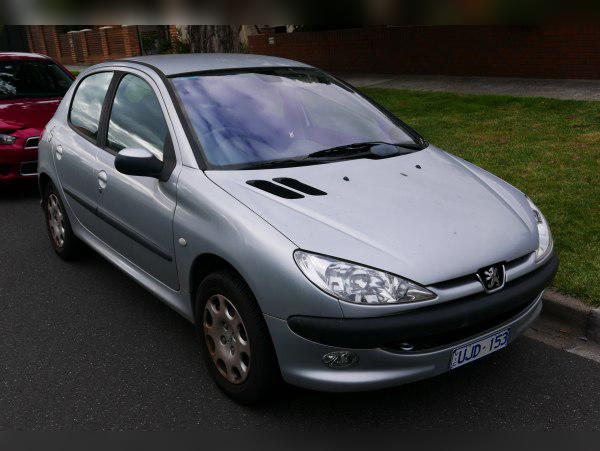
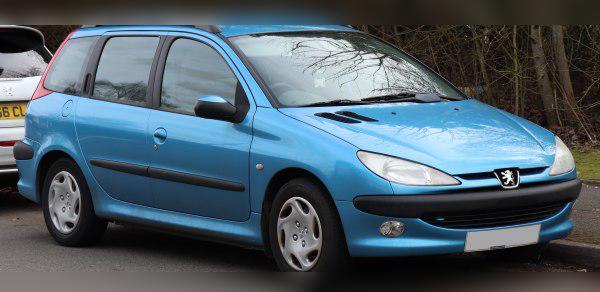
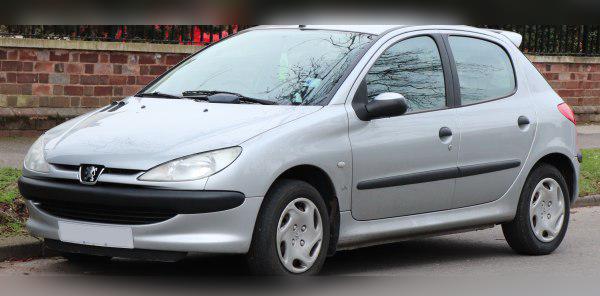
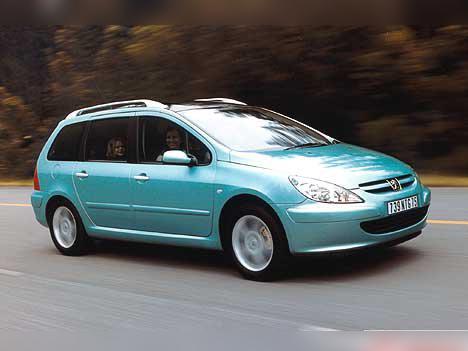
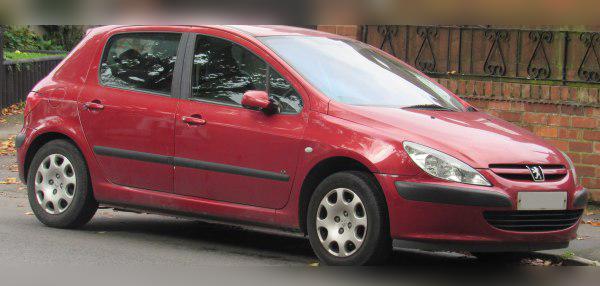
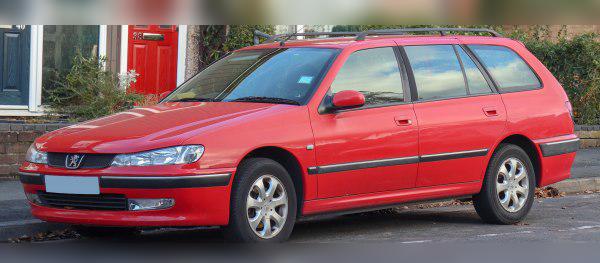
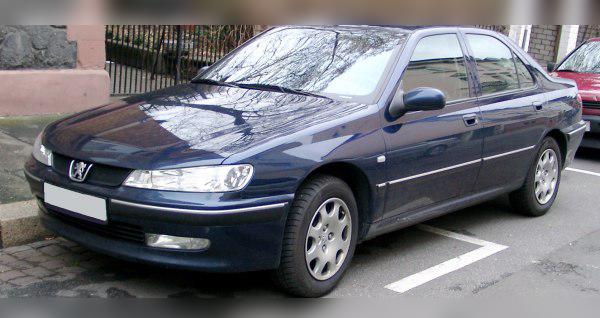
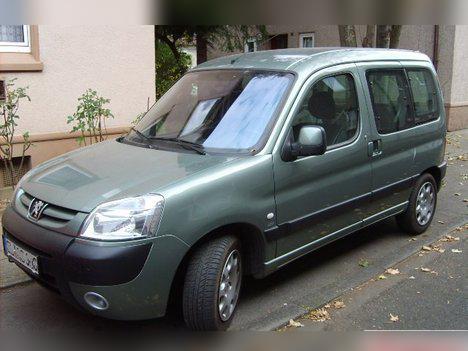
The engine designated RHY (DW10TD), with a displacement of 2.0 litres and an output of 90 hp (66 kW), is one of the most important powerplants in the history of the Peugeot-Citroën (PSA) group. It belongs to the first generation of Common Rail diesel engines in Europe. It was installed in a huge number of models from the late nineties and early 2000s – from the small Peugeot 206, through family workhorses such as the Xsara Picasso and Partner, all the way to heavyweights like the Citroën C5 and Peugeot 406.
What makes this engine an absolute legend among mechanics and drivers is its spartan simplicity compared to today’s standards. There are no sensitive piezo injectors, no complex variable-geometry turbocharger and, most importantly – it is free of the expensive emissions systems that give owners of modern cars constant headaches.
4. Technical specifications
| Specification | Data |
|---|---|
| Engine displacement | 1997 cc |
| Power | 66 kW (90 hp) |
| Torque | 205 Nm (available from 1900 rpm) |
| Engine code | RHY (DW10TD) |
| Injection type | Common Rail direct injection (Bosch / Siemens) |
| Charging | Fixed-geometry turbocharger (with intercooler on certain versions) |
5. Reliability and maintenance
Timing: Timing belt
This engine uses a timing belt (no chain). The camshaft drive is designed simply, and the water pump is also driven by this belt. Its construction is extremely robust.
Most common failures
The engine block and cylinder head are practically indestructible. Still, age takes its toll, so the following issues are most commonly encountered:
- Crankshaft pulley (harmonic balancer): The rubber damper on the auxiliary belt pulley often fails. Symptom: rattling, knocking noises from the belt area and squealing when starting or switching off the engine.
- High-pressure pump (Bosch pump): Due to poor fuel quality it may eventually start leaking or lose pressure, although it rarely “seizes” suddenly.
- Fuel pressure sensor and pressure regulator on the pump: If the engine jerks when you press the accelerator, idle speed fluctuates or the engine stalls unexpectedly, these are the main suspects.
Service intervals and oil
The major service (replacement of timing belt, tensioners, idlers, water pump and coolant) is officially specified by the manufacturer at a rather optimistic 150,000 km. However, experienced mechanics recommend doing this at 100,000 to a maximum of 120,000 km or every 5 to 6 years, to prevent belt failure due to material ageing.
The engine takes approximately 4.5 litres of oil. The most commonly recommended grades are 5W-40 (for engines in very good condition) or 10W-40 (if the engine has over 300,000 km and shows signs of wear). It is important that the oil meets PSA B71 2296 or B71 2300 specifications.
Oil consumption: The DW10TD is not known as an “oil burner”. Due to worn piston rings or oil vapours from the turbo, it is normal for it to consume between 0.3 and 0.5 litres per 10,000 km. Anything over 1 litre indicates a problem with the turbocharger or valve stem seals.
Injector lifespan
On the 90 hp version, the engine is most often equipped with the first-generation Bosch Common Rail system (EDC15). These injectors are legendary for their durability. It is not uncommon for them to last over 300,000 or even 400,000 km before needing refurbishment. Siemens systems are less common in this power output, but are also reliable, although their overhaul is somewhat more expensive. If the injectors “go bad”, the symptoms are: difficult starting (especially in winter), increased fuel consumption, rough idle and thick black smoke when accelerating.
6. Specific components (Costs)
Dual-mass flywheel
The answer is short and clear: NO. This engine does not have a dual-mass flywheel. Power is transmitted via a conventional solid flywheel, which means that clutch replacement costs are minimal compared to more modern diesels.
Turbocharger
This model is equipped with a fixed-geometry turbocharger (often KKK or Garrett). Unlike variable-geometry turbos, there are no vanes that can get stuck due to soot build-up. Its lifespan is closely linked to regular oil changes; if lubrication is good, it will last as long as the engine itself. The cost of a rebuild, if it starts to “whistle” and leak oil, ranges from 150 to 250 EUR (depending on the market).
DPF, EGR and AdBlue
DPF (FAP filter): This engine version is characterised by the absence of a DPF filter (Euro 3 standard). There are no dashboard warnings for a clogged filter or expensive regenerations.
AdBlue: The engine has no AdBlue system – there is no SCR catalyst or pump that could fail.
EGR valve: Yes, it has a vacuum-operated EGR valve. Due to city driving and fuel quality, it often clogs with soot and sticks open. Symptoms are: engine bogging at low revs, jerking and clouds of black smoke from the exhaust. Many owners have it physically and electronically blanked off, which is a cheap solution (around 30 to 60 EUR, depending on the market), but you should keep in mind technical inspections and emissions regulations.
7. Fuel consumption and performance
Fuel consumption
Since it is fitted to very different vehicles, fuel consumption varies:
- Smaller cars (Peugeot 206, Xsara): Real-world city consumption is around 6.0–6.8 l/100 km.
- Heavier cars and MPVs (Peugeot 406, Citroën C5, Xsara Picasso): In town, expect 7.5 to 8.5 l/100 km.
Performance and acceleration
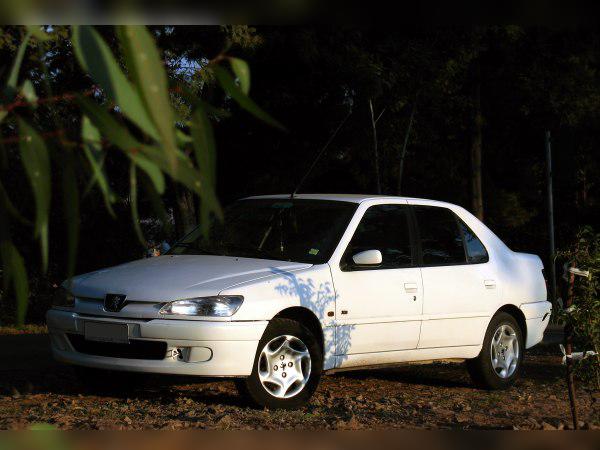
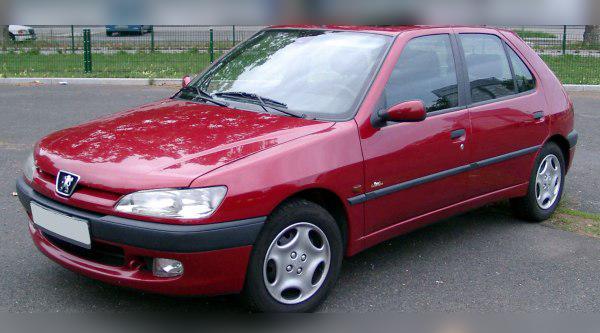
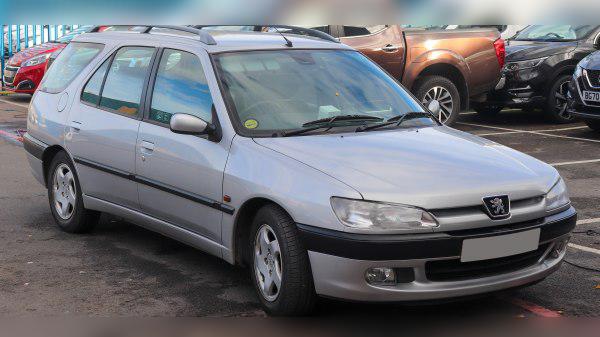
Whether this engine feels “lazy” depends strictly on the body style. With 205 Nm of torque, it pulls very well from low revs (from 1900 rpm). In a Peugeot 206 or 306, this engine feels very lively and the car behaves like a little sports hatch. However, in a heavy first-generation Citroën C5 or estate models (Break/SW), 90 hp simply isn’t enough for safe and brisk overtaking on country roads when fully loaded. In such bodies it feels sluggish.
Motorway driving
The gearboxes paired with this engine are relatively short-ratio, as the focus is on city and secondary-road use. At a speed of 130 km/h in fifth gear, the crankshaft spins at around 2800–3000 rpm (depending on the gearbox variant). Because of this, motorway fuel consumption can rise to about 6.5 l/100 km, and cabin noise becomes more noticeable due to the lack of a sixth gear.
8. Additional options and modifications
Remapping (Stage 1)
Since the engine does not have a dual-mass flywheel or a sensitive variable-geometry turbo, it is an excellent base for a so-called “Stage 1” remap. The stock 90 hp can be safely raised to 115 to 120 hp, and torque increases from 205 Nm to around 250–260 Nm.
This modification brilliantly solves the sluggishness problem in larger cars such as the 406 or C5. The stock clutch handles this increase very well, although if it is already near the end of its service life, tuning will only accelerate its slipping.
9. Gearbox
Types of gearboxes
This powerplant most commonly comes paired with a 5-speed manual gearbox (BE3 or BE4).
Less common options include the 4-speed automatic gearbox AL4 (often on markets outside core Europe or in higher trim levels).
Failures and clutch replacement costs
Manual gearbox (BE4): Mechanically it is very durable, but suffers from the typical “French flaw” – imprecision. The gear linkage rods and selectors wear out over time, so the gear lever develops excessive play. The problem is solved by cheaply replacing the plastic linkage joints.
The cost of a clutch kit (pressure plate, disc, release bearing) is low due to the absence of a dual-mass flywheel. A complete kit costs from 80 to 150 EUR (depending on the market).
Automatic gearbox (AL4): This automatic is not known for longevity. It often jerks when shifting, goes into “Safe Mode” (stays in third gear) and is sensitive to overheating. The most common cause is failed hydraulic valves (electromagnetic valves – solenoids) in the valve body. The repair cost often exceeds the value of the used car.
Gearbox servicing
The manual gearbox uses 75W-80 oil (around 2 litres). It is recommended to change it every 60,000 to 80,000 km. On the AL4 automatic, a partial oil change every 40,000 to 60,000 km is mandatory to extend the life of the hydraulic block.
10. Buying used and conclusion
What exactly to check before buying?
- First start (cold start): Listen for engine shaking and any loud squealing or knocking from the left side (belt side). If it squeals, the crankshaft pulley needs replacing.
- Engine sound: The DW10TD should sound relatively “hard”, typically diesel-like, but even. Misfiring and unstable idle indicate a problem with the fuel pressure regulator or injectors.
- Cooling system: These cars often have issues with radiator fan resistors. Let the engine idle and watch whether the temperature climbs above 90°C and whether the fans cut in.
- Suspension and torsion beam: Pay attention if you are buying a Peugeot 206, 306 or Partner. These models have a torsion beam rear axle. If the rear wheels are leaning inwards (like this: / \ ) or the rear end creaks when going over speed bumps, an expensive rear axle overhaul is needed.
- Exhaust smoke: Black smoke under heavy acceleration usually means a clogged EGR, bad injectors or a split intercooler/turbo hose (if the version is equipped with one).
Final conclusion
The RHY DW10TD (2.0 HDi 90 hp) engine is a true mechanic’s “workhorse”. It is intended for drivers who want a reliable vehicle to get from point A to point B with minimal maintenance costs. There is no worry about a DPF, no stress over a dual-mass flywheel, and parts prices are among the most affordable on the market.
If you buy it in a smaller car (e.g. Peugeot 206), you will get an excellent, quick and nippy vehicle. If you choose it in a larger family saloon (C5), you will have to accept a compromise in the form of weaker performance. Finding an example with fewer than 300,000 genuine kilometres today is a challenge, but thanks to the outstanding robustness of this engine block, that is not a big issue as long as the previous owner changed the oil regularly.