Ford 2.0 TDCi T7CE (150 hp): Experiences, problems, fuel consumption and used car buying tips
- Key points (TL;DR):
- Reliable and long-lasting engine, developed through cooperation between Ford and the PSA Group, ideal for long-distance travel.
- Uses a timing belt whose replacement is recommended at around 150,000 km for safety.
- The automatic PowerShift gearbox requires strict maintenance (oil changes every 60,000 km) and is more prone to expensive failures than the manual.
- The exhaust aftertreatment system (DPF, EGR, AdBlue) is the biggest weak point if the car is driven exclusively in city conditions.
- The 150 hp output is an optimal figure for the heavy Ford Mondeo body, offering an excellent balance between fuel consumption and performance.
- Both gearbox versions use a dual-mass flywheel, which should be factored into costs on higher-mileage cars.
Contents
- Introduction
- Technical specifications
- Reliability and maintenance
- Specific parts and costs
- Fuel consumption and performance
- Gearboxes: Manual and PowerShift
- Additional options and modifications
- Buying used and conclusion
Introduction
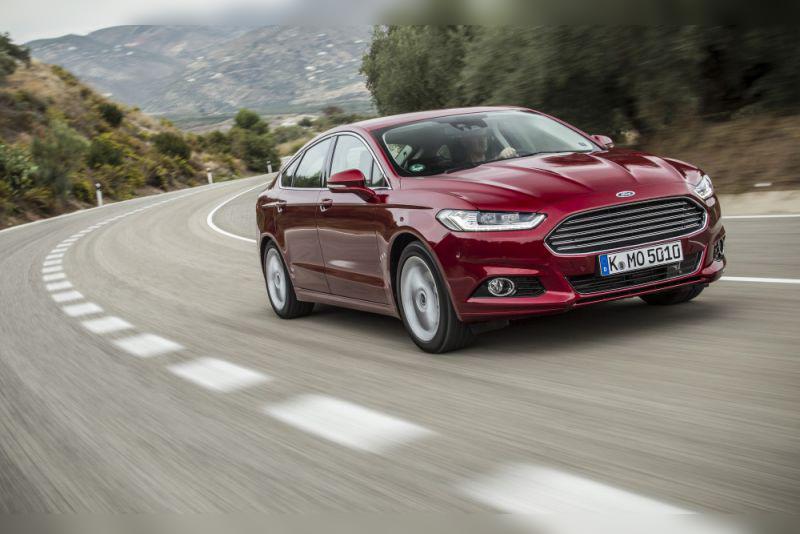
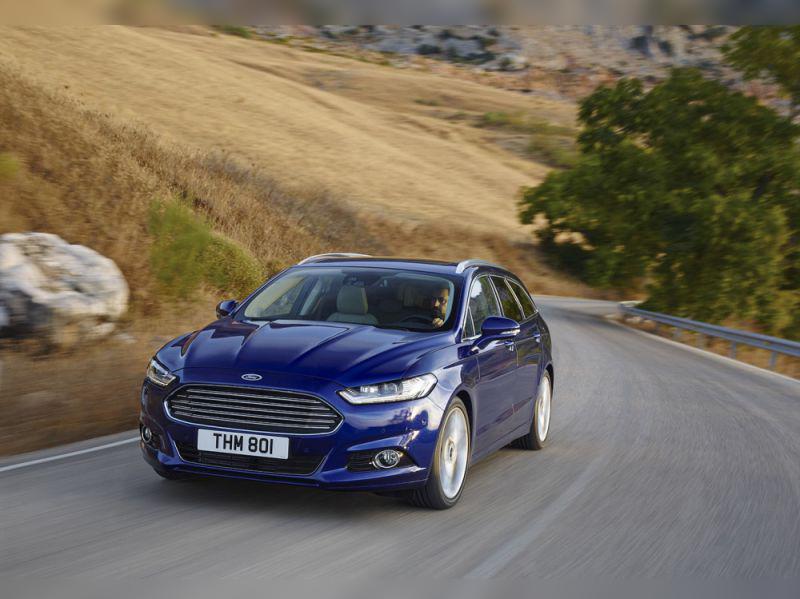
The engine designated as T7CE is one of the most popular iterations of the well-known 2.0 TDCi unit, which was refined for years through the partnership between Ford and the French PSA Group. With an output of 110 kW (150 hp) and 350 Nm of torque, this two‑liter diesel fits perfectly into the fourth generation of the Ford Mondeo (known globally as the Mk5). Whether in sedan, hatchback or wagon form, this engine offers serious comfort on open roads. It was available in standard versions as well as in ECOnetic variants tuned for lower emissions, and was often paired with intelligent AWD all‑wheel drive. In the following lines we take a detailed look at what awaits you if you become the owner of this cruiser.
Technical specifications
| Displacement | 1997 cc |
|---|---|
| Power | 110 kW (150 hp) |
| Torque | 350 Nm |
| Engine code | T7CE |
| Injection type | Common Rail (Direct) |
| Induction | Variable-geometry turbocharger, intercooler |
| Fuel type | Diesel (Euro 6 compliant) |
Reliability and maintenance
Timing belt and service intervals
This engine uses a timing belt to drive the camshafts. Although Ford’s official recommendations often state very optimistic intervals for the major service (frequently up to 200,000 km or 10 years), real‑world practice and mechanics’ experience dictate different rules. To avoid catastrophic belt failure and engine destruction, it is recommended to do the major service at a maximum of 150,000 km or every 5 to 7 years. A complete timing kit is not excessively expensive (depends on the market), but it is always wise to replace the water pump as well, since it is part of the same system.
Engine oil and oil consumption
The oil sump of this 2.0 TDCi engine holds about 5.8 to 6.1 liters of oil (depending on the exact filter and sump specification on AWD/FWD models). Fully synthetic 0W-30 oil that meets the specific Ford standard (WSS-M2C950-A) is mandatory. Oil consumption between services (recommended at a maximum of 15,000 km) is minimal. A loss of up to half a liter per 10,000 km is considered normal due to evaporation and a small amount passing through the turbocharger. Anything above that points to a problem with the piston rings or a leak in the turbo.
Most common failures and injection system
The engine’s core is extremely robust, and the crankshaft and piston assembly rarely cause problems before 300,000 km. However, the most common failures are related to engine peripherals – exhaust gas temperature sensors, coolant leaks at the thermostat housing, and soot build‑up in the intake manifold.
The injection system is a modern Common Rail setup. The injectors are generally of good quality and can easily last over 200,000 to 250,000 km if good‑quality fuel is used. They are sensitive to water and dirt in the system. Symptoms of failing injectors include rough idle (shuddering), a pronounced “hammering” sound during cold starts, hard starting and black smoke under sudden acceleration. Injector overhauls are quite expensive (depends on the market).
Specific parts and costs
Turbocharger and dual-mass flywheel
The T7CE engine is equipped with a single turbocharger with variable geometry (VGT). The turbo’s lifespan is excellent and generally matches that of the engine itself, provided oil changes are done on time and the engine is not switched off immediately after hard driving (to allow the oil to cool). Symptoms of a worn turbo include siren‑like whistling, loss of power, increased oil consumption and bluish smoke from the exhaust.
A major item in maintenance is the dual-mass flywheel. Regardless of whether the car has a manual or automatic gearbox, this engine uses a dual‑mass flywheel to dampen vibrations. When it wears out, the driver will feel strong vibrations in the cabin, metallic knocking when starting and stopping the engine, as well as shuddering when pulling away from a standstill. Replacing the clutch kit together with the dual‑mass flywheel is quite expensive (depends on the market).
Emissions: DPF, EGR and AdBlue system
Since it complies with Euro 6 standards, this Mondeo is equipped with a full arsenal of eco components.
The DPF filter and EGR valve are its Achilles’ heel if the car is used mainly in city conditions. Urban driving prevents the DPF from reaching the temperature needed for regeneration, which leads to clogging. The EGR valve, due to exhaust gas recirculation, fills up with soot deposits, gets stuck and causes power loss (limp mode). Cleaning these systems is not expensive, but replacing a damaged DPF is very costly (depends on the market).
This model is also fitted with an AdBlue (SCR) system. Unfortunately, it can cause serious headaches. The most common issue is crystallization of the fluid in the injectors or failure of the pump module inside the AdBlue tank. A typical symptom is a warning on the instrument cluster about the remaining distance before the engine will no longer start. Maintenance involves regularly topping up fresh fluid, but if the module fails, replacement is very expensive (depends on the market).
Fuel consumption and performance
In terms of performance, 150 hp and 350 Nm represent the sweet spot for the Ford Mondeo. The body of this car is massive (kerb weight exceeds 1,500 kg, and on wagon and AWD versions it goes up to around 1,700 kg). Fortunately, the engine is far from sluggish. Peak torque is available at around 2,000 rpm, which allows for effortless overtaking.
Real‑world fuel consumption in stop‑and‑go city driving is usually between 7.5 and 8.5 l/100 km. On AWD or automatic versions, that figure can rise to around 9 l/100 km in winter.
The motorway, however, is this engine’s natural habitat. At a cruising speed of 130 km/h, the engine spins at a relaxed 2,100 to 2,300 rpm (depending on the gear ratios, which differ slightly between ECOnetic and AWD models). Cabin sound insulation is excellent, and fuel consumption on the open road drops to an impressive 5.5 to 6.0 l/100 km.
Gearboxes: Manual and PowerShift
Manual gearbox
The standard six‑speed manual gearbox is extremely reliable and precise. There are no specific factory defects associated with it. The biggest expense you can expect here, as already mentioned, is replacement of the clutch set and dual‑mass flywheel. Preventive oil changes in the manual gearbox are recommended at around 100,000 km to preserve smooth shifting.
PowerShift automatic gearbox (6DCT450)
This is a dual‑clutch gearbox with wet clutches (running in an oil bath). Although it offers fast and seamless gear changes, the PowerShift gearbox is a critical point when buying used. It is very sensitive to dirty oil.
Gearbox service: The oil and filter in the automatic gearbox MUST be changed strictly every 60,000 km. If the previous owner has not done this, avoid that car.
The most common PowerShift failures include worn clutch packs, mechatronic unit failure due to metal shavings in the oil, and breakage of plastic spring guides inside the gearbox (which create shavings that destroy everything in their path). Symptoms of problems are harsh jerks when shifting from first to second gear, hesitation when setting off, vibrations, or a “Transmission Limited Function” message on the dashboard. A complete overhaul of the automatic gearbox is very expensive (depends on the market).
Additional options and modifications
This two‑liter diesel is structurally almost identical to the more powerful 180 hp version fitted to the same models. Because of that, it is highly suitable for “chipping” (Stage 1 remap). Without any mechanical modifications, power can safely be raised to around 180 to 190 hp, and torque to 400 to 420 Nm.
However, caution is needed: while the manual gearbox can handle this easily, the increased torque can shorten the already limited lifespan of the sensitive PowerShift gearbox and the dual‑mass flywheel. Therefore, remapping is recommended only if both the engine and gearbox are in perfect condition.
Buying used and conclusion
What should you definitely check?
- Cold start: Ask the seller not to start the car before you arrive. Listen for metallic knocking while cranking and when switching off (dual‑mass flywheel), and check whether the engine runs smoothly immediately after starting (injector condition).
- Automatic gearbox service history: If you are buying a PowerShift, demand written proof (invoices) of oil changes in the gearbox every 60,000 km. Without that, you risk huge expenses.
- Condition of the DPF/AdBlue system: During the test drive the car must not emit thick smoke. Be sure to bring a mechanic with diagnostics to read the DPF saturation level (ash and soot values) and the operating pressures of the AdBlue pump.
- Load test: On an open road, accelerate hard in a higher gear (for example, from 4th gear at 1,500 rpm up to 3,000 rpm). If the clutch is slipping, revs will rise but speed will not, which means replacement is necessary.
Who is this engine for?
The Ford Mondeo 2.0 TDCi (T7CE – 150 hp) is primarily a cruiser intended for people who cover high annual mileages and spend most of their time on open roads and motorways. That is where it shows its best side – outstanding comfort, reliability and low fuel consumption. If you need a car mainly for short urban trips (from one traffic light to the next), this engine is not for you, as you will soon be dealing with a clogged EGR valve, DPF filter and AdBlue system issues. As for the gearbox, if you want peace of mind and lower maintenance costs, choose the version with the manual transmission.