Ford 2.0 TDCi T8CC (180 HP): Experiences, problems, fuel consumption and used car buying tips
Key points in short (TL;DR)
- Powerful and flexible engine: With 180 HP and 400 Nm, it easily handles heavy bodies such as the Ford Mondeo and Edge.
- Timing belt driven: A major service is recommended at 150,000 km to avoid catastrophic failures.
- Emission systems are the weak spot: DPF, EGR valve and AdBlue system require regular highway driving; city driving clogs them quickly.
- PowerShift gearbox requires attention: The automatic demands a strict oil change every 60,000 km, otherwise very expensive mechatronics and clutch failures follow.
- Low fuel consumption for this power: Despite the power, it is extremely economical on the highway, while in the city consumption rises but remains within normal limits for a 2.0 diesel.
- Excellent tuning potential: Power can be safely raised to around 210 HP (Stage 1) thanks to the robust construction of the engine block and turbo.
Contents
- Introduction and basic information
- Technical specifications
- Reliability and maintenance
- Specific parts and failures
- Fuel consumption and performance
- Additional options and modifications
- Gearbox and drivetrain
- Buying used and conclusion
Introduction and basic information
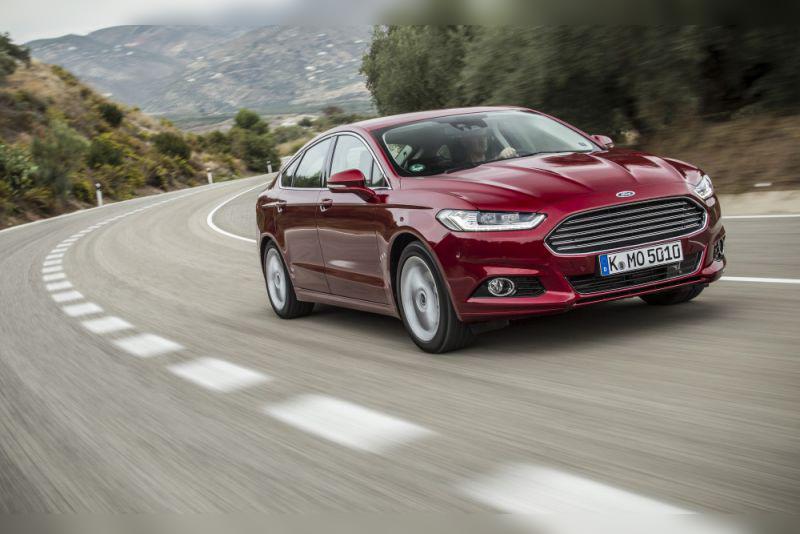
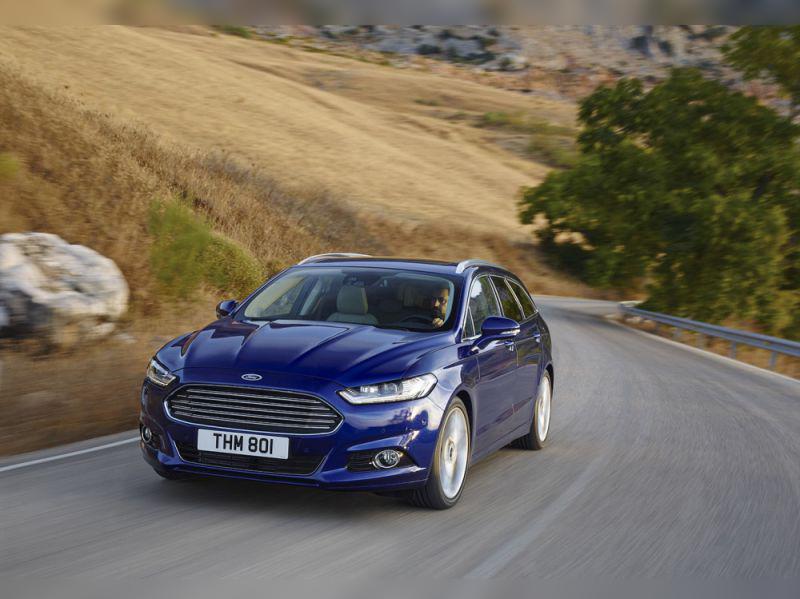
The engine with the code T8CC is one of the most desirable iterations of the well-known 2.0 TDCi unit, born from the long-term cooperation between the PSA and Ford groups. This engine delivers a respectable 132 kW (180 HP) and an impressive 400 Nm of torque. Because of these performance figures, it is primarily used in heavier, cruising-oriented models such as the Ford Mondeo IV (in all body styles: hatchback, wagon, sedan) and the massive SUV Ford Edge II. Drivers appreciate it for its excellent balance of performance and economy, but like every modern Euro 6 diesel, it comes with the baggage of complex emission control systems.
Technical specifications
| Feature | Data |
|---|---|
| Engine displacement | 1997 cc |
| Power | 132 kW (180 HP) |
| Torque | 400 Nm |
| Engine code | T8CC |
| Injection type | Common Rail direct injection |
| Charging type | Variable geometry turbocharger (VGT) with intercooler |
Reliability and maintenance
This 2.0 TDCi unit uses a timing belt to drive the camshafts. Although the factory specification often lists extremely long intervals for the major service (sometimes up to 200,000 km), real-world workshop practice dictates a much more cautious approach. Every experienced mechanic will recommend doing the major service at 150,000 km or every 5 to 7 years. A snapped belt leads to total engine destruction (pistons hitting valves), and repairing that is very expensive (depending on the market).
As for lubrication, the system holds about 6.1 liters of engine oil. Ford insists on 0W-30 oil that meets the WSS-M2C950-A specification. Using the correct oil is crucial not only for turbo lubrication, but also for the health of the DPF filter (Low-SAPS oils). A healthy T8CC engine must not consume significant amounts of oil between services (which are done every 15,000 km or once a year). Consumption of around 0.3 to 0.5 liters per 10,000 km is considered normal tolerance. If the engine burns more than a liter of oil over that distance, the problem usually lies in worn piston rings or a turbo that is "throwing" oil into the intake.
The injection system is Common Rail, with highly precise piezoelectric injectors. In practice, the injectors have proven to be quite robust and can easily exceed 250,000 km provided quality Euro diesel is used. The first symptoms of worn injectors are rough idle (when the engine is cold), increased fuel consumption, "knocking" under acceleration and increased black smoke from the exhaust before the DPF catches the soot.
Specific parts and failures
Dual-mass flywheel and turbo
Given the huge torque of 400 Nm, the engine naturally has a dual-mass flywheel (regardless of whether it is paired with a manual or PowerShift gearbox). Its lifespan is usually between 150,000 and 200,000 km. Air boost is provided by a single variable geometry turbocharger (VGT). The turbo’s service life is excellent, often exceeding 250,000 km, provided the engine is regularly serviced and not shut off abruptly after aggressive driving (to allow the oil to cool the turbo shaft).
DPF, EGR and AdBlue system
Emissions equipment is this engine’s biggest sore point. There is a DPF filter combined with an EGR valve, and since it meets the Euro 6 standard, there is also an AdBlue system (SCR technology).
If the car is driven mostly in the city, the EGR valve quickly gets dirty and sticks (symptoms: engine hesitation, loss of power), while the DPF filter fails to complete the regeneration process. An even bigger problem is the AdBlue system. Pump failures or heater failures inside the AdBlue tank are common. Since these parts often cannot be replaced separately, the entire tank has to be replaced, which is expensive, often very expensive (depending on the market). Proper maintenance includes regularly topping up AdBlue fluid, avoiding driving on absolute reserve and occasionally using additives that prevent urea crystallization (especially in winter at temperatures below -11 °C).
Fuel consumption and performance
Although it is very powerful on paper, fuel consumption depends significantly on the body style. In the city, a Mondeo with this engine uses between 7.5 and 8.5 l/100 km, while the much heavier and less aerodynamic Ford Edge AWD easily exceeds 9.0 to 9.5 l/100 km in urban driving.
The engine is never "lazy". The 400 Nm of torque provides a sense of ease when setting off and overtaking, even when the car is fully loaded with passengers and luggage. The natural environment for the T8CC is the highway. Cruising at 130 km/h takes place at a relaxed 2,000 to 2,200 rpm in sixth gear (depending on the type of gearbox). In this mode, the engine is extremely quiet and fuel consumption drops to about 5.5 to 6.5 l/100 km.
Additional options and modifications
For enthusiasts, the T8CC is a fantastic platform for modifications. Thanks to the large intercooler, robust turbo and durable engine block, “chipping” (Stage 1 remap) is very popular. With a safe software remap, power can be easily and safely raised from the stock 180 HP to around 210 HP, while torque increases to about 450–460 Nm. This makes overtaking even easier, but keep in mind that the increased torque puts additional stress on the dual-mass flywheel and clutch disc (or clutch packs in the automatic gearbox).
Gearbox and drivetrain
The T8CC engine was paired with a six-speed manual gearbox or a six-speed automatic PowerShift dual-clutch gearbox (more common on AWD models and higher trim levels).
Manual gearbox
The manual gearbox is mechanically extremely reliable. The main issue is regular replacement of wear-and-tear components. When the clutch wears out, the entire set has to be replaced (dual-mass flywheel, release bearing, pressure plate and clutch disc). Replacing the entire set is an expensive investment (depending on the market). Symptoms of a worn flywheel are strong vibrations at idle, metallic rattling when switching the engine off and judder when pulling away from a standstill.
PowerShift automatic
The PowerShift automatic gearbox is the biggest threat to your wallet if the car has not been properly maintained. This gearbox uses so-called “wet” clutches and a very sensitive mechatronics module. Changing the oil and filter in the gearbox every 60,000 km is absolutely mandatory! If the previous owner did not do this, small metal particles from the clutches will destroy the valves in the mechatronics. Symptoms of failure are jolts when shifting from D to R (or vice versa), slipping under acceleration and delayed gear changes. Overhauling a PowerShift gearbox is a very expensive affair (depending on the market).
Buying used and conclusion
Before you hand over your money for a used Ford Mondeo or Edge with the T8CC engine, take the following steps:
- Listen to the engine when cold: Ask the seller to keep the car completely cold. Listen for any metallic rattling from the gearbox area (dual-mass flywheel) and pay attention to whether bluish smoke comes out of the exhaust (turbo/oil problem).
- Mandatory diagnostic scan while driving: Connect an original or high-quality universal diagnostic tool. Check DPF saturation (ash mass value), injector correction values under load and whether there are any stored faults for the AdBlue (SCR) system.
- Test the gearbox: If you are buying a PowerShift, the test drive must include crawling in a traffic jam (stop-and-go driving). The gearbox must operate smoothly there, without jerks or bangs. Jerking in first and second gear is a sure sign of wear. Ask for invoices proving that the gearbox oil was changed every 60,000 km.
Who is this engine for?
This 2.0 TDCi with 180 HP is made for managers, families and drivers who cover high annual mileage on open roads and highways. There it will show all its strength, refinement and low fuel consumption. On the other hand, if you need a car just to take the kids to a school 2 kilometers away and to crawl in daily city rush hour – avoid this engine. Expensive problems with the DPF, EGR and AdBlue systems will very quickly make your life miserable due to short trips.