Ford 2.0 TDCi (UFDB) 140 HP – Experiences, problems, fuel consumption and used-car buying tips
Key points in short (TL;DR)
- Engine base: This is a joint project of the PSA Group and Ford (also known as 2.0 HDi), which means excellent reliability and durability.
- Timing drive: Combination of a timing belt and a short chain between the camshafts.
- DPF system: It has an additional fuel vaporizer (the so‑called fifth injector) that makes regeneration easier, but when it clogs up, the DPF fails quickly.
- Automatic gearbox: Equipped with a Powershift dual‑clutch gearbox with wet clutches that requires strict maintenance (oil change every 60,000 km), otherwise repairs become extremely expensive.
- Performance: With 320 Nm, the engine easily handles heavier bodies like the Grand C‑MAX and is excellent for long‑distance cruising.
- Tuning potential: Extremely suitable for a Stage 1 remap, as it is a software‑detuned version of the more powerful 163 HP engine.
Contents
- Introduction: Get to know the 2.0 TDCi UFDB
- Technical specifications
- Reliability, maintenance and failures
- Specific parts and potential costs
- Real‑world fuel consumption and performance
- Extras and remapping (Stage 1)
- Gearboxes, clutch and dual‑mass flywheel
- Used‑car buying tips and conclusion
Introduction: Get to know the 2.0 TDCi UFDB
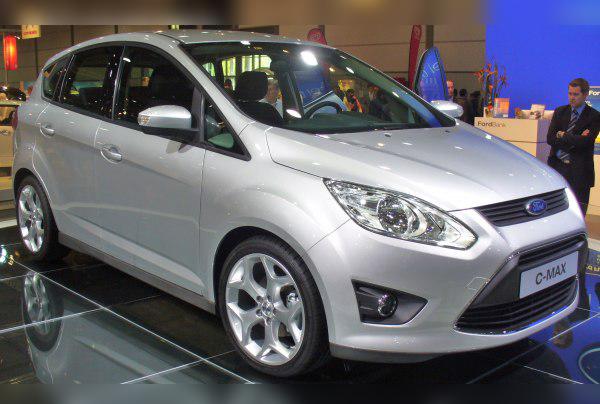
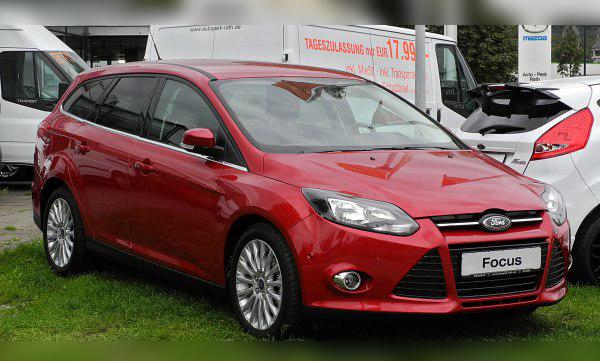
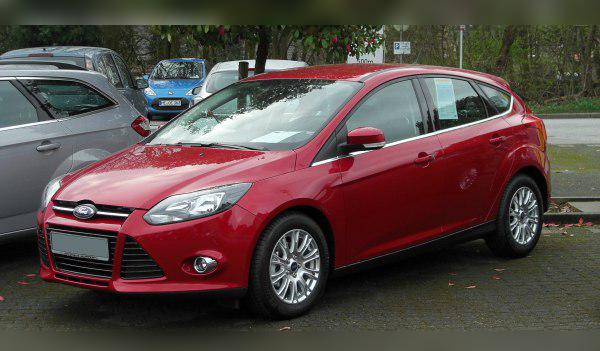
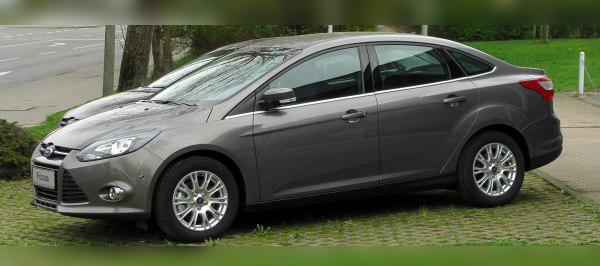
The engine with the code UFDB is a two‑liter turbo diesel from the Duratorq family, installed in popular Ford models such as the Focus III, C‑MAX II and the extended Grand C‑MAX. Basically, it is the result of cooperation between Ford and the French PSA Group (where it carries the code DW10C). This generation of engines brought Euro 5 compliance, improved refinement and solved many of the teething problems of previous generations. With its 140 horsepower, it is an ideal choice for drivers who need a reliable family estate or MPV that can easily pull a full boot uphill without draining the wallet at the fuel station.
Technical specifications
| Parameter | Value |
|---|---|
| Engine displacement | 1997 cc |
| Power | 103 kW (140 HP) |
| Torque | 320 Nm |
| Engine codes | UFDB |
| Injection type | Common Rail (Direct) |
| Charging system | Variable geometry turbocharger (VGT) + intercooler |
| Fuel | Diesel |
Reliability, maintenance and failures
Timing belt or chain?
This engine uses a combined timing system. The main drive from the crankshaft to one camshaft is via a timing belt, while the camshafts themselves are connected by a short chain. The belt is generally reliable, but the chain and its tensioner can develop play over time. The first symptom of a worn chain is a sharp metallic rattling sound on the first cold start of the day, which disappears after a few seconds once oil pressure builds up.
Service intervals and engine oil
The factory‑specified interval for the major service (replacement of the timing belt, water pump, rollers and tensioner) is a rather optimistic 200,000 km or 10 years. However, from a practical standpoint, it is advisable to do the major service no later than at 150,000 km or every 7 years. A snapped belt causes valve‑to‑piston contact, which means catastrophic engine damage.
As for lubrication, the engine takes around 5.5 liters of oil. The recommended grade is 5W‑30 (with Ford specification WSS‑M2C913‑D or C). The engine does not tend to consume oil. A loss of up to 0.5 liters between two minor services (every 10,000–15,000 km) is considered completely normal and is mostly due to evaporation or slight “weeping” at the oil seals.
Most common failures
If serviced regularly, this engine ranks among the most durable units. However, the most common issues come from the emissions systems (DPF and EGR) and oil leaks around the valve cover. The fuel pressure sensor on the common rail can also fail, which results in jerking while driving and stalling at idle.
Specific parts and potential costs
Injectors and fuel injection system
The injection system is an advanced common rail setup (most often Delphi or Continental/VDO), and the injectors are piezoelectric or electromagnetic. The injectors have proven to be very robust and can easily cover more than 250,000 km with good‑quality fuel. If they start failing (symptoms: rough idle, increased black smoke under full throttle, harder cold starts in winter), the problem is usually excessive return flow or poor atomization. Injector refurbishment is possible and moderately priced (depends on the market).
Turbocharger
The engine has a single turbocharger with variable turbine geometry (VGT). Its lifespan is closely tied to oil quality. With regular oil changes, it will last well over 250,000 km. Problems arise when the variable‑geometry vanes get stuck due to soot build‑up (frequent low‑rpm city driving). Symptoms include a whistling noise when accelerating and a sudden loss of power (the engine goes into limp‑mode protection). Turbocharger overhauls are not an overly expensive solution (depends on the market).
DPF, EGR and emissions
This engine has a DPF filter and an EGR valve. The good news is that it does not have an AdBlue (SCR) system, as it meets Euro 5 standards without urea injection, which is one major worry less for the owner.
However, the DPF system has a peculiarity. For regeneration it uses a so‑called fuel vaporizer located in the exhaust system before the DPF. Its job is to inject diesel directly into the exhaust to raise the temperature above 600 °C. The heater inside this vaporizer often burns out. When that happens, the car cannot perform regeneration and the DPF clogs up very quickly. The symptom is a frequently lit “Engine Malfunction” warning and loss of power. The EGR valve, as usual, gets dirty from exhaust gas recirculation, so it is advisable to clean it every 80,000 km.
Real‑world fuel consumption and performance
Considering the weight of the Focus estate or Grand C‑MAX, 140 HP and 320 Nm cope with the load very well. The engine is anything but sluggish. Maximum torque is available from just 2,000 rpm, which makes it very flexible when overtaking.
Real‑world consumption:
- City driving (stop‑and‑go): 7.0–8.5 l/100 km (the C‑MAX body and automatic gearbox push consumption towards the upper end).
- Country roads: 4.8–5.5 l/100 km.
- Motorway: At a cruising speed of 130 km/h in sixth gear, the engine spins at around 2,200–2,400 rpm (depending on the gearbox). In the cabin it is refined, and fuel consumption is around 6.0–6.5 l/100 km.
Extras and remapping (Stage 1)
This unit is mechanically almost identical to the more powerful 163 HP version (code TXDB). For that reason, the UFDB is a fantastic candidate for a Stage 1 remap. Without any mechanical modifications and without compromising reliability, a software tune can safely raise power to 165–170 HP and torque to almost 380 Nm. The difference on the road is dramatic: the engine breathes much more easily on climbs, while fuel consumption in normal driving remains the same or even drops slightly.
Gearboxes, clutch and dual‑mass flywheel
Manual gearbox
The engine is usually paired with a 6‑speed manual gearbox. This gearbox is robust and rarely suffers failures. It uses a dual‑mass flywheel. The flywheel typically lasts between 180,000 and 220,000 km. Symptoms of a worn dual‑mass flywheel include vibrations at idle, metallic knocking (clang‑clang) when switching the engine off, and juddering when setting off. Replacing the complete set (clutch, release bearing, dual‑mass flywheel and gearbox oil) is a very expensive job (depends on the market).
Automatic gearbox (Powershift)
With the 2.0 TDCi, Ford also offered its 6‑speed Powershift gearbox (code 6DCT450). It is a dual‑clutch gearbox with wet clutches. Although it provides smooth gear changes, it is extremely sensitive to maintenance.
The oil in the Powershift gearbox must be changed strictly every 60,000 km (including the external filter). If this is neglected, metal particles from the friction plates in the clutches travel through the oil and destroy the mechatronics (the “brain” of the gearbox) and the shaft speed sensors. The most common automatic gearbox issues include: jerking when shifting from first to second, delay when setting off, thumps when engaging “D” or “R”, or complete loss of even/odd gears. A full Powershift overhaul (clutches and mechatronics) is very expensive (depends on the market). If you are buying a used car with this gearbox, paper proof of regular oil changes in the gearbox is crucial!
Used‑car buying tips and conclusion
What to check at the dealer or seller?
- Cold start: Ask that the engine be completely cold before you arrive. Listen around the camshaft area as soon as it starts. Metallic rattling lasting longer than 3 seconds points to a worn camshaft timing chain.
- Exhaust and DPF: Put your finger inside the tailpipe (when it is cold). If it is completely black and oily, the DPF has been removed or is damaged. A healthy DPF leaves the exhaust pipe perfectly clean. Via OBD diagnostics, check the ash mass in the DPF and the time since the last regeneration.
- Powershift test drive: The gearbox must shift imperceptibly, both under acceleration and when coming to a sudden stop at traffic lights. Any “kick in the back” is a sign of worn clutches or mechatronics.
- Switching the engine off: Turn the engine off both with the clutch pedal pressed and released. If you hear a noticeable knock from the gearbox when the engine shakes and stops, prepare money for a new dual‑mass flywheel.
Conclusion: Is it worth buying?
The Ford 2.0 TDCi (UFDB) with 140 HP is an impressive, durable and economical engine, built on proven PSA/Ford architecture. This car is intended for drivers who cover more than 15,000 km per year and often drive on open roads. That is where it shines and devours kilometres effortlessly.
On the other hand, if your driving consists of 90% city stop‑and‑go trips to the shop and kindergarten, avoid this (and any similar) diesel. The DPF, EGR and potential issues with the vaporizer will give you headaches. For used‑car buyers, the recommendation is the manual gearbox – although the Powershift is comfortable, a used example without a clear service history is a financial lottery.