Engine XFZ ES9J4 (3.0 V6 190 hp): Experiences, issues, fuel consumption and used-car buying tips
- In short (TL;DR):
- This is an extremely smooth naturally aspirated V6 engine with a beautiful sound and linear power delivery.
- The timing belt is long and complicated to replace, which makes the major service quite expensive.
- Oil leaks from the valve cover gaskets are common due to age and heat.
- Fuel consumption in the city is high (often over 15 l/100 km), but the engine works very well on LPG.
- Ignition coils (especially Sagem) are prone to failure, and the rear bank of cylinders is hard to access because of the intake manifold.
- The naturally aspirated design without a turbo and complex emissions systems makes the mechanical side long‑lasting and reliable.
Contents
- Introduction: Meet the PSA 3.0 V6 legend
- Technical specifications
- Engine reliability and maintenance
- Specific components and fuel injection system
- Fuel consumption and real‑world performance
- LPG conversion and remapping
- Gearbox: Manual vs Automatic
- Buying used and final verdict
Introduction: Meet the PSA 3.0 V6 legend
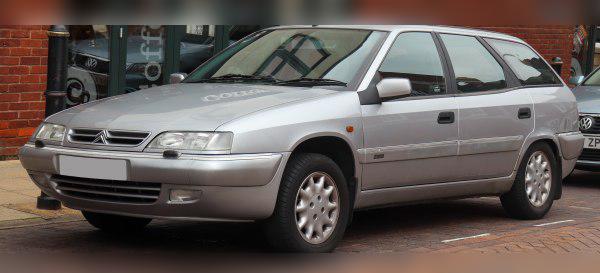
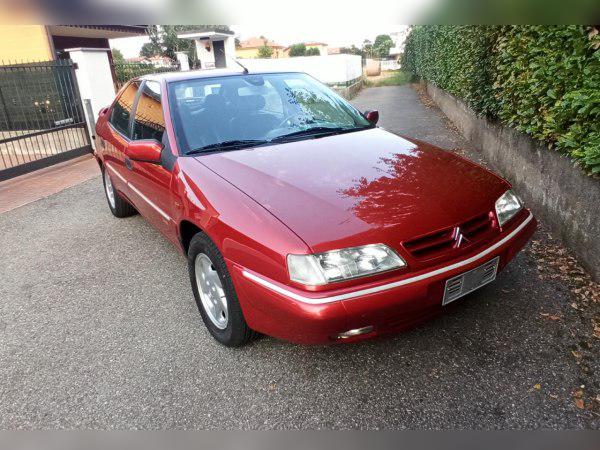
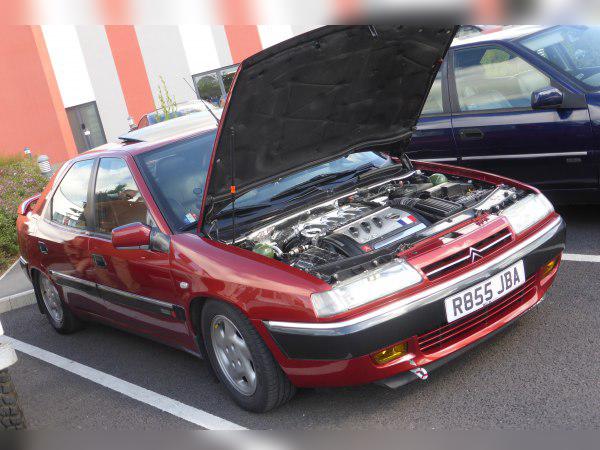
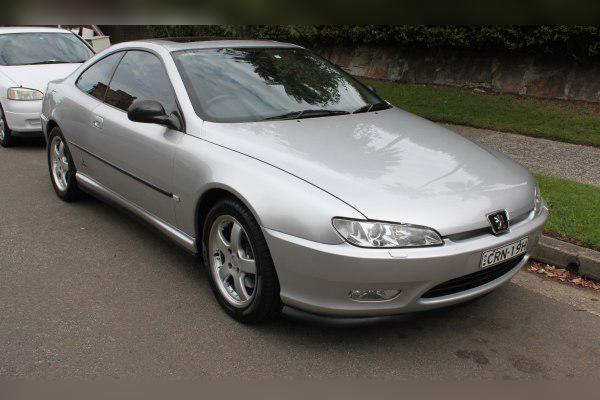
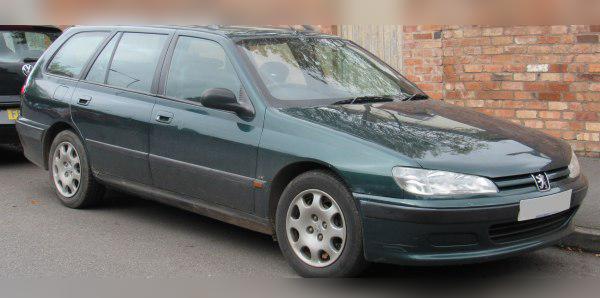
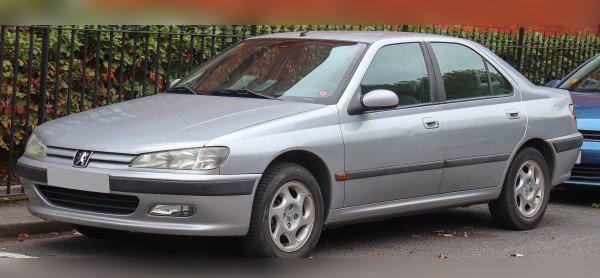
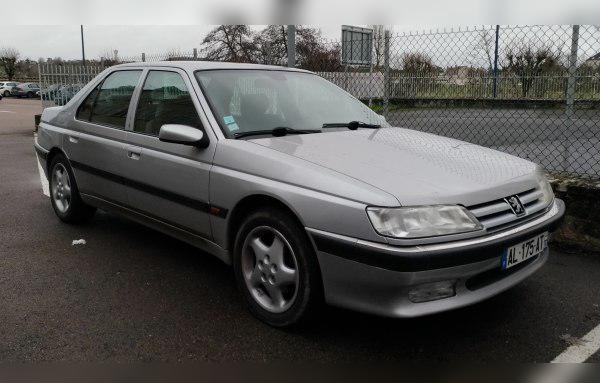
The engine designated XFZ (ES9J4) is the first generation of the famous “ES9” V6 engine, jointly developed by PSA (Peugeot and Citroën) and Renault. As the direct successor to the old PRV engine, this all‑aluminium V6 with 24 valves and 190 hp debuted in the mid‑nineties. It was installed in the premium models of its era: from the avant‑garde Citroën Xantia (where the V6 combined with hydraulic suspension offered a cloud‑like ride), to the elegant Peugeot 406 Coupé and executive Peugeot 605.
This is an old‑school engine – built to be velvety smooth, linear and durable. However, owning a large nineties V6 comes with specific maintenance challenges that every potential buyer needs to be thoroughly informed about.
Technical specifications
| Parameter | Data |
|---|---|
| Engine displacement | 2946 cc |
| Power | 140 kW (190 hp) |
| Torque | 267 Nm |
| Engine codes | XFZ (ES9J4) |
| Injection type | Multipoint (MPI) – Multi‑point injection |
| Aspiration | Naturally aspirated |
Engine reliability and maintenance
Timing belt and major service
This engine uses a timing belt to drive its four camshafts. Due to the transverse installation and V6 architecture, the space under the bonnet is quite cramped. The major service was factory‑recommended at around 120,000 km or every 5 to 10 years (depending on driving conditions). In practice, however, it is wiser to shorten this interval to 80,000 to 100,000 km. Replacement is an extremely complex operation that requires special tools to lock the camshafts and crankshaft. Because of the large number of rollers/tensioners and the complicated layout, the cost of the major service is very high (depends on the market).
Most common faults and weak points
One of the most prominent issues on the XFZ engine are the ignition coils. Early series widely used Sagem coils, which were prone to overheating and failure, causing the engine to run on five or fewer cylinders (rough idle, shaking, loss of power). They were later replaced with more reliable BOSCH or Beru versions.
Another standard weak point is oil leakage from the valve cover gaskets. The aluminium block and cylinder heads generate a lot of heat, which over time hardens the rubber gaskets. This oil often drips directly onto the exhaust manifold, creating an unpleasant burning smell in the cabin, or leaks into the spark plug wells, which further destroys the coils.
Lubrication system: Oil and oil consumption
The sump of this engine holds about 5.25 to 5.5 litres of oil. The most commonly recommended grade is a quality fully synthetic 5W‑40, although on high‑mileage engines a good semi‑synthetic 10W‑40 is also acceptable. Does it consume oil? Yes – it is absolutely normal for old V6 engines of this type to use around 0.3 to 0.5 litres per 1000 km. The main causes, besides the aforementioned gasket leaks, are the valve stem seals, which lose elasticity with age, allowing oil to pass into the combustion chamber (you will notice bluish smoke at the first cold start of the day or under sudden hard acceleration).
Spark plugs
Since this is a petrol engine, standard spark plugs are replaced at around 30,000 km, while platinum/iridium plugs last about 60,000 to 80,000 km. This is where we get to a mechanic’s nightmare: to replace the plugs (and coils) on the rear bank (the cylinders facing the cabin), you have to remove the entire intake manifold. That’s why it always pays to buy the highest‑quality plugs possible so you can postpone this procedure as much as possible.
Specific components and fuel injection system
Flywheel: Good news! The XFZ engine (190 hp) combined with a manual gearbox comes from the factory with a solid (conventional) flywheel. Only later revisions (ES9J4S with 210 hp) in certain models received a dual‑mass flywheel. This significantly reduces drivetrain maintenance costs.
Fuel injection system: It uses standard MPI (multi‑point) petrol injection. The injectors are extremely durable and rarely cause problems. If they do get clogged, it is solely the result of poor fuel quality or long‑term LPG use without occasional “blowing through” on petrol. Symptoms of clogged injectors include jerking at low revs and difficult starting.
Turbo, DPF, EGR, AdBlue: As this is a naturally aspirated petrol engine from the nineties, it does not have a turbocharger, let alone two. There are no expensive DPF filters or complicated and delicate AdBlue systems. An EGR valve exists on some versions, but on petrol engines it does not accumulate hard soot like on diesels, so it very rarely fails and is easy to clean.
Fuel consumption and real‑world performance
When you buy an old petrol V6, fuel consumption is the number one thing you must be prepared for.
- City driving: Real‑world consumption in stop‑and‑go traffic ranges between 14 and 18 l/100 km. If the car has an old‑generation automatic gearbox, expect to be closer to the upper end.
- Open road: It is significantly more economical, and on country roads it can drop to around 8 to 10 l/100 km.
Is the engine sluggish? Not at all. With 190 hp and 267 Nm of torque, models like the Peugeot 406 and Citroën Xantia pull very smoothly and strongly. It doesn’t deliver that brutal “kick in the back” like modern turbo engines; instead, it serves up power in a refined manner, accompanied by a wonderful soundtrack as the revs climb towards the redline.
Motorway cruising: At 130 km/h, this engine usually “sleeps” at around 3000 to 3500 rpm (depending on the gearbox). At that speed the cabin is incredibly quiet, which makes it born for long‑distance travel.
LPG conversion and remapping
Should you install LPG?
Yes, absolutely. Due to the extremely high fuel consumption in city driving, installing a sequential LPG system is the most cost‑effective move. The XFZ engine handles LPG very well (it doesn’t have problematic valves that quickly “burn out”). It is only important that the LPG system has a sufficiently strong vaporiser (reducer) to keep up with the 190 hp demand; otherwise, under full throttle it will switch back to petrol. Installation is relatively affordable (depends on the market) because this is a standard MPI injection setup.
Remapping (Stage 1)
If you plan to squeeze hundreds of horsepower out of this engine through software mapping – forget it. On naturally aspirated petrol engines, a “Stage 1” tune brings a negligible improvement. The best you can hope for is at most 10 to 15 hp on paper, which you won’t even feel in real driving. Remapping this engine is not recommended, as it is essentially a waste of money.
Gearbox: Manual vs Automatic
Two basic types of gearboxes were fitted to this engine:
- 5‑speed manual gearbox (ML5T): A reliable unit designed to withstand high torque. Failures inside the gearbox itself are rare. The most common issues are with the gear linkage (gear selection becomes imprecise) or oil leaks from the driveshaft seals. The cost of replacing the complete clutch kit is average (depends on the market), but labour can be expensive due to the difficult access to the bell housing. The oil in the manual gearbox should be refreshed every 100,000 km.
- 4‑speed automatic gearbox (ZF 4HP20): A legendary but now outdated gearbox. It operates smoothly and gently, but it “kills” performance and noticeably increases fuel consumption compared to the manual. The biggest weak point: The manufacturer once declared it “sealed for life” (no need to change the oil). This myth has killed thousands of these gearboxes. Due to old, overheated oil, the valve body and torque converter fail. Repairs are very expensive. For the gearbox to last, the oil MUST be changed every 60,000 km.
Buying used and final verdict
What exactly should you check before buying?
Cars with the XFZ engine are now on the verge of becoming youngtimers. When buying, make sure to check:
- Major service history: If the seller cannot prove when the timing belt (with quality tensioners) was replaced, immediately factor in the cost of a major service, which is anything but cheap.
- Visual inspection for oil leaks: Check whether there is fresh oil around the valve covers and oil pan, and whether there is a burnt‑oil smell around the engine.
- Engine operation: The engine should run perfectly smoothly, like a clock, with no vibrations in the steering wheel or gear lever. Any jerking indicates a problem with the coils or a clogged intake.
- Gearbox (especially the automatic): Drive the car through all gears until the gearbox oil warms up. If it jerks when shifting from “P” to “D” or shifts harshly during acceleration/deceleration – walk away.
Conclusion: Who is this engine for?
The XFZ ES9J4 engine (190 hp) is not for drivers looking for low running costs and minimal fuel consumption – this is not an economical diesel for courier work. It is aimed at enthusiasts of the French nineties school of car design, those who appreciate the engineering refinement of a V6, the silence on the move and the rich soundscape. If you find a well‑preserved example, proactively sort out the valve cover gaskets and regularly replace the belts, and this naturally aspirated beast will cover hundreds of thousands of kilometres without serious internal failures.