YHY DV5RD 1.5 BlueHDi Engine (102 HP) – Experiences, problems, fuel consumption and used car buying guide
Key points in short (TL;DR)
- Exceptional fuel economy: Fuel consumption is one of this engine’s biggest advantages, often below 5 l/100 km.
- Critical timing chain issue: A factory defect with the camshaft chain (7 mm) can cause catastrophic engine failure. It was later replaced with a thicker one (8 mm).
- Sensitive AdBlue system: AdBlue tanks and pumps often fail, requiring expensive replacement.
- Solid performance in lighter cars: Excellent in models such as the Peugeot 208 or Citroën C3, but can feel “sluggish” in the Rifter when fully loaded.
- Regular servicing is crucial: Shortening oil change intervals to 10,000–15,000 km significantly extends the life of the turbo and engine.
- Injection system: Very reliable, but sensitive to poor fuel quality.
Contents
- Introduction: Successor to the legendary 1.6 HDi engine
- Technical specifications
- Reliability and maintenance
- Specific parts and costs
- Fuel consumption and performance
- Additional options and modifications
- Transmissions: Manual and automatic
- Buying used and conclusion
Introduction: Successor to the legendary 1.6 HDi engine
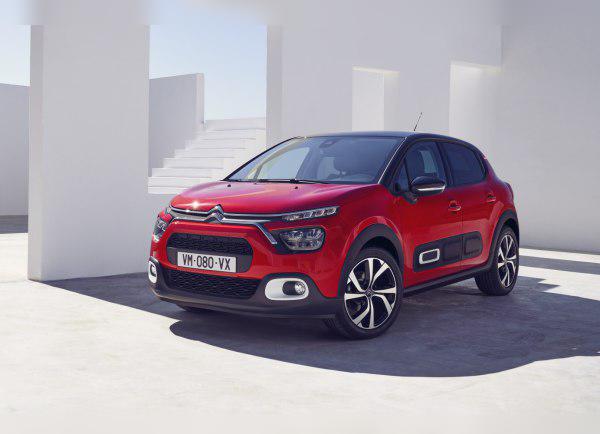
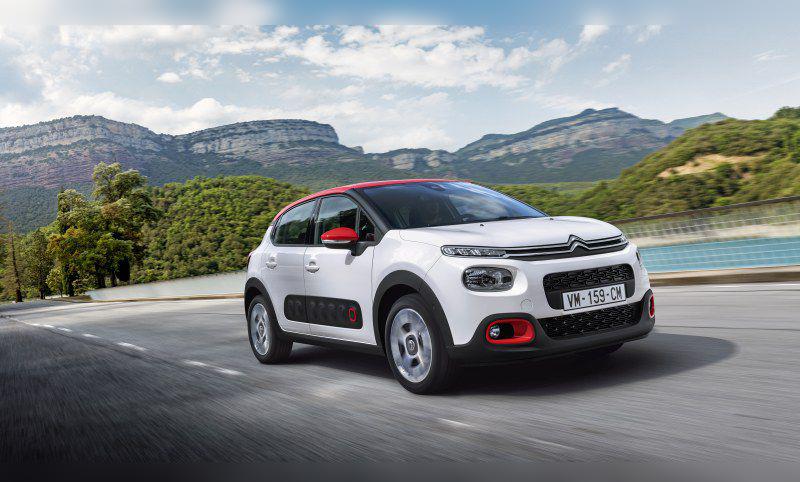
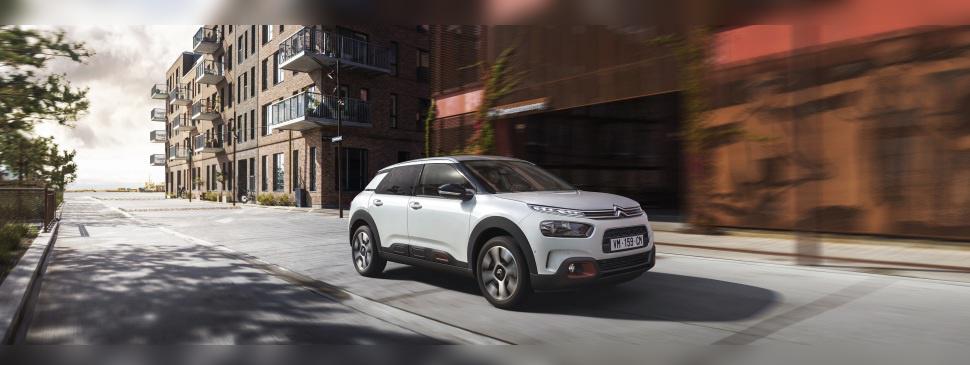
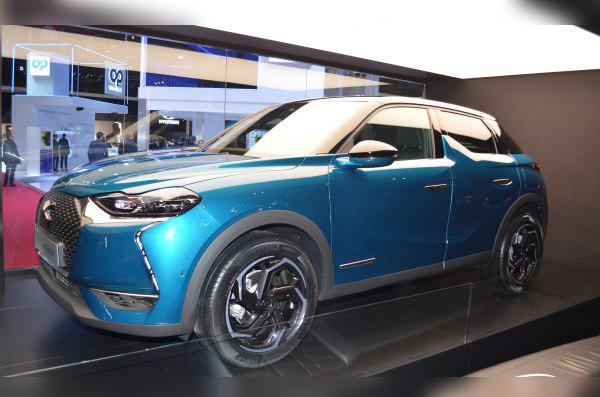
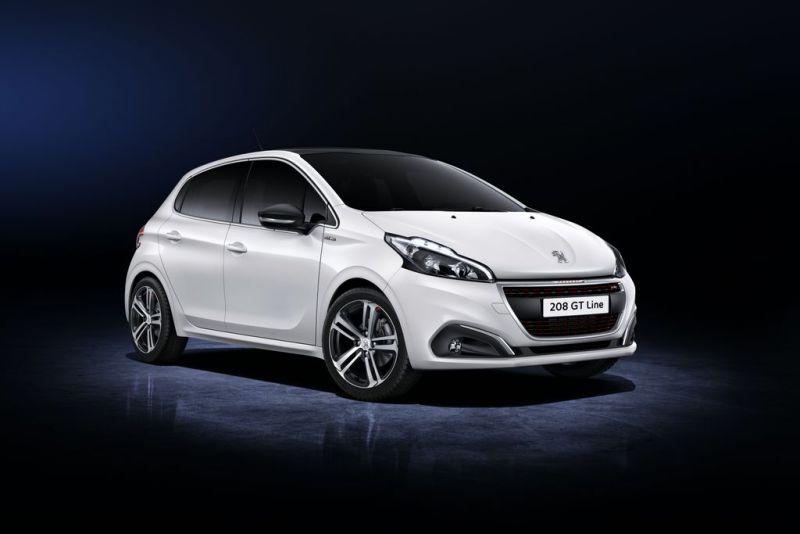
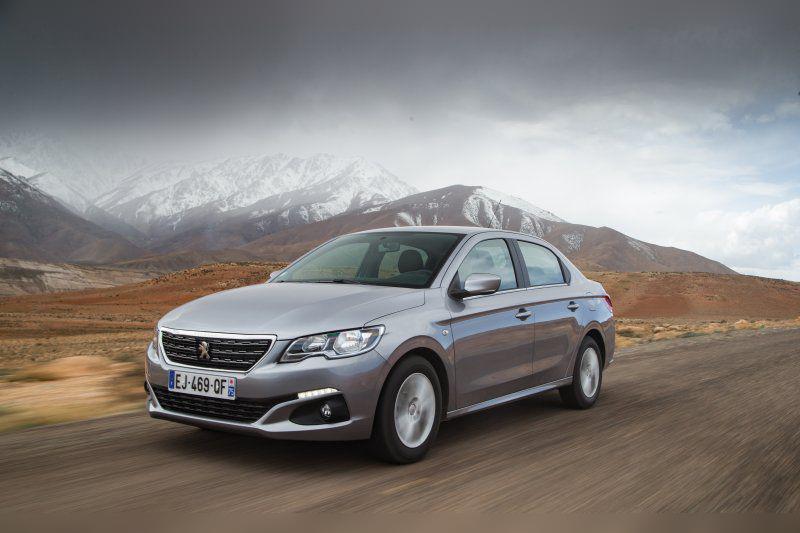
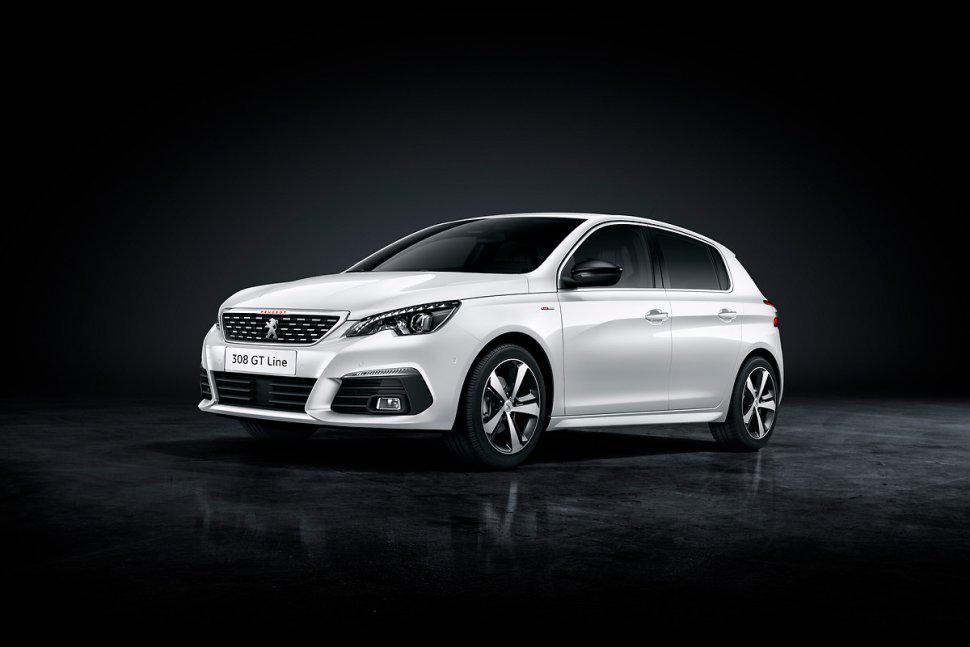
The engine designated as YHY DV5RD, commercially known as 1.5 BlueHDi, was developed by the PSA Group (now part of Stellantis) to replace the extremely popular 1.6 HDi. This unit was designed to meet strict Euro 6 standards, which is why it is equipped with advanced exhaust after-treatment systems. It was installed in a wide range of vehicles, from city cars such as the Peugeot 208 and Citroën C3, through the compact Peugeot 308 and DS 3 Crossback, all the way to utility/family vehicles like the Peugeot Rifter. Although it offers top-notch fuel economy and smoother operation, it also comes with several serious early “teething problems” that every owner and potential buyer needs to be aware of.
Technical specifications
| Specification | Data |
|---|---|
| Engine displacement | 1499 cc |
| Engine power | 75 kW (102 HP) |
| Torque | 254 Nm |
| Engine codes | YHY, DV5RD |
| Injection type | Common Rail (direct injection) |
| Charging | Turbocharger with VGT, intercooler |
Reliability and maintenance
Belt or chain? The engine’s critical point
This is one of the most common questions and a major source of confusion. The 1.5 BlueHDi uses a combined system. The main timing drive is via a toothed belt, while the two camshafts in the cylinder head are linked by a small chain. That chain is the biggest weak point of this engine. Early versions used a 7 mm wide chain that tended to stretch and snap, which could lead to catastrophic engine failure (broken rockers, damaged valves and camshafts). Stellantis later issued a revision with an 8 mm chain and a new valve cover. Because of this, before buying it is crucial to check whether the engine has been upgraded to the reinforced 8 mm version.
Service intervals and oil consumption
The manufacturer specifies a major service at around 150,000–160,000 km, but experienced mechanics recommend replacing the timing belt, water pump and associated tensioners already at 100,000–120,000 km. At the same time, the aforementioned camshaft chain must be inspected and replaced.
As for engine oil, this engine takes about 4 litres of oil (including the filter). The manufacturer strictly recommends fully synthetic oil of grade 0W-20 (often with PSA B71 2010 specification) to ensure proper lubrication of delicate components and reduce emissions. On higher-mileage engines that have been regularly maintained, oil consumption is minimal. Still, slight consumption of 0.2–0.3 litres per 1,000 km is considered completely normal, but anything above that (e.g. half a litre or more) points to worn piston rings or a turbocharger issue.
Injection system: How long do the injectors last?
The injectors in this Common Rail system have proven to be quite robust. If you use good-quality fuel and change the fuel filter regularly (every second minor service), the injectors can easily last over 200,000–250,000 km. Symptoms of worn injectors include rough running when cold, smoke from the exhaust under hard acceleration and fluctuating idle speed.
Specific parts and costs
AdBlue, DPF and EGR – A nightmare for city driving
Besides the chain, the biggest problem of the 1.5 BlueHDi engine is the selective catalytic reduction system (AdBlue). The AdBlue tank, which integrates the pump and heater, is prone to failure. The fluid can crystallise and damage the pump, resulting in a warning on the instrument cluster and a message that the vehicle will not be able to start after a certain number of kilometres. Replacing this module is very expensive (depends on the market), so many owners resort to software reprogramming (disabling the system), which is legally unclear and often outright illegal.
The DPF (diesel particulate filter) and EGR valve work flawlessly if the vehicle is regularly driven on open roads. However, if the car is used mainly for short urban trips, soot builds up quickly. The DPF requires Eolys fluid to aid regeneration, and its level also needs to be topped up periodically at the service.
Dual-mass flywheel and turbocharger
This 102 HP unit is equipped with a variable-geometry turbocharger (VGT). Its service life is closely tied to oil quality; with regular oil changes every 10,000–15,000 km, the turbocharger can last over 250,000 km. Symptoms of failure include whistling under load, loss of power and increased oil consumption.
As for the drivetrain, most models with this power output are fitted with a dual-mass flywheel (depends on the specific car / needs to be checked by VIN, as some basic versions came with a solid flywheel). Replacing the clutch kit with a dual-mass flywheel falls into the category of expensive (market-dependent). The driver will notice wear through vibrations when pulling away, a dull thud when switching the engine off and a heavy clutch pedal.
Fuel consumption and performance
One of the main reasons drivers choose this engine is its fuel consumption. In real-world city driving (stop-and-go), the engine uses between 5.0 and 6.0 l/100 km. On the open road, that figure easily drops below 4.5 litres.
Is the engine “lazy”? That depends entirely on the body style. In a Peugeot 208 or Citroën C3, 102 HP and 254 Nm make it very agile and lively. On the other hand, in heavier and aerodynamically inefficient models such as the Peugeot Rifter, the lack of power is noticeable when overtaking under load or driving uphill.
On the motorway, at 130 km/h, the engine cruises at a very reasonable around 2,200–2,500 rpm (depending on whether it is paired with a five- or six-speed gearbox), which ensures good acoustic comfort and sensible fuel consumption.
Additional options and modifications
Although the 102 HP version is detuned by software (there is also a 130 HP version of this same block), a “chip tune” (Stage 1 remap) gives excellent results. With safe modifications to the engine ECU, this engine can easily be raised to around 130–135 HP, while torque increases to approximately 300 Nm. This makes driving larger models (such as the Rifter and 308) much easier. However, it is important to note that the extra power requires the driver to be gentler with the clutch and dual-mass flywheel, as they are subjected to higher loads.
Transmissions: Manual and automatic
This engine was most commonly paired with manual gearboxes (five or six speeds – BVM5 and BVM6) and the excellent automatic EAT8 (eight-speed gearbox made by Aisin).
Manual gearboxes are generally reliable, but over time they can develop play in the gear selector or a slight bearing whine. Although the manufacturer claims the oil in the manual gearbox is “lifetime”, it should be preventively changed every 80,000 km.
The automatic gearbox (EAT8) is a torque-converter automatic (not a dual-clutch unit) and has proven to be extremely robust. Gear changes are smooth and it makes excellent use of the diesel’s torque. The biggest mistake owners make is not changing the oil in the automatic. To keep the EAT8 working smoothly in the long term, without jerks or shifting errors, it is essential to service the gearbox (oil change) every 60,000–80,000 km.
Buying used and conclusion
When buying a used vehicle with the YHY DV5RD (1.5 BlueHDi) engine, you must focus on two key things: the camshaft chain and the AdBlue system.
- Engine sound: When starting the engine cold, listen carefully to the top of the engine (under the plastic cover). If you hear rattling or clattering, it is a sign that the camshaft chain has stretched. Replacing the timing set, if it has not already snapped, is a preventive cost you need to factor in.
- Diagnostics: ALWAYS connect the vehicle to diagnostics specific to PSA vehicles (Diagbox). Check the DPF parameters (percentage of blockage) and the fault history related to AdBlue system pressure.
- White deposits on the exhaust: If you notice whitish smoke or sharp crystals around the tailpipe, this indicates overdosing or a problem with the AdBlue injector.
Who is this engine for?
This is an excellent engine for drivers who cover high mileages on open roads and suburban routes, where its low fuel consumption really shines. In city cars (208, C3) it offers the dynamics of a sporty hatchback with laughably low fuel use. However, if you are not prepared to invest in the preventive replacement of the revised camshaft chain, or you plan to drive mainly in stop-and-go city traffic, it may be wiser to look for the older, proven 1.6 HDi variant or switch to petrol engines.