YHZ DV5RC 1.5 BlueHDi (130 hp): Experiences, problems, fuel consumption and used-car buying tips
Key points in brief (TL;DR):
- The engine is exceptionally economical, especially on open roads and highway cruising.
- The critical factory flaw is the 7 mm camshaft chain, which is prone to stretching and snapping – inspection is mandatory and upgrading to the improved 8 mm set is highly recommended.
- The AdBlue system (tank and pump) is very problematic and repairs are extremely expensive.
- It is excellent for city cars, compact hatchbacks and smaller crossovers (Peugeot 2008, 308, Citroen C4), but can feel sluggish in heavy vehicles (Peugeot 5008) under full load.
- The EAT8 automatic gearbox (Aisin) is extremely reliable, provided that the oil is changed regularly every 60,000 to 80,000 km.
- The DPF filter and EGR valve are quite durable if the car regularly goes on the highway, while strict city driving leads to rapid clogging.
Contents
- Introduction: About the YHZ DV5RC engine
- Technical specifications
- Reliability and maintenance
- Specific components and failures
- Fuel consumption and performance
- Additional options and modifications
- Gearbox and drivetrain
- Buying used and conclusion
Introduction: About the YHZ DV5RC engine
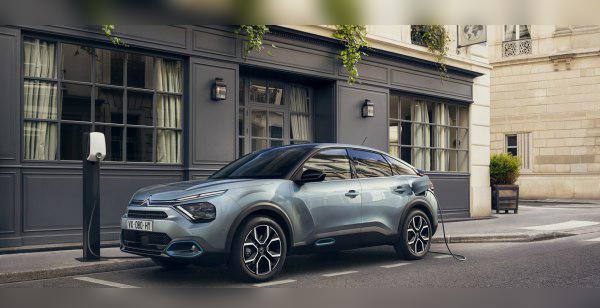
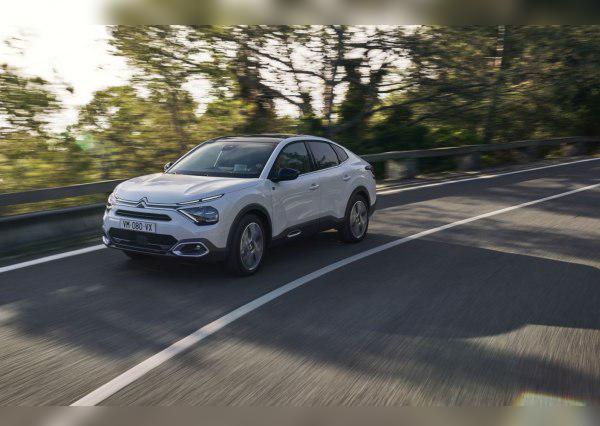
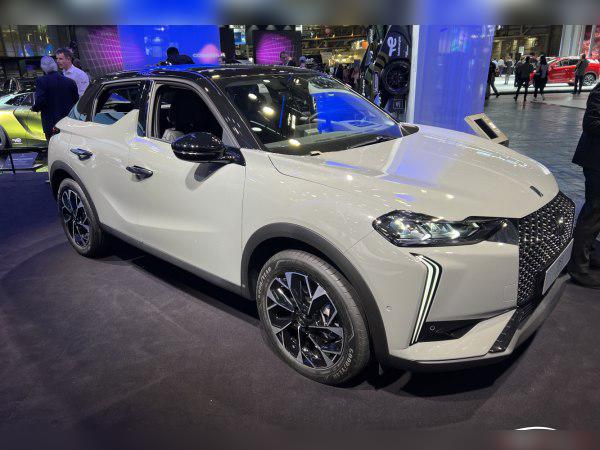
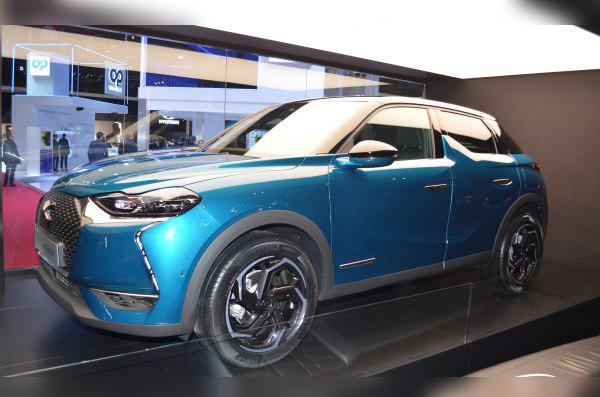
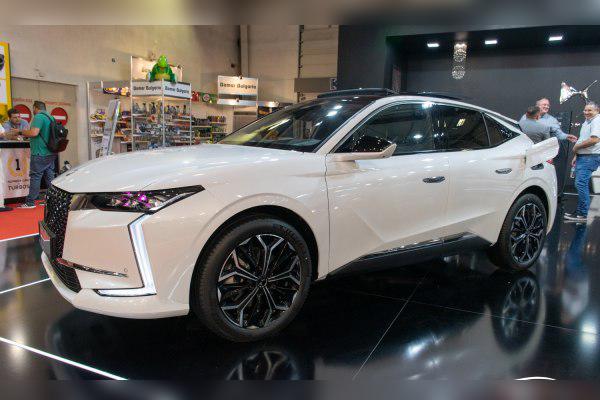
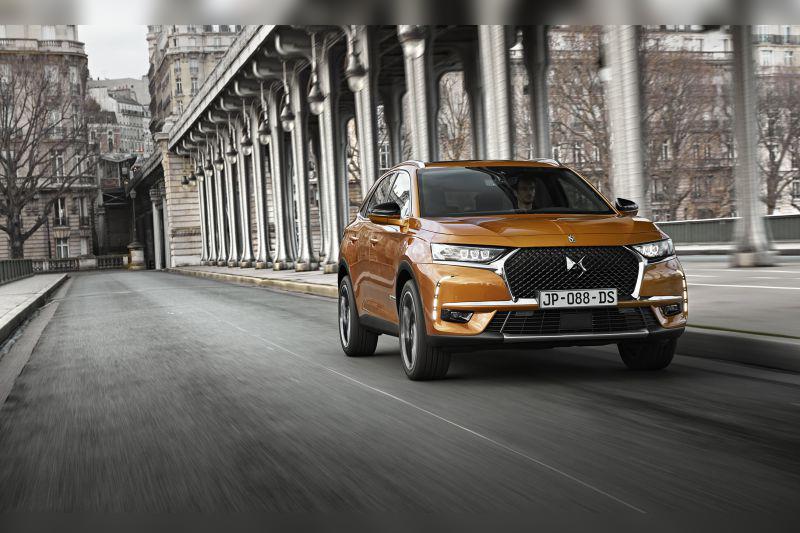
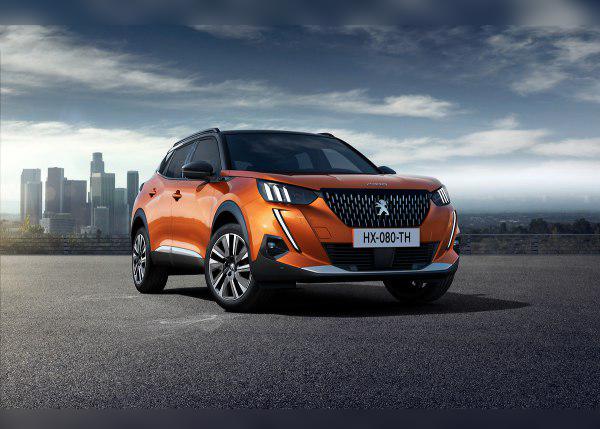
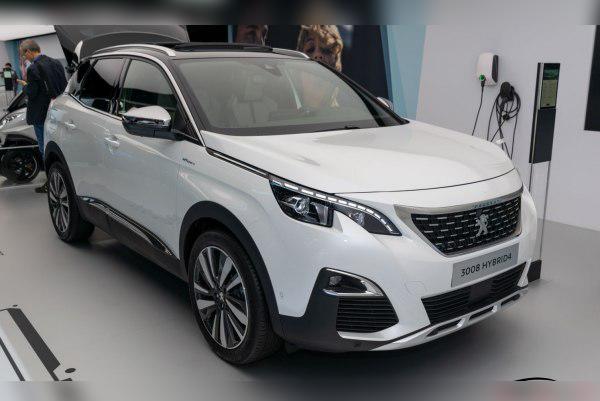
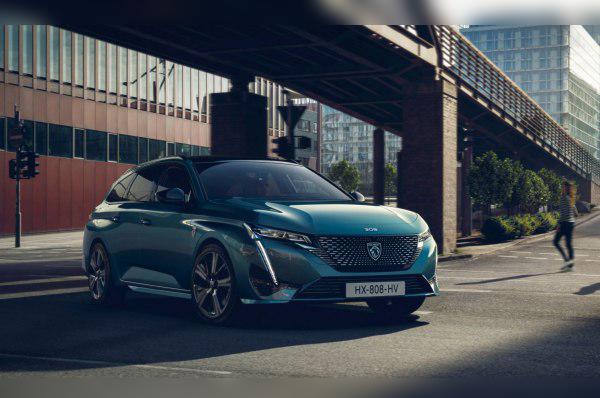
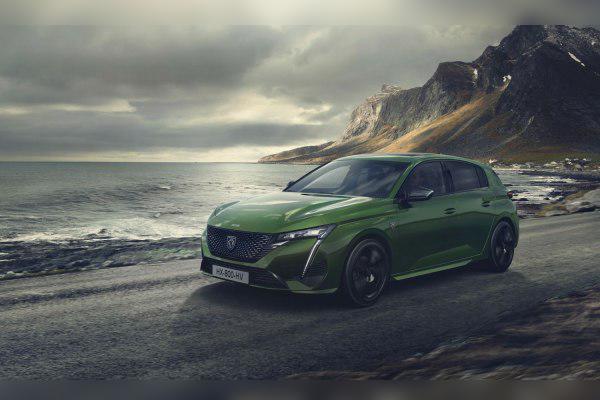
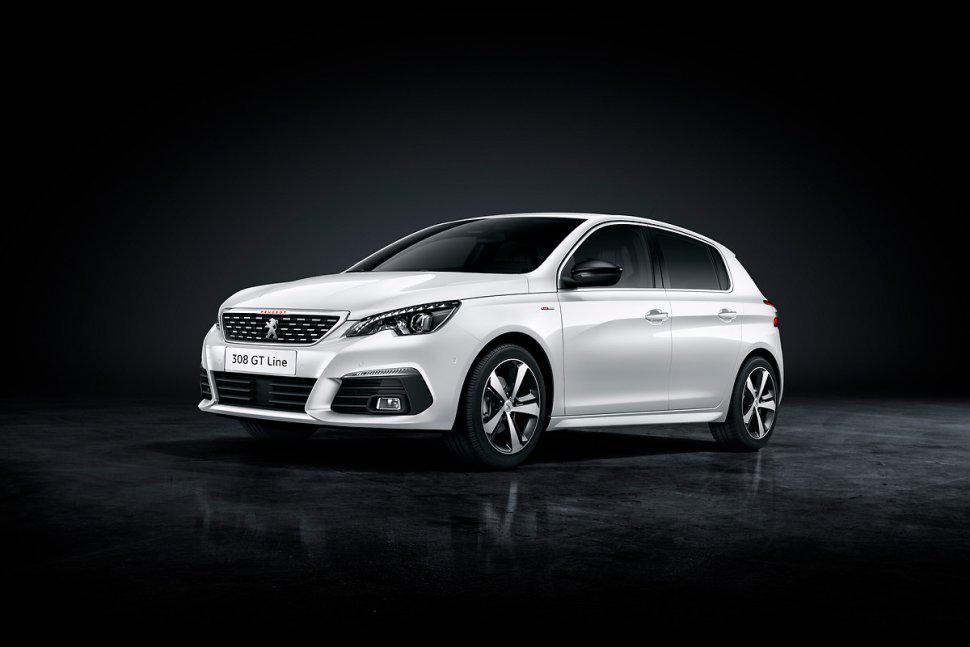
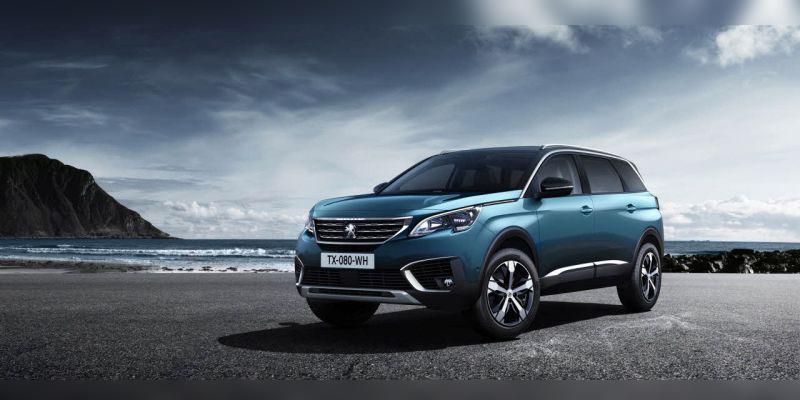
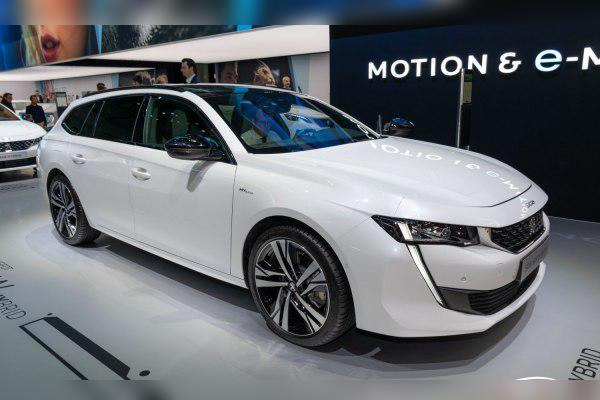
When the former PSA Group (now Stellantis) decided to retire the legendary 1.6 HDi due to strict Euro 6d emissions standards, a 1.5‑liter unit, designated as YHZ (DV5RC), took its place. With 130 hp, this 1.5 BlueHDi engine has been used in almost the entire vehicle range since 2017, including models such as Peugeot 2008, 308, 3008, 508, Citroen C4, the DS line, and even large SUVs like the Peugeot 5008. It is a modern common‑rail diesel with 16 valves that offers impressive torque and quiet operation, but it also comes with certain “teething problems” every potential used‑car buyer needs to know about.
Technical specifications
| Displacement | 1499 cc |
| Power | 96 kW (130 hp) |
| Torque | 300 Nm |
| Engine codes | YHZ, DV5RC |
| Injection type | Direct (Common Rail) |
| Charging | Turbocharger (Variable geometry), intercooler |
Reliability and maintenance
Timing belt or chain? A problem you must address!
This is the most important point with the 1.5 BlueHDi engine. The unit uses a timing belt for the main timing drive, but it also has a small chain that connects the two camshafts in the cylinder head. That chain is its Achilles’ heel. The factory initially fitted a 7 mm‑wide chain, which turned out to be a disastrous solution. Over time it stretches, starts rattling and, in the worst case, snaps, which leads to broken rocker arms, bent valves and severe cylinder head damage. The symptom a driver can notice is a specific metallic rattle or “clatter” from the top of the engine, especially on cold start. The solution is to replace the complete set with the upgraded version featuring an 8 mm chain. This is therefore the first thing you must check by VIN at an authorized service center.
Most common failures and major service
Besides the mentioned camshaft chain, the most common failures are related to the emissions systems (covered below). As for the major service, the manufacturer often specifies optimistic intervals, but any experienced mechanic will tell you that the major service (replacement of timing belt, tensioners, idlers, water pump and, in this case, preventive inspection or replacement of the infamous camshaft chain) should be done at a maximum of 100,000 to 120,000 km. Stretching the interval beyond that on this engine is playing Russian roulette.
Engine oil and change intervals
This engine takes about 4.0 liters of engine oil. Due to very fine oil passages and the sensitive chain, only top‑quality synthetic oil is recommended, most often in grades 0W‑20 or 0W‑30 (depending on the exact model year and manufacturer specification – it must meet the specific Stellantis standard). Oil changes are strictly recommended every 10,000 to a maximum of 15,000 km.
Oil consumption and injector lifespan
The engine is generally not an “oil burner”. It is normal for it to consume up to 0.5 liters between services. If you notice a significantly lower level on the dipstick, this usually indicates worn piston rings or oil leaking past the turbocharger bearings. The injectors are very durable and rarely cause problems before 200,000 to 250,000 km, provided you don’t fill up with dubious fuel full of water and dirt. The first symptoms of bad injectors are rough idling, increased exhaust smoke (if the DPF fails to mask it) and harder starting in winter conditions.
Specific components and failures (costs)
Fuel injection system and turbocharger
The DV5RC has a reliable Common Rail system. Injection components usually cover very high mileage without issues. The engine has a single variable‑geometry turbocharger, which responds smoothly and lasts for serious mileage provided the oil is changed on time. Turbo failure most often manifests as a “whistling” sound under acceleration and increased smoke. If it fails, overhaul or replacement is: expensive (depends on the market).
DPF, EGR and the notorious AdBlue system
This engine is equipped with a DPF (FAP) filter, an EGR valve and an SCR catalyst that uses AdBlue fluid. The EGR valve tends to clog with soot if the car never leaves city streets, which results in jerking at low revs and loss of power. The DPF generally copes well, with PSA using an Eolys additive to aid regeneration – it is topped up at around 100,000 km.
The real nightmare for 1.5 BlueHDi owners is the AdBlue system. Due to poor design and the chemical properties of urea (crystallization), the pump in the tank and the injector on the exhaust very often fail. Symptom: a warning appears on the instrument cluster saying, for example, that there are 1,000 km left before the engine will be prevented from starting, even though there is fluid in the tank. In many cases it is not possible to replace just the pump; the entire AdBlue tank has to be replaced, which is: very expensive (depends on the market).
Fuel consumption and performance
City and highway
One of the greatest strengths of the YHZ DV5RC engine is its fuel consumption. In stop‑and‑go city driving you can expect real‑world consumption of around 6.5 to 7.5 l/100 km, depending on body size and how heavy your right foot is. On the highway this engine is “in its element”. At a cruising speed of 130 km/h on open roads, consumption stays at an excellent 5.0 to 5.5 l/100 km. With the eight‑speed EAT8 gearbox, at 130 km/h the engine “purrs” at a low 2,000–2,200 rpm, which guarantees cabin quietness and less wear on components.
Performance and vehicle weight
With 300 Nm of torque, the engine always has power in reserve, but the impression depends heavily on the car it is pulling. In models such as the Peugeot 208, DS 3 or Peugeot 308, the car simply flies and in‑gear acceleration is fantastic. In mid‑size models like the Peugeot 508 or Citroen C4 X, it offers very solid and dynamic performance. However, if it is installed in heavy SUV models such as the Peugeot 5008, and you load up the trunk, four passengers and turn on the air conditioning, the engine starts to show its limits (1499 cc simply doesn’t have that much “lung capacity” to haul a big lump uphill). You will then notice that the gearbox has to downshift much more often and keep the engine at higher revs.
Additional options and modifications
Remapping (Stage 1)
Many drivers opt for a software power increase (Stage 1 remap). The YHZ 1.5 BlueHDi can safely be “raised” on the dyno from the stock 130 hp to about 155 to 160 hp, while torque increases to 350 to 360 Nm. Driving becomes noticeably smoother. However, keep the following in mind: due to the aforementioned camshaft chain and the sensitivity of the AdBlue/DPF system, only trusted tuners should be allowed to remap it. Aggressive fueling from a backyard tune will quickly destroy the DPF filter and overload the drivetrain.
Gearbox and drivetrain
Manual and automatic gearboxes
This engine comes paired with a precise six‑speed manual gearbox or an excellent EAT8 eight‑speed automatic gearbox made by Japanese manufacturer Aisin. The automatic is a true torque‑converter unit (hydrodynamic torque converter), not a robotized or dual‑clutch gearbox, which gives it an advantage in terms of reliability.
Gearbox failures and maintenance
The manual gearboxes are virtually indestructible, but regular oil changes at around 80,000 km will extend their lifespan. Manual versions are fitted with a dual‑mass flywheel to dampen diesel vibrations. If you hear a dull thud when switching the engine off or feel vibrations through the clutch pedal, the dual‑mass flywheel needs replacing. A complete clutch kit with dual‑mass flywheel is: expensive (depends on the market). It is worth mentioning that certain versions with the EAT8 automatic gearbox also have a specific torsional vibration damper that serves as a flywheel.
The EAT8 automatic gearbox is flawless only if it is maintained properly. The manufacturer usually declares the gearbox oil as “lifetime”, which is technical nonsense. If the automatic starts to jerk when shifting from second to third gear, or gives a harsh “thump” when shifting from N to D, it means the oil is full of metal particles that are blocking the valve body. Oil changes in the automatic gearbox must be carried out exclusively using a machine‑flush method every 60,000 to 80,000 km.
Buying used and conclusion
What to check before buying?
- Cold start: Ask the seller not to start the car before you arrive. At the first morning start, open the bonnet and listen carefully. Any knocking or rattling from the top of the engine is screaming “stretched 7 mm camshaft chain”.
- Service history (AdBlue): Use diagnostics and invoices to check whether the AdBlue tank has been replaced. Some unscrupulous sellers only temporarily clear the warning with diagnostics to sell the car, leaving you with a huge bill.
- Exhaust condition: Stick your finger into the tailpipe. It should be completely dry and clean, with no oily soot. If it is black with soot, the DPF filter is dead or removed.
- Automatic test drive: While the car is cold, shift into D and pull away gently. Watch how it shifts. The gearbox must not jolt or slam – shifts between gears should be silky smooth.
Conclusion: Who is this engine for?
The 1.5 BlueHDi (YHZ DV5RC) engine is technically very advanced and fantastic for those who regularly travel and cover long distances on the highway, as it is comfortable, quiet and economical. However, it is not intended for drivers who want a car strictly for short three‑kilometer trips to the bakery, because the emissions systems (EGR, DPF, AdBlue) will financially ruin them. When buying, make sure your budget includes money for fitting the reinforced 8 mm camshaft chain – once you sort that out, you get a very reliable and dependable engine that can serve you for years.