Renault 1.9 dCi (130 hp) F9Q engine: Experiences, problems, fuel consumption and used car buying tips
Key points (TL;DR)
- Mature design: The 130 hp version has outgrown most of the “childhood diseases” (such as crankshaft and rod bearing issues) that plagued the older 120 hp version.
- Timing drive: The engine uses a conventional timing belt, whose regular replacement is absolutely critical.
- Emissions: It has an EGR valve and a DPF (marked as FAP by Renault), which can cause problems in predominantly city driving. There is no AdBlue system.
- Power delivery: It has a dual-mass flywheel whose replacement is expensive, but it ensures smooth operation and protects the gearbox.
- Turbocharger: Considerably more reliable than on earlier generations, provided the oil is changed on time.
- Intended use: An excellent engine for open road and motorway driving, while everyday stop‑and‑go city traffic shortens the life of the emissions components.
Contents
- Introduction and engine history
- Technical specifications
- Reliability and maintenance
- Specific parts and costs
- Fuel consumption and performance
- Additional options and modifications
- Gearbox and drivetrain
- Buying used and conclusion
Introduction and engine history
If you mention the F9Q code among mechanics, you’ll usually get mixed reactions. The reason is that the early version of this 1.9 dCi engine (especially the 120 hp unit from the early 2000s) had serious issues with lubrication, turbocharger failures and spun rod bearings on the crankshaft. However, the version we’re talking about here – the 1.9 dCi with 130 hp and a FAP filter – is something of an engineering redemption.
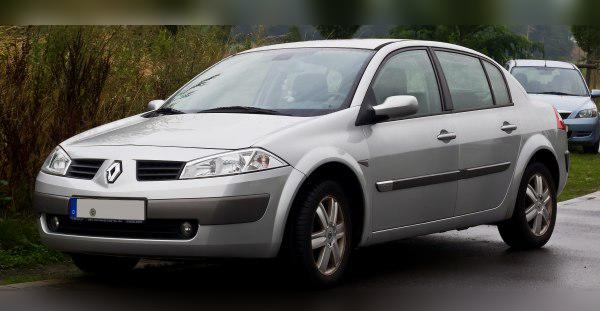
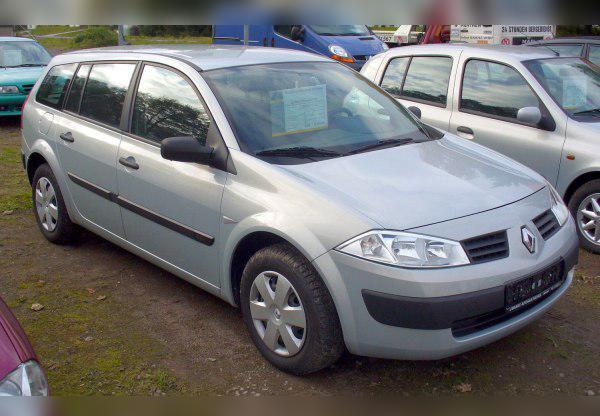
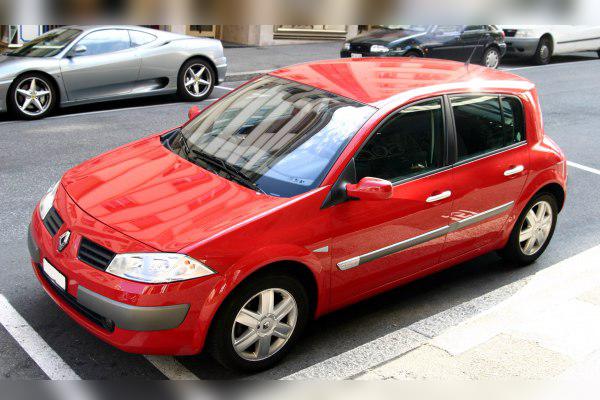
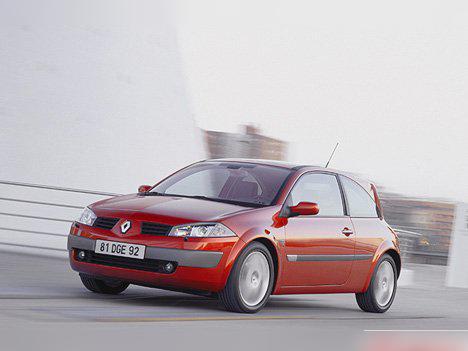
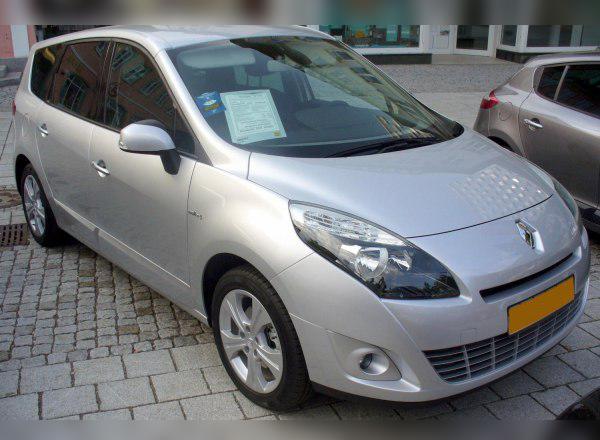
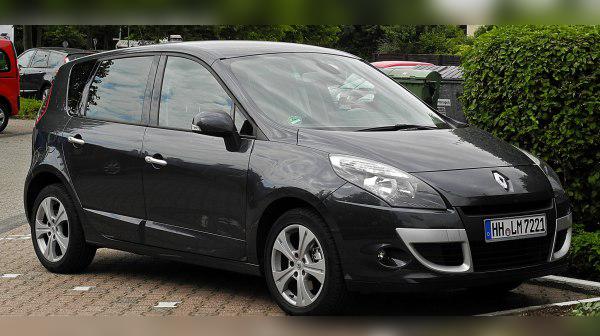
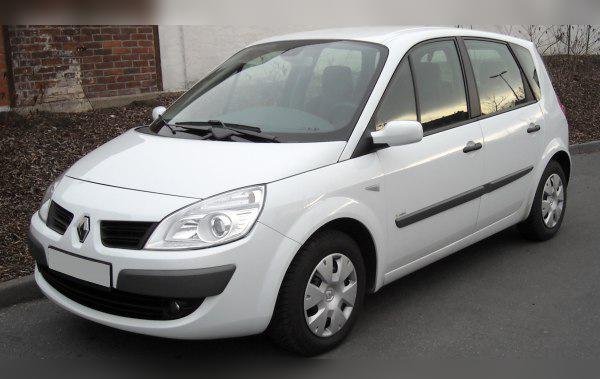
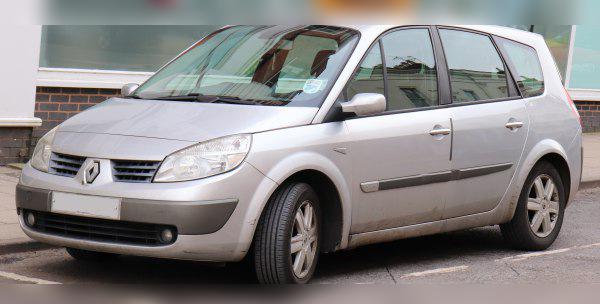
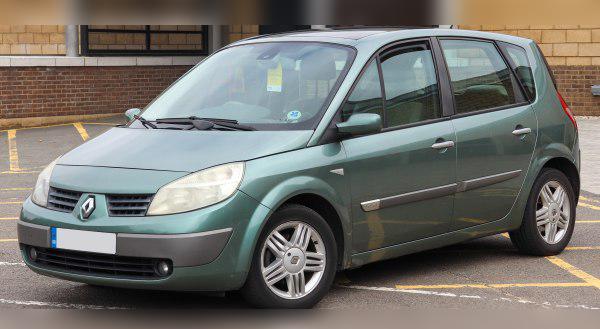
This engine was installed in a wide range of vehicles, from the Megane II (Classic, Grandtour, CC, GT) all the way to heavier bodies such as the Scenic II and Grand Scenic III. It was designed to deliver excellent torque with more refined operation, and improvements to the oil pump, engine block and turbocharger made this iteration one of the more reliable in its class for that time.
Technical specifications
| Parameter | Value |
|---|---|
| Displacement | 1870 cc |
| Power | 96 kW (130 hp) |
| Torque | 300 Nm |
| Engine codes | F9Q (with specific suffixes depending on model, e.g. F9Q 804, 803) |
| Injection type | Common Rail (direct injection) |
| Induction type | Turbocharger with intercooler (VGT turbo) |
| Fuel type | Diesel |
Reliability and maintenance
Timing drive and servicing
The 1.9 dCi F9Q uses a timing belt. Factory intervals for the major service, which includes replacement of the timing belt kit, tensioners, idlers and water pump, were often optimistically set at 120,000 km or 5 years. From workshop experience, the strong recommendation is to do the major service at 80,000 to 100,000 km. A snapped belt on this engine leads to total destruction of the valves and cylinder head, which is an extremely expensive repair.
Oil and oil consumption
This engine takes about 4.6 to 4.8 litres of oil. Because it has a FAP (DPF) filter, it is absolutely mandatory to use oil that meets the Renault RN0720 specification, most commonly a 5W‑30 Low SAPS grade. Using the wrong oil will permanently destroy the DPF filter.
As for oil consumption, a healthy F9Q should not burn large amounts. Mild consumption of around 0.3 to 0.5 litres per 10,000 km is considered normal, especially if you drive harder or cover many motorway kilometres. If the engine uses more than 1 litre between services, the problem is usually a worn turbocharger letting oil into the intake, or, less commonly, worn oil control rings.
Injection system: How long do the injectors last?
Unlike the notorious Delphi systems on the smaller 1.5 dCi engines, this 1.9 dCi mostly uses a more robust Bosch Common Rail system. The injectors have proven to be very durable. With good-quality fuel and regular fuel filter changes, the injectors can easily last over 250,000 km. Symptoms of worn injectors include rough idle (shuddering), black smoke (if the DPF is not functioning properly), harder cold starts in winter and increased fuel consumption.
Specific parts and costs
Dual-mass flywheel and clutch
Yes, the 1.9 dCi with 130 hp and 300 Nm of torque has a dual-mass flywheel. Its typical lifespan is between 150,000 and 200,000 km, depending on driving style (frequent city driving and flooring the throttle at low revs will kill it). Symptoms of failure include metallic rattling when switching off the engine, vibrations at idle and juddering when setting off. Replacing the complete kit (flywheel, clutch disc, pressure plate and concentric slave cylinder) is considered very expensive (depends on market), but it is essential to replace everything as a set.
Turbocharger
The engine has a single variable geometry turbocharger (VGT). On the 130 hp version it is structurally more robust, and the improved oil pressure prevents premature failure. The expected lifespan is around 200,000 km. To extend its life, change the oil regularly and, after fast motorway driving, let the engine idle for about a minute before switching it off so the turbo can cool down.
Emissions: DPF, EGR and AdBlue
This model has an EGR valve and a DPF (FAP) filter. The EGR valve tends to clog with soot, which leads to loss of power (the engine goes into limp mode) and jerking. Cleaning the EGR is a routine job. The DPF can be problematic if the car is driven exclusively in the city, as the system fails to perform regeneration. Symptoms of a clogged DPF include a warning on the instrument cluster (“Check Injection” or “Anti‑pollution fault”) and reduced performance. Replacing the DPF with a new one is expensive (depends on market).
It is important to note: this engine generation does not have an AdBlue system (SCR catalyst), which saves owners from potentially costly failures of the urea pump and injector.
Fuel consumption and performance
In the city and on the open road
For its displacement, the F9Q has reasonable fuel consumption, but it is not as frugal as the smaller 1.5 dCi. Real-world consumption in city driving is between 7.5 and 8.5 l/100 km, depending on whether it is fitted in a lighter Megane or a heavier Grand Scenic.
This engine is definitely not sluggish. With 130 hp and 300 Nm available from low revs (around 2000 rpm), it copes very well even with the seven‑seat Grand Scenic body. It provides safe and brisk overtaking.
On the motorway the engine shows its true character. Cruising at 130 km/h in sixth gear keeps the engine at a relaxed around 2,400 to 2,600 rpm (depending on the exact gearbox ratios in a given model). At this speed the engine is quiet and composed, and fuel consumption drops to an excellent 5.5 to 6.0 l/100 km.
Additional options and modifications
Thanks to its robust mechanical design (unlike the older versions), this engine handles so‑called “chip tuning” (remapping) very well. A Stage 1 remap can safely raise power to about 155 to 160 hp, and torque to an impressive 360 to 380 Nm.
However, although the engine block, pistons and turbo can handle this increase, the weakest link becomes the clutch and dual‑mass flywheel. Drivers who go for a Stage 1 remap must be careful and avoid full‑throttle acceleration from very low revs in high gears, otherwise the dual‑mass flywheel will fail very quickly.
Gearbox and drivetrain
Types of gearboxes and common failures
This engine most commonly comes paired with a 6‑speed manual gearbox (from the ND0 or TL4 family). The manual gearboxes are generally reliable, but after high mileage they can show signs of worn synchros (difficulty engaging first or second gear, grinding) or whining from the shaft bearings. The factory often states that the gearbox oil is “lifetime”, but any serious mechanic will recommend changing the manual gearbox oil every 80,000 to 100,000 km. This is an intervention that is not expensive (depends on market), and it protects the gearbox.
There are also versions with an automatic gearbox (mainly the older 4‑speed automatic or later more advanced variants depending on model year). The older automatics on these models (DP0/AL4) are known for being quite slow, increasing fuel consumption and being prone to failures of the electro‑valves (solenoids) in the hydraulic block. Symptoms include harsh jolts when changing gears, especially while the gearbox is cold. If you are buying an automatic, checking and changing the oil every 60,000 km is absolutely essential.
Buying used and conclusion
What exactly to check before buying?
When looking at a used Renault with the 1.9 dCi 130 hp engine, be sure to pay attention to the following:
- Cold start sound test: Listen to the engine as it starts. There should be no metallic knocks from the clutch area (dual‑mass flywheel). Idle should be smooth and even.
- Smoke and DPF test: A fully functional FAP system should not emit black smoke, even under hard acceleration. If there is smoke, it likely means the DPF has been physically removed, is clogged, or has cracked, and the injectors may be over‑fueling.
- Visual inspection: Check the intercooler hoses and intake pipes. If they are very oily, the turbo is starting to leak oil. Also check for oil leaks on the sump and around the valve cover.
- Diagnostics: ALWAYS connect the car to a professional diagnostic tool (ideally Renault Can Clip). Check the “ash mass” in the DPF filter and the injector correction values. These figures tell you how worn the engine really is.
Final conclusion
Should you avoid the 1.9 dCi engine? If we’re talking about the old 120 hp version – there were valid reasons for concern. However, this 1.9 dCi (130 hp) FAP is a completely different, mature story. It is a very rewarding engine that offers an excellent compromise between power, flexibility and economy.
Who is it for? It is intended for drivers who need a car for open road use, longer trips and for those who appreciate strong torque for overtaking or towing heavier bodies such as the Scenic. If you need a car solely for 3‑kilometre commutes to work and back, this diesel will give you headaches because of EGR and DPF issues – for such conditions, a petrol engine is always the better choice.