Renault 1.9 dTi / dCi (F9Q) 98 HP: Experiences, problems, fuel consumption and used car buying guide
Key points (TL;DR)
- Durable old-school design: The 98 HP F9Q engine is known for its longevity; passing 400,000 km without opening the engine is not uncommon.
- Serpentine belt risk: The biggest design flaw is the failure of the auxiliary (serpentine) belt, which can slip under the timing belt and cause catastrophic engine damage.
- No dual-mass flywheel: In the 98 HP version it mostly uses a solid flywheel, which drastically reduces maintenance costs.
- Cheap to maintain: Spare parts are widely available, and repair prices are generally low (depends on the market).
- No DPF or AdBlue: Given the production years and Euro 2/Euro 3 standards, you are free from modern emissions-related headaches.
- Fuel consumption: Very reasonable for its time, from 5.5 l/100 km on the open road to 7.5 l/100 km in the city.
Contents
Introduction: Renault’s old-school diesels
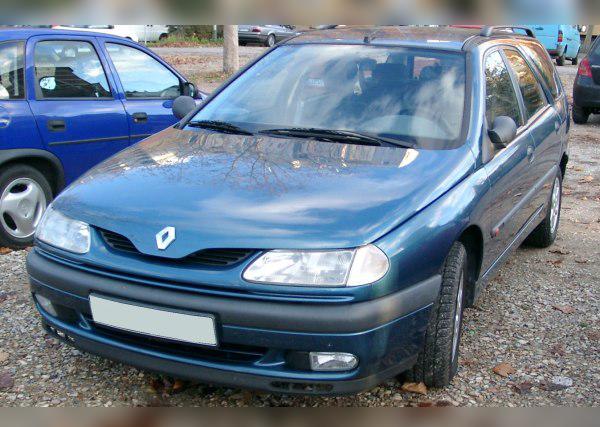
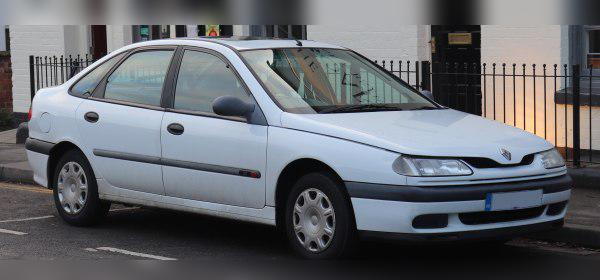
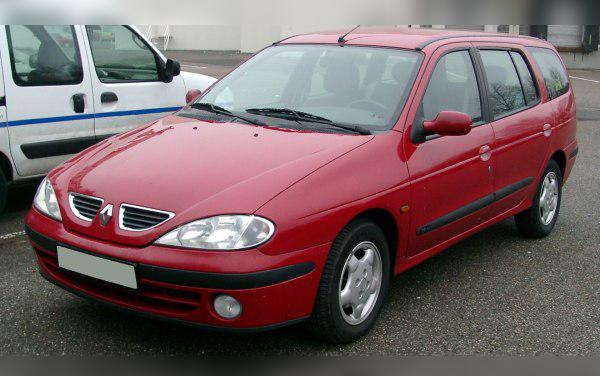
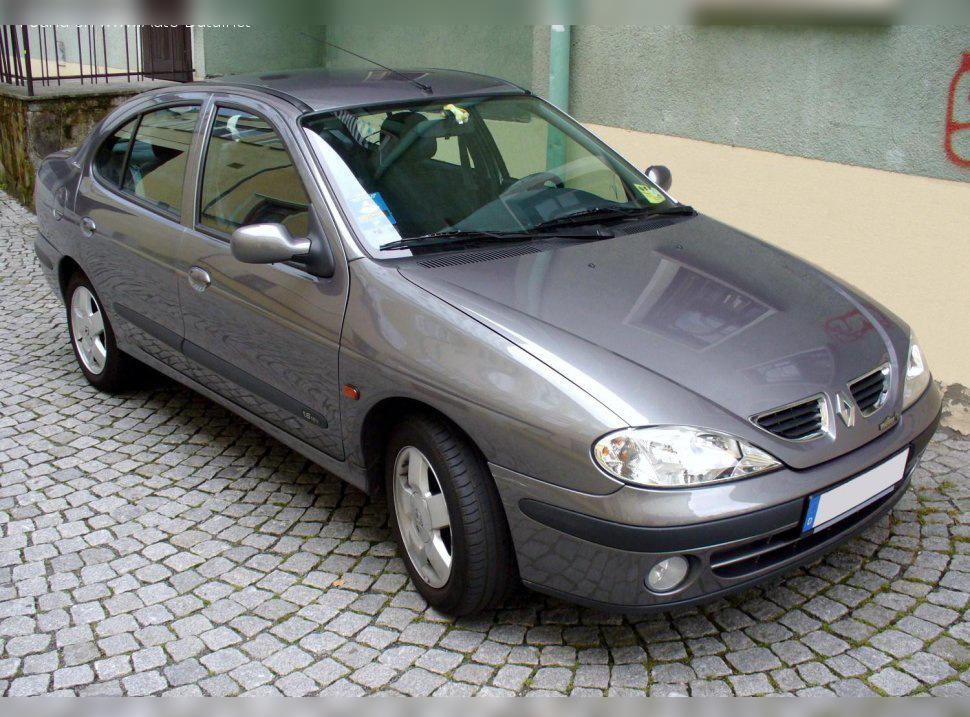
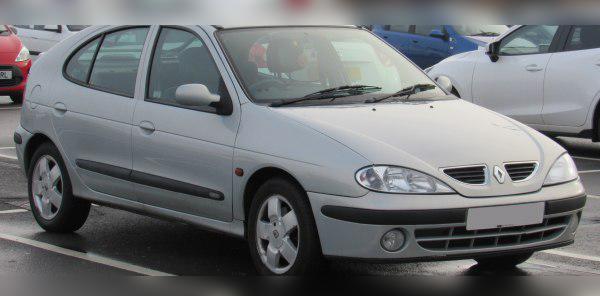
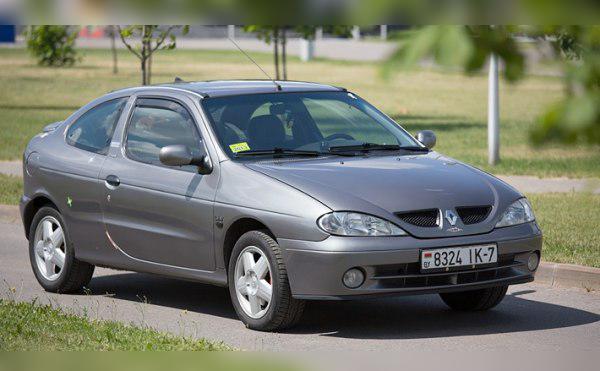
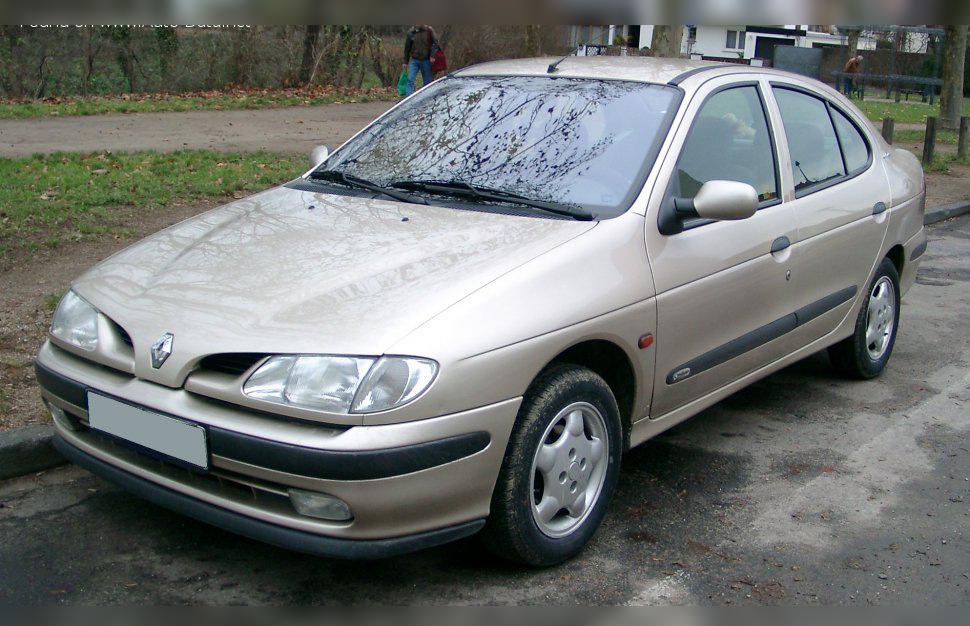
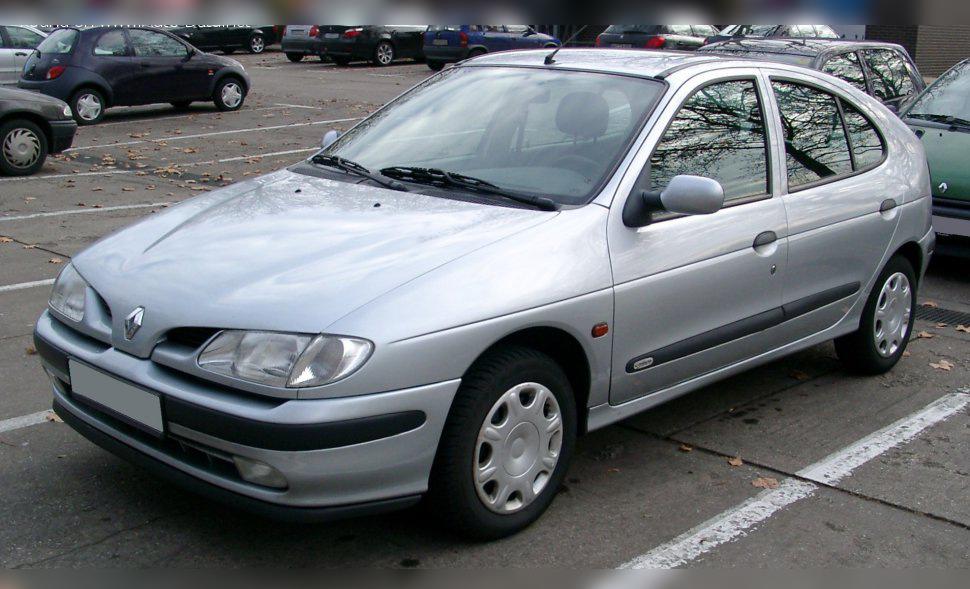
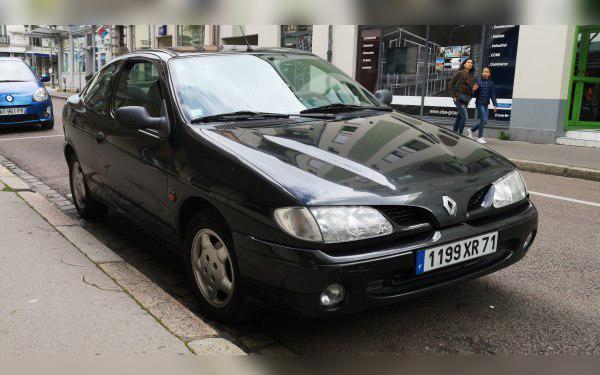
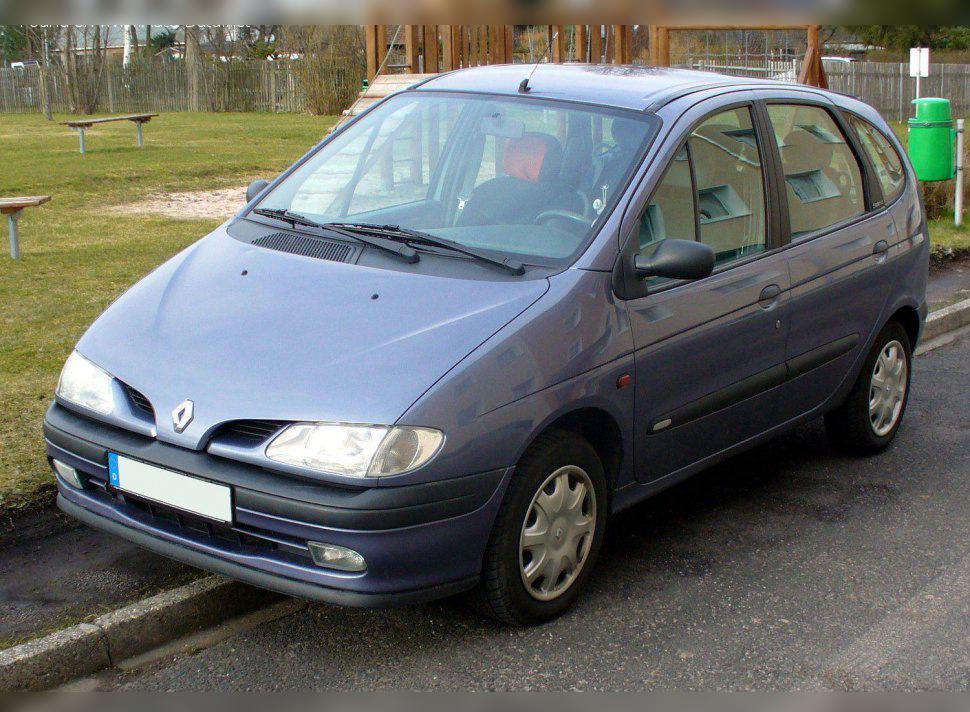
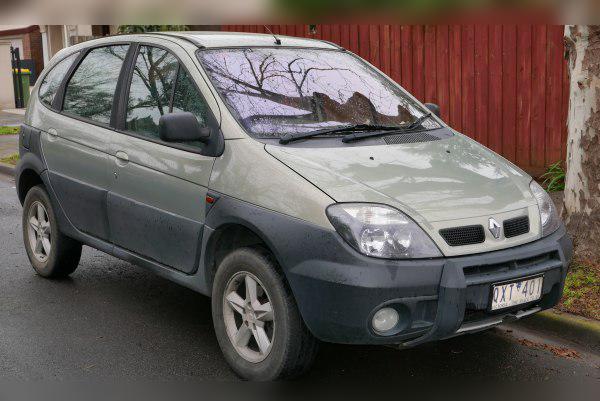
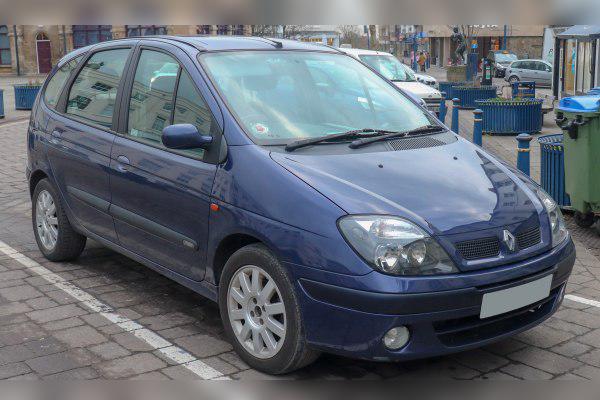
The F9Q engine is one of the most important powerplants in Renault’s more recent history. Before modern “dCi” engines with high-precision common-rail systems fully took over the market, Renault offered a transitional solution – the 1.9 dTi with direct injection, delivering a neat 72 kW, i.e. 98 HP. This engine was widely installed in late 1990s and early 2000s models, including the first generations of Megane, Scenic and Laguna. Since this was the turn-of-the-century period, in some markets the 98 HP F9Q was also offered as an early, slightly detuned dCi system, but the core of the engine remained the same. If you are looking for old-school robustness and an engine that is relatively cheap to patch up when things go wrong, the 98 HP F9Q deserves your attention.
Technical specifications
| Parameter | Specification |
|---|---|
| Engine code | F9Q (dTi / early dCi) |
| Displacement | 1870 cc |
| Power output | 72 kW (98 HP) |
| Torque | 200 Nm |
| Injection type | Direct (rotary pump on dTi / Common Rail on dCi) |
| Induction | Turbocharger (fixed geometry) |
Reliability and maintenance
Timing belt or chain?
This engine uses a timing belt. The timing system is relatively simple, but it hides one major flaw that any experienced mechanic will warn you about. The most common catastrophic failure on F9Q engines is not directly related to the timing belt itself, but to the auxiliary (serpentine) belt that drives the alternator, power steering pump and A/C compressor. When the alternator clutch pulley seizes or the tensioner loosens, the serpentine belt snaps. Its remnants often find their way under the timing belt cover, slip under the belt and cause the engine to jump timing, resulting in total destruction of the valves and cylinder head. That’s why it is mandatory to inspect and replace the entire auxiliary drive together with the timing kit.
Service intervals and engine oil
The major service is typically done every 60,000 to 80,000 km, or every 5 years. This is not an engine on which you can safely extend this interval, due to the problem mentioned above.
As for oil capacity, the F9Q takes approximately 4.5 to 5 liters of oil (depending on filter capacity). For older dTi variants, a semi-synthetic 10W-40 grade is usually recommended, while dCi variants prefer fully synthetic 5W-40. The recommended oil change interval is 10,000 km. Does it burn oil? Due to aging piston rings and the turbocharger itself, consumption of around 0.5 liters between two services is completely normal on vehicles older than two decades. If it burns more than 1 L per 10,000 km, it’s time to check the turbo or valve stem seals.
Injection system: Injector lifespan
Since this is a diesel, injector durability depends on the system. The dTi model (98 HP) uses a reliable Bosch VP37 rotary pump and two-stage mechanical injectors. They are extremely durable; it is not unusual for them to exceed 300,000 km with basic maintenance, and overhauling them is not expensive (depends on the market). In dCi variants with the same power output, an early common-rail system is used, which is more sensitive to poor fuel quality. The return valves in the injectors tend to leak, which the driver notices as difficult starting (long cranking).
Specific parts (costs)
Dual-mass flywheel and clutch
Good news! Since the engine develops “only” 200 Nm of torque, in the 98 HP versions (especially in early Lagunas and Meganes) it is most often fitted with a classic solid flywheel. This means the gearbox does not require an expensive dual-mass flywheel replacement, so the price of a clutch kit is more than acceptable, i.e. the repair is not costly (depends on the market). If you come across a specific dCi model equipped with a dual-mass flywheel, bear in mind that these are rare and mostly associated with more powerful variants (120 HP).
Turbocharger and emissions equipment
The engine uses a simple fixed-geometry turbocharger (usually Garrett). The lifespan of this turbo is excellent and it can easily reach 250,000 km if the driver changes the oil regularly and does not switch off the engine immediately after heavy load on the motorway. Symptoms of a failing turbo are bluish smoke from the exhaust and a whistling noise under load.
As for emissions – this model does NOT have a DPF filter nor complicated systems such as AdBlue, which makes it extremely cheap to own. There is an EGR valve and, since this is a diesel, soot will build up over time. A clogged EGR valve manifests itself as thick black smoke under sudden acceleration, loss of power and jerking while driving. Fortunately, it is easy to clean and does not always need to be replaced.
Fuel consumption and performance
City driving and fuel consumption
Real-world fuel consumption in city driving, taking stop-and-go traffic into account, ranges between 6.5 and 8.0 l/100 km. Consumption varies significantly depending on whether the engine is in a lighter Megane or a heavier Scenic. As for agility, the 98 HP F9Q is no racer. Its 200 Nm are available at low revs, which means it handles load easily, but due to the early torque curve it becomes “lazy” at higher revs. In a lighter Megane it is more than adequate, but in a Laguna Grandtour or Scenic loaded with luggage, the driver must be aware of the lack of power reserve when overtaking on country roads.
On the open road
The engine performs very well on secondary roads, where fuel consumption can drop to as low as 5.0 l/100 km. However, the five-speed gearbox shows its weaknesses on the motorway. At 130 km/h, the rev counter is close to 3,000 rpm. The engine then becomes noisier and consumption rises to around 6.0 to 6.5 l/100 km. If you are looking for a quiet cruiser for daily long-distance motorway trips, the lack of a sixth gear is quite noticeable.
Additional options and modifications
Is it worth “chipping” (remapping) the 98 HP F9Q? Technically speaking, a standard Stage 1 software tune can safely raise the power of this engine to about 115 to 120 HP, with torque increasing to around 240 Nm. In its stronger factory variants, the engine is already quite “stretched” in terms of the durability of supporting components, but the 98 HP version has some headroom for improvement. Still, the mechanic’s advice is: given the age of the engine, intercooler pipes, turbo condition and cooling hoses, remapping is risky unless you are sure the car has been maintained in perfect mechanical condition. Otherwise, you will significantly accelerate the failure of the turbo or clutch kit.
Gearboxes: maintenance and failures
Manual and automatic gearboxes
This engine was mostly paired with a five-speed manual gearbox (JC5 series). It is solid, but over the years certain weaknesses appear – the most common problem is oil leakage at the gear selector shaft (the “selector”), which is standard for Renaults of that era, as well as slight grinding of the second-gear synchro if the car has been driven aggressively. Gearbox oil of 75W-80 grade (about 3.4 liters) should be replaced every 80,000 to 100,000 km to extend the life of the bearings.
On the other hand, there was also a four-speed automatic gearbox on offer (most often from the DP0/AL4 series). If you can, avoid this automatic. It is known for overheating in city traffic, slow gear changes and failing electro-valves (solenoids) in the valve body. Symptoms of failure are harsh shifts from first to second gear and activation of “Safe mode” while driving. If you still opt for an automatic, servicing and oil changes in the gearbox are mandatory every 40,000 to 60,000 km, but keep in mind that repairing an automatic gearbox is expensive to very expensive (depends on the market).
Buying used and conclusion
What to check before you pay?
- Cold start: The engine should not crank for long, and if at start-up it emits a cloud of bluish or white smoke that disappears after a few minutes, the problem may be with the glow plugs, stretched timing or poorer compression in one of the cylinders.
- Timing belt service records: As mentioned above, never buy this car without clear proof of when the major service was done, due to its tendency to suffer catastrophic failure related to the auxiliary belt. If you are not sure, do the timing belt the same day.
- Oil leak inspection: The F9Q tends to weep oil around the valve cover, the oil feed line to the turbo and around the joint between the gearbox and the engine.
- Black smoke while driving: In second gear, floor the accelerator – if a large “curtain” of black smoke remains behind you, the EGR valve is completely clogged or a boost pipe to the intercooler is leaking (has a hole).
Mechanic’s final verdict: Who is it for?
The 98 HP F9Q engine (both dTi and dCi) is a proven, durable “pack mule” from the old days. It is intended for drivers who value low running costs and the absence of expensive modern headaches such as dual-mass flywheels (in most cases), DPF filters, NOx sensors and complex electronics. It does not offer refined operation or top motorway performance, but in return it provides affordable and reliable transport. If the major service is done on time and the oil is changed regularly, this engine will outlive the body it is installed in.