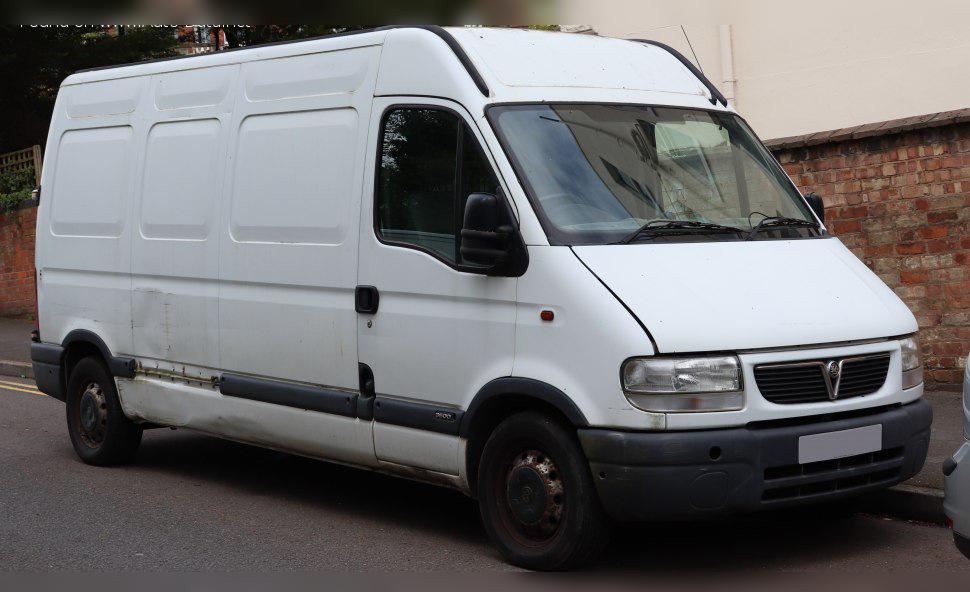
G9U 750 / G9U 754 Engine (2.5 CDTI 115 HP): Experiences, Problems, Fuel Consumption and Used Van Buying Guide
- A solid workhorse, offering excellent flexibility when kept in its optimal rev range.
- The biggest weak point are the injectors that seize in the cylinder head due to moisture ingress.
- The timing system is hybrid and complex (gears + timing belt), and requires an experienced specialist.
- The EGR valve often clogs and chokes the engine if the vehicle is used mainly in city traffic.
- Manual gearboxes suffer from sensitive bearings; regular oil changes are a must.
- There is no AdBlue system, which significantly simplifies and reduces maintenance costs compared to newer vans.
Contents
- Introduction: About the G9U Engine
- Technical Specifications
- Reliability and Maintenance
- Specific Parts and Costs
- Fuel Consumption and Performance
- Additional Options and Modifications
- Gearbox: Failures and Maintenance
- Buying Used and Conclusion
Introduction: About the G9U Engine
The G9U 750 and G9U 754 engines are part of a very widespread family of 2.5‑liter diesel units, developed in cooperation between Renault and Nissan, while Opel/Vauxhall installed them under the commercial name 2.5 CDTI. This powerplant was used in numerous light commercial vehicles, primarily in the popular Vauxhall/Opel Movano (facelift models from 2003 onwards) in various payload configurations (2800 to 3500 kg) and body lengths (SWB, MWB, LWB). It is considered a strong workhorse capable of covering hundreds of thousands of kilometers, but it requires strict adherence to maintenance intervals and early recognition of minor symptoms before they turn into a major failure.
Technical Specifications
| Specification | Value |
|---|---|
| Displacement | 2463 cc |
| Power | 85 kW (115 HP) at 3500 rpm |
| Torque | 290 Nm at 1600 rpm |
| Engine codes | G9U 750, G9U 754 |
| Injection type | Common Rail (Bosch) |
| Turbo/Naturally aspirated | Turbocharger with intercooler |
| Fuel | Diesel |
Reliability and Maintenance
Does this engine have a timing belt or a chain?
This engine uses a very specific and complex hybrid timing system. From the crankshaft to the high‑pressure pump, drive is transmitted via a set of gears (gear drive), while from the high‑pressure pump to the camshafts a timing belt is used. Because of this, the engine does not have a conventional timing chain, but the belt is present and its regular replacement is critical to prevent contact between valves and pistons.
Most common failures and major service
According to factory recommendations, the major service is done at around 100,000 to 120,000 km, although experienced mechanics always advise replacement at 100,000 km or every 5 years. Replacing the timing belt, tensioner and idler pulleys on this engine is not a job for beginners and requires special locking tools. In addition, the most common engine issues include leaking overflow hoses, oil leaks on seals, as well as problems with fuel pressure sensors.
Oil capacity, grade and oil consumption
The sump of this 2.5 CDTI engine holds a large amount of oil – generally around 8 liters (in practice between 7.5 L and 8 L, depending on how it is drained and whether the filter is replaced). The recommended grade for models without a DPF is 5W‑40, while later models (which may have a DPF, depending on year and emission standard) require 5W‑30. As for oil consumption between services (every 10,000 – 15,000 km), it is normal for the engine to burn around 0.3 to 0.5 liters per 1000 km if the van is constantly driven fully loaded and under heavy strain. If consumption significantly exceeds this, the problem is usually worn turbocharger or piston rings.
Specific Parts and Costs
Dual‑mass flywheel, Injectors and Fuel Injection System
Yes, this engine is equipped with a dual‑mass flywheel to reduce the vibrations of a large diesel and protect the shafts in the gearbox. Its failure manifests itself as a dull knocking at idle, clutch pedal vibrations and jerking when moving off in first gear.
The injection system is Bosch Common Rail. The injectors themselves are inherently durable and of good quality, often easily lasting more than 250,000 km before excessive return flow starts to cause problems. However, this engine suffers from a major and notorious design flaw: moisture, rainwater and washer fluid run off the windscreen directly onto the plastic engine cover, then down into the injector well area where they accumulate. Due to rust and dirt, the injectors literally “weld” themselves to the cylinder head over time. When the time comes to replace them, removal becomes a nightmare. Special hydraulic pullers often have to be used, and in extreme cases the injector can break off in the head, which requires removing the entire cylinder head – this is very expensive (costs depend on the market).
Turbo, EGR, DPF and AdBlue
The engine is fitted with a fixed or variable geometry turbocharger with an intercooler (depending on exact specification and market). Its lifespan exceeds 200,000 km provided the oil is changed on time. Symptoms of a worn turbo are loss of power, a loud whistling sound (like a siren) and increased black or blue smoke under acceleration.
The engine has an EGR valve that tends to clog quickly with soot. Symptoms of a blocked EGR include jerking, rough running, black smoke and loss of power at low revs. Early versions with this engine (Euro 3/Euro 4) generally do not have a DPF, which is a huge relief for owners, but it appears on later iterations towards the end of production. There is no AdBlue (SCR) system, since this is an older generation engine, so you have no issues or maintenance costs related to it.
Fuel Consumption and Performance
City driving and performance under load
In stop‑and‑go city driving, real‑world consumption hardly drops below 10 to 12 l/100 km. With a heavy body of over 2 tons for an empty vehicle (especially LWB versions) and with occasional load, this engine has to work hard. Is it sluggish? With 115 HP (85 kW) in the smallest SWB (L1H2) variant, an empty van goes quite decently. However, in an LWB model loaded up to a total of 3500 kg, the lack of power is noticeable. It lacks reserves for safe overtaking on inclines, and the driver will often have to shift down and rev the engine above 2500 rpm to maintain pace.
Motorway and cruising
On the motorway, the aerodynamics of the Movano/Master resemble a “brick”. At 130 km/h the engine spins at a fairly high 2800 to 3000 rpm in sixth gear (depending on the final drive ratio, which differs between cargo and “high‑speed” versions). At that speed, the engine becomes noisy and fuel consumption quickly rises to 11.5 to 13 l/100 km. Its ideal cruising “sweet spot” is between 100 and 110 km/h, where it is most efficient and uses around 8.5 to 9.5 liters per 100 km on the open road.
Additional Options and Modifications
Commercial diesel engines are often remapped to cope with higher loads. This engine responds very well to a Stage 1 remap, which safely raises power to around 140–145 HP, while torque increases from 290 Nm to over 340 Nm. This modification radically changes the driving feel, especially when the van is fully loaded, as it allows much easier uphill driving without the engine bogging down. However, keep in mind that the increased torque puts additional stress on the already sensitive manual gearbox and dual‑mass flywheel, so it must be driven with mechanical sympathy.
Gearbox: Failures and Maintenance
Types of gearboxes and the most common issues
With the 115 HP G9U, a 6‑speed manual gearbox is most commonly fitted (usually the infamous PK6 / PF6 series) or its automated “brother” called Tecshift (Quickshift in Renault terminology).
The manual gearbox (PK6/PF6) is considered a weak point of this vehicle. The main problem is rapid wear and failure of the bearings on the gearbox shafts. Symptoms start as a constant humming or whining noise (most noticeable in 5th and 6th gear), and if ignored, the gearbox starts popping out of gear and eventually suffers total failure. On the other hand, the automated (Tecshift) gearbox is essentially a conventional manual with a robotized hydraulic actuator for shifting. This system can be frustratingly slow when changing gears. Failures manifest as refusal to engage a gear (staying in neutral), jerking when engaging or loss of hydraulic pressure. Repairing the hydraulic robot is expensive (costs depend on the market) and requires a highly specialized mechanic.
Flywheel and gearbox maintenance
We have already mentioned that this model has a dual‑mass flywheel. The complete kit – dual‑mass flywheel, clutch disc, pressure plate and release bearing – is a fairly demanding job on such a large van, and the parts themselves are expensive (costs depend on the market).
To extend the service life of the manual gearbox, it is strongly recommended to change the gearbox oil every 60,000 km. Although manufacturers once claimed that the oil is “lifetime”, in practice this is a sure way to destroy the bearings. It is essential to use only the specific factory‑recommended oil of the exact viscosity (at one time Tranself NFP/NFX standard), because using the wrong oil destroys the synchros.
Buying Used and Conclusion
What exactly should you check before buying?
- Gearbox noise while driving: Accelerate and go through all gears. Any grinding or whining, especially in fifth and sixth gear on the open road, means that a gearbox overhaul (bearing replacement) is imminent.
- Area around the injectors: Remove the plastic engine cover if possible and check whether the engine is rusty or damp around the injectors. If the injectors look like a solid block of rust – walk away from that van!
- Oil filler cap check (blow‑by): With the engine at operating temperature, remove the oil filler cap. Slight fumes and vapor are within normal limits, but if the engine is blowing out a lot of compression and spraying oil (so‑called blow‑by), the piston rings are already worn out.
- Diagnostics (EGR and injector corrections): Always hook the vehicle up to diagnostics and check injector correction values at idle. Also check the fault code history related to the EGR.
Who is this engine for?
The G9U 750/754 engine with 115 HP in the Vauxhall/Opel Movano is a true “workhorse”. It is intended for small business owners, tradespeople and delivery drivers who need a spacious and robust vehicle and who understand that a commercial vehicle requires regular investment. It is not a racer and in heavier body versions it can feel sluggish, but it makes up for that with toughness when properly maintained. However, a used example with an unknown service history – especially with a neglected PK6 gearbox and seized injectors – can turn your profit into a repair bill overnight. That is why, when buying, a good mechanic and diagnostic tool must go with you!