Renault 1.4 16V K4J engine: Experiences, issues, fuel consumption and used car buying tips
Key points in short (TL;DR)
- Old-school mechanics: Naturally aspirated petrol engine without turbo, extremely simple and generally reliable.
- Timing belt: The engine uses a belt, so regular major service is absolutely mandatory to avoid catastrophic failure.
- Most common failures: Ignition coils (especially on older models) and a dirty throttle body.
- No expensive parts: No dual-mass flywheel, no DPF filter, and no complex injectors.
- LPG: One of the best engines for installing a sequential LPG system.
- Performance and weight: Very lively in a light Clio, but in models such as the Megane or Scenic it feels sluggish and consumes significantly more fuel.
Contents
- Introduction: About the K4J engine
- Technical specifications
- Reliability and maintenance
- Specific parts and costs
- Fuel consumption and performance
- Additional options and modifications
- Gearbox and drivetrain
- Buying used and conclusion
Introduction: About the K4J engine
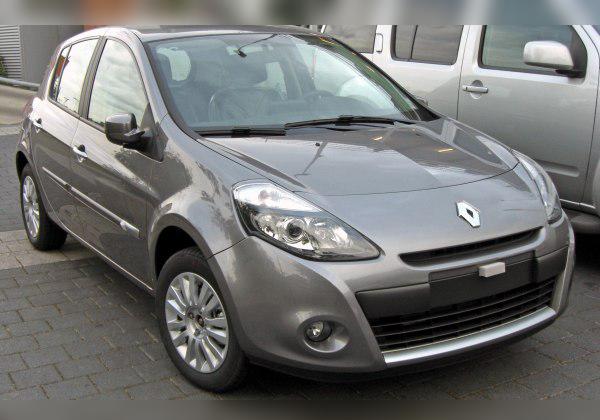
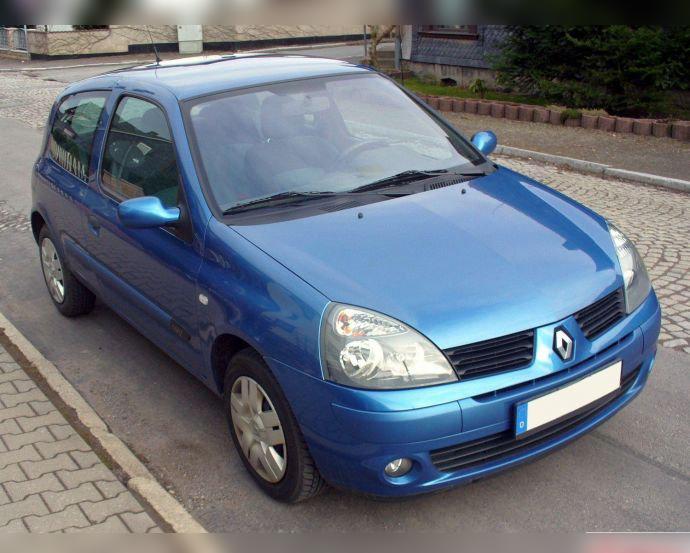
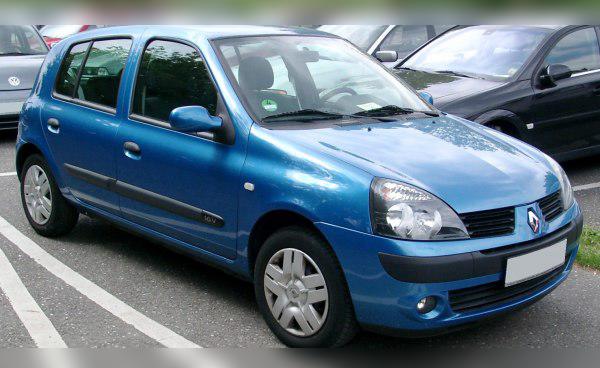
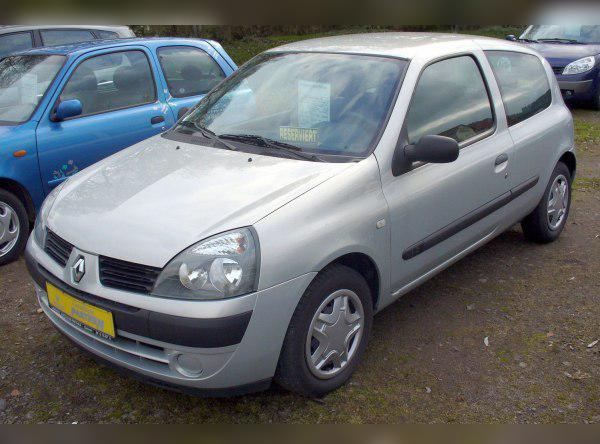
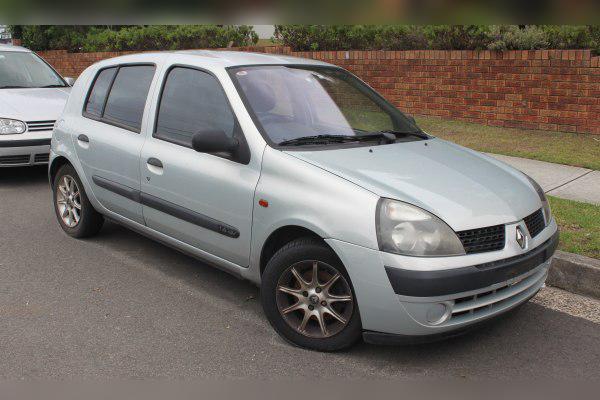
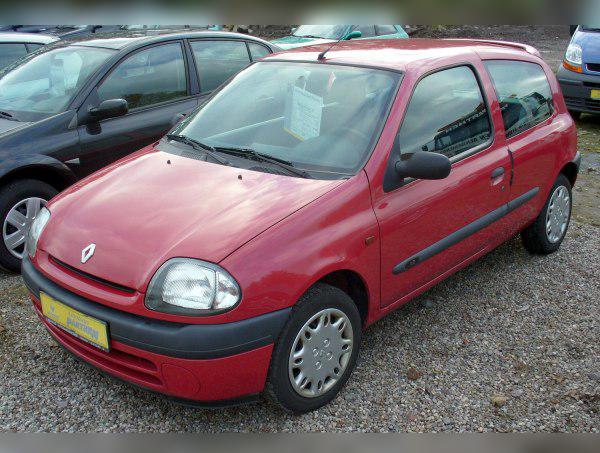
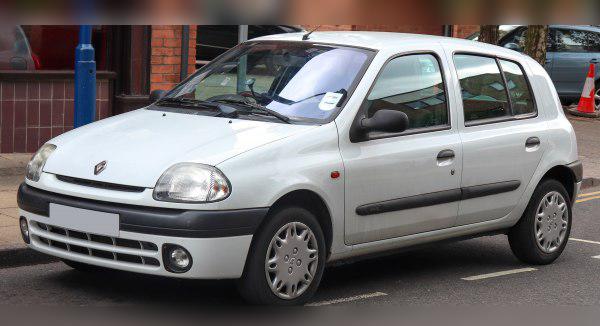
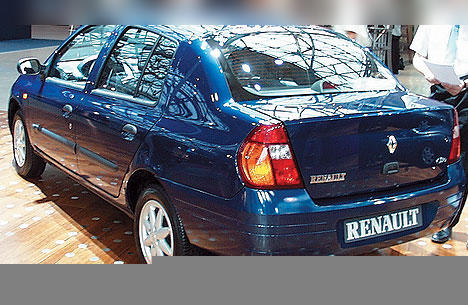
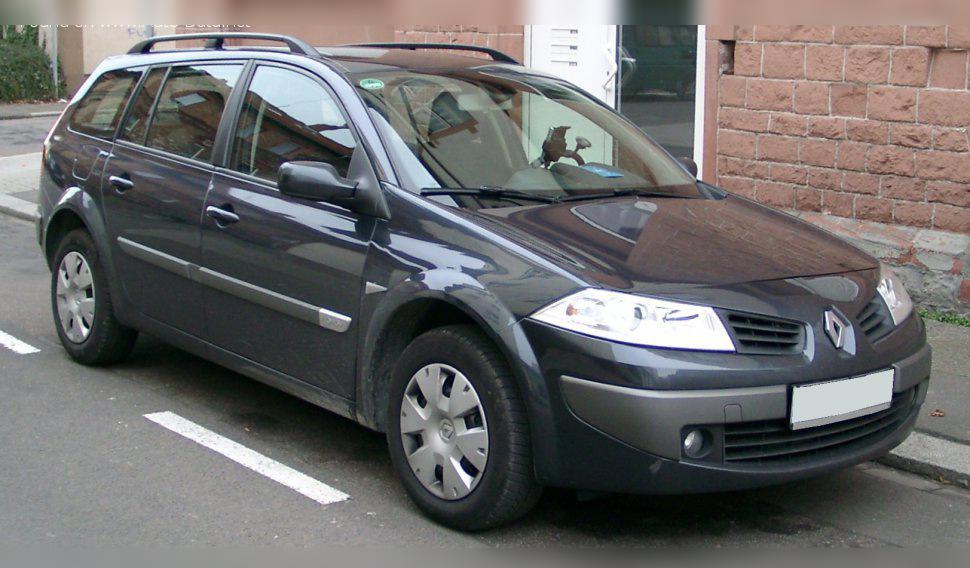
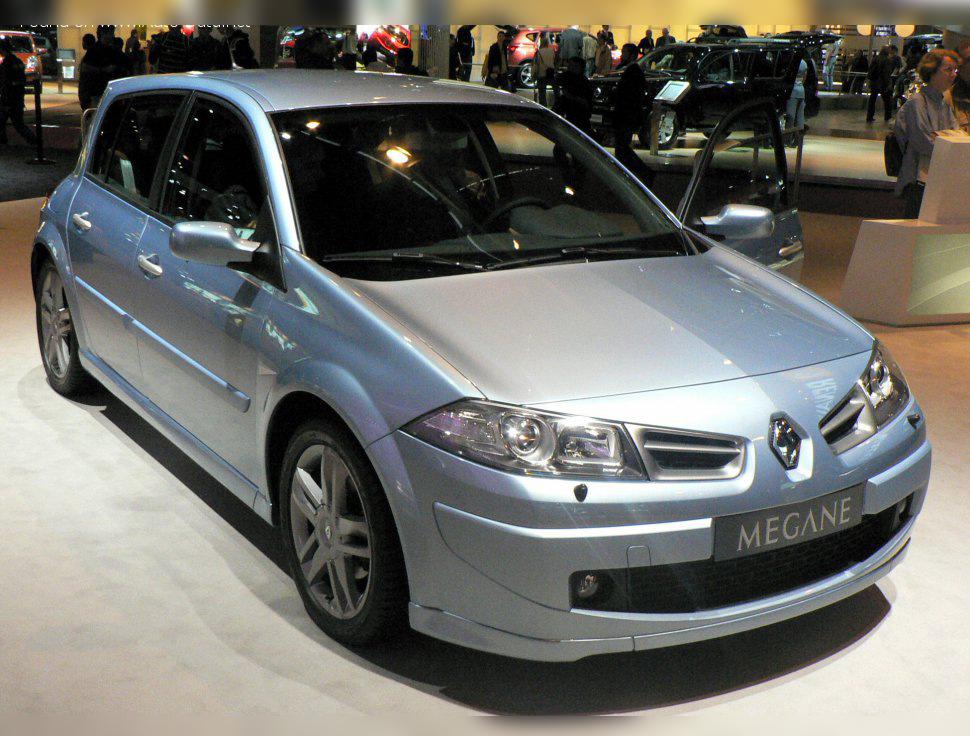
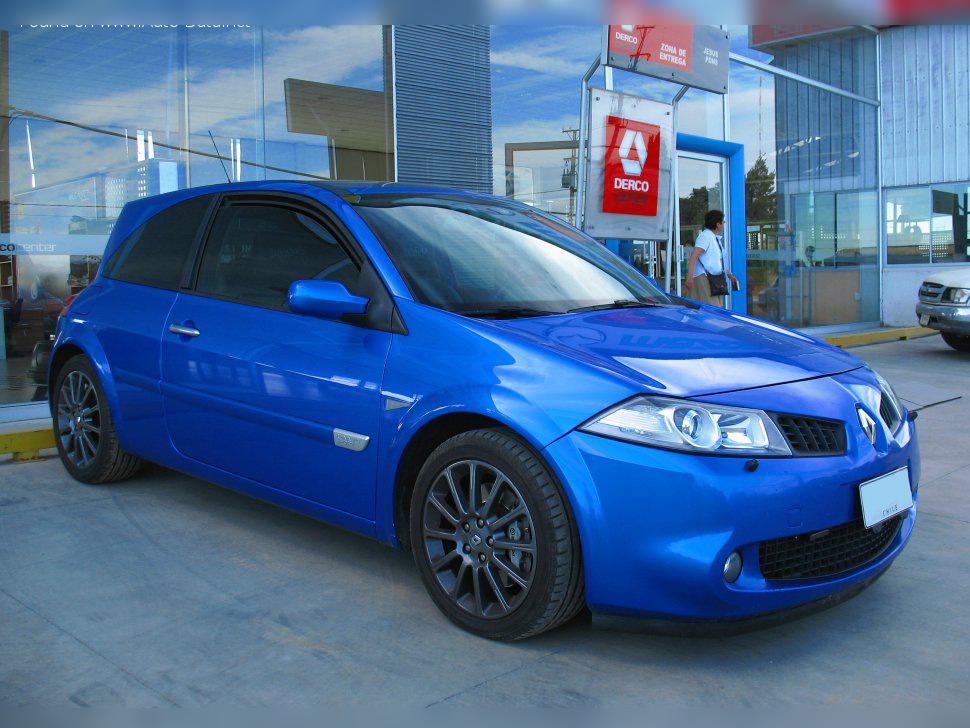
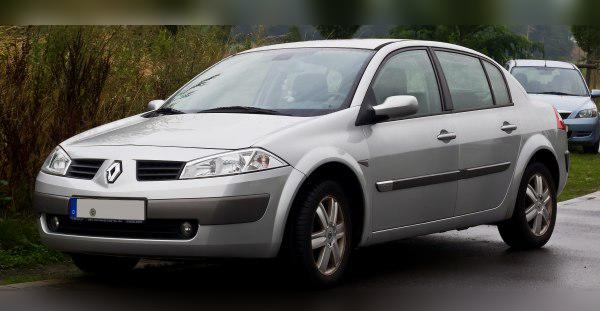
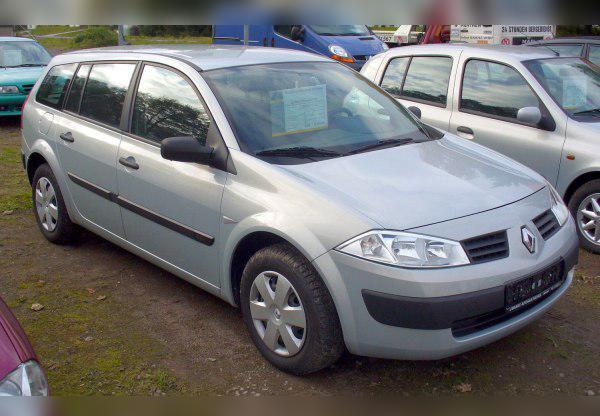
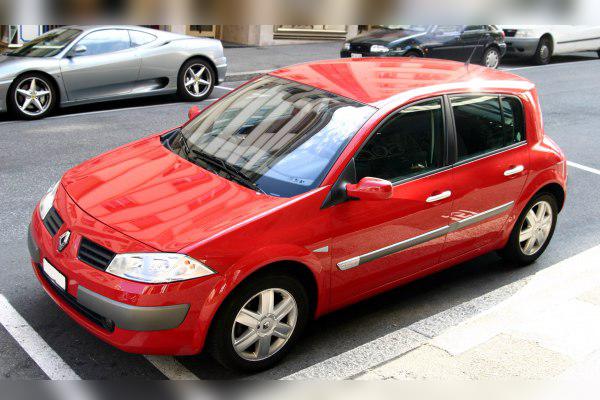
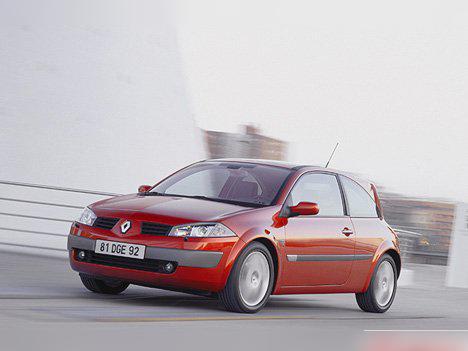
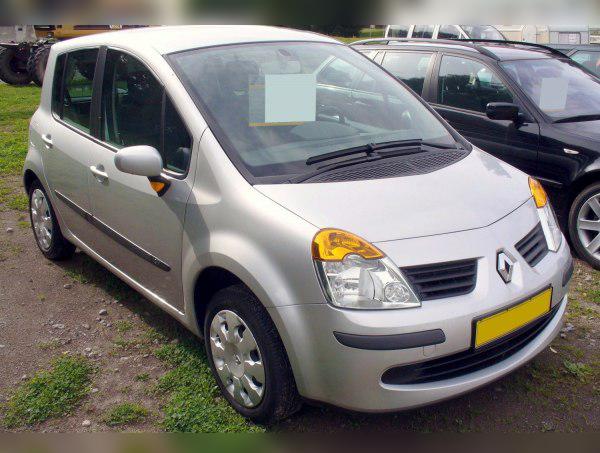
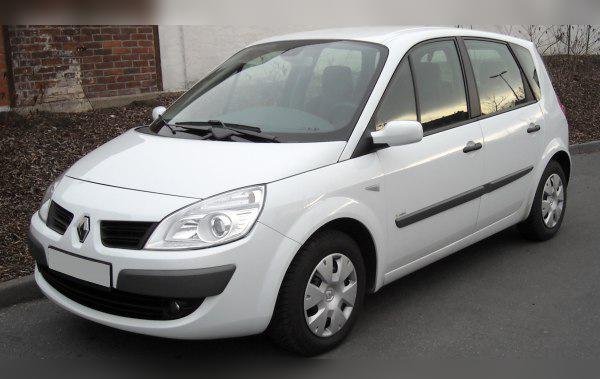
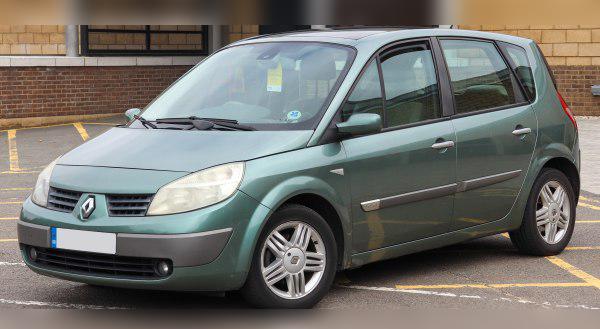
When we talk about engines that marked the early 2000s in the Renault group, the 1.4 16V K4J holds a special place. This is a naturally aspirated petrol engine created in the era before strict environmental regulations imposed downsizing and mandatory turbocharging for small displacements. It was installed in a wide range of vehicles, from city runabouts such as the Renault Clio II and III, through the family Megane II, all the way to small MPVs like the Modus and Scenic.
Why is this engine important? Because it represents a “golden middle ground” for drivers looking for an affordable car for everyday use, but who are afraid of the high maintenance costs that modern diesels bring. Its design is proven, and spare parts are available everywhere.
Technical specifications
| Specification | Data |
|---|---|
| Engine displacement | 1390 cc |
| Engine power | 72 kW (98 hp) |
| Torque | 127 Nm |
| Engine codes | K4J (various sub-variants depending on model) |
| Injection type | Indirect injection (MPI - Multi Point Injection) |
| Induction type | Naturally aspirated engine |
Reliability and maintenance
Timing belt or chain?
The K4J has a timing belt, not a chain. This is very important because it requires strict adherence to replacement intervals. According to the manufacturer’s recommendation and mechanics’ experience, the major service is done every 60,000 km or every 4 to 5 years, whichever comes first. During the major service, the timing belt kit, tensioners, idler pulleys and water pump must be replaced. If the belt snaps, valves and pistons will collide, which means a full engine rebuild and a huge expense.
Most common failures and symptoms
This unit is mechanically very durable, but it suffers from “childhood diseases” typical of French cars of that era:
- Ignition coils: By far the most common issue. The original Sagem coils had a very short lifespan. The symptoms are obvious: the engine starts running on three cylinders, shakes at idle, loses power, and the “Check Engine” light flashes on the dashboard. The recommendation is to install higher-quality aftermarket coils (e.g. Beru or Denso).
- Crankshaft position sensor: Due to dirt or wear, the sensor stops sending a signal. Symptom: the car cranks but won’t start, especially when the engine is hot.
- Throttle body and idle control: Due to carbon buildup, idle can become unstable, revs fluctuate up and down, or the car stalls when stopping at traffic lights. Cleaning the throttle body usually solves the problem and is not expensive (depends on the market).
Oil and service intervals
The engine takes about 4 to 4.5 litres of oil (including the filter). Fully synthetic or semi-synthetic oil is recommended, with viscosity grades 5W-40 or 10W-40, depending on climate and mileage. Minor service (oil and filters) should be done every 10,000 to a maximum of 15,000 km.
Oil consumption: A healthy K4J engine should not consume oil excessively. Consumption of about 0.3 to 0.5 litres per 10,000 km is considered completely normal. If the engine uses more than a litre between changes, the problem usually lies in hardened valve stem seals (a common case with older 16-valve engines).
Spark plugs
Since this is a conventional petrol engine, spark plug replacement is necessary. It is recommended to replace them every 30,000 to 40,000 km. Regular spark plug replacement directly protects the coils from failing, so this is not the place to save money.
Specific parts and costs
Dual-mass flywheel and clutch
Great news for your wallet: the K4J does not have a dual-mass flywheel! It uses a classic (solid) flywheel, which means that replacing the clutch kit (pressure plate, disc, release bearing) is financially very affordable. Kit prices are reasonable and the labour is not complicated. The repair is not expensive (depends on the market).
Fuel injection system and emissions
This engine uses a simple MPI injection system. Petrol injectors are extremely robust and rarely fail. If they get dirty (due to poor fuel quality), ultrasonic cleaning is quick, cheap and very effective.
As this is an older-generation naturally aspirated petrol engine, there is no turbocharger, no DPF filter and no AdBlue system. All the things that cause headaches (and empty wallets) on modern diesels simply do not exist here. The EGR valve on some versions (or the PCV system) is very simple and rarely causes serious problems.
Fuel consumption and performance
Real-world fuel consumption
Although the displacement is relatively small, do not expect hybrid-like consumption. In stop-and-go city driving, the K4J in lighter models (Clio) uses around 8 to 9 l/100 km. In heavier bodies, such as the Megane estate or Scenic, city consumption can easily exceed 10 l/100 km.
Power-to-weight ratio
The performance of this engine absolutely depends on the car it is installed in. In the Renault Clio, 98 hp provides a fairly brisk and dynamic drive. However, if you buy it in a Megane II Grandtour (estate) or Scenic, be prepared for the engine to feel extremely “lazy”. To get that heavy body moving, you will have to rev it high (above 3500 rpm), which drastically increases cabin noise and fuel consumption.
Behaviour on the motorway
This is not its natural habitat. The gearboxes paired with this engine have short ratios. At 130 km/h on the motorway, in fifth gear the engine spins at almost 4000 rpm. Because of this, there is noticeable noise in the cabin, and motorway consumption hardly drops below 7.5–8 l/100 km. For frequent long-distance trips, this can be tiring.
Additional options and modifications
LPG installation
This is one of the best characteristics of this engine. The K4J is a perfect candidate for LPG installation. Indirect injection allows the use of standard sequential LPG systems whose price is not high (depends on the market). The engine handles LPG very well, valves do not wear out easily, and given the somewhat higher city petrol consumption, LPG installation pays off very quickly.
“Chipping” (Stage 1 remap)
Is it worth remapping it? No. On small naturally aspirated petrol engines, a Stage 1 software tune brings gains of barely 3 to 5 horsepower, which you will not feel in real driving. It is money thrown away. If you need a faster car, buy one with a more powerful engine.
Gearbox and drivetrain
Manual and automatic gearboxes
The K4J was most often paired with five-speed manual gearboxes (JB3/JH3 series). These gearboxes are mechanically robust, but they have one characteristic flaw: over time, the shift linkages on the suspension side wear out, so the gear change becomes “rubbery” and imprecise. The oil in the manual gearbox (75W-80) should be preventively changed every 80,000 to 100,000 km to extend the life of the bearings.
The automatic gearbox offered with this engine is mostly the old four-speed DP0. This automatic is notoriously slow, increases fuel consumption and is not a synonym for reliability. Common failures include problems with solenoid valves and the pressure sensor. Symptoms are strong jolts when shifting gears and the gearbox going into limp mode, where it stays locked in third gear. If you are buying an automatic, a diagnostic check and inspection of the oil condition (it should be changed every 60,000 km) are mandatory.
Buying used and conclusion
What to check before buying?
- Engine sound: At idle, the engine should run smoothly. If it shakes, immediately suspect the coils.
- Oil leaks: Check the top of the engine (valve cover) and the bottom (oil pan). These engines are known to “sweat” oil on gaskets once they reach high mileage.
- Service history: Ask for proof that the major service has been done. If there is none, immediately factor that cost into the car’s price.
- Test drive: Listen for suspension noises and check whether the gearbox baulks when shifting (especially from second to third).
Who is this engine for?
The Renault 1.4 16V K4J is an excellent “working-class” engine for those who need cheap transportation. It has proven to be best in lighter vehicles such as the Clio, where it offers decent performance with reasonable running costs. It is ideal for city driving, novice drivers, or as a base for cheap LPG motoring. However, if you plan long motorway trips or need a large family estate (Megane/Scenic), this engine will disappoint you with its sluggishness and noise levels, and in that case it is better to look for a more powerful unit.