Renault 1.6 16V (K4M) 107 HP engine: Experiences, issues, fuel consumption and used-car buying tips
Key points (TL;DR)
- Exceptional reliability: Old-school naturally aspirated engine, simple design and capable of very high mileage without major failures.
- No expensive parts: No dual-mass flywheel, turbo, DPF or AdBlue system. Maintenance is very affordable (depends on the market).
- Excellent for LPG: MPI injection and hydraulic lifters make it one of the best engines for LPG conversion.
- Weak spots: Ignition coil failures, oil leaks on seals and thermostat housing, dirty throttle body.
- Gearboxes: Manual gearboxes tend to leak at the gear selector shaft, while the notorious automatic DP0/AL4 gearbox should be avoided at all costs.
- Fuel consumption and noise: Due to short gear ratios, it is quite noisy on the highway and consumes more fuel.
Contents
- Introduction: About the engine and its applications
- Technical specifications
- Reliability and maintenance
- Specific parts and costs
- Fuel consumption and performance
- Additional options and modifications (LPG and chip tuning)
- Gearbox: Manual vs automatic
- Buying used and conclusion
Introduction: About the engine and its applications
Renault’s K4M 1.6-liter 16-valve unit is, without exaggeration, one of the most important engines in the history of the French manufacturer. In the 107 HP (79 kW) version, this engine started appearing in the late nineties and early 2000s, forming the backbone of the powertrain range for almost the entire lineup.
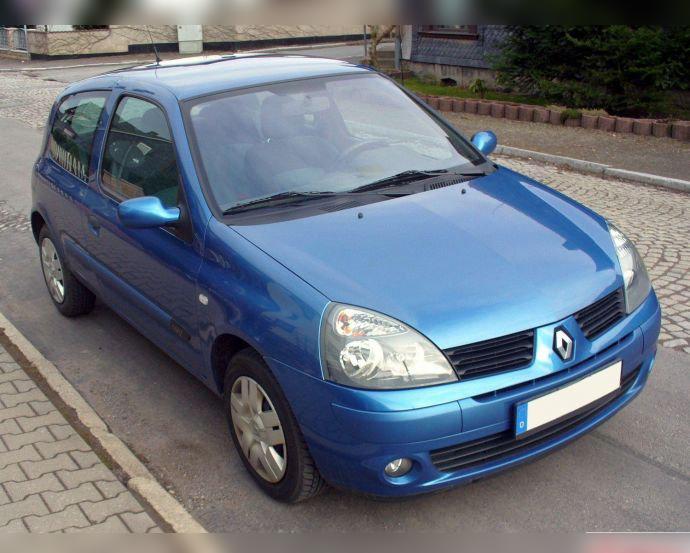
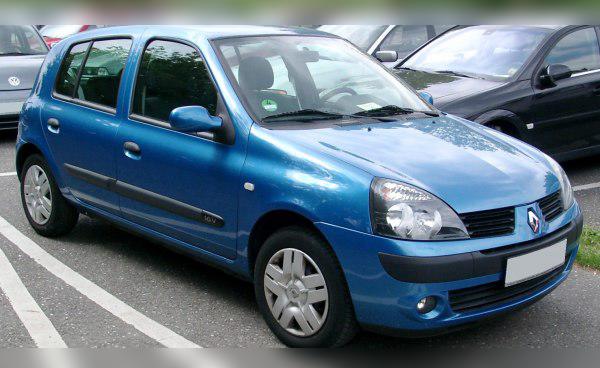
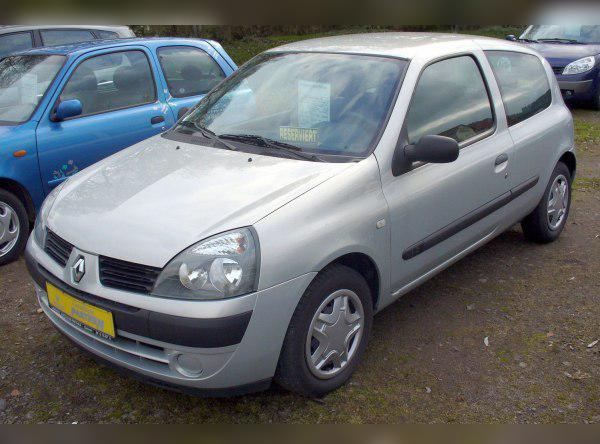
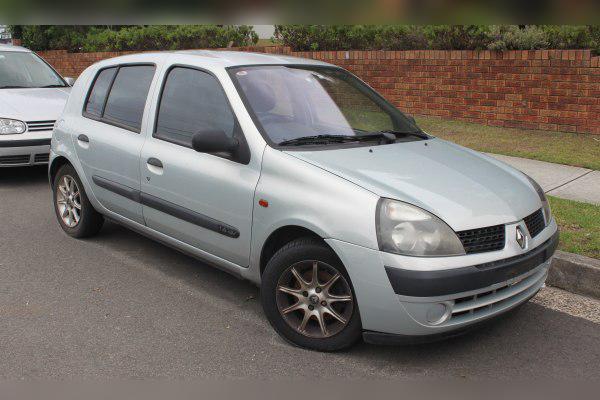
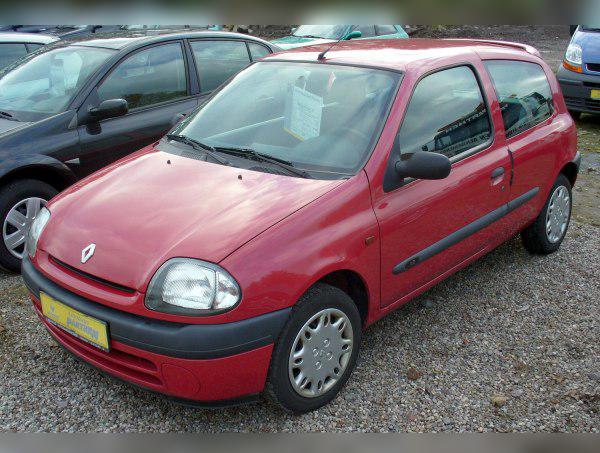
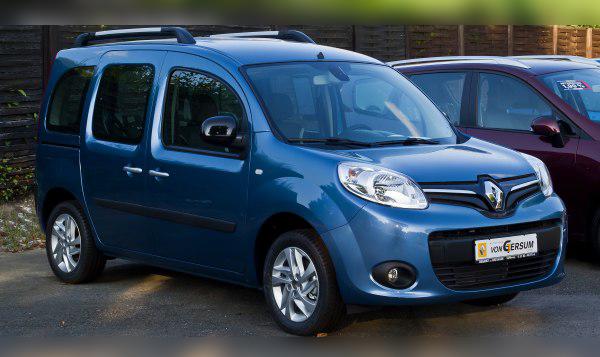
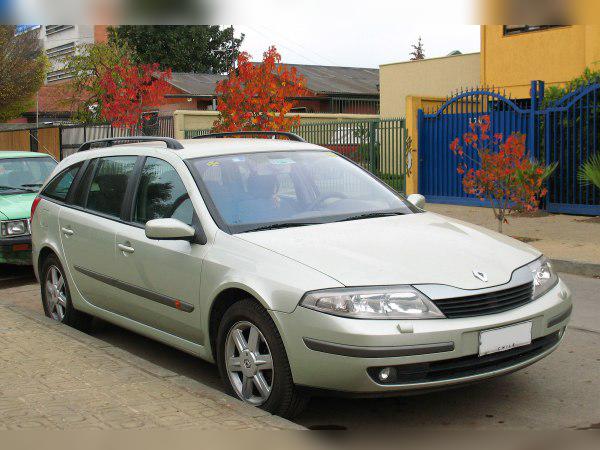
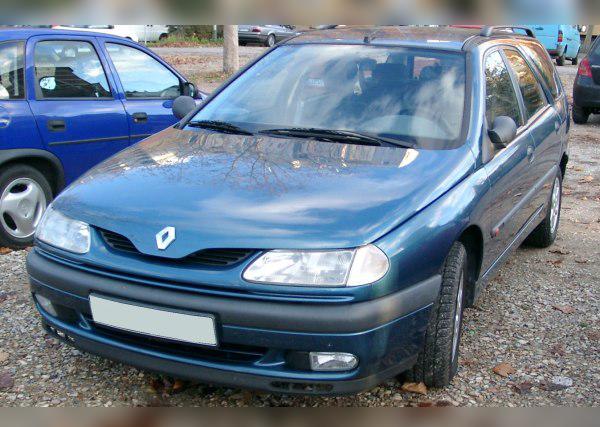
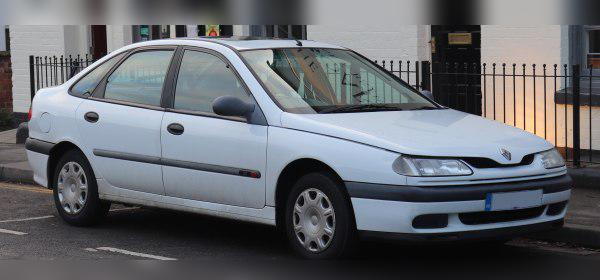
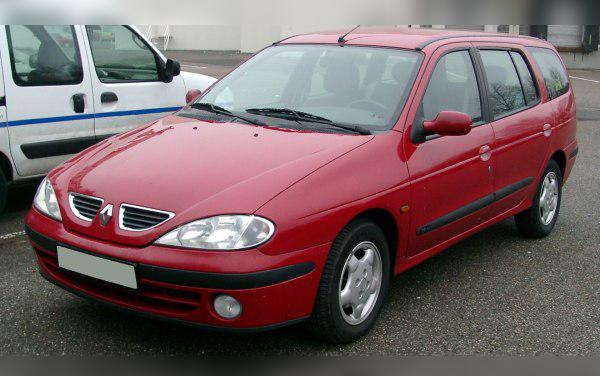
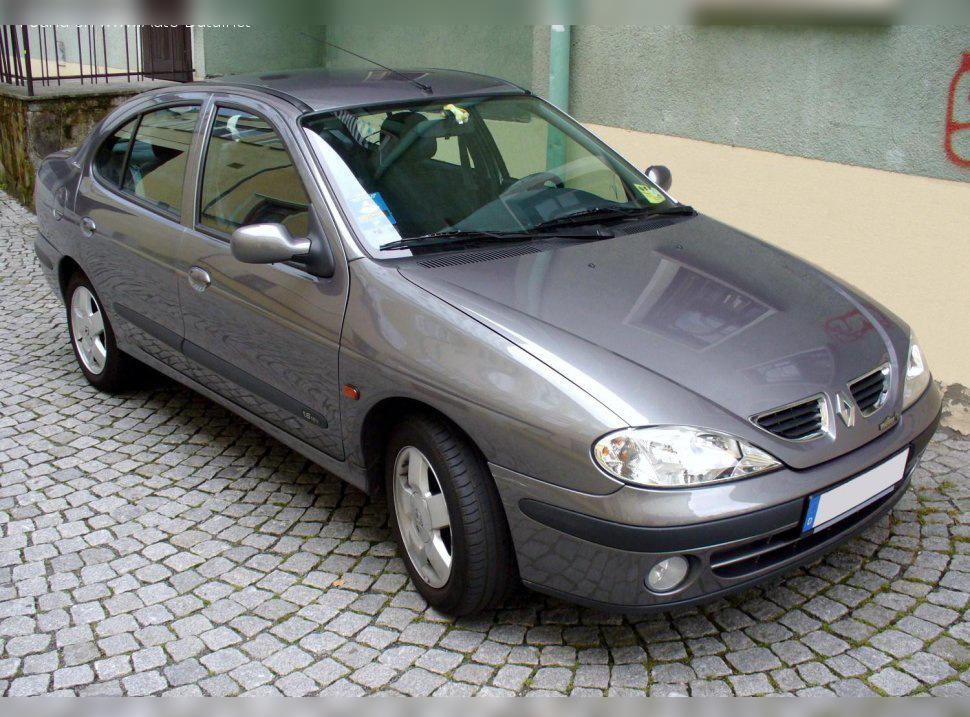
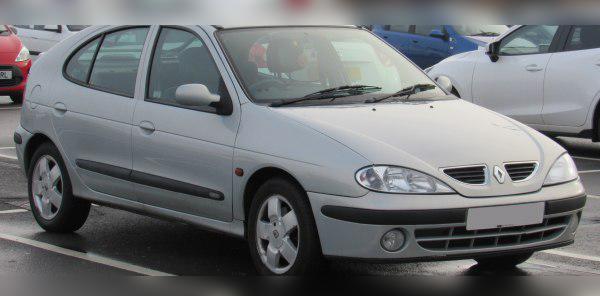
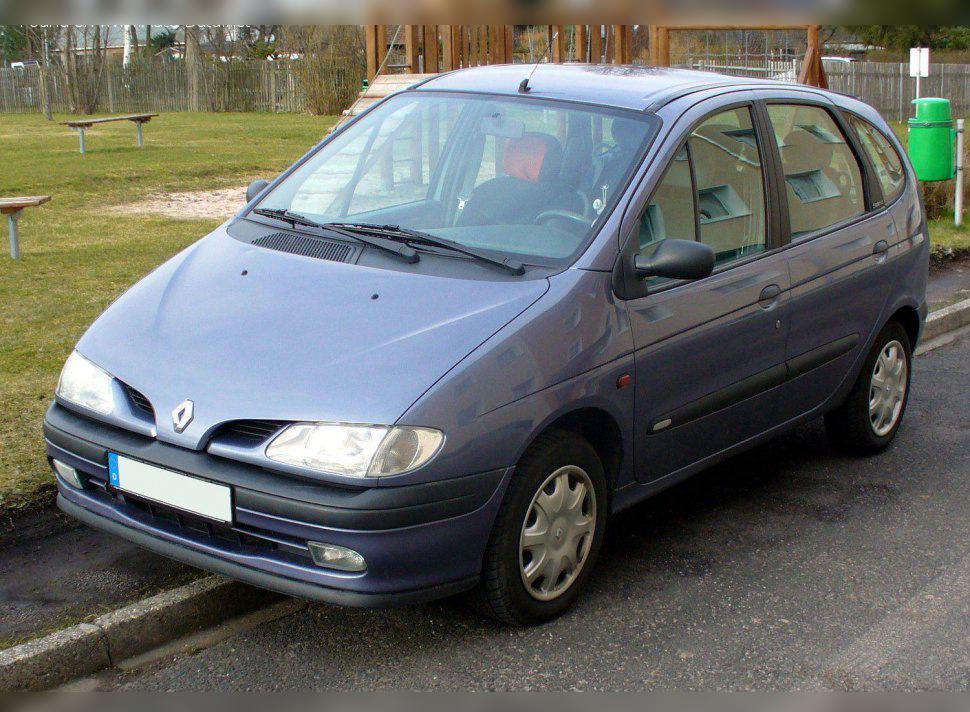
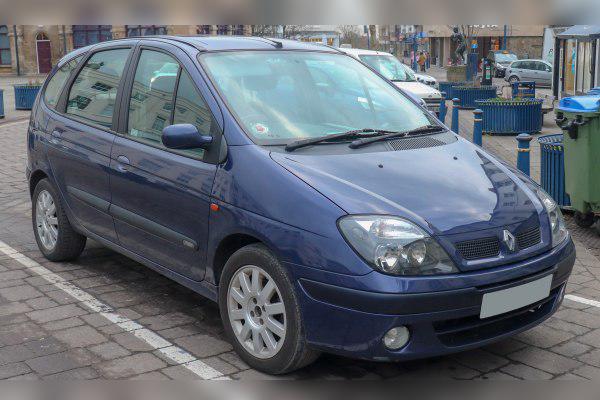
You could find it in light city runabouts like the Clio II, family sedans such as the Megane I and Laguna II, and even in practical MPVs and vans like the Scenic I and Kangoo II. The reason for its longevity is its simplicity. At a time when engines were becoming increasingly complex, the K4M relied on straightforward mechanics, reliable MPI injection and a robust block. That’s exactly why it still holds its value today as a highly sought-after used option for drivers who want peace of mind and cheap maintenance.
Technical specifications
| Parameter | Value |
|---|---|
| Engine code | K4M (various revisions depending on model) |
| Displacement | 1598 cc (1.6L) |
| Power | 79 kW (107 HP) |
| Torque | 148 Nm at 3750 rpm |
| Engine type | Inline 4-cylinder, 16 valves (DOHC) |
| Injection type | Multi-Point Injection (MPI) – indirect injection |
| Aspiration | Naturally aspirated (no turbocharger) |
| Timing system | Timing belt |
Reliability and maintenance
Timing system: Timing belt
The K4M uses a timing belt. The interval for the major service (replacement of timing belt, tensioner, idler pulleys and water pump) is specified at 60,000 km or every 5 years. It is strongly advised not to exceed this interval. A snapped timing belt will cause the pistons to hit the valves, resulting in complete cylinder head failure. The cost of the major service is not high (depends on the market), and parts are widely available from various manufacturers.
Most common issues
This is essentially a very reliable engine, but it comes with typical “French” quirks from that era:
- Ignition coils: This is the most well-known weak spot. The engine has one coil per cylinder. The original Sagem coils had a terrible lifespan and failed due to moisture and heat. Symptoms: engine runs on three cylinders, shakes at idle, loses power, the “Check Engine” light comes on, and the exhaust smells of unburnt fuel. The recommendation is to install higher-quality Denso or Beru coils.
- Throttle body: Due to oil vapour recirculation (breather system), the throttle body often gets dirty. Symptoms: fluctuating idle speed (the needle “dances”), the engine stalls when you press the clutch as you approach a traffic light. The solution is to remove the throttle body, clean it and perform adaptation via diagnostics.
- Oil and coolant leaks: The valve cover and crankshaft seals are known to “weep” oil. Also, the plastic thermostat housing can warp over time due to heat, which can cause coolant loss or, in rare cases, small amounts of oil and coolant to mix around the housing gasket area.
Engine oil and oil consumption
The K4M engine takes about 4.8 liters of oil. The 5W-40 grade has proven to work best, while for engines with very high mileage mechanics often use 10W-40 (ACEA A3/B4 standard, most commonly ELF). The oil change interval should be kept between 10,000 and 15,000 km, never at “LongLife” intervals of 30,000 km.
As for oil consumption, the K4M is not a notorious oil burner like some German engines from that period. Still, at higher mileage, the valve stem seals can harden, so you can expect consumption of 0.3 to 0.5 liters per 10,000 km, which is considered completely normal. If it consumes more than a liter of oil per 1,000 km, that points to stuck oil control rings.
Spark plugs
Since this is a classic petrol engine with indirect injection, standard spark plugs are replaced every 30,000 to 40,000 km. If you install higher-quality iridium plugs, the interval can be extended to 60,000 km. The spark plug gap is important in order to protect the coils from excessive load.
Specific parts and costs
Forget about expensive components
The best news with this engine is what it doesn’t have. This engine does NOT have a dual-mass flywheel. It uses a simple, solid flywheel, which means that replacing the clutch kit (pressure plate, disc, release bearing) is financially painless – the cost is not high (depends on the market). Clutch kits easily last over 150,000 km if driven normally.
Also, there is no turbocharger (nor two of them). Forget about turbo rebuilds. There is no infamous DPF filter, and the AdBlue system is of course not present on this engine because it is an older-generation petrol. Some models may have a simple EGR valve, but it very rarely causes issues on this petrol engine compared to the dCi diesels.
Injection system
The injection is MPI (Multi-Point Injection). The petrol injectors spray fuel into the intake manifold, before the intake valve. These injectors are “bulletproof”. Problems with them occur only if the car is regularly driven on a nearly empty tank so they suck up sludge from the bottom, or due to extremely poor fuel quality. Cleaning them in an ultrasonic bath once every 100,000 km eliminates any doubts.
Fuel consumption and performance
Is the engine sluggish?
The answer mostly depends on the body style the engine is pulling. If we’re talking about the Renault Clio II, with 107 HP and just over a ton of weight, this car is a real little rocket. It responds eagerly and is very fun to drive. On the other hand, if this engine is under the bonnet of a Laguna II Estate or a Scenic I, expect noticeable sluggishness. Heavy bodies require high revs to get the car moving, and overtaking on country roads with a full boot requires you to drop down a gear (from fifth to third).
Highway behaviour and revs
This is an old-generation engine paired with five-speed manual gearboxes that have very short ratios. That’s why highway driving is this unit’s biggest downside. At a speed of 130 km/h, the engine spins at a high 3,800 to 4,000 rpm. The consequences are cabin noise and a sharp increase in fuel consumption. For long-distance cruising at high speeds, this engine will be tiring for drivers used to modern diesels with six gears.
Real-world fuel consumption
Don’t expect the efficiency of modern turbo three-cylinders. The physics of an older 1.6 engine are clear:
- City driving (traffic jams, stop-and-go): 8.5 to 10.5 l/100km (Laguna and Scenic can go up to 11 l/100km in winter).
- Open road (rural roads, 80–90 km/h): 5.5 to 6.5 l/100km.
- Highway (130 km/h): 7.5 to 8.5 l/100km.
Additional options and modifications
LPG conversion
Is the K4M suitable for LPG? The answer is a resounding YES. This is one of the best engines on the market for conversion to liquefied petroleum gas. The MPI injection system requires a cheap and simple sequential LPG kit. Most importantly – the engine has hydraulic valve lifters, which means you don’t have to manually adjust valve clearances; they automatically compensate for any differences in operating temperature on LPG. If the system is properly installed and mapped, the engine will cover hundreds of thousands of kilometres on LPG without damaging the valve seats.
Chip tuning (Stage 1)
If you’re thinking about “chipping” this engine – don’t bother. The 107 HP K4M is a naturally aspirated engine. Without a turbocharger to push more air into the cylinders, an ECU remap (Stage 1) will at best give you a barely noticeable 5 to 8 HP, along with raising the rev limiter. That’s money wasted. If you want a faster car, buy a model with the 2.0 16V engine or a turbo petrol.
Gearbox: Manual vs automatic
Manual gearboxes
This engine is most commonly paired with a 5-speed manual gearbox from the JB3, JH3 or JR5 series (depends/needs to be checked by VIN, as it changed across generations and models). These gearboxes are mechanically very robust. The main issue with manuals on older Renaults is the well-known oil leak at the gear selector shaft seal. Replacing the seal requires removing or opening the gearbox on some versions, so many owners ignore it and just top up the oil. Symptom: the gearbox becomes “stiff” and notchy when engaging first and second gear when cold. The oil in the manual gearbox (most often Tranself NFJ 75W-80) is best replaced every 60,000 to 80,000 km.
Automatic gearboxes (to be avoided!)
If the model is badged “Automatic”, it most often uses the 4-speed automatic gearbox known as DP0 (or AL4 in the Peugeot/Citroën group). This is a gearbox you should avoid. It is known for failures of the solenoids responsible for gear changes and oil pressure regulation. Failure symptoms: the gearbox “bangs” and jerks when shifting from first to second gear, and then the car goes into limp mode, staying locked in third gear with a “Gearbox Fault” message. The gearbox is prone to overheating in city driving. If you already own such an automatic, the only way to keep it alive is to change the ATF every 40,000 to 60,000 km (a partial oil change is usually done, as it is difficult to drain it completely without special equipment).
Buying used and conclusion
What exactly should you check before buying?
- Cold start and idle: The engine should start “on half a turn”. The revs must not fluctuate. If the engine slightly misfires or hesitates, be prepared to replace the coils or clean the throttle body.
- Visual inspection of the engine bay: Remove the plastic cover (if fitted) and inspect the area around the coils and valve cover. Hesitation under acceleration can be a sign that oil has leaked and filled the spark plug well. Check the area around the thermostat housing (on the right side of the engine when viewed from the front) for pink/green traces of dried coolant.
- Test drive: Listen to the gearbox. The manual must not “grind” in the third-gear synchro (a common issue due to fast shifting). If it’s the automatic DP0 gearbox, test it in stop-and-go traffic until it is fully warmed up. It may work fine when cold, but once hot it will start to jerk.
- Exhaust smoke: Bluish smoke on first start-up indicates worn valve stem seals.
Conclusion: Who is the K4M for?
Renault’s K4M engine (1.6 16V, 107 HP) is an ideal purchase for someone looking for cheap and robust transportation, not a race car. It has no overly expensive parts, forgives maintenance mistakes and will easily outlive the car’s body if it isn’t destroyed by a snapped timing belt.
If you’re looking for a city car (Clio II) or a spacious car for local driving (Scenic I/Kangoo II), and you plan to install LPG, this is one of the best engines the European market has ever seen. However, for long highway journeys or for speed enthusiasts, the high revs and noise will quickly make you wish for a more modern engine with six gears.